
Cow dung
High fibre, high moisture, the most widely processed manure in the world. Separate the slurry, windrow-compost 10–15 days, then make powder or 3–5 mm organic pellets.
View details →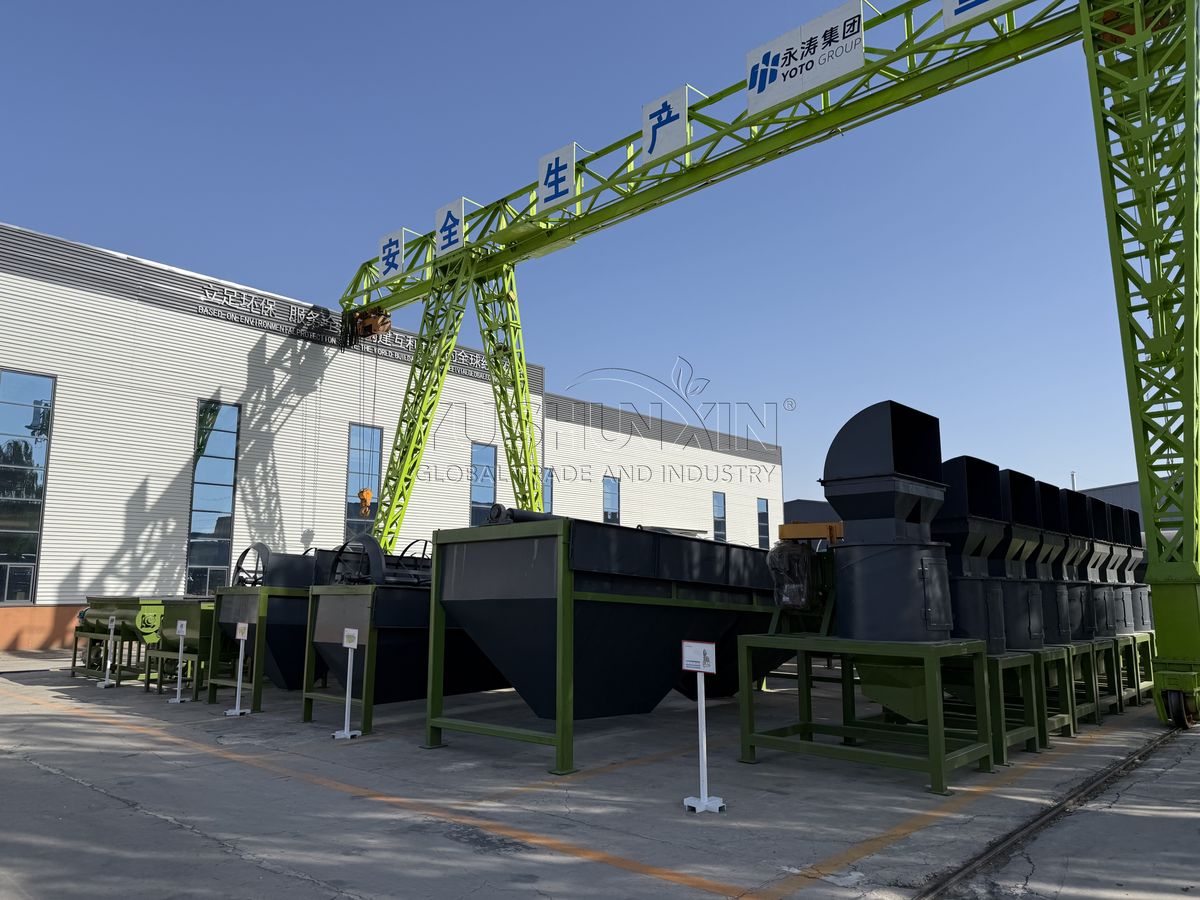
Animal manure is a disposal cost until it is separated, fermented and granulated — then it is a bagged product with a price. YUSHUNXIN builds the whole chain: from a single solid liquid separator on a dairy farm to a complete 30 t/h manure fertilizer factory.
A manure to fertilizer machine is any unit in the chain that turns raw animal manure into a stable, saleable organic fertilizer. That chain is longer than most farmers expect, because fresh manure is not fertilizer: it is 70–90% water, it carries weed seeds, pathogens and a heavy salt load, and it releases ammonia and methane within hours of being piled. Applied directly it burns roots and pollutes runoff; left in a heap it loses most of its nitrogen and becomes a fly and odour problem.
The conversion is a short industrial process rather than a single machine. Fresh manure is first dewatered by a solid liquid separator, which removes 40–60% of the volume as liquid and leaves a moist solid that can actually be piled. That solid is blended with a carbon source and fermented for 7–15 days, during which the pile reaches 55–65 °C, pathogens and weed seeds are destroyed and the material becomes mature, odour-free compost. From there the route splits: a powder line crushes, screens and bags the compost, while a granule line adds binder mixing, granulation, drying, cooling, coating and automatic packing.
YUSHUNXIN manufactures every machine in that chain and engineers them as one plant, so the moisture and particle size leaving each unit match what the next unit needs. That is the difference between a set of equipment and a line that actually produces bagged fertilizer at the tonnage you were promised.
Every YUSHUNXIN manure fertilizer plant follows the same proven sequence. Stages can be shortened for a farm-scale powder product or extended into a fully automatic granule line.
Fresh manure arrives at 70–90% moisture. A screw-press solid liquid separator, inclined screen or decanter removes free water and discharges a stackable solid at 55–65% moisture — the correct starting point for aerobic composting. The liquid fraction is stored for fertigation or biogas.
Manure is nitrogen-rich but structurally weak. Straw, rice hull, sawdust, chopped maize stalk or mature compost is blended in to bring the carbon-to-nitrogen ratio to roughly 25–30:1 and to open the pile so air can move through it.
Material is piled in windrows or loaded into fermentation tanks or channels and turned by a compost turner — groove type, wheel type, crawler type, self-propelled or forklift mounted. In 7–15 days the core temperature holds at 55–65 °C, the manure loses its identity and the compost becomes dark, crumbly and odour-free.
Mature compost and any straw that survived fermentation is crushed by a semi-wet crusher, chain crusher or cage mill until every particle passes about 3 mm. Uniform particle size is the single biggest factor in achieving a high granulation rate later.
A rotary screener or vibrating screen separates finished material from oversize lumps, stones and plastic. Oversize returns to the crusher, so almost nothing leaves the plant as waste.
The screened compost is blended with binder, humic acid, trace elements or mineral nutrients in a horizontal mixer or an automatic batching system, so every bag carries the formula you registered and sell.
Powder is formed into round granules by a disc, rotary drum or stirring-tooth granulator, or pressed dry by a double roller granulator. Wet granules pass through a rotary dryer and cooler until moisture drops to 12–14%, which is what makes pellets hard, free-flowing and storable without caking.
A drum coater applies a protective film, then a screener grades the pellets and an automatic packing machine weighs and seals them into 25 kg, 40 kg or 50 kg bags, or jumbo bags with a palletiser.
The right machine configuration depends far more on the manure than on the tonnage. Choose the animal closest to your situation and we will match the process route to your material.
High fibre, high moisture, the most widely processed manure in the world. Separate the slurry, windrow-compost 10–15 days, then make powder or 3–5 mm organic pellets.
View details →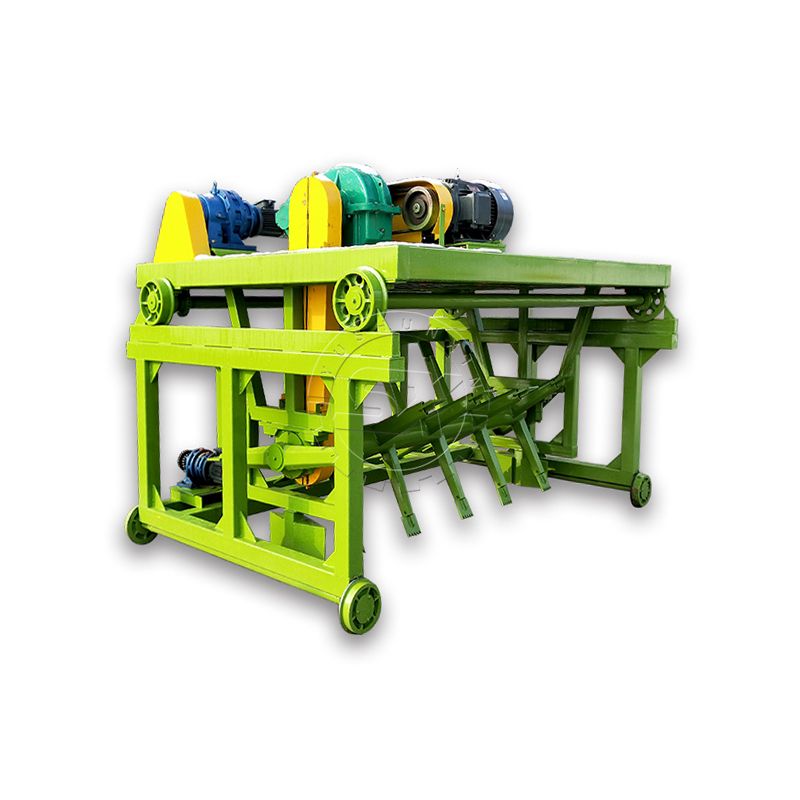
The highest nutrient density of any common farm manure, and the highest ammonia load. Dry or ferment first with forced aeration and a deodorising agent, then granulate.
View details →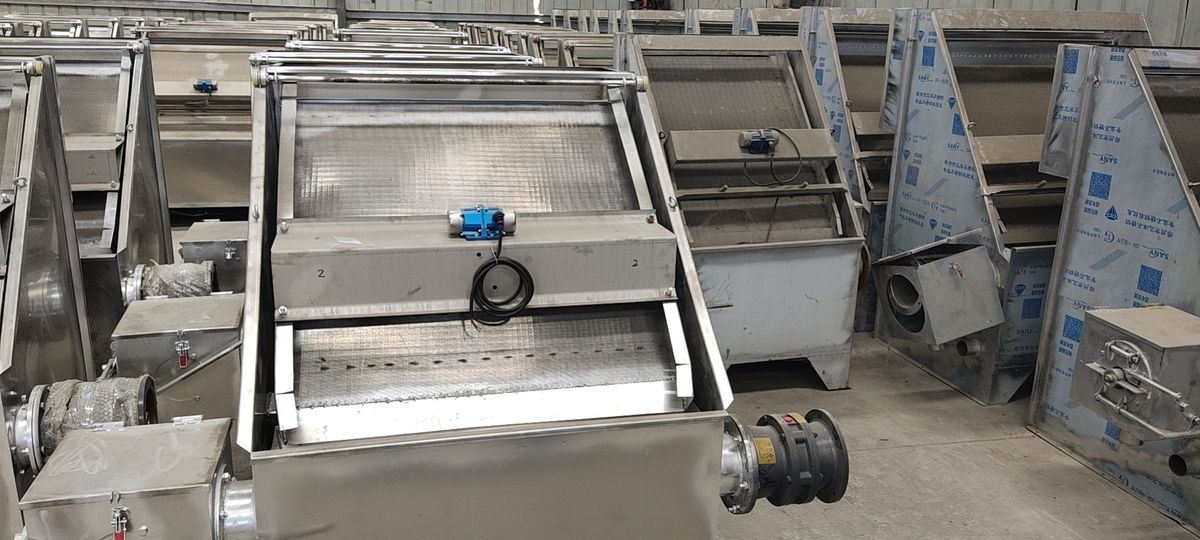
Pumpable, 85–95% water, impossible to stack before separation. Solid liquid separation is the first machine and the one that decides whether the project works.
View details →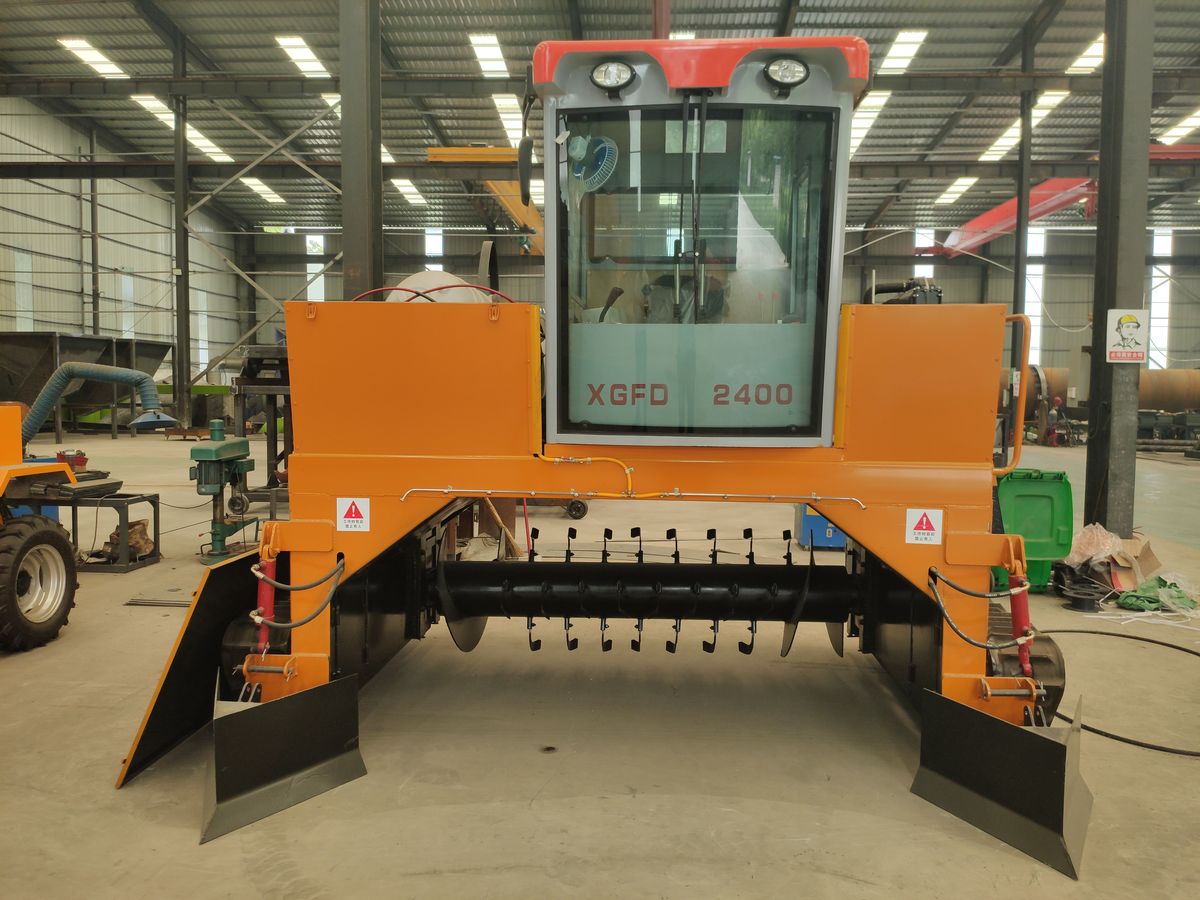
Mixed with wood shavings or straw, bulky and easy to compact. Groove-type and self-propelled turners lift and aerate a deep pile without matting it down.
View details →Pellets naturally, dries quickly and composts fast. A small turner, shredder, screener and bagging scale is usually the complete plant.
View details →Manure from several species plus bedding, feed waste and green waste. Balance the carbon ratio, compost, then run one shared fertilizer line.
View details →YUSHUNXIN builds four standard scales. The final configuration is adjusted to your manure, climate, labour and the fertilizer form you want to sell.
| Plant scale | Typical output | Main equipment | Site area | Best for |
|---|---|---|---|---|
| Farm scale | 0.5–2 t/h | Solid liquid separator, small compost turner, semi-wet crusher, rotary screener, horizontal mixer, packing scale | 300–800 m² | Dairy, poultry and pig farms, cooperatives, pilot lines |
| Small commercial | 2–5 t/h | Windrow or crawler turner, chain crusher, batching, disc granulator, small dryer and cooler, drum coater, automatic packer | 1,000–2,500 m² | Regional fertilizer producers, farm clusters |
| Medium plant | 5–15 t/h | Groove-type turners or fermentation tanks, cage mill, automatic batching, rotary drum granulator, full drying and cooling line, dust collector, 50 kg packer | 3,000–8,000 m² | Provincial fertilizer factories, municipal projects |
| Large plant | 15–30 t/h | Multiple fermentation channels, conveyor network, double roller or drum granulation, large dryer line, redundant packing and palletising | 10,000 m²+ | Group-scale organic fertilizer factories |
Browse by equipment family. We match the models to your manure type, daily volume and target product.
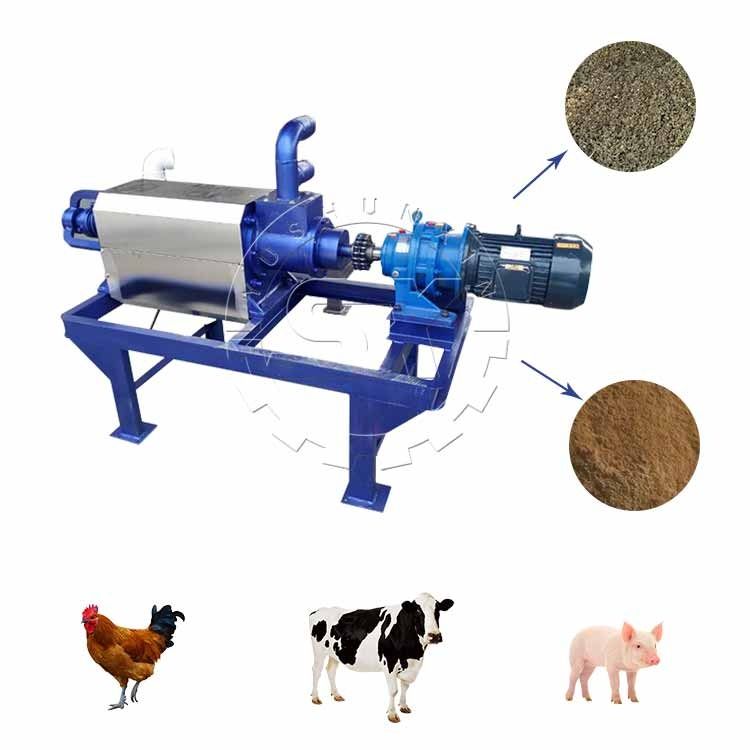
Solid liquid separators, dewatering machines, dryers, shredders, screeners and deodorising equipment — everything that makes raw manure handleable.
View details →Groove-type, wheel-type, crawler, self-propelled and forklift turners, fermentation tanks and forced-aeration systems.
View details →Granulators, pellet machines, powder lines, coaters, coolers and bagging machines that turn compost into a product.
View details →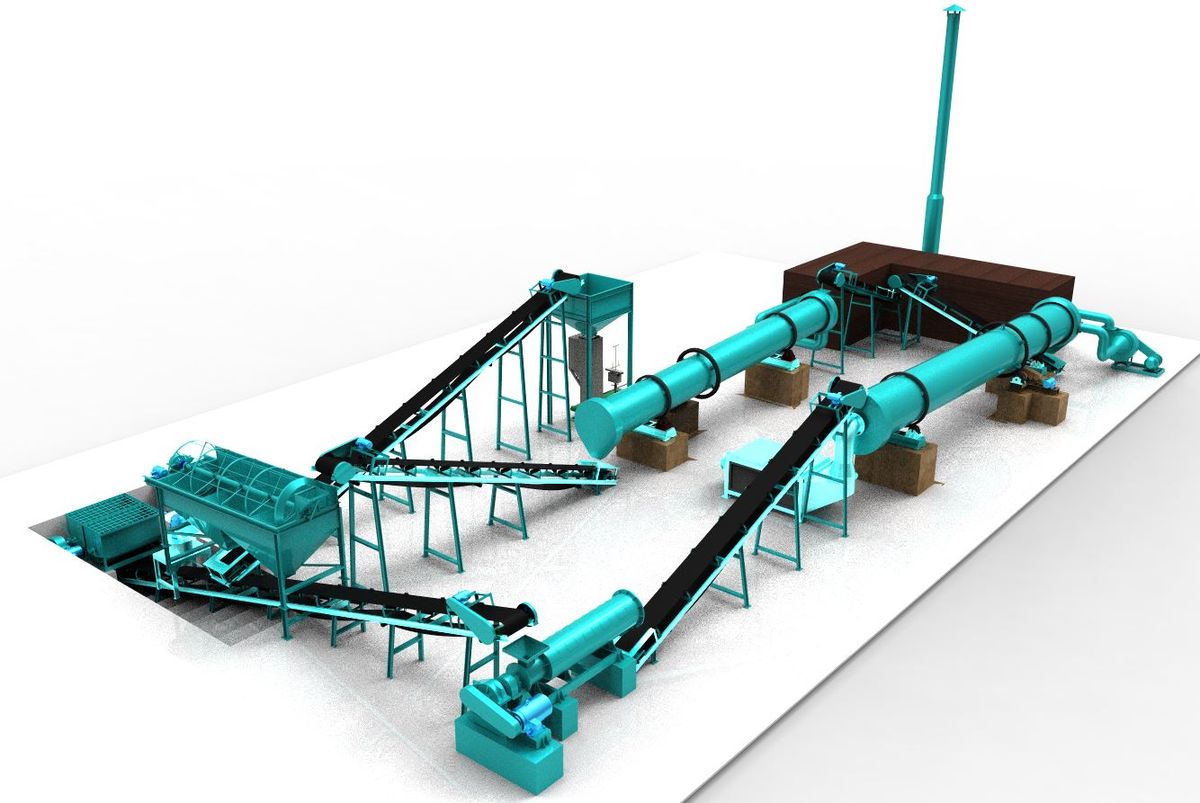
Turnkey manure fertilizer plants from 1 to 30 t/h, including layout design, foundation drawings and commissioning.
View details →Practical process guidance for cow, chicken, pig, horse and goat manure, plus farm waste management planning.
View details →Two projects with the same tonnage can differ by a factor of three, because the equipment count is driven by the manure, not by the capacity figure. Three variables matter most. The first is moisture: a pig or dairy slurry project cannot start without a separator and a dryer, while dry goat or layer manure can go almost straight to composting. The second is the product form — a powder line stops after screening, but a granule line adds granulation, drying, cooling, coating and a much larger conveying and dust-removal system. The third is automation: manual batching and hand-fed bagging are cheap to buy and expensive to run, while automatic batching, PLC control and automatic bagging pay for themselves on labour in most markets within two to three years.
The practical way to price a project is to start from the tonnage of manure you actually produce each day rather than from a target fertilizer output. Send us your animal type, head count, daily manure volume, target product and country, and our engineers will return a process route, an equipment list with models and a budget range — before you commit to anything.
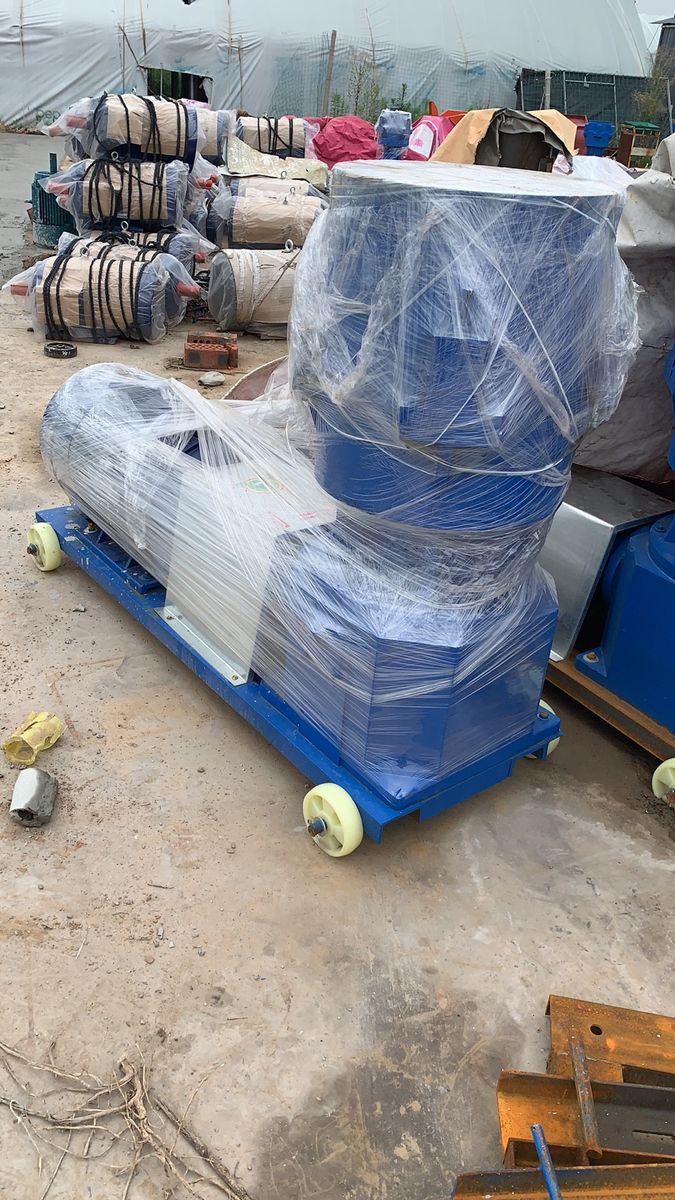
Photographed in our Xingyang workshop and on customer sites. Watermark-free, no phone numbers.
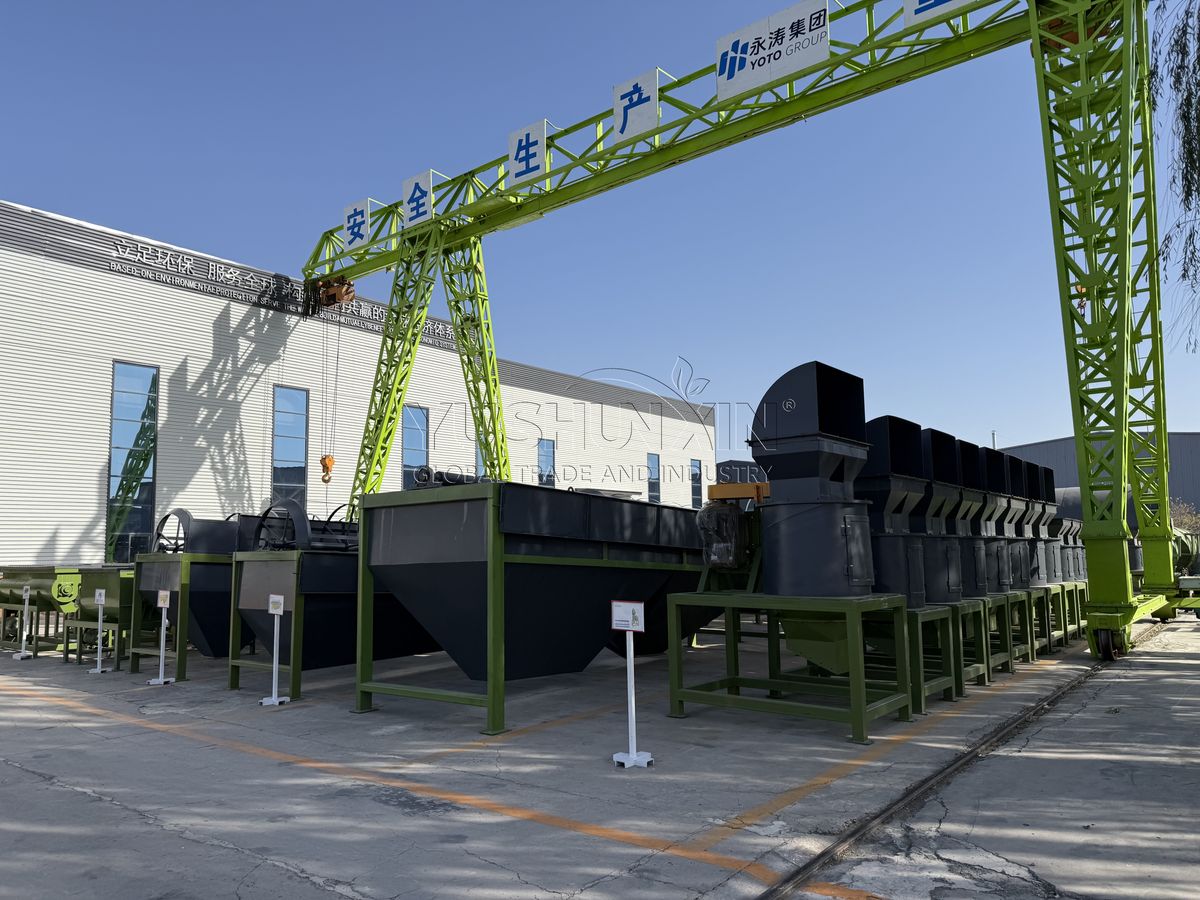
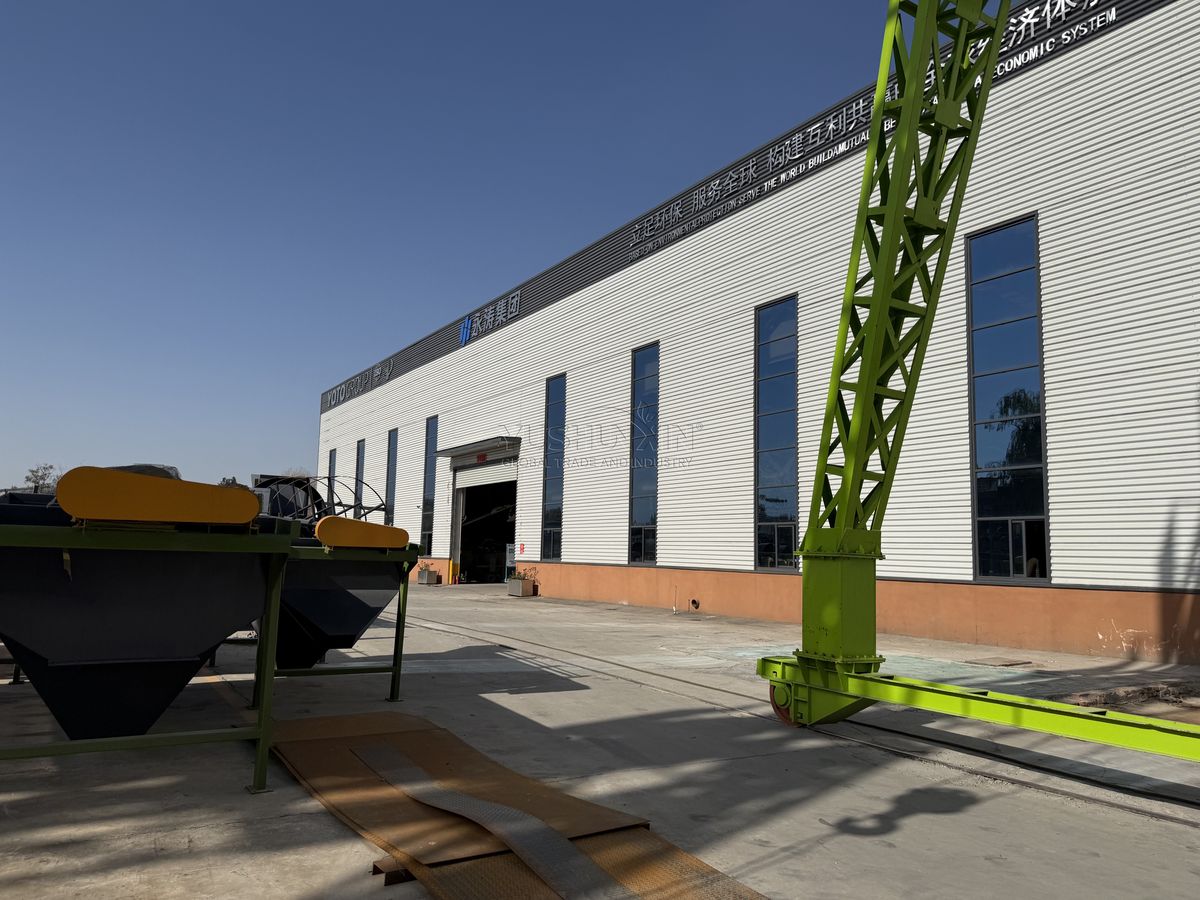
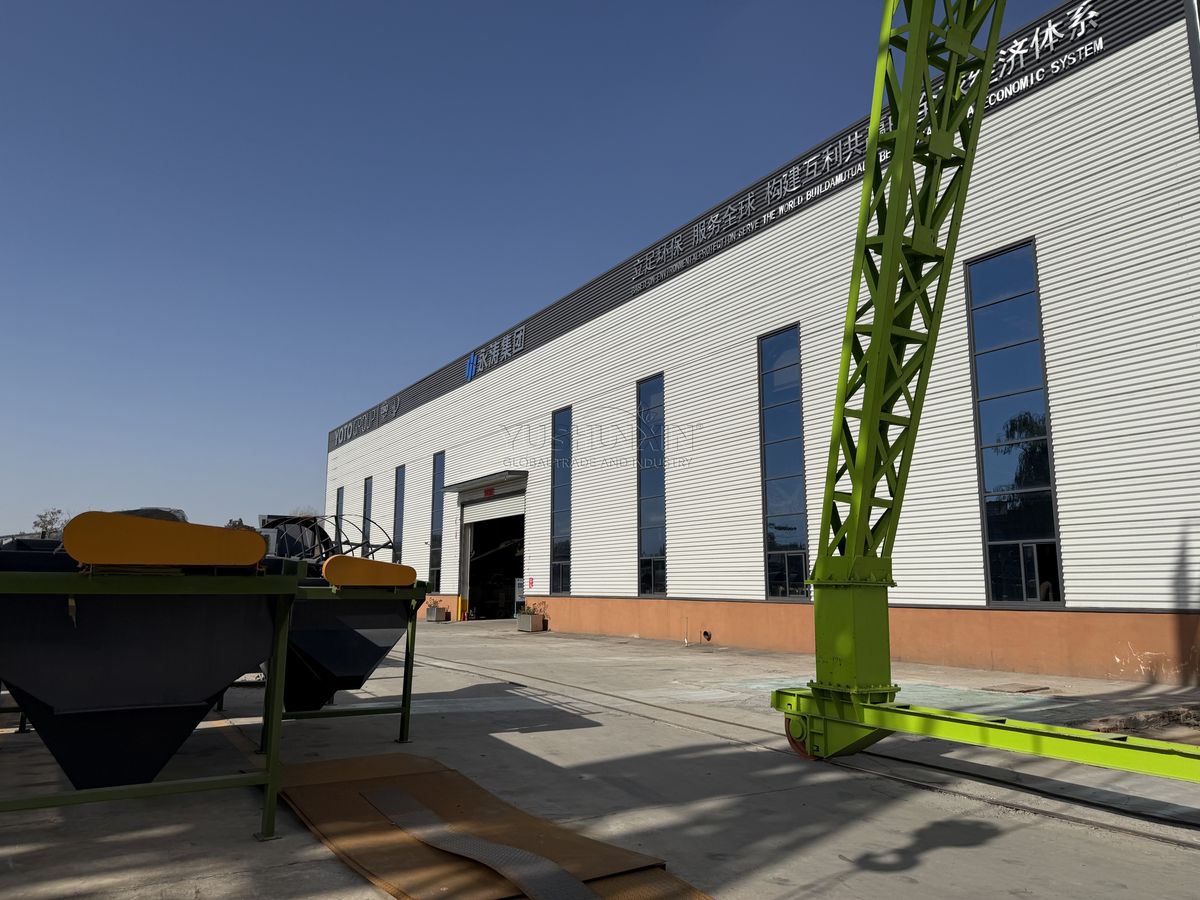
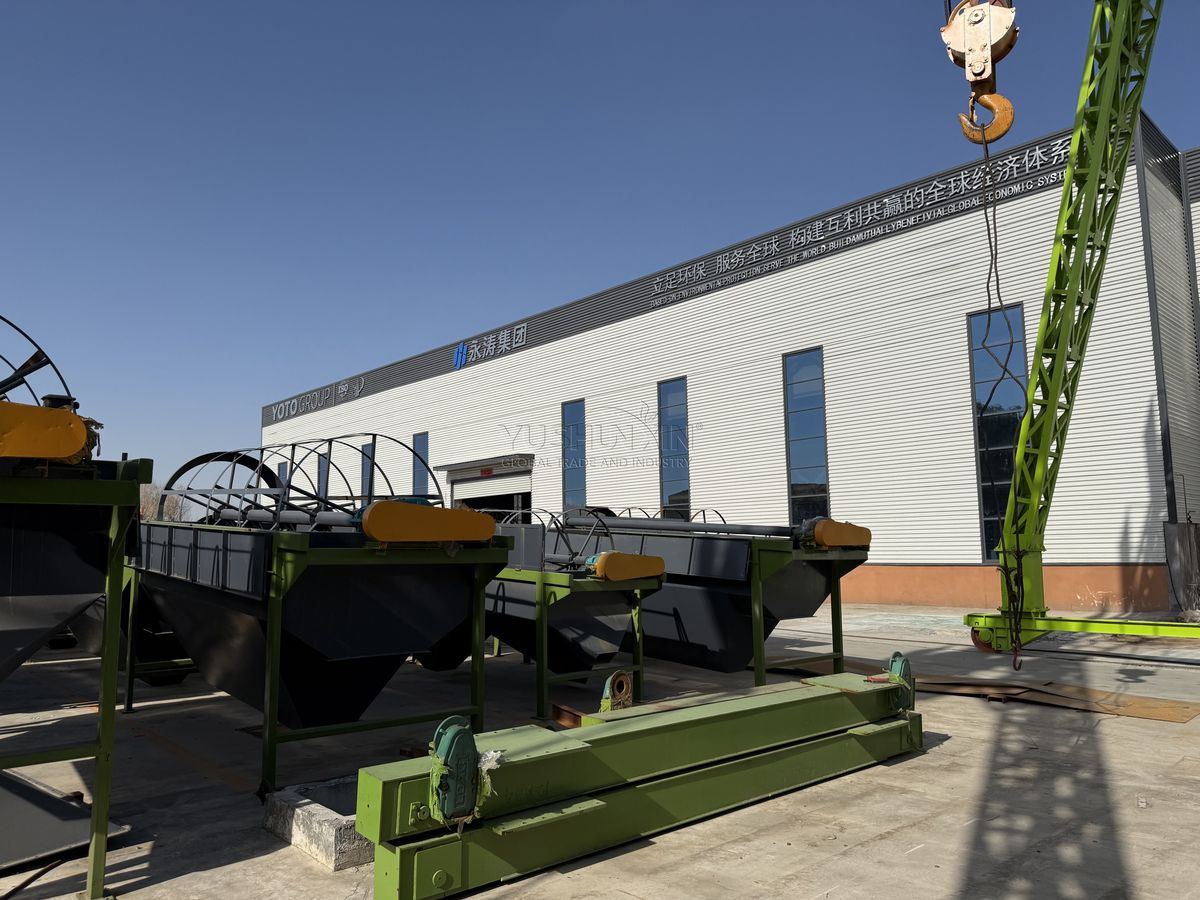
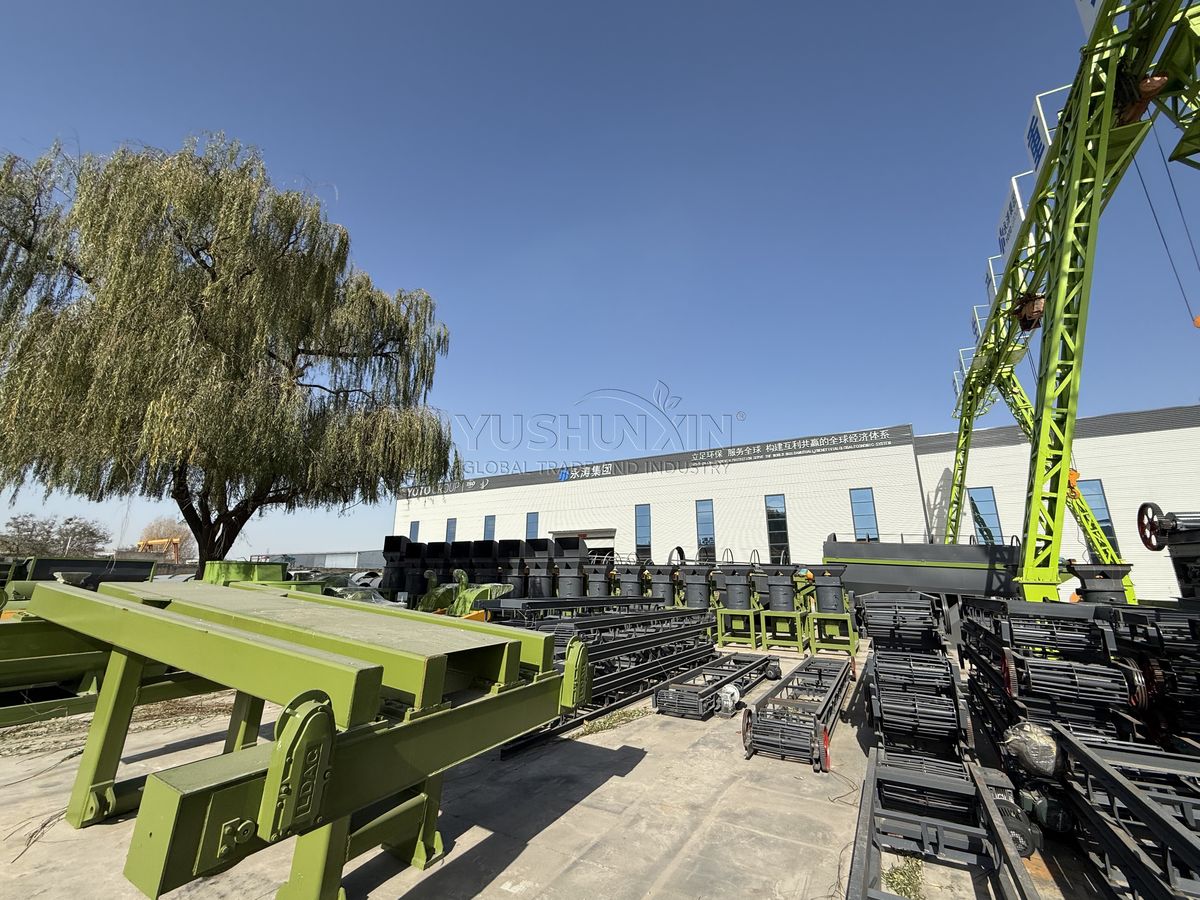
A farm-scale powder line begins with a solid liquid separator, a compost turner, a crusher, a screener and a packing scale, and is the lowest-investment way to sell organic fertilizer. A complete granule line costs substantially more because granulation, drying, cooling, coating, conveying and dust removal are added. Price is driven by daily manure volume, moisture, the fertilizer form and the automation level. Send us your animal type, daily manure tonnage and target product and we will return a full equipment list with a budget range.
Fermentation is the longest stage. Aerobic windrow composting of cattle or horse manure takes 10–15 days with turning every two to three days; poultry and pig manure blended with a carbon source matures in 7–12 days, and in-vessel fermentation tanks shorten it further with forced aeration and temperature control. Everything after composting — crushing, screening, mixing, granulating, drying and packing — is continuous and completes within hours.
You can dry and bag fresh manure, but it is a poor product: it still carries weed seeds, pathogens and a high ammonia and salt load, it smells, and it can burn crops. Composting is what converts manure into a stable organic fertilizer, destroys pathogens above 55 °C, and concentrates the organic matter. Every serious commercial operation ferments first, and most certification schemes require it.
Poultry manure has the highest nitrogen, phosphorus and calcium content and sells at the highest nutrient analysis, but it needs drying and deodorising before it can be handled. Cow dung produces the largest volume of high-quality humus and composts most easily, which is why it dominates organic fertilizer production worldwide. Horse manure mixed with bedding composts well for the landscaping and nursery market, and goat manure is the simplest small-scale material because it dries and composts quickly.
Only if you granulate. Compost leaves fermentation at 55–65% moisture, and disc or drum granulation needs roughly 25–35%, so wet granules must be dried to 12–14% in a rotary dryer and then cooled. A powder fertilizer line needs no dryer at all — the compost is air-dried, crushed, screened and bagged, which is why powder lines are so much cheaper to build and to run.
A 5 t/h granule line running eight hours a day produces about 40 tonnes of finished fertilizer per shift. Because composting reduces volume by 30–40%, the plant consumes roughly 55–65 tonnes of raw manure per day, which is the output of about 300–400 head of cattle, or 60,000–90,000 laying hens depending on the housing system.
Yes. Every project is supplied with a factory layout drawing, equipment foundation drawings and an electrical and piping schematic. A YUSHUNXIN engineer attends the site for installation and commissioning, trains your operators on start-up, normal running, maintenance and fault finding, and our service team supports the plant remotely for the life of the equipment.
Five things: (1) the animal and the manure type, including whether it is fresh slurry or dried; (2) the daily manure volume or head count; (3) the fertilizer you want to sell — compost, powder or granules, organic or organic-inorganic; (4) your country and site conditions, including climate and available power; and (5) your automation and budget expectations. With those five answers we can propose a process route and an equipment list the same week.
Complete manure to fertilizer solutions: separation, fermentation, crushing, screening, granulation, drying and baggin…
Read more →Manure treatment equipment that makes raw animal slurry handleable: solid liquid separators, dewatering machines, drye…
Read more →Manure composting systems: windrow, groove and in-vessel fermentation, how to design the pile, control temperature, ju…
Read more →Manure fertilizer machines that turn compost into a product: granulators, pellet machines, powder lines, coaters, cool…
Read more →Complete manure fertilizer production lines from 1 to 30 t/h: separation, fermentation, batching, granulation, drying,…
Read more →Manure management guidance for every farm animal: how cow, pig, poultry, horse and goat manure differ, how to handle a…
Read more →Send your raw material, target capacity and country. Our engineers reply within one working day with a process route, equipment list and budget.
Send us your raw material and target capacity — we will propose the process, the machines and the budget.
Send your raw material and target capacity — our engineers reply within one working day with a process route, equipment list and budget.
Our engineering team will reply within one working day. For anything urgent, message us on WhatsApp.
Open WhatsApp