
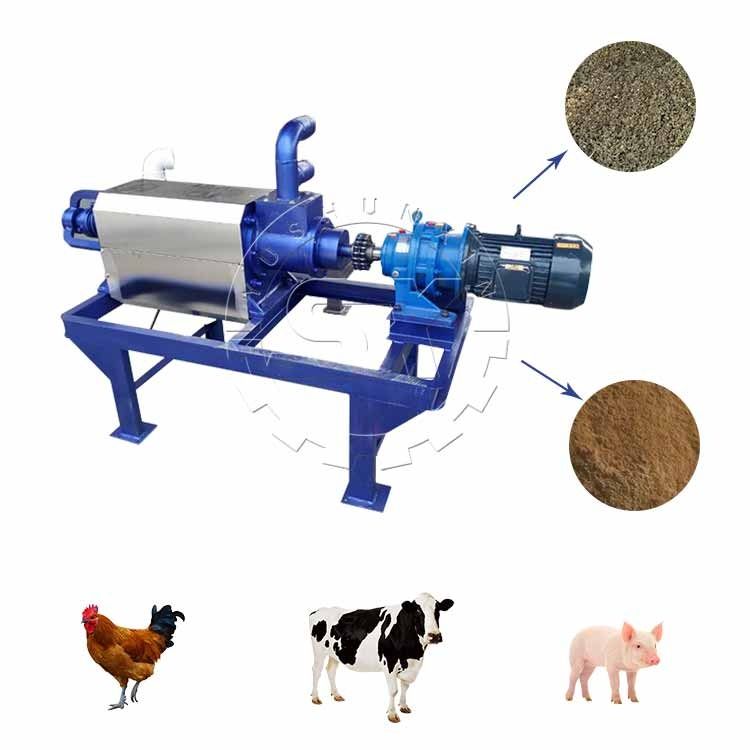
Manure Treatment Equipment
Manure treatment equipment that makes raw animal slurry handleable: solid liquid separators, dewatering machines, drye…
Read more →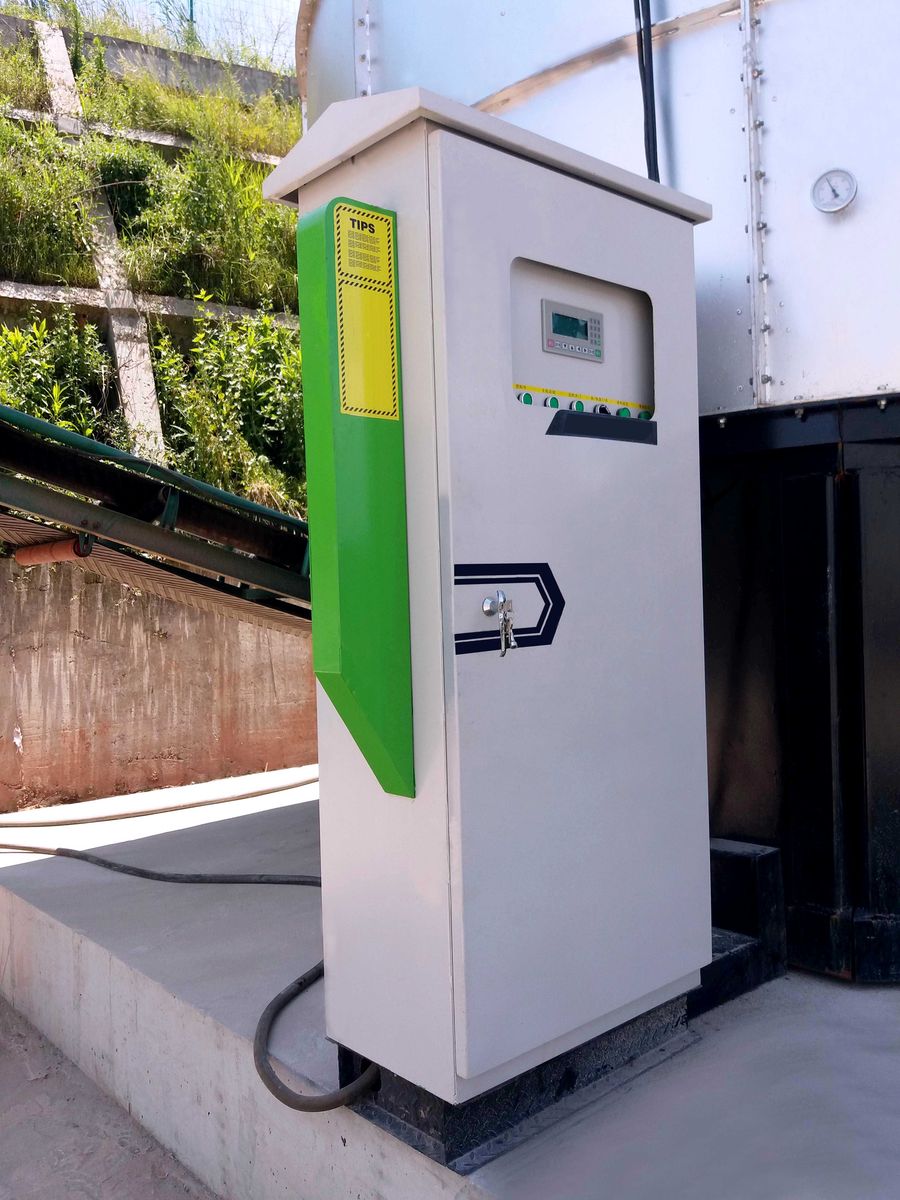
Poultry manure carries more nitrogen, phosphorus and calcium than any other common farm manure, and more ammonia, salt and pathogens. Handling it properly is what turns a disposal problem into a profitable product line.
Poultry manure is a paradox. On a dry basis it contains more nitrogen, phosphorus and calcium than cattle or pig manure, which makes it the most valuable common farm manure and the reason poultry fertilizer sells at a premium. It also contains more ammonia, more soluble salt and more pathogens, and it attracts flies within hours of being removed from the shed. Fresh layer manure at 60–75% moisture releases ammonia immediately, and spreading it directly on a field can burn the crop it was meant to feed.
The process therefore starts differently. Where cattle slurry goes straight to a separator, poultry manure goes first to drying and deodorising. Drying drives off most of the ammonia and kills the fly larvae; a deodorising agent or a forced-aeration stage then removes the residual smell. Only after that is the material blended with a carbon source such as straw or rice hull and fermented for 7–12 days with regular turning, which stabilises the remaining nitrogen and brings the material to a mature, earthy compost.
The payoff is substantial. Poultry manure that has been correctly dried, fermented and granulated can be sold as a high-analysis organic fertilizer, and the equipment usually pays for itself on the value of the product alone rather than on any disposal cost avoided. Because the material is so reactive, however, process control matters more than on any other manure: temperature, turning frequency and moisture determine whether you end up with fertilizer or with a smell problem.
Manure leaves the belt or the pit at 60–75% moisture. Air drying under cover, a rotary manure dryer or a belt dryer reduces this to 30–40%, driving off ammonia and killing fly larvae in the process.
A deodorising agent or a biological inoculant is blended in, together with straw, rice hull or sawdust to lift the carbon-to-nitrogen ratio and open the material for airflow.
In-vessel tanks with forced aeration, or covered channels with a groove-type turner, hold the pile at 55–65 °C for 7–12 days. Covering the fermentation area is what keeps odour inside the plant rather than in the neighbourhood.
Cage mill or semi-wet crushing below 3 mm, then screening to remove stones, feathers, plastic and lumps. This is where the visual quality of the final product is decided.
Disc, drum or stirring-tooth granulation with a binder, then drying to 12–14%, cooling, coating and grading into uniform pellets.
Automatic weighing and sealing into 25 kg, 40 kg or 50 kg bags with a batch number and a declared analysis on the label.
| Operation | Daily manure | Recommended process | Key equipment |
|---|---|---|---|
| Small layer farm | 1–5 t/day | Covered air drying, windrow fermentation, powder product | Deodorising mixer, small turner, crusher, screener, packing scale |
| Commercial layer farm | 5–20 t/day | Rotary drying, forced-aeration fermentation, powder or pellets | Manure dryer, fermentation tank or groove turner, cage mill, screener, disc granulator, dryer, cooler, packer |
| Integrator or large farm | 20–60 t/day | Belt or rotary drying, in-vessel fermentation, granule line | Full granule line with automatic batching, large dryer, dust collection, automatic bagging and palletising |
| Broiler litter processor | 10–40 t/day | Drying, screening, pelletising into fuel or fertilizer | Dryer, destoner, hammer mill, pellet mill, cooler, bagger |
Chicken waste can become superior organic fertilizer by proper disposal. Aerobic composting will be your best choice to turn chicken poop into organic fertilizer. In addition, you can also make commercial organic fertilizer to sale by subsequent process, such as crushing, screening, granulating, packing and so on. In terms of chicken waste disposal equipment and process, we will make a detailed analysis below.
You can dispose chicken manure by composting. Chicken manure contains much nutrient elements, but you cannot apply it to soil and plants directly. On the one hand, chicken waste is too strong, which may damage roots and even kill your plants. On the other hand, chicken waste contains pathogens, weed seeds and eggs, which will pollute plants and soil.
However, the heat generated by the degradation of organism during composting will kill mentioned harmful materials. After fully fermentation, chicken waste will become nutrient-rich compost, which is a good soil amendment and is good fertilizer for plants. If you want to make commercial chicken manure fertilizer, you can produce powdery or granular chicken manure fertilizer. And you may need chicken manure composting machine, compost crusher, compost screen, chicken manure granulator, fertilizer packaging machine and so on. All mentioned chicken manure disposal equipment will be you best assistants.
After composting, chicken waste can become chicken waste fertilizer, which can be used as base fertilizer. Then, you can deeply process it to make bagged chicken manure fertilizer powder or pellets. They are available for both chicken farm waste management and organic fertilizer factory.The necessary processes include:
You need to pile up chicken manure and auxiliary materials (straw, sawdust and rice hull, etc.) on the ground or in fermentation grooves. And then you need to mix them evenly. When the temperature of compost pile reaches 60-70℃, you should start to turn it regularly. Finally, you can get high-quality chicken manure compost, when the temperature never change, odor disappears and the compost become loose and black.
For more information about Shunxin compost turner, please contact us!
After long time stack, there may exist caking and bulks in the chicken manure compost. Therefore, we need to deal with chicken manure compost by compost crusher. On the one hand, you can make fine chicken manure fertilizer powder. On the other hand, fine fertilizer powder can make granulating process much smoother.
This process is mainly for selecting out impurities, such as stone, undecomposed materials or larger things. The purity of chicken manure fertilizer also decides its quality. If you just want to produce chicken manure fertilizer powder, you can package it after screening. If you want to make organic chicken fertilizer pellets, you need to granulate it.
Crushing and screening are preparations for granulating process. Because fine and pure compost fertilizer is more easily for granulating. The granulating process is used for making pelleted chicken manure organic fertilizer. With the mechanical force and water, Shunxin chicken manure pelleting equipment can convert powdery chicken manure fertilizer into uniform and beautiful pellets. Compared with fertilizer powder, fertilizer pellets are more convenient for application, storage and transportation.
Packing process is used for producing bagged chicken poop fertilizer. You can make 25kg or 50 kg for each bag. In this process, you can adopt Shunxin fertilizer packaging machine, which can greatly improve packing efficiency and save workforce.
If you want to make fertilizer production line, we can provide your professional design!
Now that the above-mentioned processes can help you to make chicken poop fertilizer, what equipment can we adopt to finish these works. As a professional organic fertilizer equipment manufacturer, we recommend the following chicken waste disposal equipment to you.
Compost turner can evenly stir chicken waste heap. During composting, microorganisms will convert organic matters into nutrients by consuming oxygen, water and producing heat. By turning, the heat in the center of compost pile will be released and aerate compost pile, so as to accelerate composting process and improve quality of chicken manure compost.
Compost turner for turning chicken manure in fermentation groove: You need to build two or more grooves for placing chicken waste. The groove type compost turner will move on the paralleled walls of groove, while turning the chicken waste. You can control it by electric control cabinet.
Windrow compost turner for composting chicken waste: After collecting chicken manure, you can pile it up in long rows with auxiliary materials. You can decide the size by the model of windrow compost turner. Windrow compost turner is easy for operation and belongs to diesel powered machinery.
As an important chicken waste disposal equipment, manure pellet machine is essential for commercial chicken poo fertilizer production. There are three types chicken manure granulators:
Disc granulator: Disc granulator adopts wet granulation. With the help of water, the rotating disc can convert chicken manure powder into pellets by centrifugal force. Meanwhile, with the rotation of disc, qualified pellets will overflow and smaller pellets will continue to become bigger.
Rotary drum stirring granulator: The pellets made by this granulator is more perfect on appearance and size. It can finish mixing, granulating and polishing.
In a word, all of them has higher granulation rate. And they are easy for operation and has higher working efficiency and multiple models.
Chicken manure dewatering machine: The suitable water content for composting is 50% to 60% (gripping a handful chicken manure, water strain can be seen, but without dropping and the chicken manure disperse once falling to the ground). Here you can adopt chicken manure dewatering machine, which can separate extra water from manure. Its minimum water content can achieve 30% to 40%.
Compost crusher and screen: Shunxin new type vertical crusher and rotary screen machine can make fine and pure chicken manure fertilizer powder. The screening levels of compost screen usually are two or three.
Chicken manure pellets drying and cooling machines: They can remove extra moisture and maintain normal temperature of pellets. You can utilize hot blast furnace to supply hot air, and dust collector to collect produced dust.
There are three factors decide the cost of chicken waste disposal equipment, model (capacity), type of single equipment and the type and quantity of equipment for production line. The powdery chicken manure fertilizer production line needs less equipment, including composting equipment, compost crusher, compost screen and packing machine. On the contrary, chicken manure fertilizer pellets production is more complex, which includes compost turner, crushing equipment, screening machine, granulator, drying and cooling machine and packing machine. The selection of equipment and capacity of these equipment greatly influence the cost of chicken waste disposal.
In order to minimize the disposal cost, you can tell us your budget, disposal plan and actual requirements. Our engineer can design reasonable proposal and recommend suitable equipment to you.
Photographed in our Xingyang workshop and on customer sites. Watermark-free, no phone numbers.
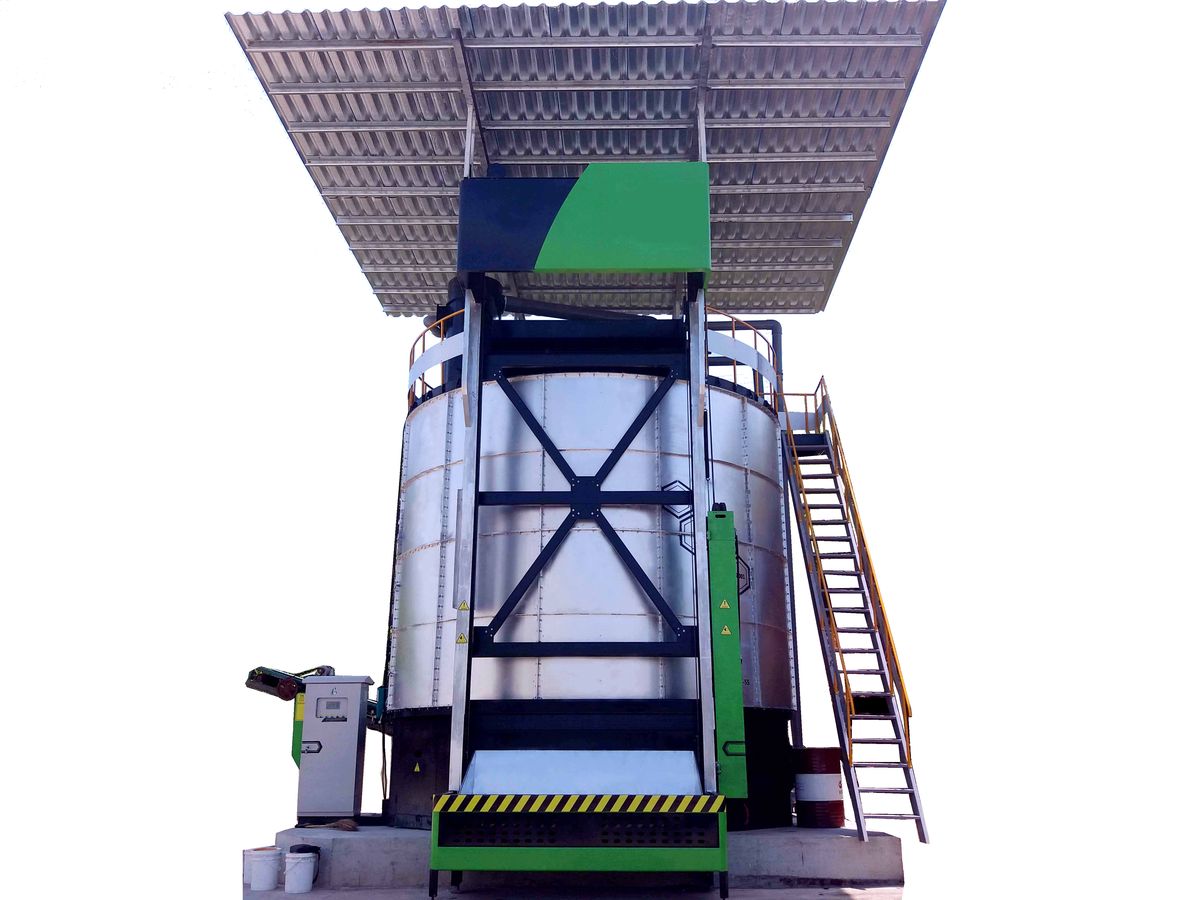
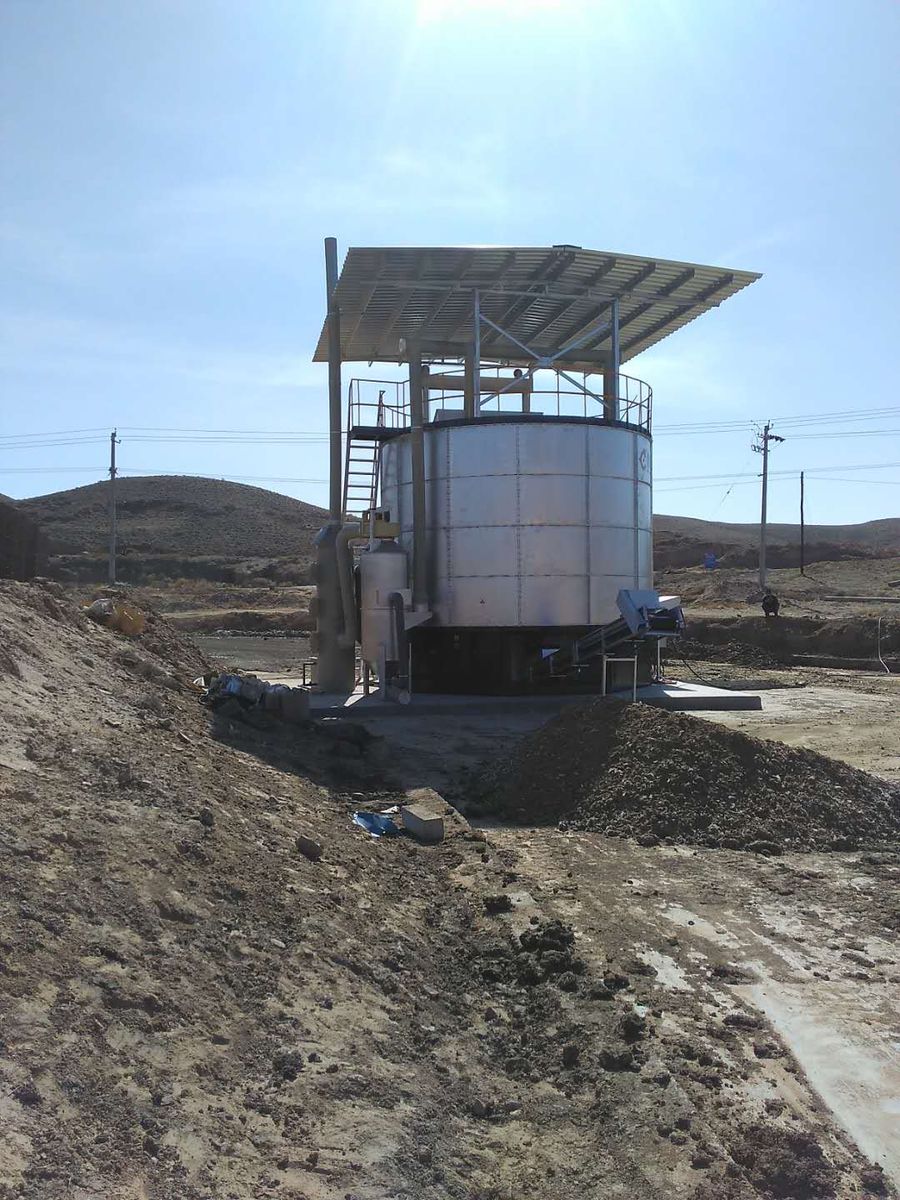
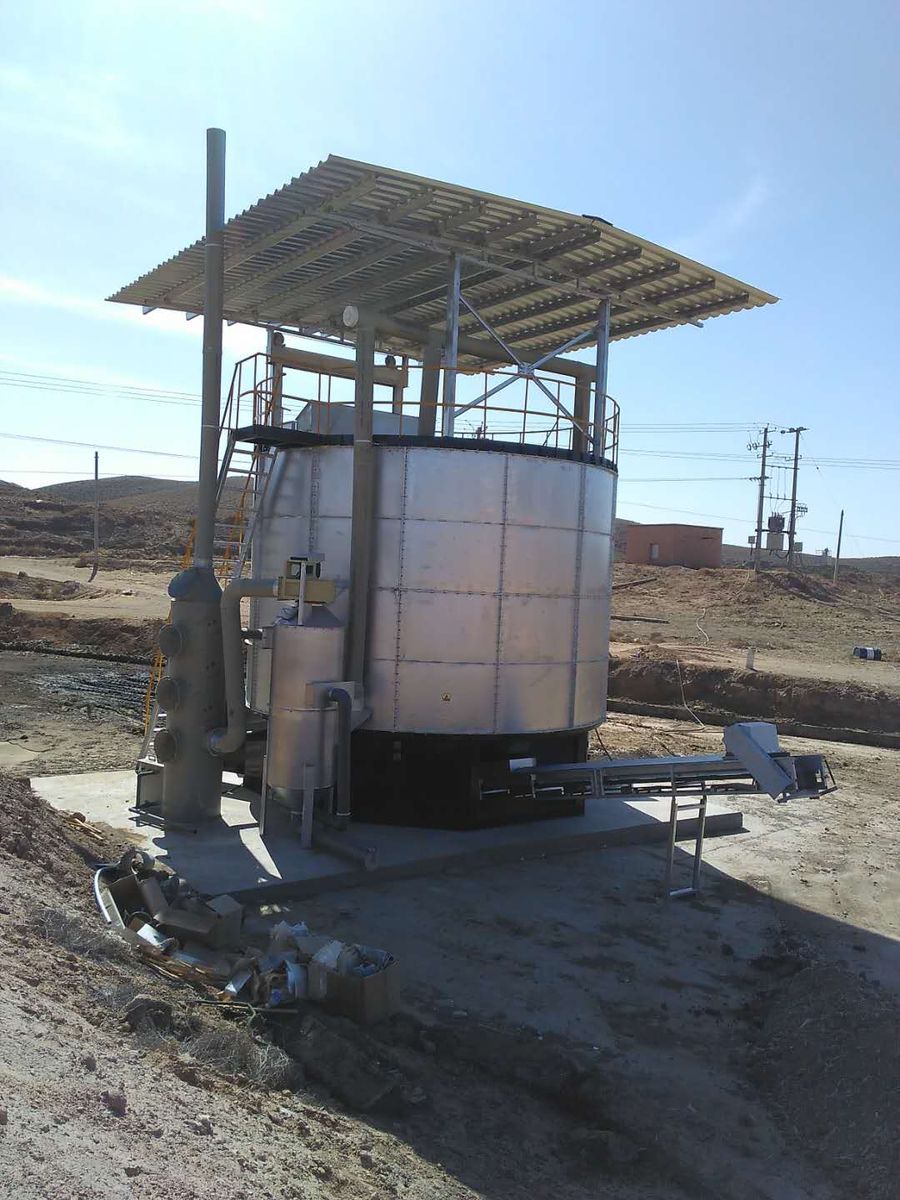
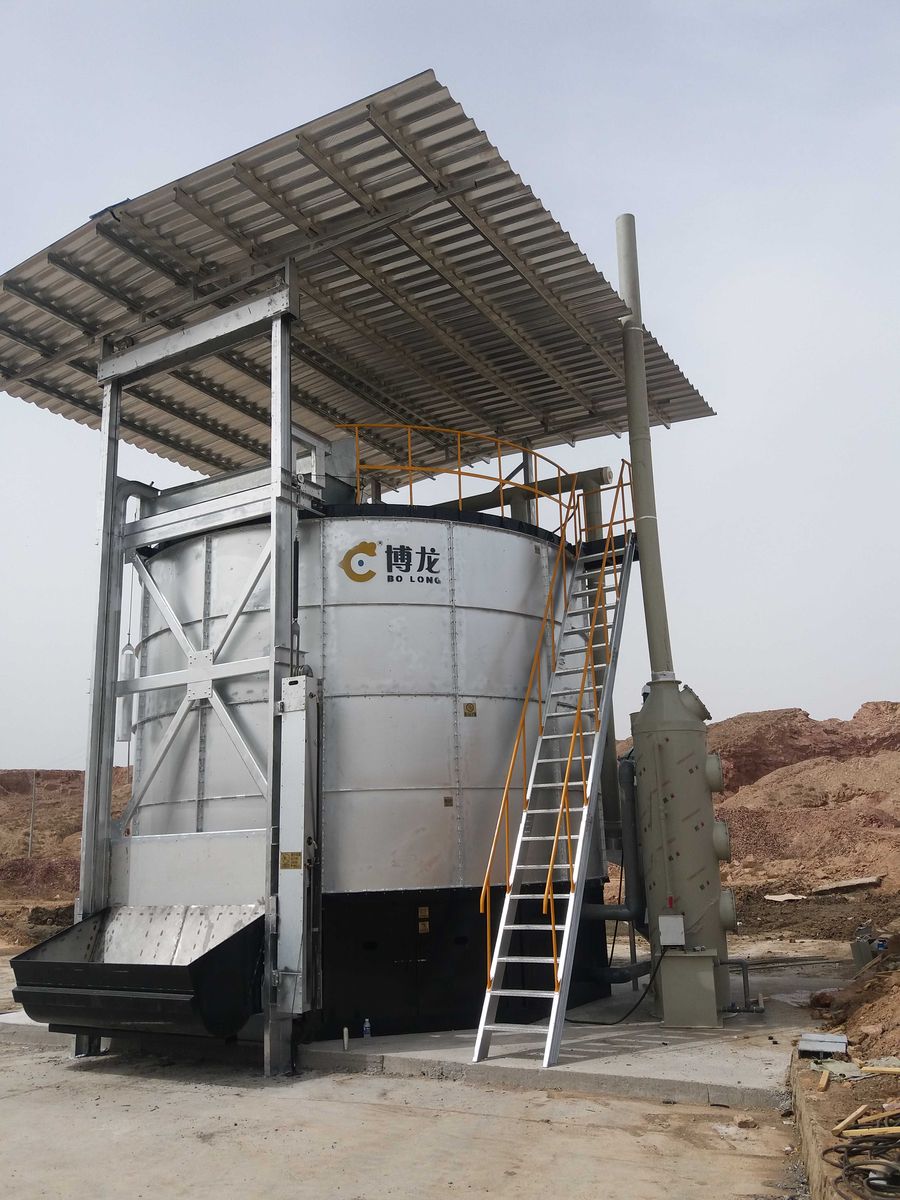
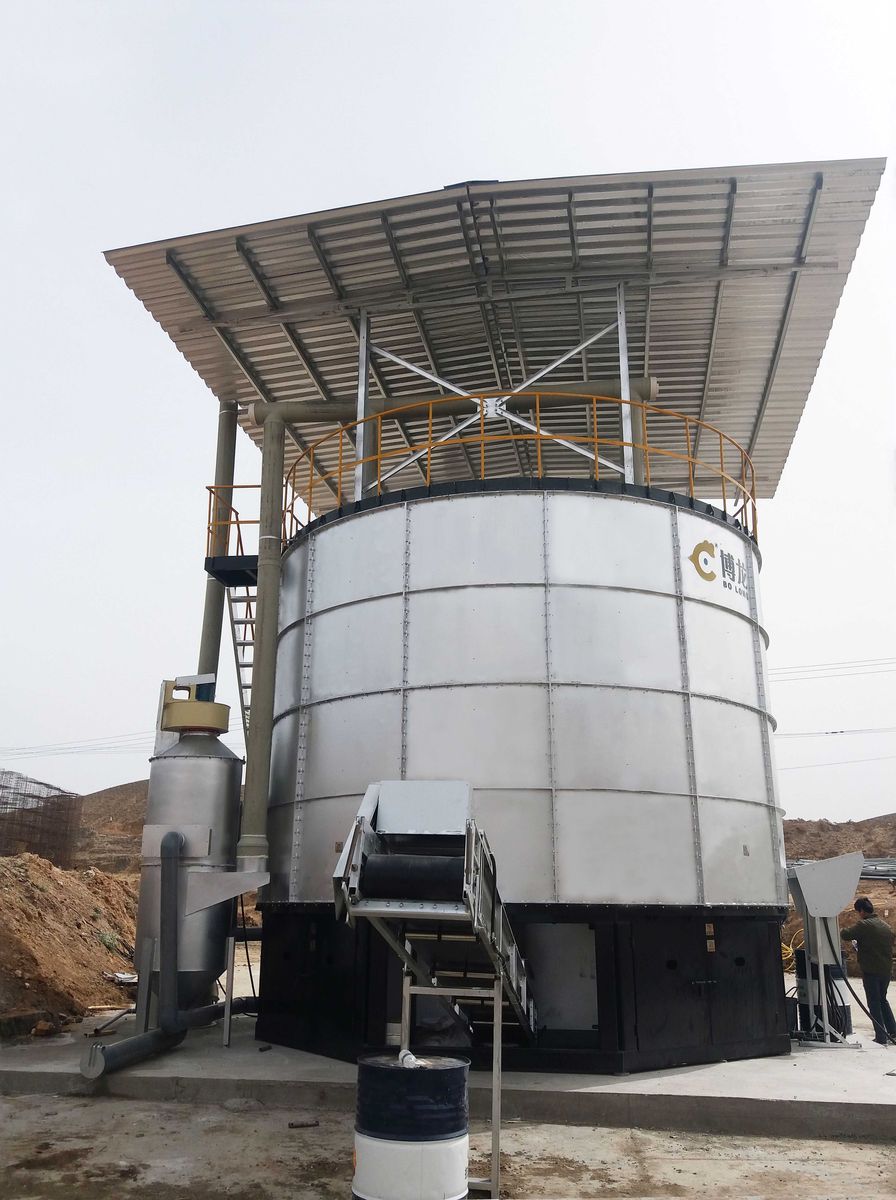
In four stages: dry it to 30–40% moisture to drive off ammonia and kill fly larvae, blend it with a carbon source and a deodorising agent, ferment it at 55–65 °C for 7–12 days with regular turning, then crush, screen and either bag it as powder or granulate, dry and bag it as pellets. The drying and deodorising stages are what distinguish poultry manure processing from cattle manure processing.
Odour comes from anaerobic decomposition and from ammonia release. Three measures control it: remove manure from the shed frequently, blend it with a carbon source so the carbon-to-nitrogen ratio sits above 25:1, and keep the fermentation aerobic by turning and by holding 50–60% moisture. Where the plant is close to homes, covering the fermentation area and passing exhaust air through a biological deodorising filter is the decisive step.
It should not be. Fresh poultry manure is high in soluble ammonia and salt, carries pathogens and weed seeds, and will burn germinating crops. Composting above 55 °C for several days destroys the pathogens and stabilises the nitrogen, and drying reduces the salt load. This is exactly the sequence the equipment is designed to perform.
Poultry manure fertilizer normally commands a higher price than cattle manure fertilizer because its nitrogen, phosphorus and calcium content are higher, which lets you declare a stronger analysis on the bag. Its value is further increased by granulation, because pellets can be spread mechanically and stored without caking. The actual price depends entirely on your local market, and we recommend confirming it with a distributor before finalising the plant specification.
Usually yes, or at least partially. Manure at 60–75% moisture blended directly into a pile produces a dense, airless mass, and the ammonia release during fermentation is severe. Drying to 30–40% first, or pre-mixing with a large proportion of dry straw, makes the fermentation controllable and dramatically reduces odour.
Manure treatment equipment that makes raw animal slurry handleable: solid liquid separators, dewatering machines, drye…
Read more →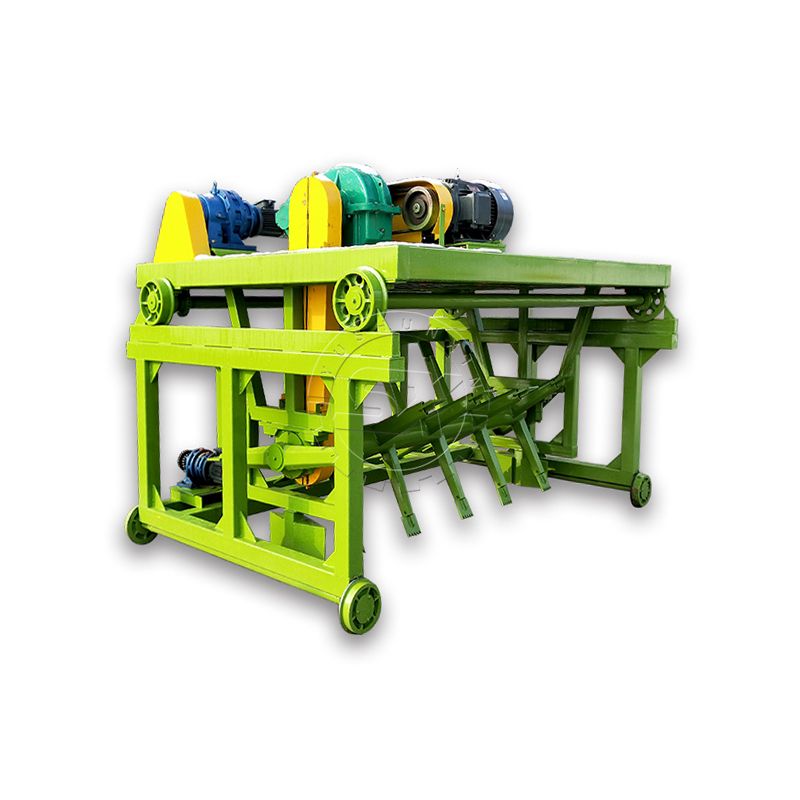
Chicken manure composting systems with forced aeration and enclosed fermentation, cutting the cycle to 7–10 days while…
Read more →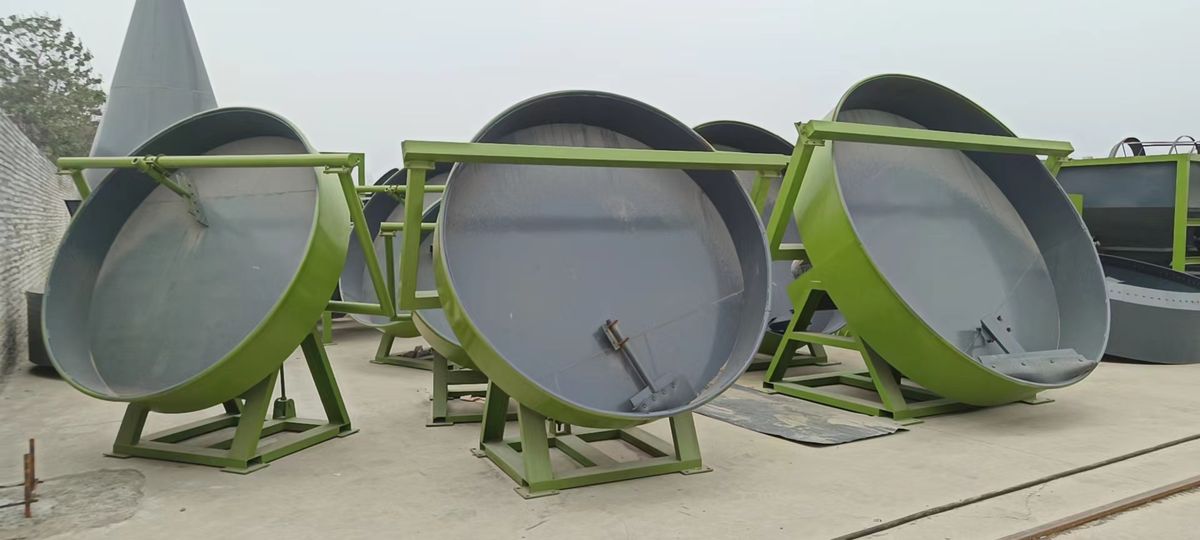
Chicken manure pellet machines that turn fermented poultry manure into 3–5 mm organic fertilizer pellets, with the dry…
Read more →How to manage poultry waste: shed practice, drying, deodorising, composting, and converting poultry manure into a regi…
Read more →Send your raw material, target capacity and country. Our engineers reply within one working day with a process route, equipment list and budget.
Send us your raw material and target capacity — we will propose the process, the machines and the budget.
Send your raw material and target capacity — our engineers reply within one working day with a process route, equipment list and budget.
Our engineering team will reply within one working day. For anything urgent, message us on WhatsApp.
Open WhatsApp