
Manure Separator
Manure separators dewater pig, cow and poultry slurry from 90% to 60–65% moisture in one pass, so solids can be compos…
Read more →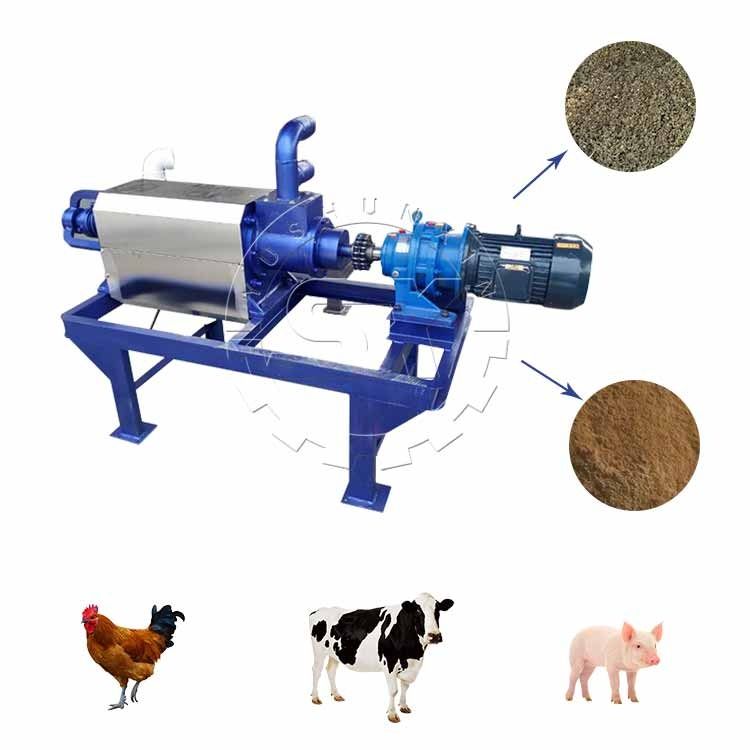
Fresh dairy slurry is around 80–90% water. Removing it is the cheapest operation in the whole fertilizer process — and the one that makes composting possible in the first place.
A dairy cow produces roughly 15–20 tonnes of manure a year, and around 85% of the weight as produced is water. Hauling that water to a field or a composting pad costs the same per tonne as hauling the solid, so the first economic argument for dewatering is transport. The second is composting: cattle slurry at 85% moisture cannot be piled higher than about 60 cm without collapsing into an anaerobic mass, cannot be turned effectively, will not hold thermophilic temperature and will produce odour rather than compost.
After dewatering, everything downstream becomes smaller and cheaper. The fermentation floor shrinks because piles can be built to 1.2–1.8 m. The turner can work at its designed width and capacity. Composting finishes in 10–15 days instead of 25–30. And on a granule line, the dryer's evaporation load falls, which is where the largest single operating cost of a fertilizer plant sits.
The liquid that leaves the machine is not waste. It carries most of the potassium and a large share of the readily available ammonium nitrogen from the slurry, and it is a practical fertigation source for pasture or maize. Farms that capture and use the liquid fraction recover much of the fertilizer value that would otherwise be lost to a lagoon.
Scraped or flushed slurry from the collecting yard and parlour arrives at a reception pit. A pump with a macerator is usually fitted to break up lumps and straw before the separator.
The screw press drives the slurry against a stainless screen and discharges a solid at 55–65% moisture and a liquid fraction to a lagoon or irrigation line.
The solid is blended with straw, sawdust or rice hull at roughly 3:1 to reach a carbon-to-nitrogen ratio of 25–30:1, then piled and turned for 10–15 days.
Mature cow dung compost is crushed below 3 mm, screened, and either bagged as powder fertilizer or granulated, dried, cooled, coated and bagged as organic pellets.
| Machine | Slurry throughput | Solid moisture | Solids capture | Notes |
|---|---|---|---|---|
| Screw-press separator, 1 mm screen | 10–20 m³/h | 60–65% | High | Standard choice for dairy; balances throughput with a stackable solid |
| Screw-press separator, 0.5 mm screen | 6–12 m³/h | 60–65% | Very high | Captures finer fibre; throughput drops by 25–40% |
| Inclined screen separator | 8–15 m³/h | 65–72% | Medium | Cheapest option, very low maintenance, but wetter solid and more liquid to store |
| Drum thickener | 20–80 m³/h | 62–68% | High | For large herds and continuous operation; needs more floor space |
| Decanter centrifuge | 5–40 m³/h | 55–65% | Highest | Used where the liquid must be clean enough to reuse or discharge |
Cow dung dewatering machine is mainly used for removing extra water from fresh manure. Generally speaking, the water content of fresh manure usually is 80% to 90%, which increases the difficulty of management. With the help of manure dewatering plant, you can reduce the water content of fresh manure to 25%-40%. After dewatering, it is more convenient for you to make organic fertilizer from cow dung and direct transportation. As professional manure to fertilizer machines supplier, Shunxin provide you two kinds of cow dung dewatering machines, including cow dung dewatering screw press machine and inclined screen for solid liquid separation. And you can choose suitable machines according to your actual conditions and requirements.
Both of them adopt screw extrusion to separate liquid from solid material. However, they also have some differences, such as structure, working process and requirements on raw materials. In the following parts, we will show you details.
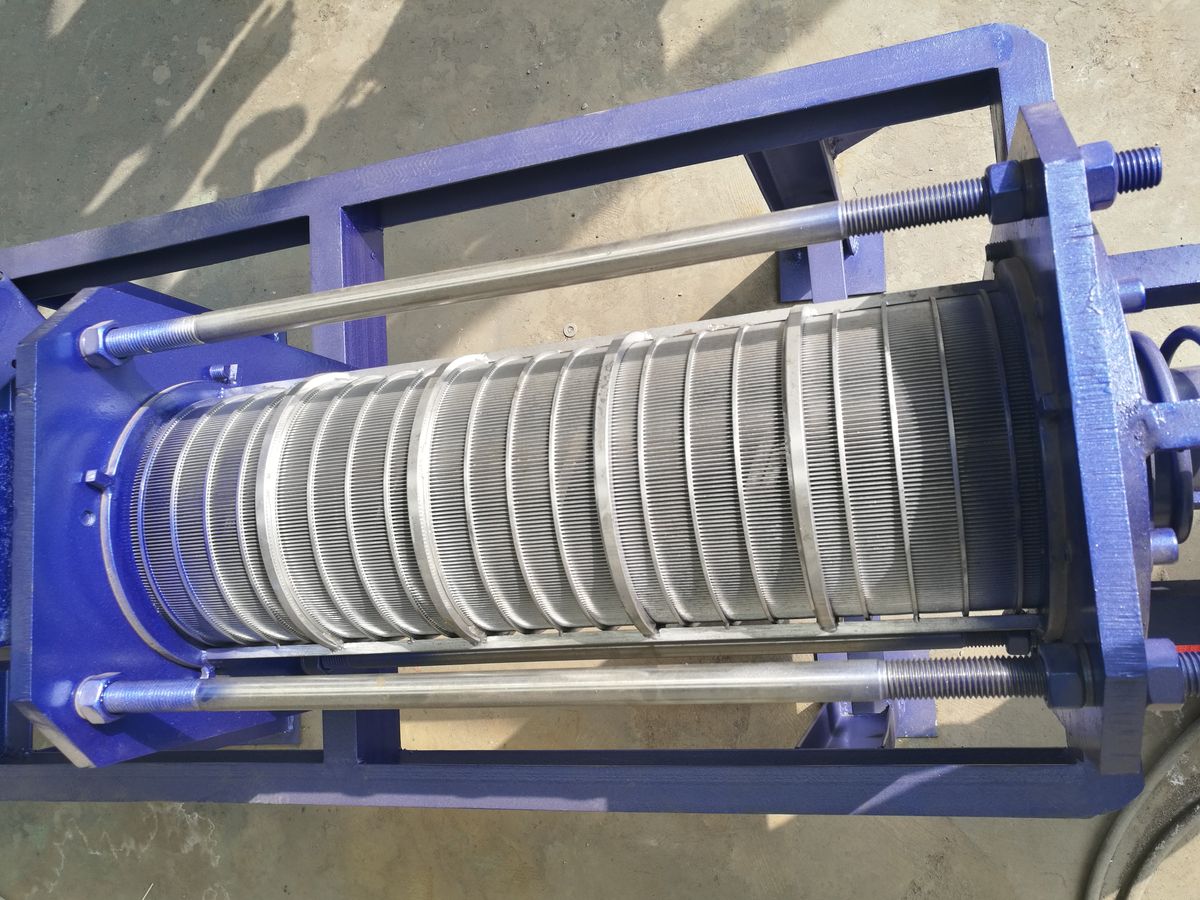
Its main parts include motor, reducer, main body (screw rod and screen), materials inlet and pump. It is available for farm manure management. The pump will help you send manure with high water to the separator. Then, the screw rod will propel manure move forward. At the same time, separated liquid will flow out from mesh of the screen, and you can use it to make biogas or plants. With the accumulation of dewatered cow manure, the outlet for solid materials will be open. And you can collect cow manure from the outlet. In addition, the moisture of dewatered manure is adjustable, you can set suitable value. After management, you can use cow manure to make compost and organic fertilizer, or you can sell them in bags. In a word, this kind of manure separator is easy to operate and has higher working efficiency.
If you are interested in this machine, Please contact us!
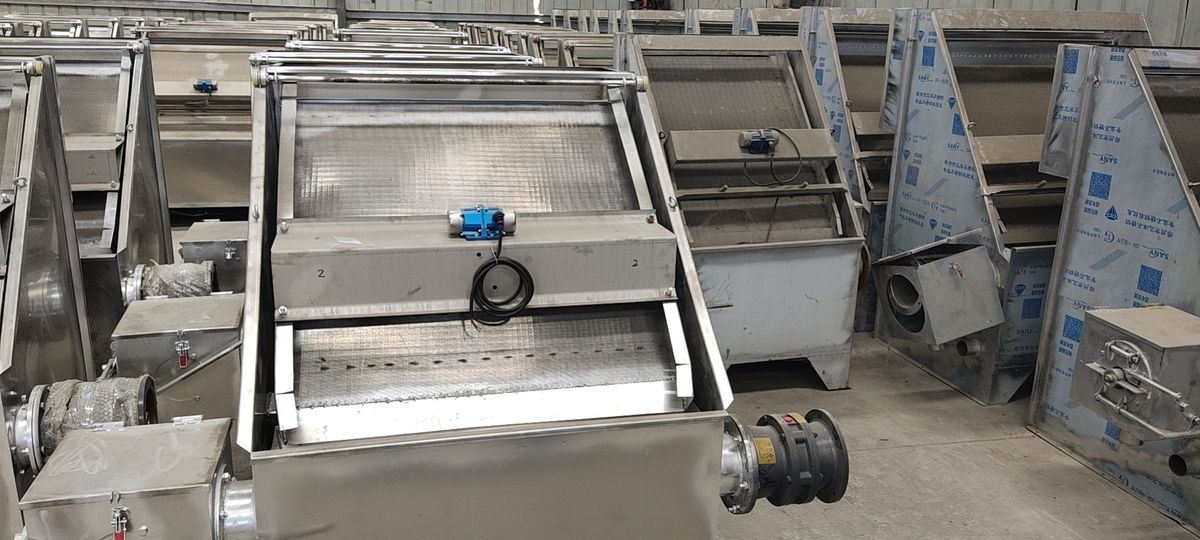
The inclined screen separator is suitable for dealing with organic waste with higher water content (about 90%), such manure cleaning by rinsing. Different with above-mentioned dewatering plant, it has an inclined screen, which will remove extra liquid quickly. Meanwhile, the solid material will stack on the bottom of inclined screen. As the quantity increases, the liquid manure will enter screw press machine for deeply dewatering. In view its capacity, you can adopt it in farm manure management ( pig manure management and horse manure disposal ), or to dispose biogas residue.
As manure dewatering screw press manufacturer, we focus on provide high-quality and efficient equipment for our customers. Therefore, you can rest assured of our equipment. In addition, we also offer different models to meet different requirements from different customers. In terms of equipment itself, it has the following advantages:
Compact structure: The design of whole machine is reasonable. It is easy for you to operate and clean.
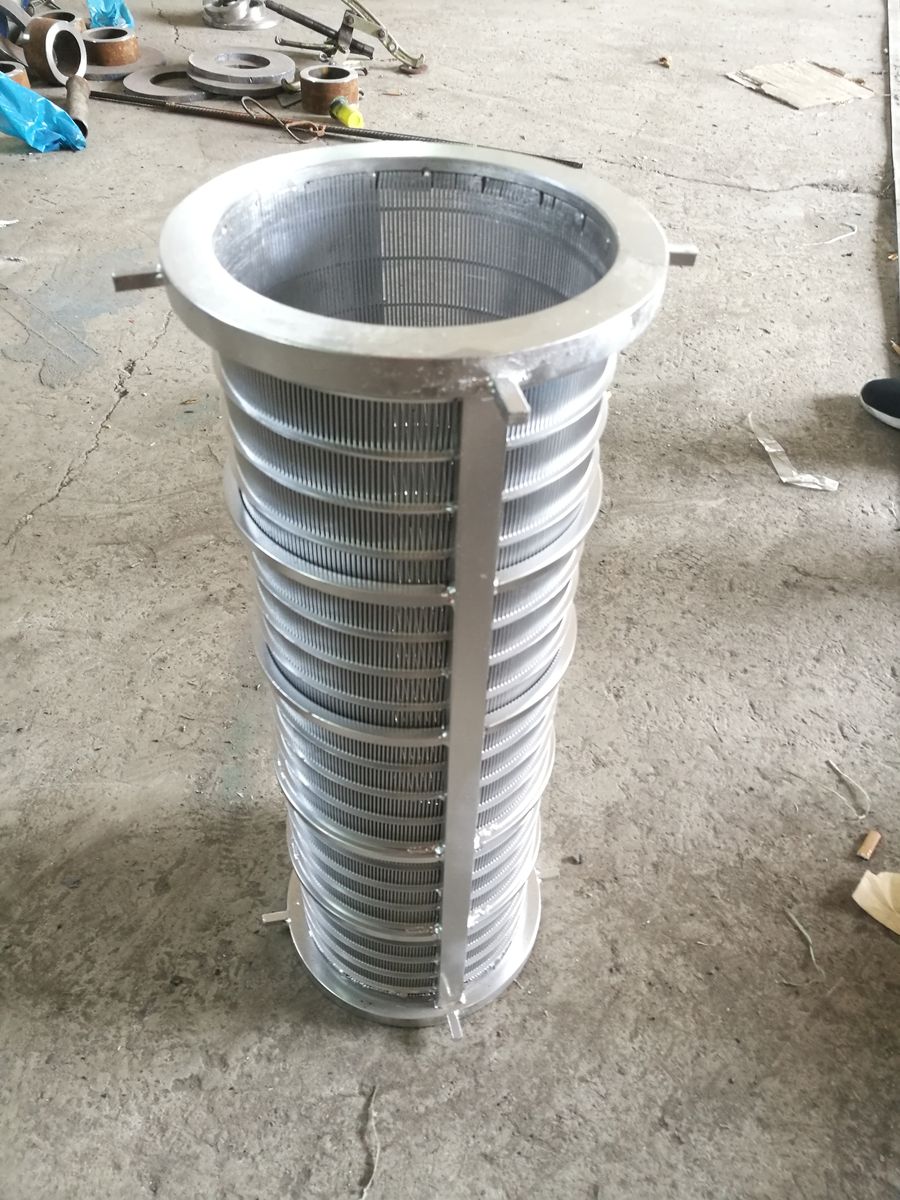
High quality material: All parts that contact with cow dung adopt SUS304, which guarantee the production capacity and longer service life. Besides, the screen adopts stainless steel with higher strength and performance.
Higher practicability: It is available for dealing with various organic wastes with high moisture. What’s more, its slag tapping quantity and dewatering level is adjustable, which can meet different requirements.
As mentioned above, Shunxin solid liquid separation machine mainly used for farm manure management. You can adopt it in pig farm, horse farm, dairy cow farm, so as to convert large amount of manure waste to drier manure for making extra profit. Because you can directly compost dewatered manure for making organic fertilizer, or you can also sell them to others. In addition to animal manure, it is suitable for dealing with the lees of wine, herb residue, biogas residue and so on. If you have other organic wastes with higher water content to dispose, you can sed your requirements to us. And our engineer will recommend suitable type and model. Furthermore, Shunxin manure separator also plays an important role in manure to fertilizer production process, such as livestock manure fertilizer production.
For the installation of cow dung dewatering machine, you should choose flat ground. In this way, you can guarantee the stability of operation. In addition, if you install the manure separator in the open air, you should prepare a shelter for it, so as to protect machine from bad weather.
For every one or two months, you should clean the cylindrical screen and screw conveyor, so as to keep the high efficiency of whole machine.
In terms of maintenance, you should coat different parts with lubricant regularly. Meanwhile, you also need to replace wearing parts in time, so as to guarantee the normal operation of machines.
No, just normal temperature. It works by motor, reducer, main body (screw rod and screen) to dry materials. In the process of its working, it doesn’t need to heat. For its working principle, it decides our products without heater can do better.
After dewatering, the moisture can be reached to 30%. The next step is yo make organic fertilizer based on dewaterd materials. In order to make organic fertilizer, the solid manure need to make fermentation. During this process, you can add some fermentation strain to improve fertilizer efficiency. Then, there are two kinds of shape you can choose, granulation shape and powder fertilizer. Aiming to different purpose, you can choose different fertilizer production line. The former you can choose cow dung granulation production system. And the latter you can use cow dung powder fertilizer machine. It is up to you.
On the one hand, the cost of cow manure separator depends on the selection of different types. Different types machines are suitable for different conditions of organic waste. On the other hand, the capacity of equipment also decides the cost. Compared with other companies, our greatest advantage is that we have our factory. That is to say, you can visit our factory to know more about and process, and we can provide customized service for you.
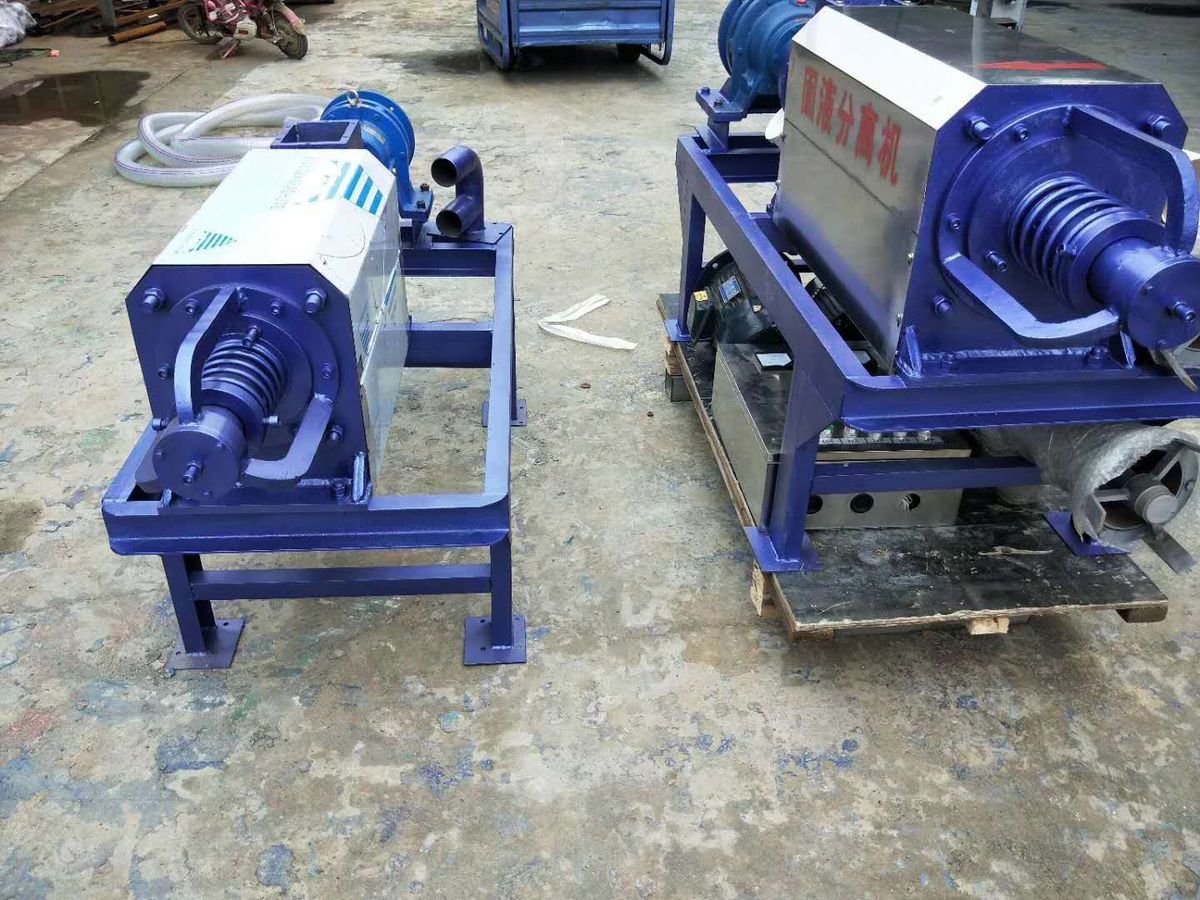
Photographed in our Xingyang workshop and on customer sites. Watermark-free, no phone numbers.
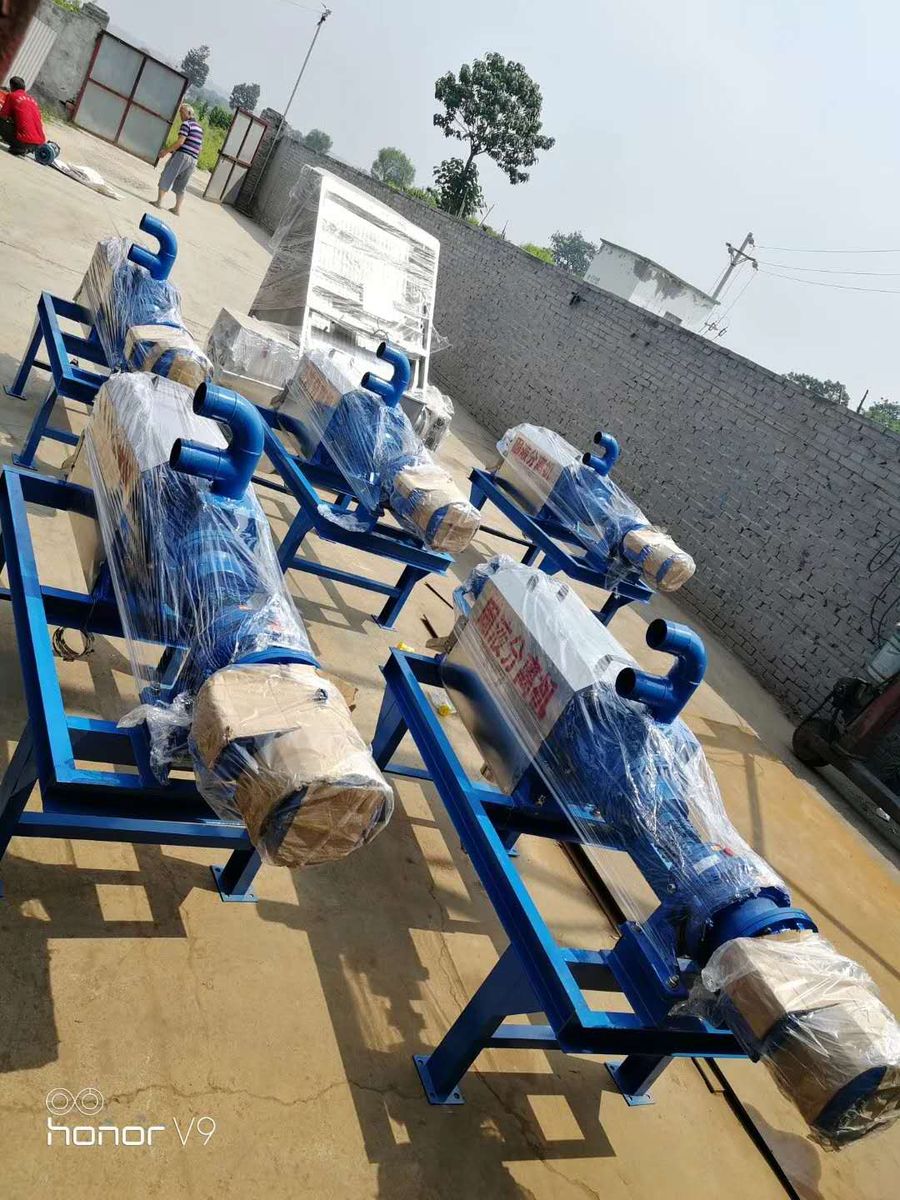
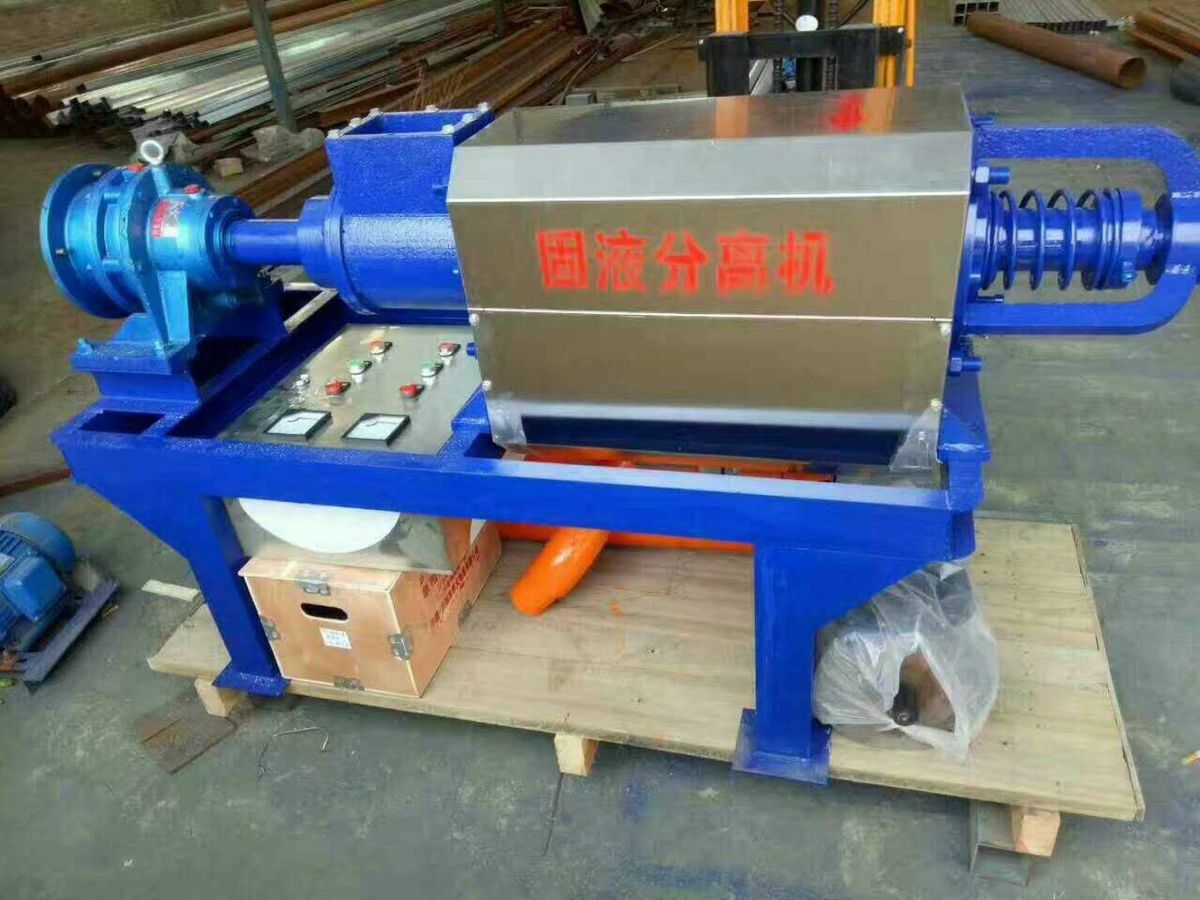
The ideal range for aerobic composting is 50–60% moisture. Fresh dairy slurry arrives at 80–90%, so separation to 60–65% followed by blending with a dry carbon source such as straw or sawdust brings the pile into range. Above 65% the pile compacts, air cannot penetrate and the process turns anaerobic.
You can dry and bag it, but it will not be a good product. Fresh cow dung still contains weed seeds, intestinal pathogens and a high ammonia load, and applying it directly can burn roots and contaminate runoff. Composting above 55 °C destroys the pathogens and weed seeds and converts the organic matter into stable humus, which is what makes it valuable as fertilizer.
A screw-press separator in the 10–20 m³/h class is usually fitted with a 4 kW main motor, with a larger drive on the 30–40 m³/h models. Machines are wound for 380 V / 50 Hz as standard and can be supplied for 220 V, 415 V, 440 V or 60 Hz. The voltage is confirmed with the order.
It is a dilute potassium and ammonium nitrogen solution suitable for fertigation of pasture, maize or forage crops, ideally through a travelling irrigator or drip system after screening. Alternatively it can feed a biogas digester, where dilute liquid is actually a better feedstock than whole slurry. Storage in a lined lagoon and adherence to local nutrient rules are essential in both cases.
Manure separators dewater pig, cow and poultry slurry from 90% to 60–65% moisture in one pass, so solids can be compos…
Read more →Manure treatment equipment that makes raw animal slurry handleable: solid liquid separators, dewatering machines, drye…
Read more →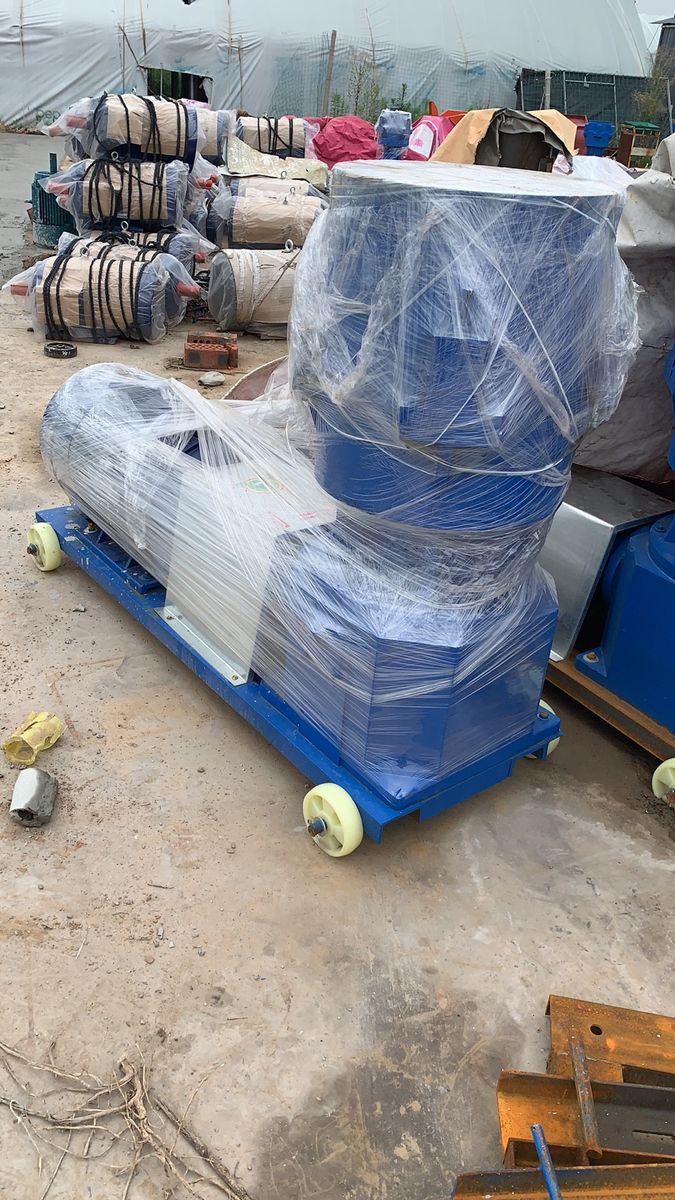
Cow dung fertilizer machines that turn cattle manure into powder or granule organic fertilizer: dewatering, composting…
Read more →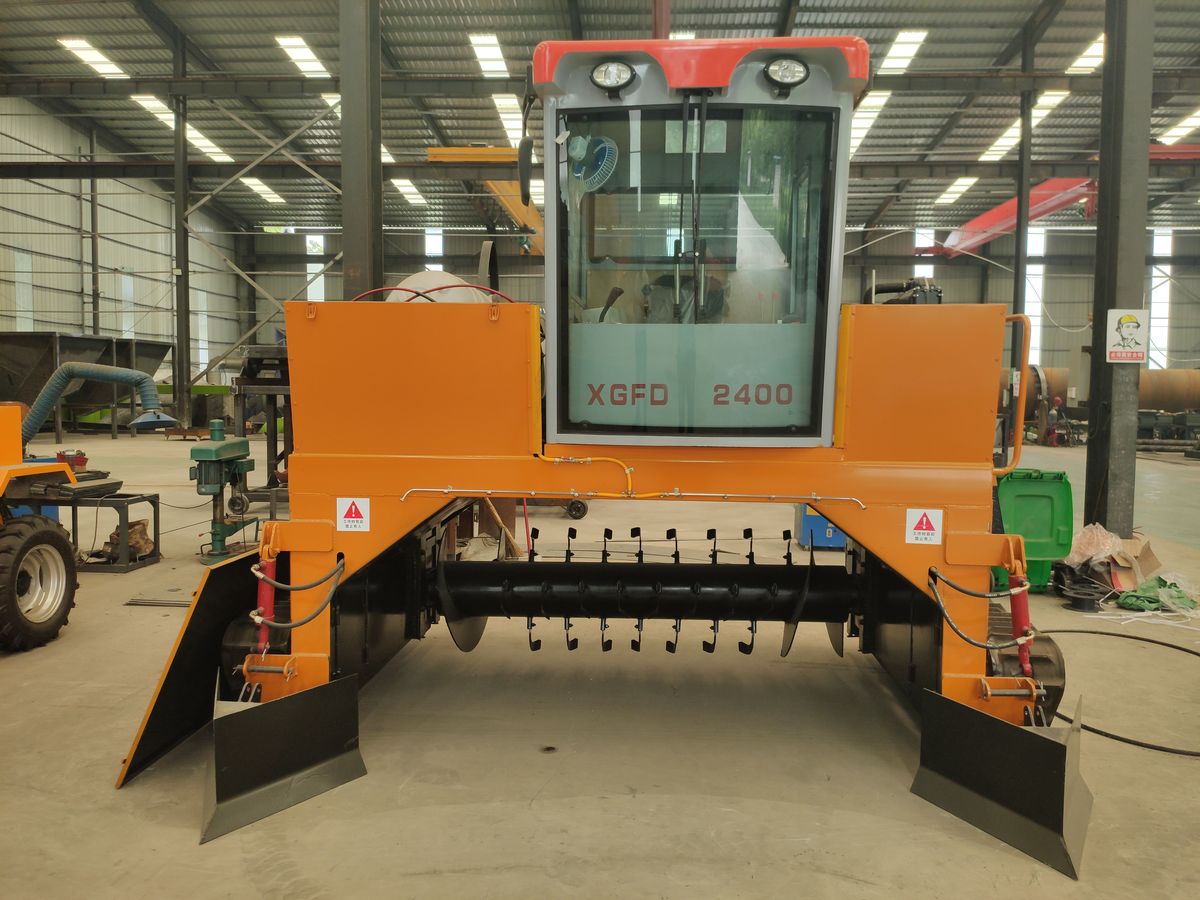
Manure composting systems: windrow, groove and in-vessel fermentation, how to design the pile, control temperature, ju…
Read more →Send your raw material, target capacity and country. Our engineers reply within one working day with a process route, equipment list and budget.
Send us your raw material and target capacity — we will propose the process, the machines and the budget.
Send your raw material and target capacity — our engineers reply within one working day with a process route, equipment list and budget.
Our engineering team will reply within one working day. For anything urgent, message us on WhatsApp.
Open WhatsApp