
Manure Composting Systems
Manure composting systems: windrow, groove and in-vessel fermentation, how to design the pile, control temperature, ju…
Read more →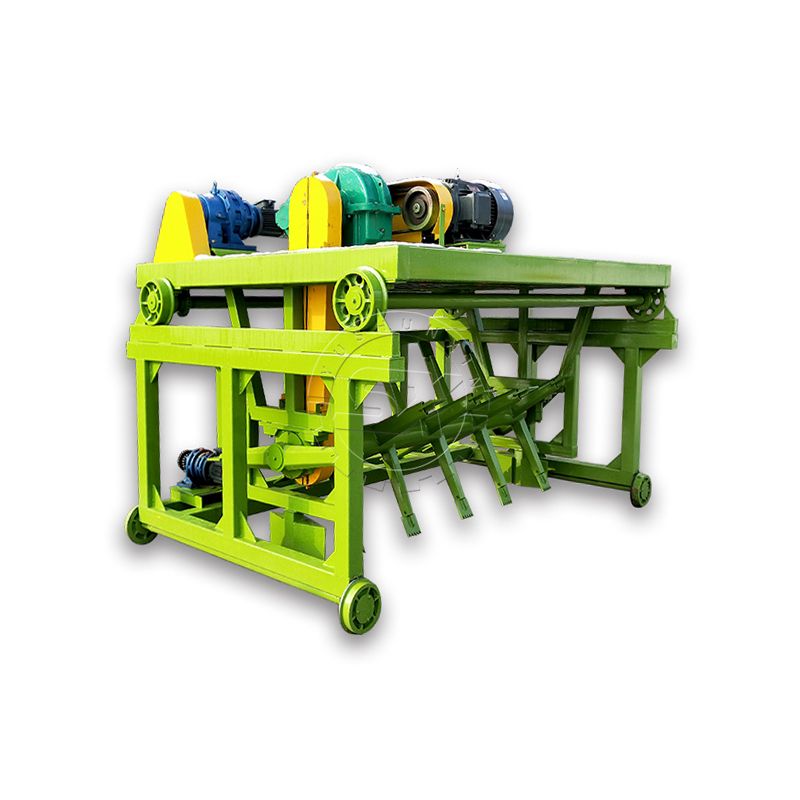
Poultry manure ferments quickly but releases ammonia and odour just as quickly. A composter with forced aeration and temperature control turns it into clean compost in 7–10 days without upsetting the neighbourhood.
Chicken manure is the most nutrient-dense of the common farm manures and the fastest to react. Left in an open windrow it will reach temperature quickly and compost well, but it will also release ammonia throughout the first week and it will attract flies to any fresh material that reaches the surface. Where the poultry house is near homes — which in most countries it is — an open pile of poultry manure is a complaint waiting to happen, regardless of how well it is managed.
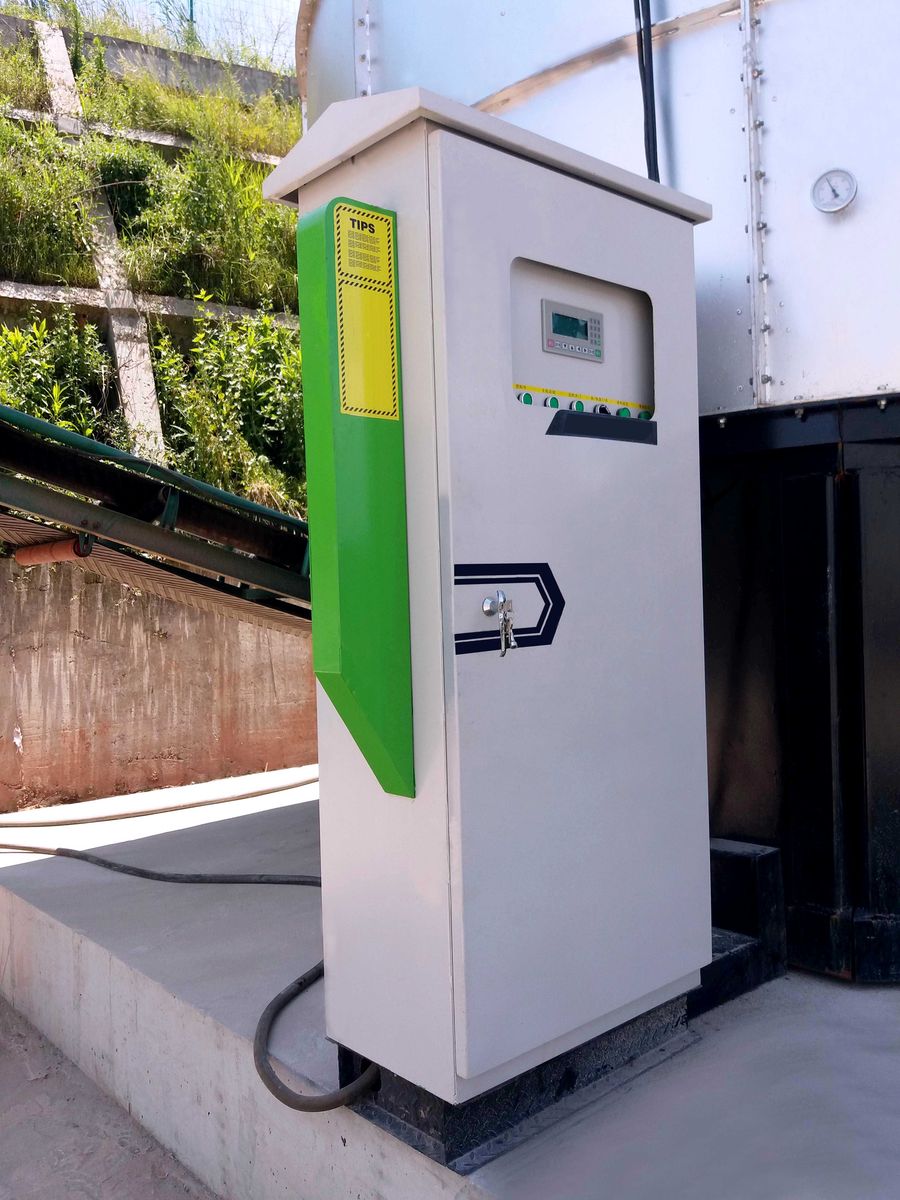
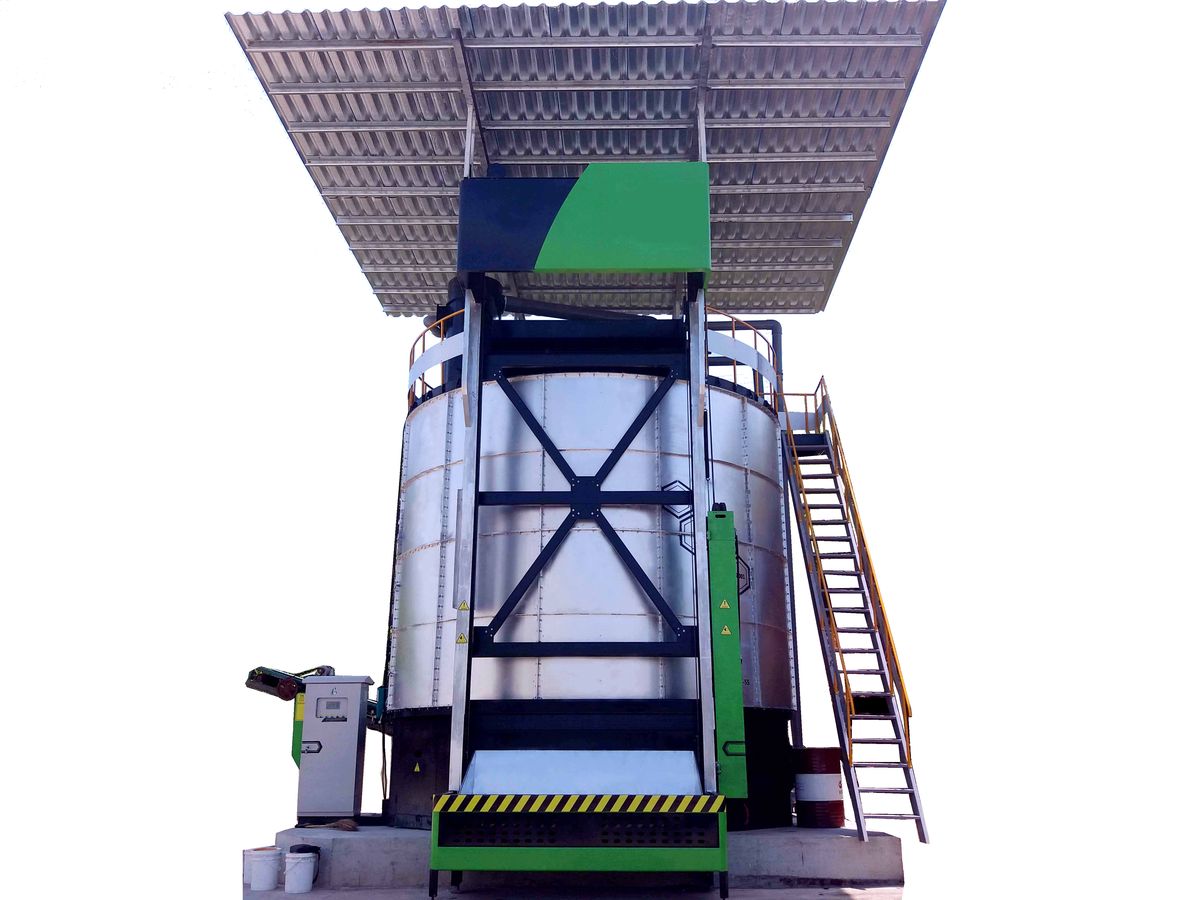
A contained composting system solves that by controlling the air. Material is loaded into a closed fermentation tank or a covered channel with a perforated floor through which a blower forces air. Because aeration is supplied from below rather than by turning, there is far less opportunity for ammonia to be released at the surface; the exhaust air is drawn off and passed through a biological filter before release. Temperature is monitored and the blower is run on a timer or on a temperature setpoint, so the thermophilic band is held reliably even in cold weather.
The result is a shorter cycle and a more predictable product. Primary fermentation takes 7–10 days instead of 10–15, leachate is collected rather than running off a pad, and the compost that emerges is uniform enough that the crushing and granulation stages downstream behave predictably. For poultry integrators and for layer farms expanding into fertilizer production, the contained system is usually the difference between a project that can be permitted and one that cannot.
Manure is dried to 40–50% moisture, or blended with straw, rice hull or sawdust and recycled compost to reach 50–60% and a carbon-to-nitrogen ratio above 25:1.
The mixture is loaded into the fermentation tank or channel. A loader or an overhead conveyor fills the vessel evenly so that air distribution through the perforated floor is uniform.
A blower supplies air on a timer or under temperature control. The core reaches 55–65 °C within two to three days and holds there for the thermophilic phase of 7–10 days.
The partially stabilised material is discharged to a maturation bay for 10–15 days of occasional turning, during which the remaining organic acids break down and the compost becomes plant-safe.
Exhaust air from the vessel passes through a biofilter or a biological deodorising tower, which removes ammonia and odour before release.
Mature compost is crushed below 3 mm, screened, and either bagged as powder fertilizer or granulated into pellets.
| System | Cycle | Footprint | Odour control | Best for |
|---|---|---|---|---|
| Covered channel with groove turner | 10–15 days | Moderate | Good — roof contains vapour | Mid-size layer farms with a covered shed already |
| In-vessel fermentation tank | 7–10 days | Small | Best — exhaust passes through a biofilter | Poultry manure, urban sites, cold climates |
| Horizontal rotary fermenter | 7–8 days | Small | Excellent — fully enclosed | Integrators with continuous daily input |
| Open windrow with crawler turner | 10–15 days | Largest | Depends on management and distance to housing | Remote sites with land available |
| Forklift-mounted turner on a pad | 15–20 days | Moderate | Acceptable if the pile is well managed | Small farms at the lowest capital cost |
What is chicken manure composting system? It is a kind of organic fertilizer production line to make chicken manure into organic fertilizer in a short time. At the same time, it is very good for ecological environment. We can provide you with high quality fertilizer equipment. Therefore, when you want to invest this kind of business, our company can be your best choice.
The process is very important for us to make chicken manure into fertilizer. From our deign drawing, we have special and single fermentation area. The cover area don’t need big size. We can design suitable size according to your needs. Meanwhile, there are three kinds of ways to make manure fermentation. The first is strip pile compost, the second is groove pile compost, the third one is in vessel compost. Those methods can play important rule in making chicken manure compost.
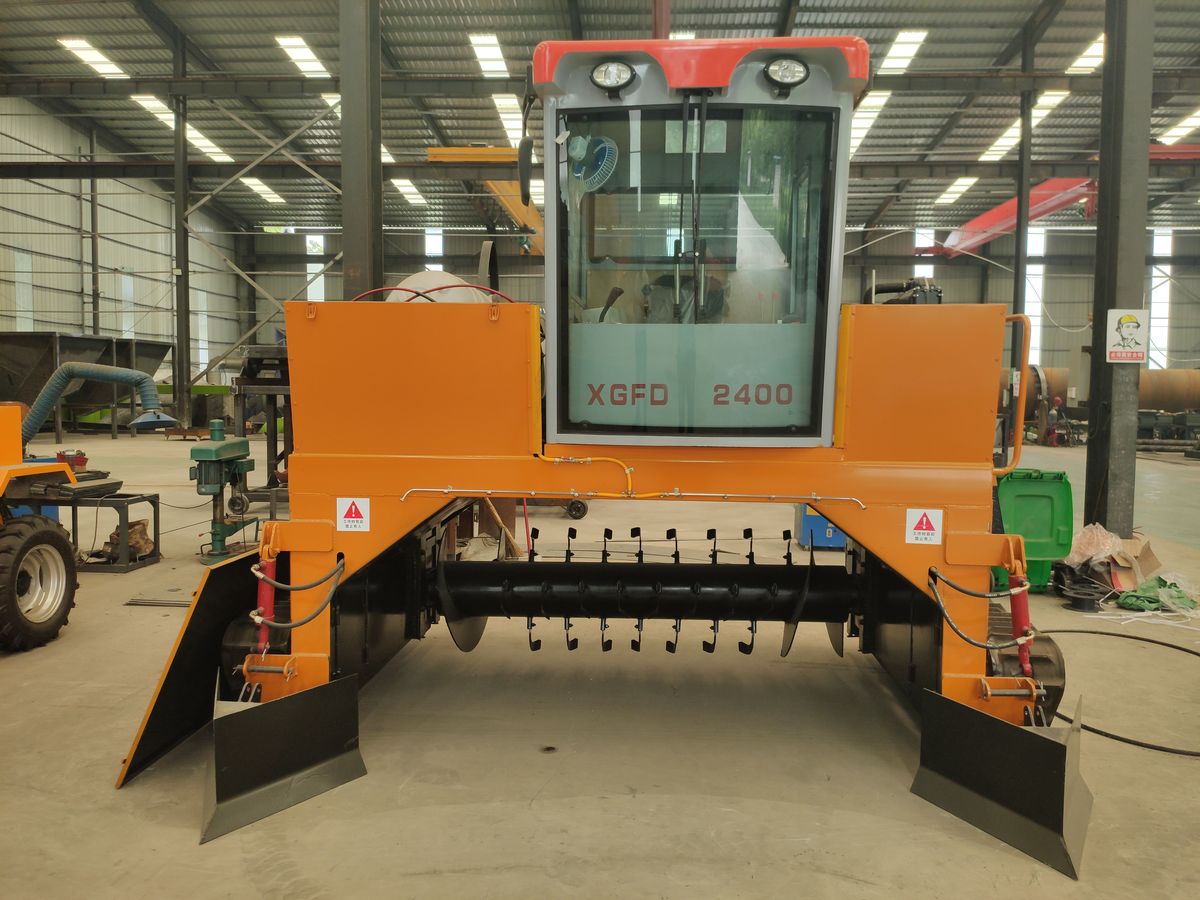
Windrow composting consists of placing the mixture of raw materials in long pile by windrow compost machine. The turning operation mixes the composting materials and enhances passive aeration. Generally speaking, the windrows are about from 90 cm high for dense material, especially manures. It is the best way to make chicken manure compost. At the same time, the details need to follow ours sales manager’s advice. We will offer you best solutions to meet your needs.
Groove pile compost is another way to make chicken manure compost. You need put the raw materials or all kinds of manure into suitable grooves. The size of the groove is about 3m *30m. By this way, our groove type compost turner can help you make chicken manure compost if you need. Meanwhile, we can provide other type, wheel type compost turner for you to choose. Finally, custom service is available for you.
In vessel composting refers to a group of methods that confine the composting materials in a fermentation tank. Then it takes advantage of decomposition of microorganisms in the nature under the way of aerobic fermentation. By this way, it decomposes the material at high temperature to kill germs, parasites and other harmful substance in a short time. At the same time, it can reduce moisture content of material. Finally, it can produce large amount of chicken manure compost in organic matter. Therefore, organic fertilizer fermentation tank or aerobic fermentation for in vessel composting is the best choice.
For making fertilizer from farm wastes, we can design plans for you!
In the process of chicken manure composting system, dewatering machine process is the most important way to separate chicken manure into liquid organic fertilizer and solid organic fertilizer. Because it can be good for your to make organic fertilizer from one important point. The reason is that suitable moisture content for making chicken manure compost is necessary to support the metabolic activity of micro-organism. Composting material should maintain 30%-40% moisture content. When the chicken pile is too dry, composting occurs more slowly. While it is over 40% moisture content, it is difficult to develop anaerobic conditions. Therefore, right water content can prompt chicken manure fermentation.
How to deal with chicken manure is the important way in fertilizer industry. Honestly speaking, we can divide it into several periods, fermentation period, dewatering process, crushing.
Important dewatering process The process is necessary for you to make chicken manure into compost. As we mentioned above, it is good for fermentation to get high quality organic substance. Solid-liquid separator machine from our company can give you more help.
Fermentation period As we said before, this period is the most important in the whole composting process. Organic compost fermentation turner is used for fermenting and composting chicken manure. The materials we can mix and ferment for 1-2 months. At the same time, aiming to different temperature, you should turn chicken manure in different periods. For this process, you should pay more attention on.
Crushing process The process is not necessary for you. After fermentation period, if chicken manure compost has big pellets or lumps, crushing materials into powder by fertilizer crusher is possible. Therefore, in our company it is a kind of fertilizer auxiliary equipment.
For the process of chicken manure composting system, it is very convenient for you to make chicken manure compost in a short time.
Sound and one stop service for you. You can enjoy high quality service. Because we are professional manufacture, all details about our products we can have. Meanwhile, we can offer pre-sale service, on-sale service, after- sale service. A series of service can make you satisfied completely.
Competitive price for your investment. As a fertilizer equipment manufacture, not a third party, we have best advantage in price. Because we don’t need make middle price. On the other hand, we can our cost is very lower compared with others. Therefore, when you need, please contact us as soon as possible.
Photographed in our Xingyang workshop and on customer sites. Watermark-free, no phone numbers.
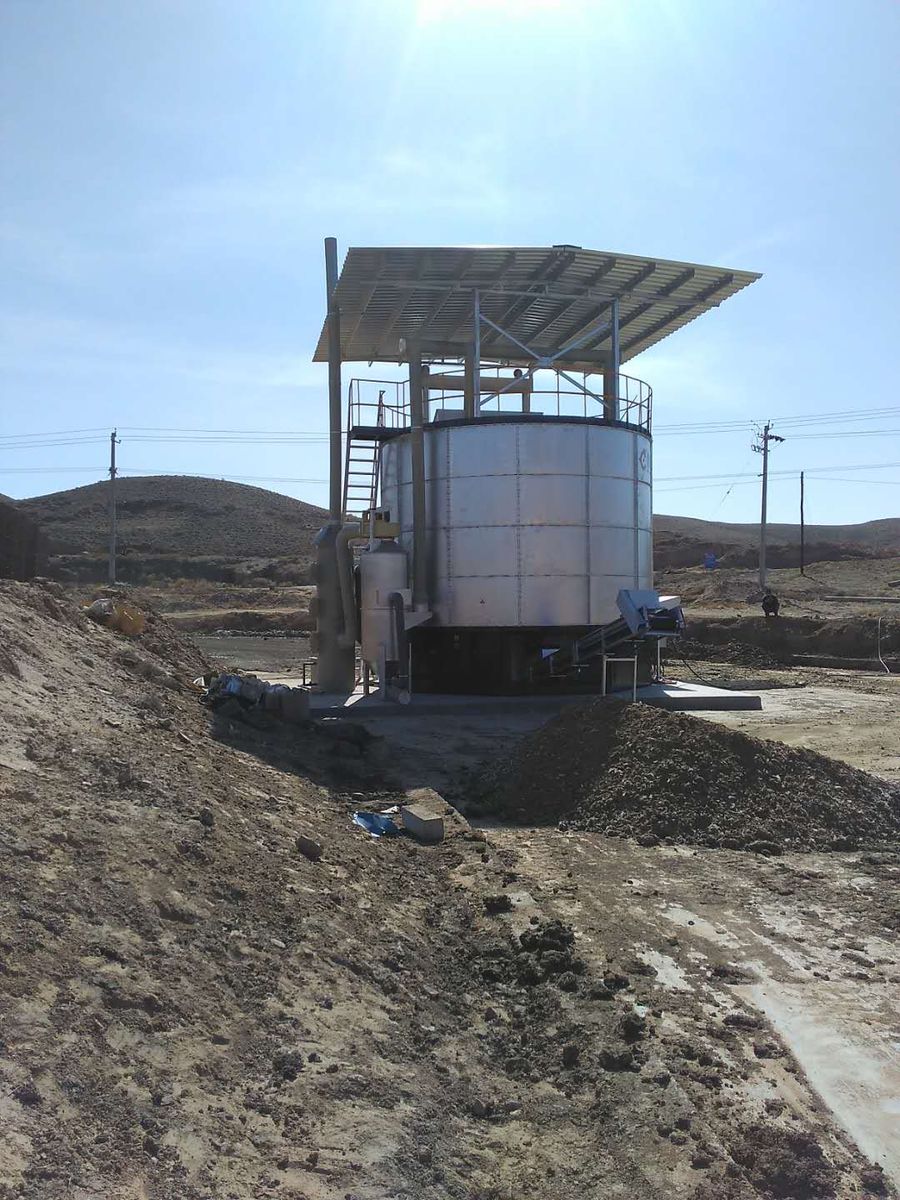
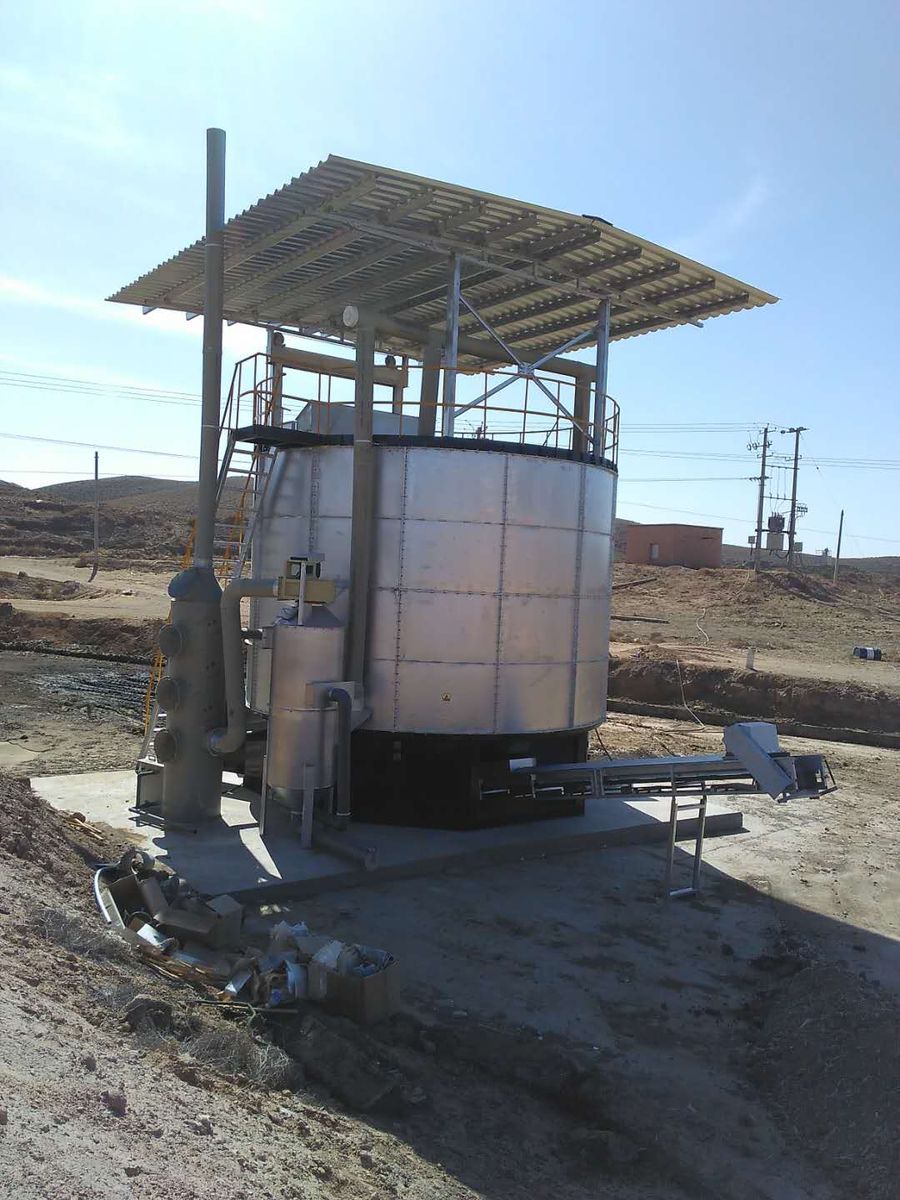
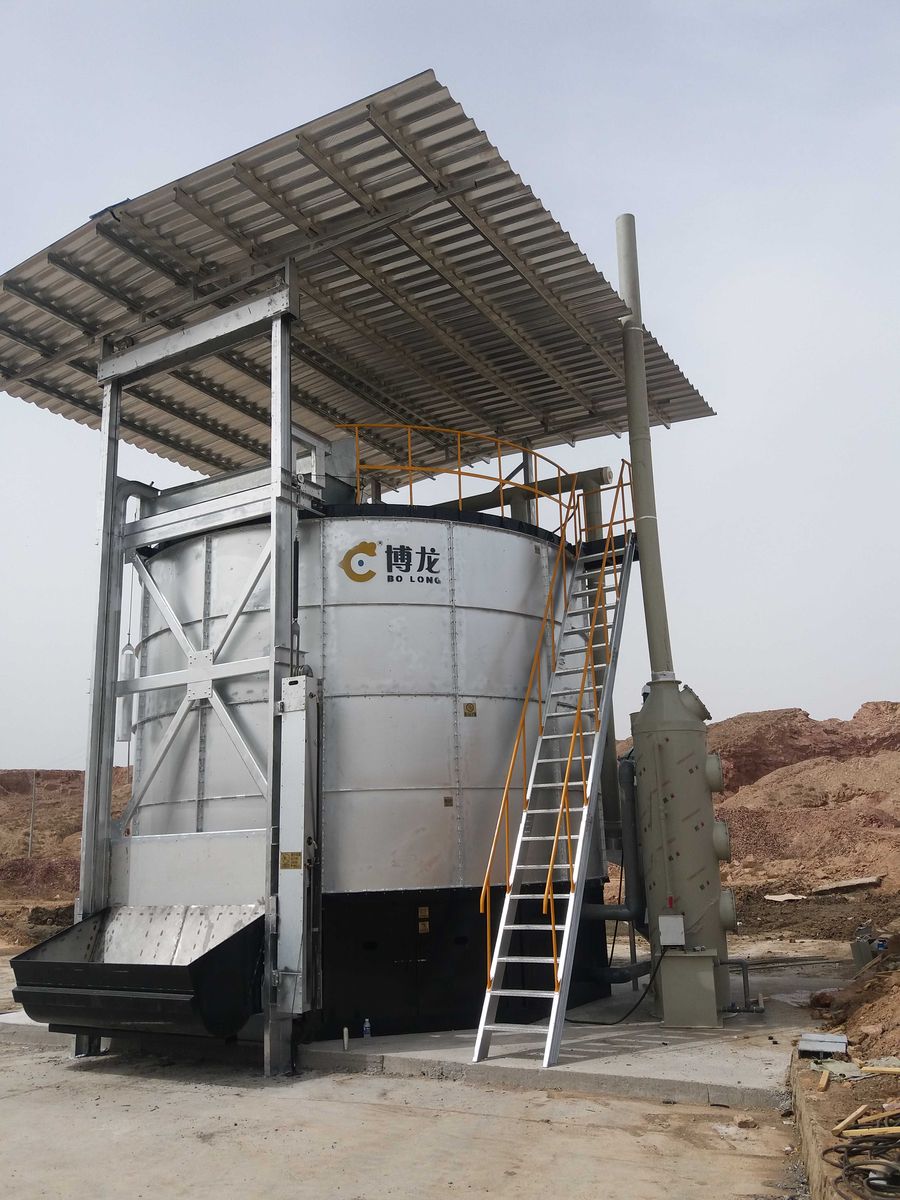
In a contained system with forced aeration the thermophilic phase takes 7–10 days, followed by 10–15 days of maturation, giving usable compost in about three to four weeks from loading. In open windrows the primary phase takes 10–15 days. Poultry manure ferments faster than cattle manure because it is denser and richer in nitrogen.
Because there is more nitrogen in the material than the microbial population can use, so the surplus is released as ammonia gas. The fix is to blend in more carbon-rich material — straw, rice hull, sawdust or recycled compost — to raise the carbon-to-nitrogen ratio above 25:1, and to keep the moisture at 50–60%. Enclosing the fermentation and filtering the exhaust air prevents the ammonia reaching the neighbourhood while the compost stabilises.
It can be composted in a hand-turned pile, but on a poultry farm the volume and the odour usually make that impractical. The smallest sensible investment is a forklift-mounted turner and a concrete pad with drainage. Where the farm is close to housing, a contained fermentation tank with forced aeration and a biofilter is worth the additional cost, because it is often the only configuration that will pass a permitting process.
It is oxidised by the micro-organisms in the biological filter into nitrate, which stays in the filter medium as a nitrogen-rich residue. When the filter medium is finally replaced, it can be composted or used as a soil amendment — a small but real recovery of nitrogen that would otherwise have been emitted.
A contained system needs far less than open windrows because the fermentation happens in a vessel rather than on a pad. As a guide, a plant handling 10 tonnes of poultry manure a day needs roughly 400–700 m² for the vessel, the maturation bay and the finishing line, against 1,500 m² or more for the equivalent open windrow system.
Manure composting systems: windrow, groove and in-vessel fermentation, how to design the pile, control temperature, ju…
Read more →Chicken waste disposal equipment that dries, deodorises and ferments poultry manure, then converts it into bagged orga…
Read more →
Poultry composting machines for layer and broiler farms: fermentation tanks, groove turners and forklift turners that …
Read more →How to make chicken manure compost: drying, carbon blending, deodorising, turning schedule and maturity testing for la…
Read more →Send your raw material, target capacity and country. Our engineers reply within one working day with a process route, equipment list and budget.
Send us your raw material and target capacity — we will propose the process, the machines and the budget.
Send your raw material and target capacity — our engineers reply within one working day with a process route, equipment list and budget.
Our engineering team will reply within one working day. For anything urgent, message us on WhatsApp.
Open WhatsApp