
Cow Dung Fertilizer Machine
Cow dung fertilizer machines that turn cattle manure into powder or granule organic fertilizer: dewatering, composting…
Read more →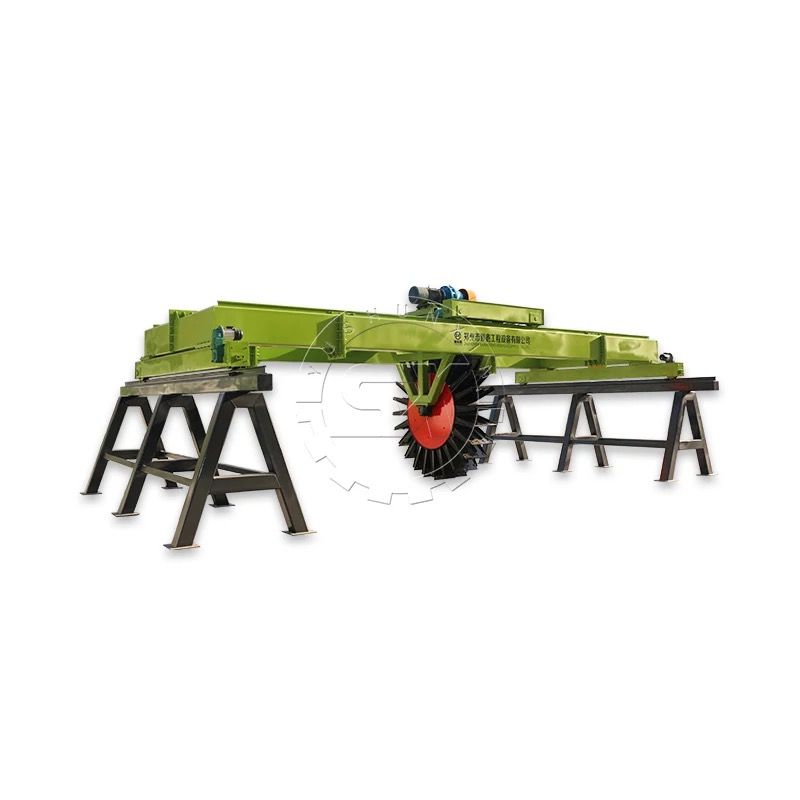
Cow dung is the easiest manure to compost well — once the water is under control and the pile is built and turned correctly. Here is the sequence, with the numbers that matter.
Cow dung composting succeeds or fails on two decisions made before the pile is even built. The first is dewatering. Fresh dairy manure is 75–85% water and cannot be piled above about 60 cm without collapsing into an airless mass; a solid liquid separator takes it to 55–65% moisture, which is the correct starting point. The second is blending: cow dung is high in nitrogen and low in available carbon, so straw, rice hull, sawdust or chopped stalk is mixed in at roughly three parts manure to one part carbon material by volume.
Once the pile is built, the work is a routine. In the first week, when microbial activity is at its peak, the pile is turned two to three times a day to restore oxygen and to bring the outside material into the core. The core temperature climbs to 55–65 °C within two or three days and holds there; that band is what destroys weed seeds and intestinal pathogens. From the second week, turning drops to once every two or three days, and the pile gradually cools as the readily degradable material is used up.
Moisture falls throughout as the heat evaporates water. When the pile gets too dry to hold temperature, water is added during turning through the turner's spray bar or with a hose. The test is the squeeze test: a handful should feel like a wrung-out sponge, with a few drops visible but none running freely.
Blend separated cow dung with carbon material at 3:1, adjust moisture to 50–60%, and build windrows 1.2–1.8 m high and 2–3 m wide. Record the weight or volume of each batch.
Temperature rises to 55–65 °C. Turn twice a day. If the temperature exceeds 70 °C, turn immediately to release heat and protect the microbial population.
Peak thermophilic phase. Turn two to three times a day. Record the core temperature each morning before the first turn.
Temperature begins to fall. Reduce turning to once every two days and check moisture — this is when piles most often dry out.
The pile no longer re-heats after turning. Temperature approaches ambient. The material is dark, crumbles rather than smears, and smells earthy. Primary fermentation is complete.
Move the compost to a maturation bay, turn occasionally and keep it moist but not wet. Two to four weeks here removes the organic acids that can inhibit root growth, producing a compost that is safe for direct use.
| Material | Carbon to nitrogen ratio | Blend rate | Effect |
|---|---|---|---|
| Wheat or rice straw, chopped | 60–80:1 | 3:1 by volume with manure | Best all-round carbon source; opens the pile for airflow |
| Rice hull | 70–90:1 | 3:1 | Excellent airflow; slow to break down, so screen it out if the product must be fine |
| Sawdust | 200–500:1 | 1:4 (less is needed) | Very high carbon; use sparingly or the pile will run out of nitrogen |
| Maize stalk, chopped | 50–70:1 | 3:1 | Widely available on mixed farms; needs chopping to under 50 mm |
| Green waste / garden waste | 20–40:1 | 1:1 | Balanced carbon source; adds volume and variety to the microbial population |
| Mature compost | 12–15:1 | 1:4 | Used as an inoculant rather than a carbon source; speeds up the start |
| Fermentation inoculant | - | 0.1–0.5% | Shortens the lag phase, particularly useful in cold weather |
In order to deal with cow dung and realize effective utilization, composting will be a good idea. During composting, the microorganisms are responsible for breaking down organic matters into compost. At the same time, heat released from microorganism activity will kill pathogens, weed seeds and eggs. However, how to make cow dung compost? The steps include raw material preparation (manage water content of cow dung, add straw or sawdust to adjust C/N ratio), make compost pile and turn cow dung. After composting, you can use cow dung directly or deeply process it to make commercial organic fertilizer. As professional organic fertilizer equipment manufacturer, Shunxin will provide you efficient composting methods for composting cow dung and high-quality cow dung compost production machines.
Before composting cow dung, you should pay more attention to water content of cow dung. Because improper water content will inhibit composting process and influence quality of compost. As we all know, the water content of fresh manure from cow or cattle are about 80%. But the proper water content for composting is 50% to 60%. In order to control water content better, you can adopt Shunxin cow dung dewatering machine to separate extra water from cow dung. What’s more, the dewatered cow dung is loosen and does not have caking, which is conducive to make compost. In addition, the lowest water content of processed manure can achieve 30% to 40%. You can adjust the dewatering degree according to your own requirements.
There are two types manure dewatering machines in Shunxin. One is solid liquid separator machine, and the other is inclined screen for solid/liquid separation. Both of them separate water from cow manure by squeezing. The cow dung enters equipment by pump. The separated water can be used for making biogas or liquid fertilizer. Meanwhile, the dewatered manure can be used for composting and make organic fertilizer. The material of parts that contact with manure is made up of 304 stainless steel, which is resistant to corrosion and has long service life.
In order to prolong their service life, you should clean the screen in time after operation. In addition, you can also adopt it to deal with chicken manure, manage pig manure and other livestock wastes management.
As mentioned above, composting cow dung includes preparation of raw materials and make compost. During composting, the preparations are the same. Besides cow dung, you can add some straw, rice hull, sawdust to adjust water content, C/N ratio and improve air permeability. However, you need to know the straw and rice hull should be crushed into small pieces. Because not crushed straw will create larger gaps in compost pile, which will slow fermentation process. If you want to composting farm wastes from cattle, both the cattle manure and bedding are available.
Do you want to know more details? Please send your requirements to us!
During composting, microorganisms consume water, oxygen and release heat. With the fermentation process, the heat increases and oxygen content decreases, which will inhibit microorganism activity. Thus, you need to turn the compost pile regularly to adjust these conditions. When the temperature of cow dung compost pile reaches 50-60 degree centigrade, you need to use compost turner to turn one time. At the same time, you need to turn the compost pile twice to four times a day during the first week. After the first week, the frequency can reduce to once for every two days. When the odor disappears, temperature of cow dung compost pile maintains in ambient temperature and raw materials become loose, fine and black, it means the finish of the composting process.
There are two types windrow compost turner, crawler type compost turner and moving type compost turner. During working, they will span across the compost pile, and their stirring apparatus will turn the cow dung evenly and thoroughly. After turning, the temperature and oxygen content will achieve favorable level, which is helpful for better compost.
Crawler type compost turner: It adopts rubber track chassis, which can maintain stability of whole machine during operation. In addition, it has separate driving cab, which can provide a comfortable working environment for worker. There are two hydraulic push plates in the front of the whole machine, which can manage the form of compost pile automatically.
Moving type compost turner: It is flexible on operation with four wheels. During composting, the blades on stirring shaft will crush larger caking and turn raw materials evenly. And then, the compost pile will become more homogenous on fermentation level.
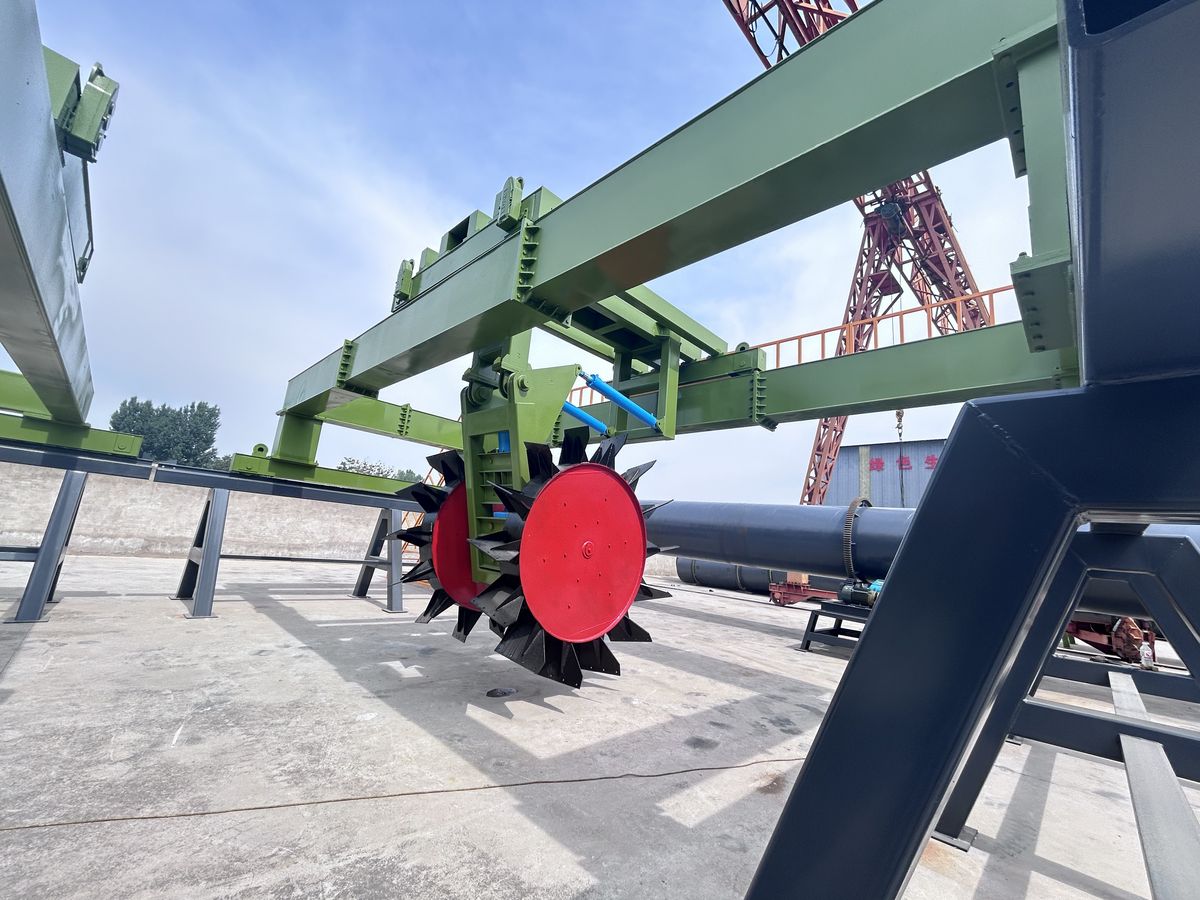
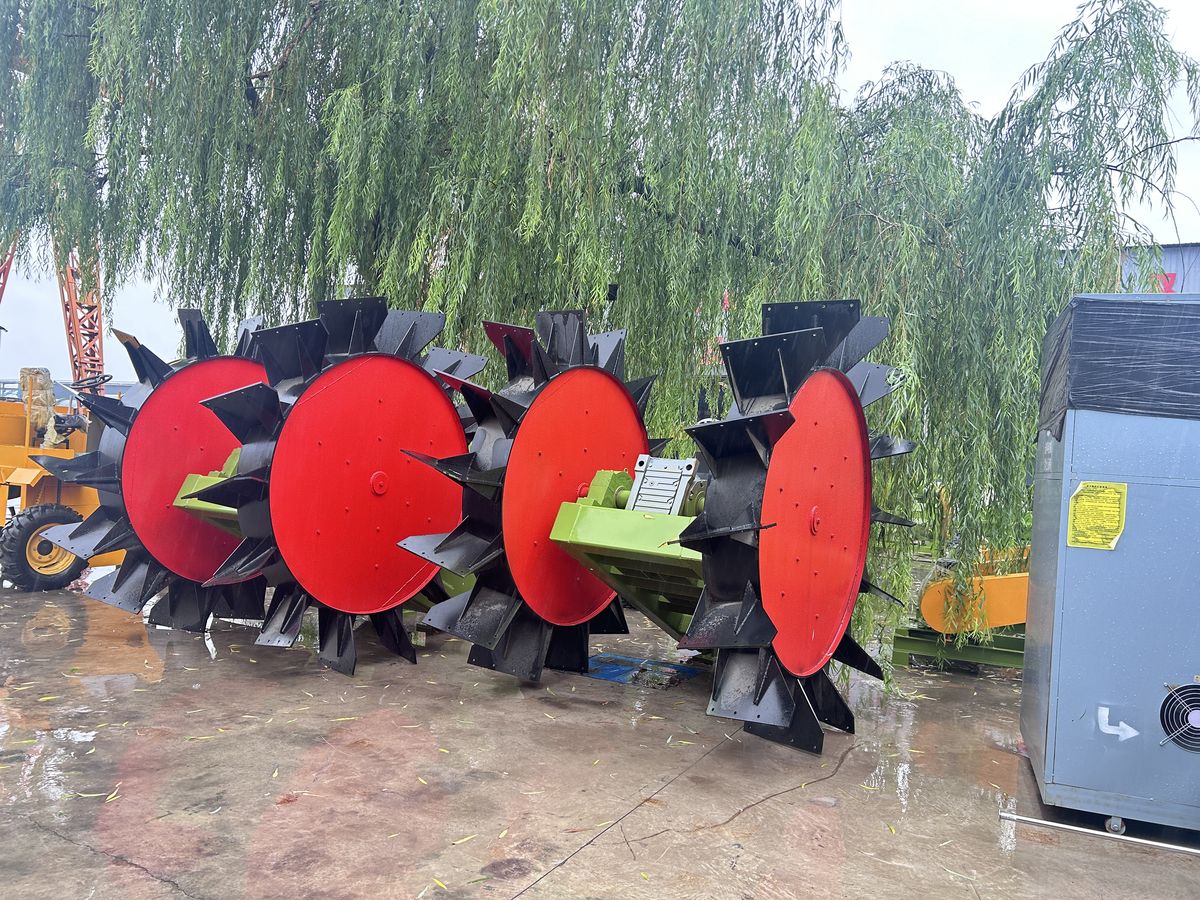
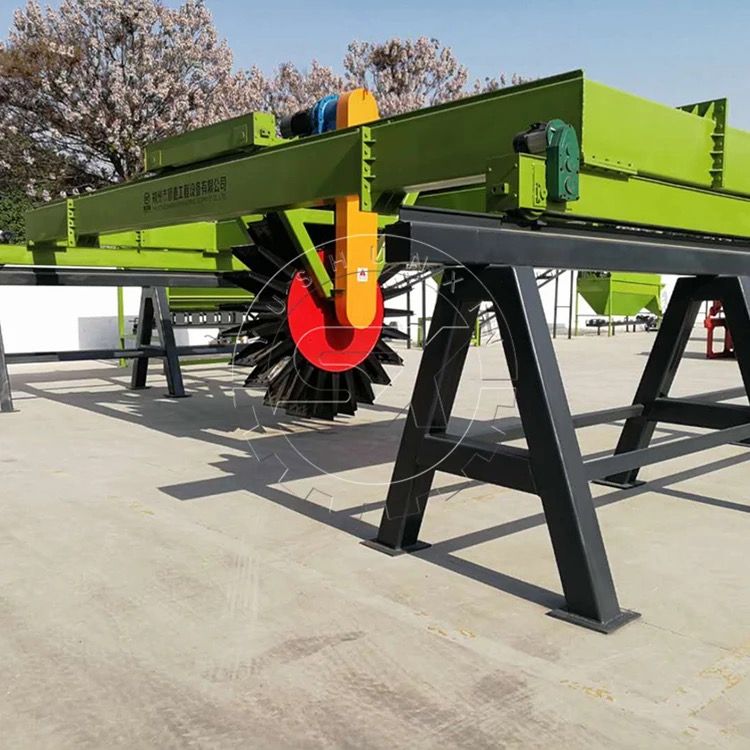
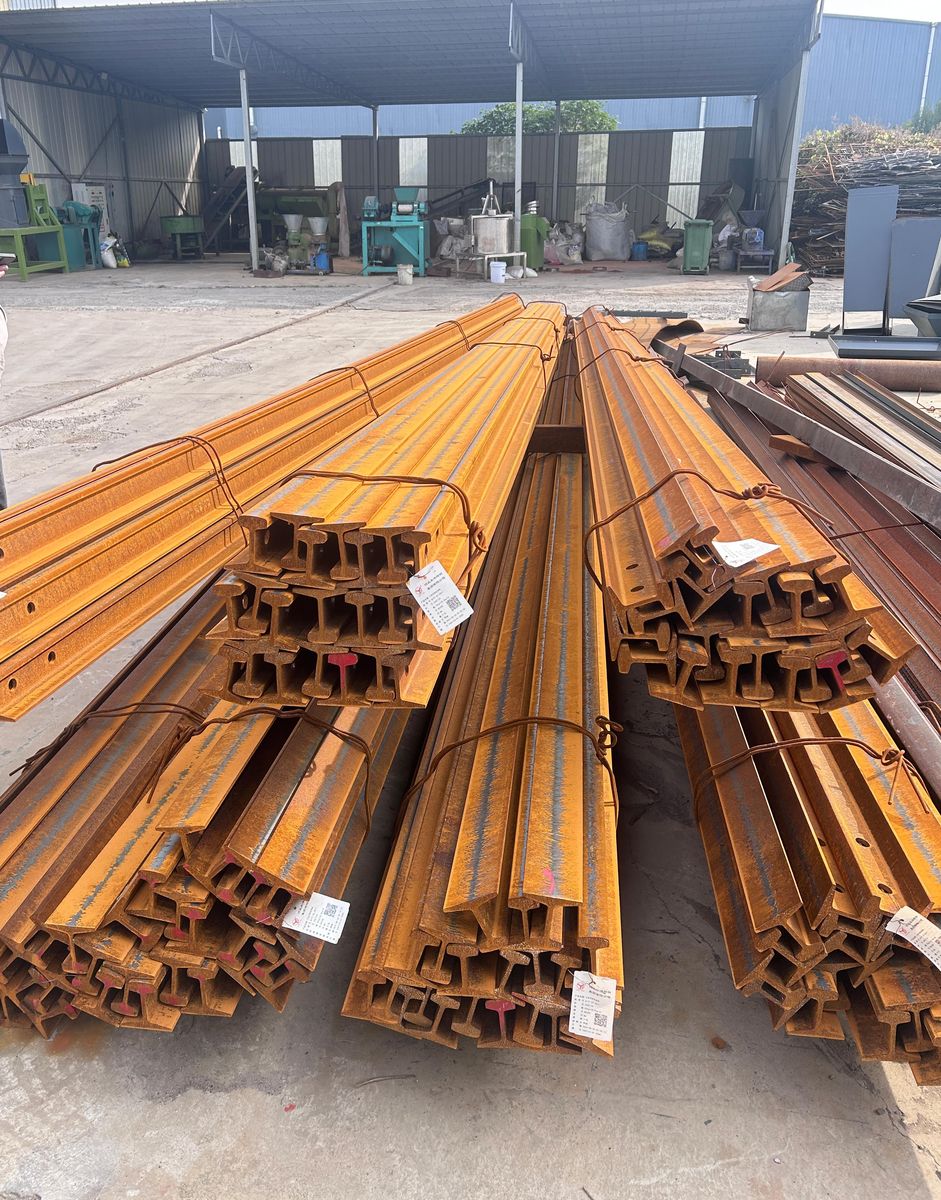
Compost turner for composting in fermentation grooves includes groove type, wheel type and chain plate type compost turner. All of them are controlled by electric control cabinets, you just need designate one person to see the working process. In addition, fermentation groove should be made up of concrete, so as to provide strong support to the compost turner and prevent cow dung’s pollution on soil. Groove type compost turner can turn cow dung evenly and crush bulks into small pieces, so as to accelerate composting process and improve compost quality.
Generally speaking, wheel type compost turner is usually used for large scale cow dung composting. Its turning span can achieve 25m. If you have any special requirements on model, function and structure, we can customize it for you. The groove type compost turner has higher working efficiency. Unlike other similar equipment, our groove type compost turner adopts better materials, which has stronger working capacity and longer service life. Meanwhile, chain plate type with high output is suitable for working in deep grooves.
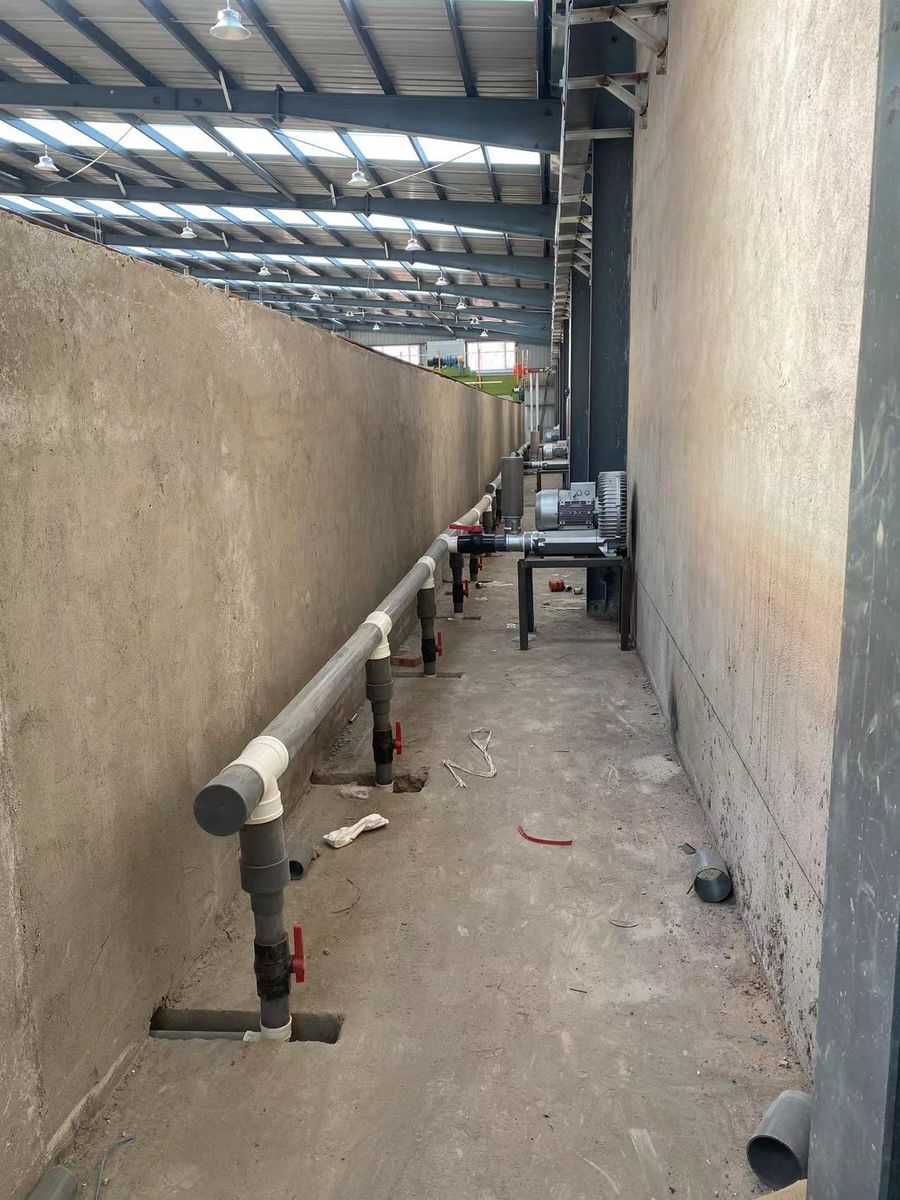
Shunxin automatic composting machine is also called aerobic fermentation tank. Its volume ranges from 5m3 to 150 m3, but its floor space is just 10 to 30m2. What’s more, it has temperature sensor, which can monitor real-time temperature changes of cow manure in time. There is air supply system, which can guarantee enough oxygen for composting. Above all, it is equipped with biological deodorization system, which can deal with waste air and odor, and release qualified gas. Furthermore, after putting cow manure and other materials into fermentation tank, you just need set parameters on the PLC control system, and will get cow dung compost in 7-10 days. Besides above-mentioned apparatus, there is stirring apparatus, which can regularly turn the materials and send air by holes on it. When the composting finishes, the screw discharge system will send cow manure compost out without stuck.
According to our experience, composting without any external force will cost three months. However, if you adopt Shunxin compost turner regularly stir the cow manure compost pile, the composting period will reduce to 20 to 30 days. In addition, it just cost 7 to 10 days to get cow dung compost by automatic fermentation tank. The reason is that Shunxin composting equipment can provide favorable conditions for microorganism activities by adjusting temperature, oxygen content and water content.
You can get high-quality cow manure compost after composting. You can adopt it on soil and plants directly. But you can also produce commercial fertilizer, cow dung pellets fertilizer and cow dung powder fertilizer. The making process of cow manure pellets is more complex than that of cow dung powder. The detailed steps of the two solutions are as below.
In view of convenient application, storage and transportation, cow manure pellets fertilizer is popular in fertilizer industry.
The complete process of converting cow dung compost into pellets includes:
crushing process(eliminate caking)—screening process(select out impurities)—batching process(improve content of nutrients) — mixing process(guarantee uniform fertilizer effect)— granulating process(make cow dung compost pellets)— drying and cooling process(remove extra water content of pellets)—screening process(select out unqualified pellets and send them back for secondary granulation) — packaging process(make bagged cow dung fertilizer).
Among these cow dung processing machines, crushing machine, screening machine, granulator and packaging machine are essential. And other machines are optional, you can select according to your budget and actual requirements.
When the composting finishes, you can make bagged cow dung compost after crushing and screening. That is to say, powdery cow dung fertilizer production is simple. The steps include: Crushing process—screening process— (batching process—mixing process) —packing process. As we all know, besides output of production line, the selection of machines also decides the cost. Compared with granular cow dung fertilizer, the cost of powdery cow dung fertilizer production is low. And it is easy to operate and occupies less space.
For making cow dung fertilizer production line, we can design plans for you!
As mentioned above, you can make bagged cow dung pellets or powder after composting. Here, we will introduce some necessary cow dung processing machines to make commercial cow dung fertilizer.
Whether you produce cow dung fertilizer pellets or powder, compost shredder machine is necessary. After composting, caking may exist in the compost, so you need to use equipment to make fine compost. There is new type vertical crusher, semi-wet material crusher and hammer crusher for you to choose. All of them can convert compost into fine powder, and they are suitable for different production capacity.
On the one hand, in order to guarantee the quality of final products and make preparation for granulation, you should adopt compost screen to select impurities or particles with large diameter. Our rotary screen machine can be customized with different screening levels according to your requirements. On the other hand, you will also use screen machine after granulating. You can separate pellets with unqualified diameters from qualified pellets, so as to improve the quality of bagged cow dung fertilizer.
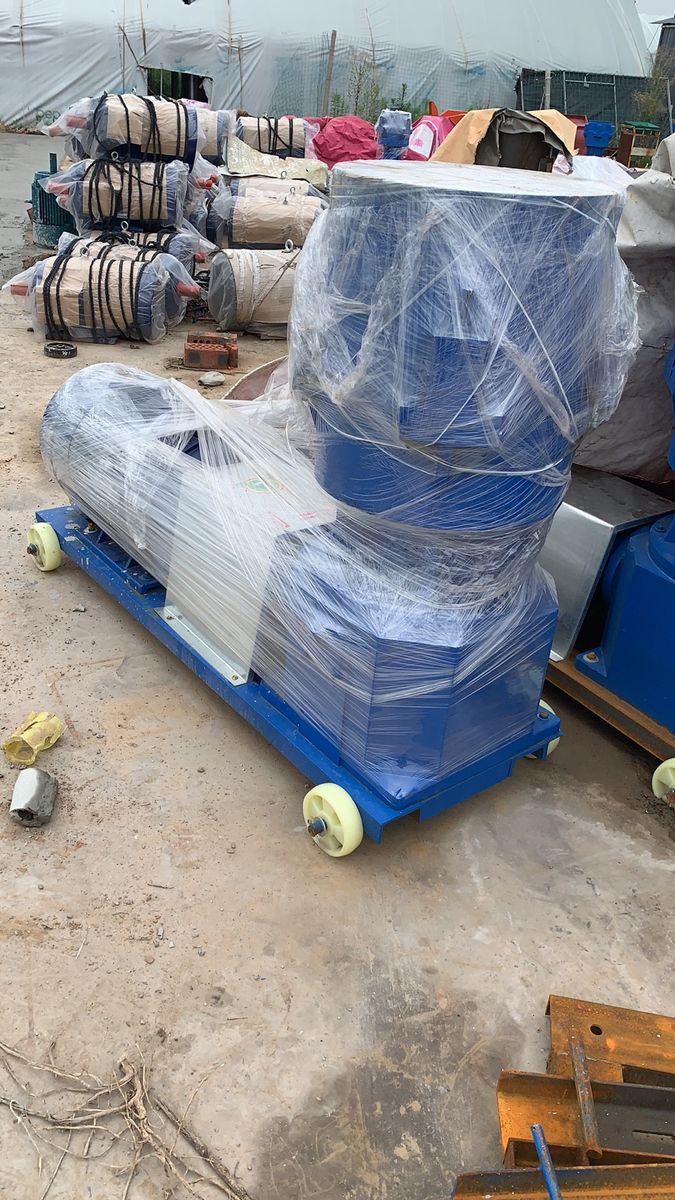
Cow manure fertilizer pellet machines usually adopt wet granulation. There is disc granulator, new type organic fertilizer granulator, rotary drum granulator and rotary drum stirring granulator.
Pan granulator is easy for operation and has high granulation rate.
New type organic fertilizer granulator makes pellets by mechanical stirring, and the pellets produced have higher hardness.
Rotary drum granulator can make both compound fertilizer and organic fertilizer pellets, and it is common granulator.
Rotary drum stirring granulator produce cow dung pellets with the help of stirring force and centrifugal force, therefore the pellets produced by it is more uniform in size and more beautiful in appearance.
Making bagged fertilizer is the important step in commercial fertilizer production. Shunxin cow dung fertilizer bagging machine has two types. One is for packaging pellets, and the other is for packing fertilizer powder. There is a silo on the packaging machine, which is used for feeding materials, and its smallest volume is 0.3 cubic meters. Besides feeding, it can also finish filling, sealing and sewing. In addition, it has no special requirements on material of bags. You just need designate two or three person to assist.
Besides composting methods mentioned above, you can also apply earth worm to manage cow dung. After dewatering, you can pile up cow dung on concrete ground and put earth worms into it. You should pay attention to that the compost pile shall avoid direct sunlight. The earth worm will eat organic waste, digest it and discharge vermicompost. Vermicompost is a kind of composted and nutrient-rich organic fertilizer. If you want to deep processed vermicompost made from cow dung, you can adopt above production lines (pellets production line and powder production line). In addition, vermicompost is valuable and low-output, so you can add it into cow dung fertilizer as a kind of addition. Here you can adopt Shunxin batching machine to adjust the volume of addition.
Cow dung compost is also a kind of raw materials for making bio organic fertilizer. In order to increase some functions of organic fertilizer, you can add some functional bacterial as well as nutrient elements. The addition of functional bacteria can occur before granulation, in granulation and after granulation (coating process). The bio organic fertilizer production can largely improve the utilization of cow dung compost and is beneficial for soil and plants.
Photographed in our Xingyang workshop and on customer sites. Watermark-free, no phone numbers.
With a turner and correct moisture, the thermophilic phase takes 10–15 days, followed by a maturation period of two to four weeks. In practice that means usable compost 20–30 days after building the pile. Without turning and with too much moisture, the same material can take three months and may still be immature.
Yes — a carbon source. Cow dung is nitrogen-rich and low in available carbon, so straw, rice hull, sawdust or chopped maize stalk is blended in at roughly three parts manure to one part carbon material. This brings the carbon-to-nitrogen ratio to 25–30:1 and opens the material so air can move through the pile. A fermentation inoculant is optional but speeds up the start, particularly in cold weather.
Four signs: the pile no longer re-heats after turning, the core temperature has fallen to ambient, the material is dark brown to black and crumbles when squeezed rather than smearing, and it smells of earth or forest floor rather than ammonia or manure. For commercial fertilizer production, allow a further two to four weeks of maturation before crushing and screening.
Yes, and the blend is often better than either alone. Chicken manure is very high in nitrogen and cow dung is more balanced, so mixing them can bring the ratio closer to the ideal without adding as much straw. Aim for a carbon-to-nitrogen ratio of 25–30:1 in the finished blend, and expect the pile to heat faster than pure cow dung because of the poultry nitrogen.
Substantially better. Raw cow dung carries weed seeds, pathogens and a high salt and ammonia load and can burn roots. Composting destroys the pathogens and weed seeds above 55 °C, converts the organic matter into stable humus, removes the odour and makes the nutrients available to plants over a longer period. It is also the only form in which cow dung can be registered and sold as commercial organic fertilizer.
Cow dung fertilizer machines that turn cattle manure into powder or granule organic fertilizer: dewatering, composting…
Read more →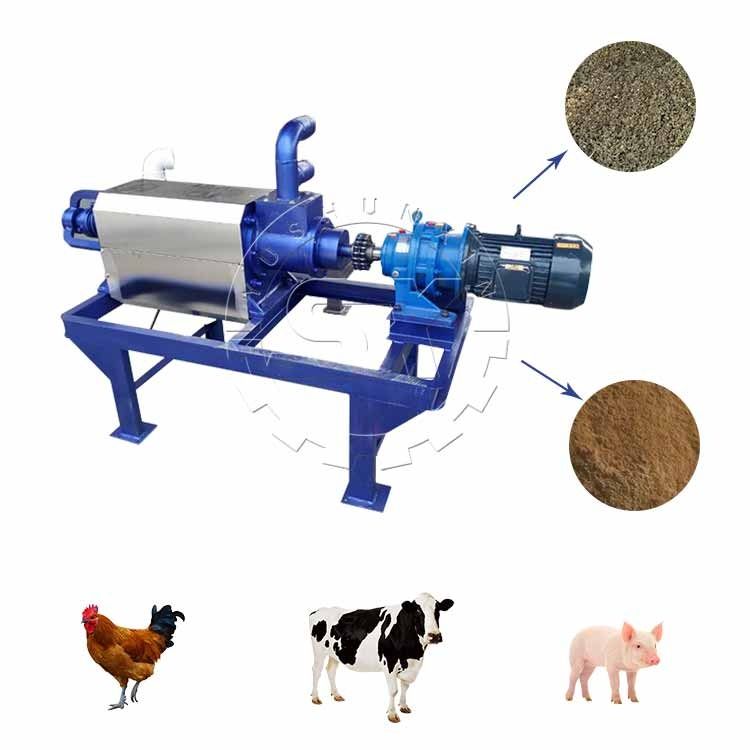
Cow dung dewatering machines that take fresh cattle slurry from 80–90% to 60% moisture, cutting haulage volume and dry…
Read more →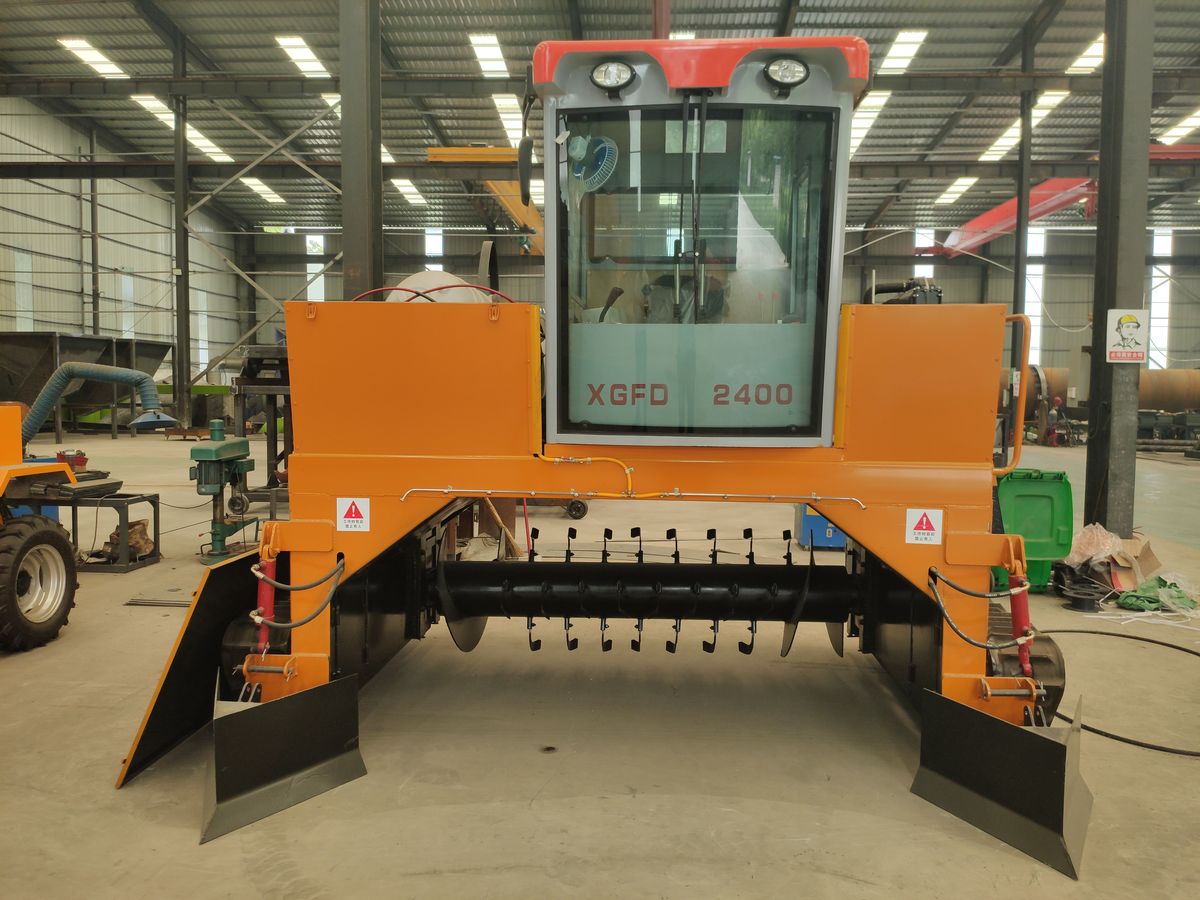
Manure composting systems: windrow, groove and in-vessel fermentation, how to design the pile, control temperature, ju…
Read more →Manure management guidance for every farm animal: how cow, pig, poultry, horse and goat manure differ, how to handle a…
Read more →Send your raw material, target capacity and country. Our engineers reply within one working day with a process route, equipment list and budget.
Send us your raw material and target capacity — we will propose the process, the machines and the budget.
Send your raw material and target capacity — our engineers reply within one working day with a process route, equipment list and budget.
Our engineering team will reply within one working day. For anything urgent, message us on WhatsApp.
Open WhatsApp