
Manure Fertilizer Machines
Manure fertilizer machines that turn compost into a product: granulators, pellet machines, powder lines, coaters, cool…
Read more →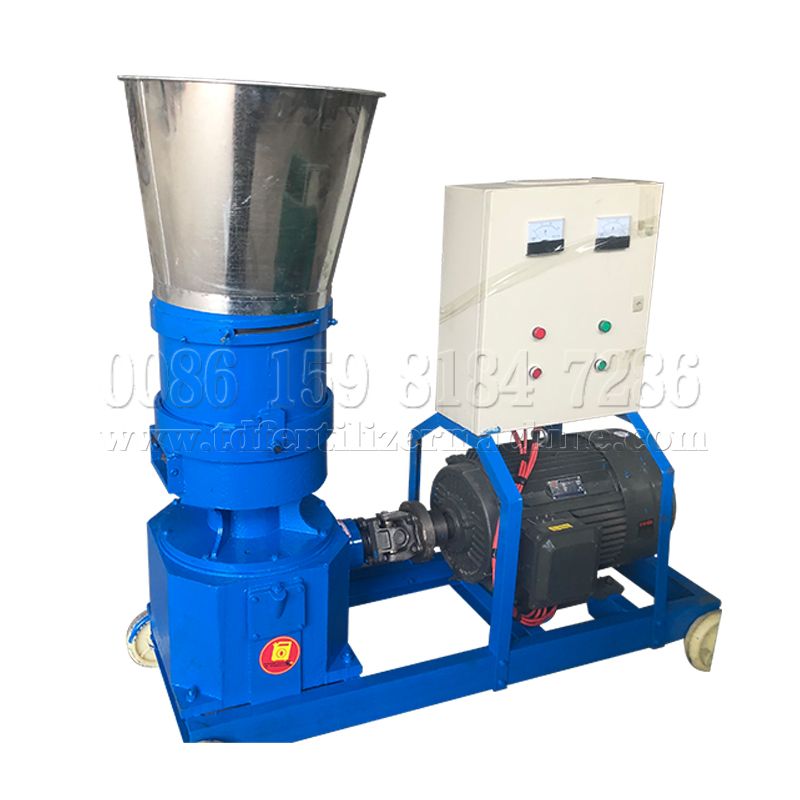
Pellets are dust-free, spread evenly through a mechanical spreader, store for months and sell at a premium over powder. The pellet machine is what creates that value — provided the material in front of it has been prepared.
Every pellet machine works on the same principle: bring small particles close enough together, under enough pressure or with enough moisture, that they bond. That means the machine can only work with what it is given. Feed it compost with particles above 3 mm and you get irregular lumps; feed it material at 45% moisture and you get a sticky mass that blinds the screen; feed it material at 15% moisture and the particles will not adhere at all.
The preparation sequence is therefore fixed: ferment the manure to maturity, crush it below 3 mm, screen out impurities and oversize, blend in binder and any nutrient additives, and adjust the moisture to the band the granulator needs. Only then does the pellet machine get a chance to perform. In the projects we are asked to troubleshoot, granulation problems are traced back to one of those four steps about nine times out of ten.
The pellet machine still matters, and the choice between types is driven by fibre and moisture. A high-fibre cattle manure compost granulates best in a stirring-tooth granulator, which uses aerodynamic force and mechanical stirring rather than relying on rolling. A dry, sandy compost is easier on a disc. Fully dry material with high fibre — dried poultry litter or straw blends — is best extruded through a flat die, which needs no water at all.
Manure composted to maturity — no re-heating, earthy smell, 25–30% moisture after maturation.
Semi-wet or chain crushing below 3 mm, and below 1 mm for the best granulation rate.
Removal of stones, plastic and oversize before granulation; oversize returns to the crusher.
Binder at 1–5%, plus humic acid, trace elements or mineral nutrients if the product carries a nutrient claim. A horizontal mixer gives the most uniform blend.
Disc, drum or stirring-tooth granulation at 25–35% moisture. Pellets leave the machine at 15–20% moisture.
Rotary dryer to 12–14% moisture, then a cooling drum to below 40 °C so the bags can be filled without sweating.
Drum coater, then a product screener that separates finished pellets, oversize and fines. Oversize is crushed and re-granulated; fines return to the granulator.
Automatic weighing and sealing into 25 kg, 40 kg or 50 kg bags, with a palletiser on larger lines.
| Machine | Principle | Feed | Granulation rate | Strengths | Limitations |
|---|---|---|---|---|---|
| Disc granulator | Inclined rotating pan | Wet powder, 30% moisture | About 93% | Low cost, easy operation, adjustable size | Capacity limited; sensitive to feed rate changes |
| Rotary drum granulator | Tumbling in an inclined drum | Wet powder, 30% moisture | About 70% | High capacity, handles organic and compound | Needs a return circuit; lower granulation rate |
| Stirring-tooth granulator | Aerodynamic force plus stirring teeth | Fibrous wet material | Up to 97% | Best for high-fibre compost, round uniform pellets | Higher power per tonne |
| Rotary drum churning granulator | Drum plus internal rotating shaft | Wet powder | High | Hard, well-rounded pellets at large capacity | Highest capital cost of the wet methods |
| Double roller granulator | Two counter-rotating rollers | Dry powder, below 5% | High | No drying needed; ideal for NPK salts | Pillow-shaped rather than round; needs a breaker and screener |
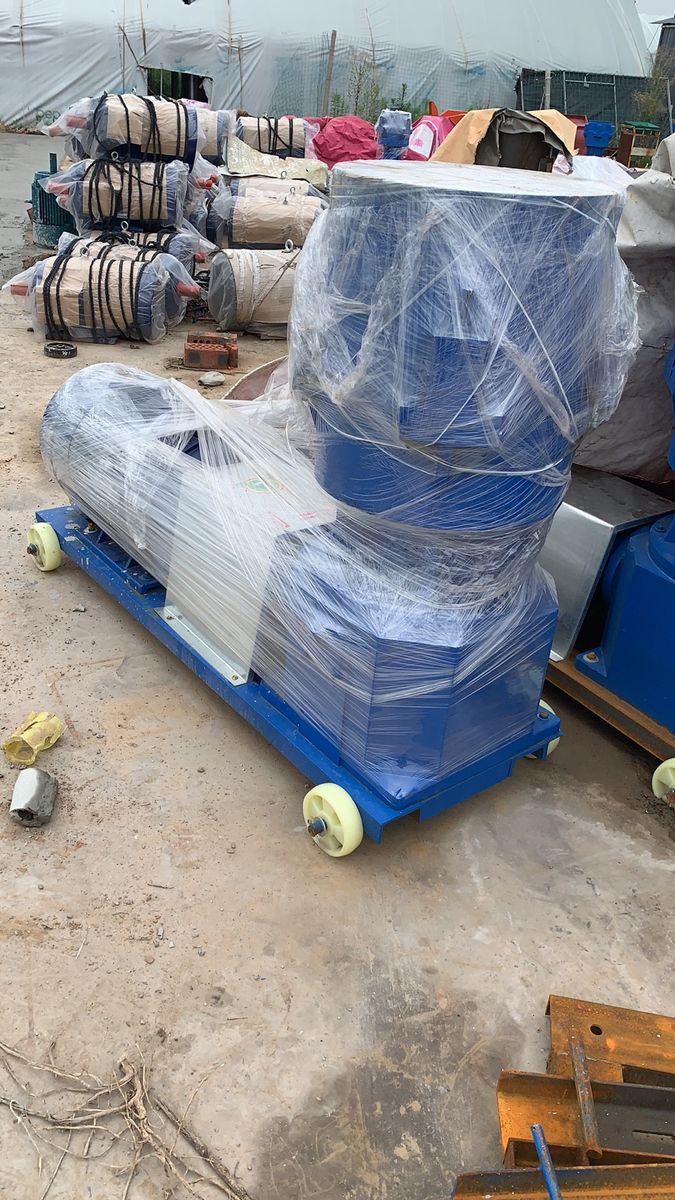
| Flat die granulator | Die plus pressure rollers | Dry fibrous material | High | Handles dry litter and straw blends | Cylindrical pellets only; high die wear |
Manure pellet machine is a main element in commercial manure to fertilizer production. After granulation, animal manure will become spherical pellets, which can provide convenience for storage, transportation and application. In terms of types of granulators, their working principles and selection, we will give detailed introduction below.
Disc granulator is an important equipment in pan granulator production line. It is suitable for both organic fertilizer production and compound fertilizer production. Its granulation rate can achieve 93%. Even though these pan granulators with different models (they are different on diameters, auxiliary device equipped and side height.), all of them have good performance on operation, granulation and service life.
Compact structure: Its main parts include granulation disc, reducer, motor, pedestal and scraper device. The inner part of disc adopts special materials and its bottom adopt multiple radiation steel plates, which can make disc get rid of deformation. The reducer and motor are connected by flexible belt drive. The pedestal adopts thickened and aggravated, which can provide steady support for the whole machine.
Working process and principle: Organic manure enters granulator form the inner part. With the rotating of disc and involvement of water, the powder gradually become pellets. At the same time, the scraper device will clear materials that stick to the bottom of disc. When the disc rotates, water and centrifugal force will make powder become pellets. In addition, the tilt of disc is adjustable. Smaller tilt and less moisture will make smaller pellets, vice versa.
Features: Easy-to-operate, energy-saving, low investment
If you are interested in this machine, Please contact us!
It adopts wet granulation. Via aerodynamic force generated from rotation of stirring tooth and water, it can make pellets with uniform size and beautiful appearance. Its granulation rate can achieve 97%. In addition, the main body adopts heavy seamless steel pipe, which is durable and sturdy. When the fermented animal manure enters the granulator from the feeding inlet. Then the compost will be mixed, granulated, polished in the main body. In terms of stirring tooth on the rotary shaft, you can maintain and replace it through inspection windows on the main body.
Just like pan granulator, rotary drum granulator is also available for organic fertilizer and compound fertilizer production. It consists of bracket, driving part, rolling belt, gear and machine body. The driving part provides power for the rotation of main body. The machine body provides a good environment for granulation. Convey belt sends raw materials to the granulator. With the rotation of main body and the involvement of water, powdery manure agglomerate into small particles. Then, these particles will slowly move to the other end along the tilt of granulator. During this process, small particles gradually becomes spherical pellets.
Generally speaking, the inner part of main body is usually lined with PVC plastic plate or stainless-steel plate, so as to effectively prevent adhesion. Its granulation rate can reach 70%, which means less returning fertilizer with small size.
It just like the combination of rotary drum granulator and newly designed manure pellet machine. Both the inner rotary shaft and main body can rotate. When the raw material enter granulator. The interaction between stirring tooth and main body will convert powdery material into small particles. With the moving, they will gradually become rounder and harder. It is one of patent product in Shunxin. You can choose suitable granulator for fertilizer production.
The granulator itself decides the final quality of fertilizer pellets.
All of Shunxin manure pelletizers are featured with compact structure, easy operation and high granulation rate. On the one hand, we adopt quality material to manufacture granulator, so as to guarantee longer service life and good performance. On the other hand, the structure design of pellet making equipment is compact and reasonable, so as to improve working efficiency as much as possible.
We will make a strict test on performance of pelletizing equipment. In this way, we can make sure that, our customer can receive satisfied equipment.
Above-mentioned pellet mill machine can be used in:
Animal manure management, including livestock manure management (pig manure, horse manure, cow dung and so on) and poultry manure disposal (chicken manure). You can adopt it to deal with farm waste or in organic fertilizer factory. In addition, we have mini pellet machine for small scale fertilizer production or farm use.
Disc granulator and rotary drum granulator is also suitable for NPK compound fertilizer production. At the same time, you can produce cat litter using bentonite with disc granulator.
The object for granulation usually is the composted animal manure. On the one hand, fermented animal manure almost does not contain harmful substances, such as pathogenic bacteria, eggs and seed weed. On the other hand, composting can convert nutrients in animal manure to materials that can be directly absorbed by plants. Compared with fresh manure, composted animal manure is more suitable for making organic fertilizer pellets. In addition, compost is loose and powdery, which is more convenient for granulation. Therefore, you should compost animal manure firstly.
Because of long-term stack, there must be some caking and bulks, which will affect granulation. In crushing process, Shunxin compost crusher will crush composted animal manure into small particles. And then, the compost screen machine will separate undersized and oversized compost from qualified compost. And the conveyor belt will send unqualified compost to crusher for secondary crushing. In this way, you can realize 100% utilization rate. The uniform and fine compost will improve granulation quality.
As we all know, marketable organic fertilizer has higher standard on nutritional ingredient. Therefore, you need to add extra nutrients to composted animal manure. Here, batching machine can quantitatively supply materials, so as to make sure proper nutritive proportion. Then the mixing equipment will two or more materials evenly before granulation.
Photographed in our Xingyang workshop and on customer sites. Watermark-free, no phone numbers.
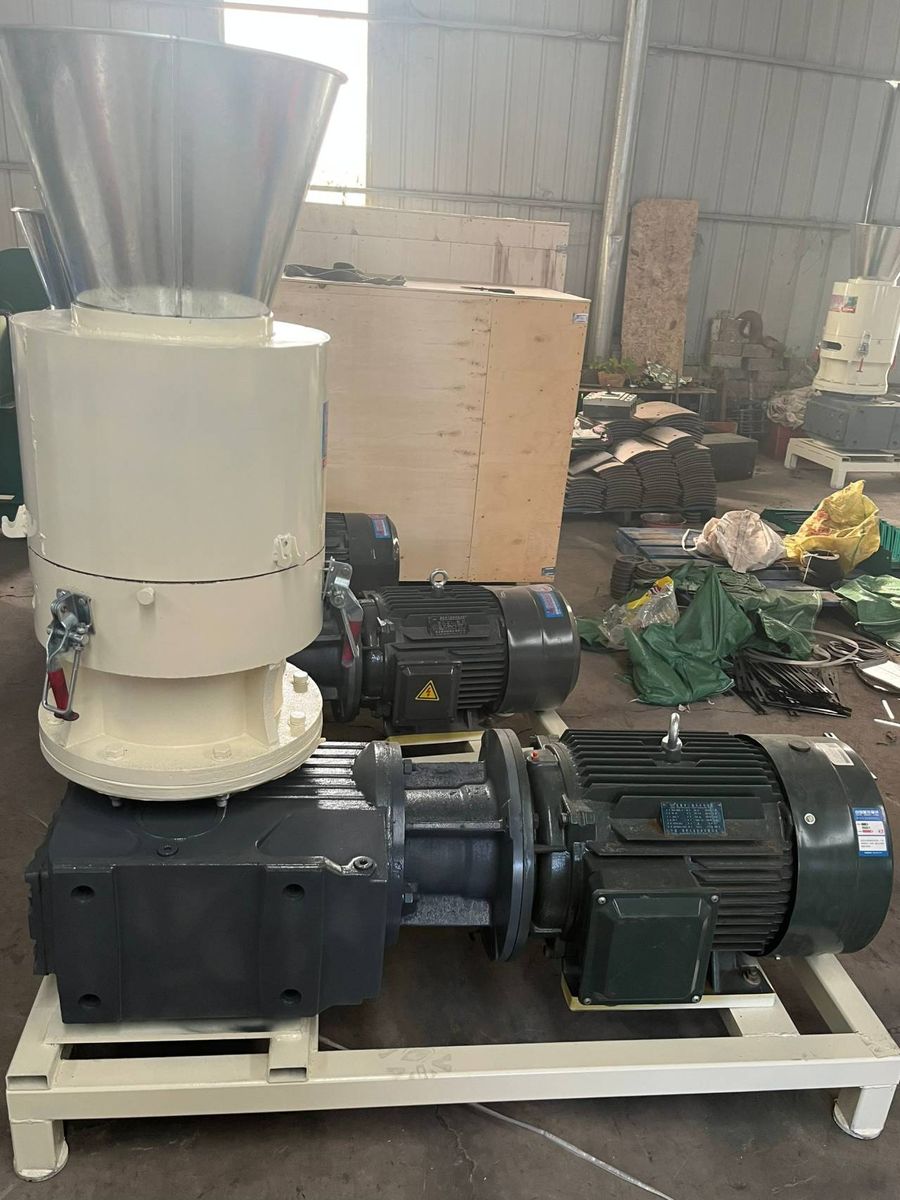
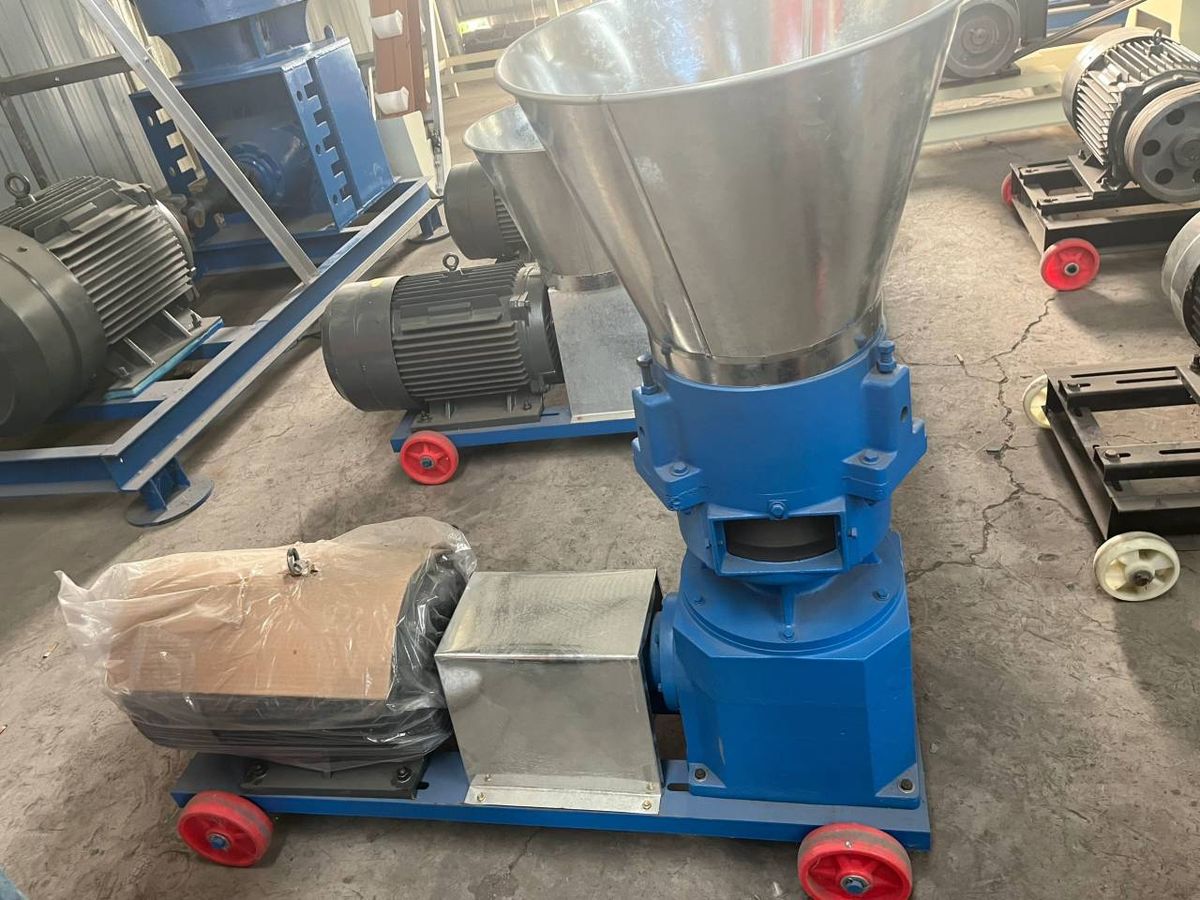
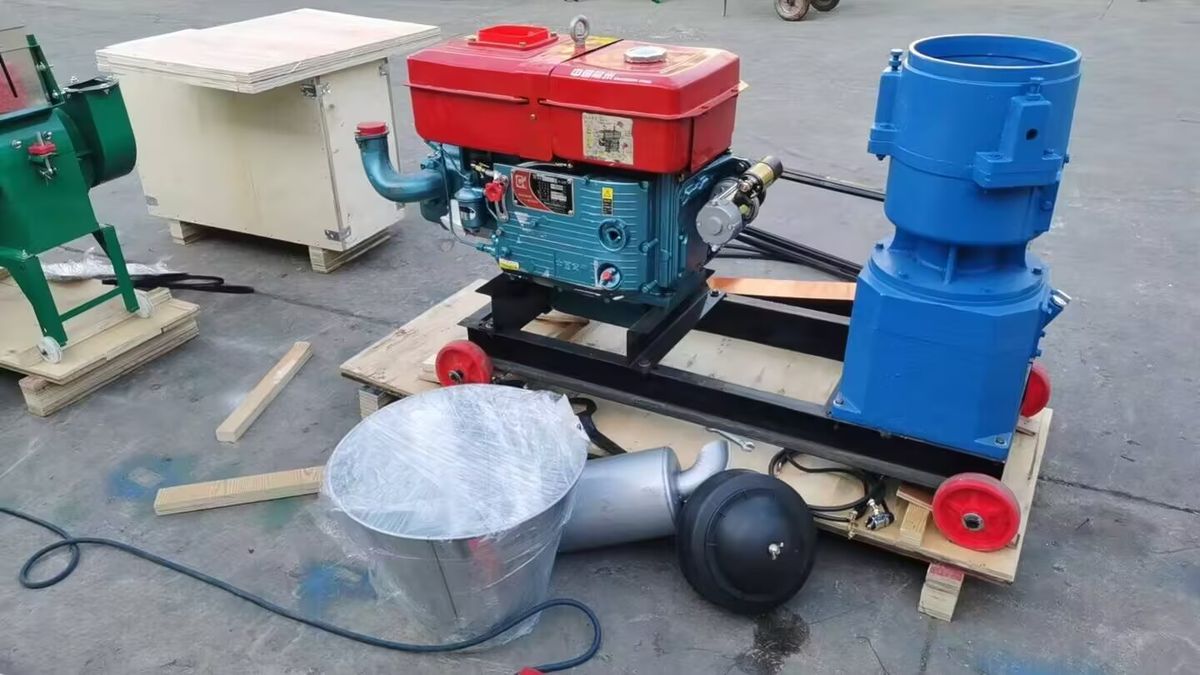
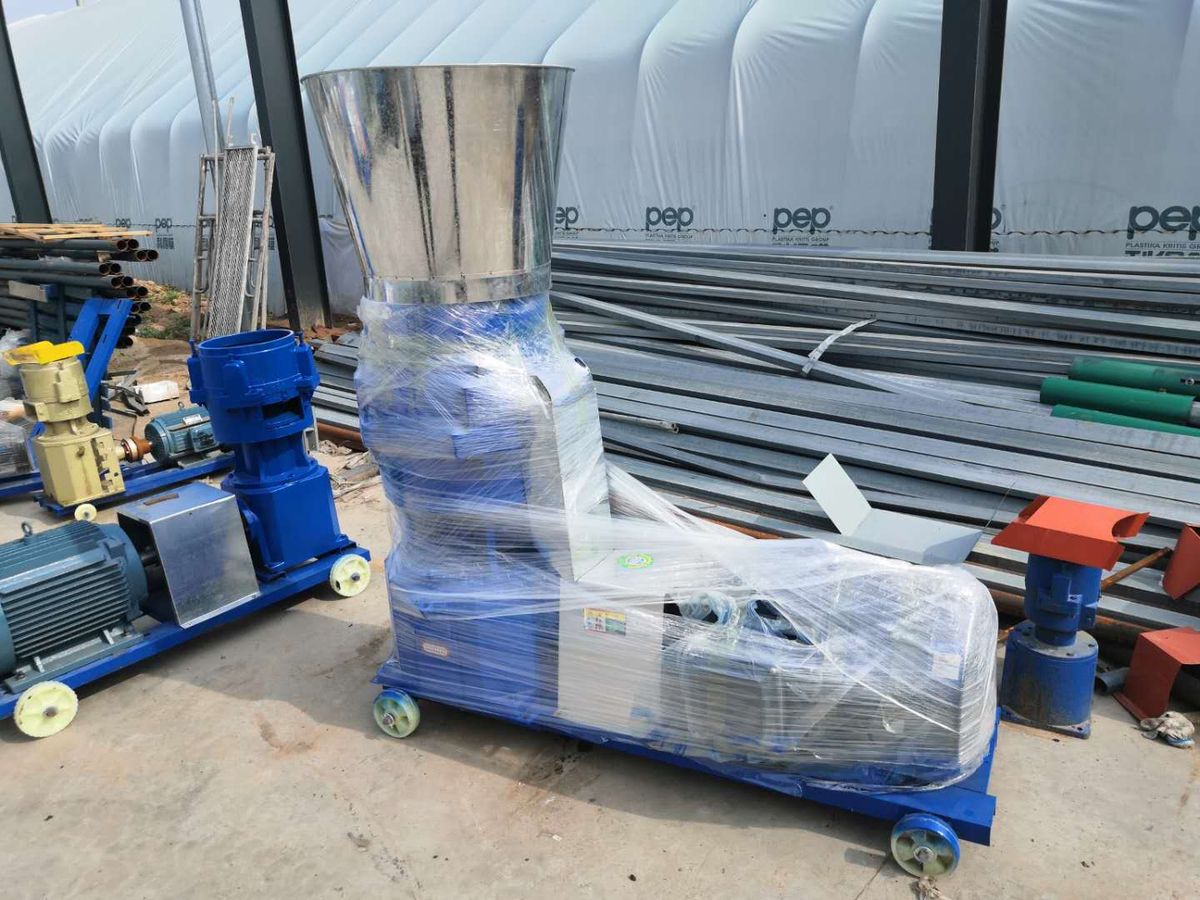
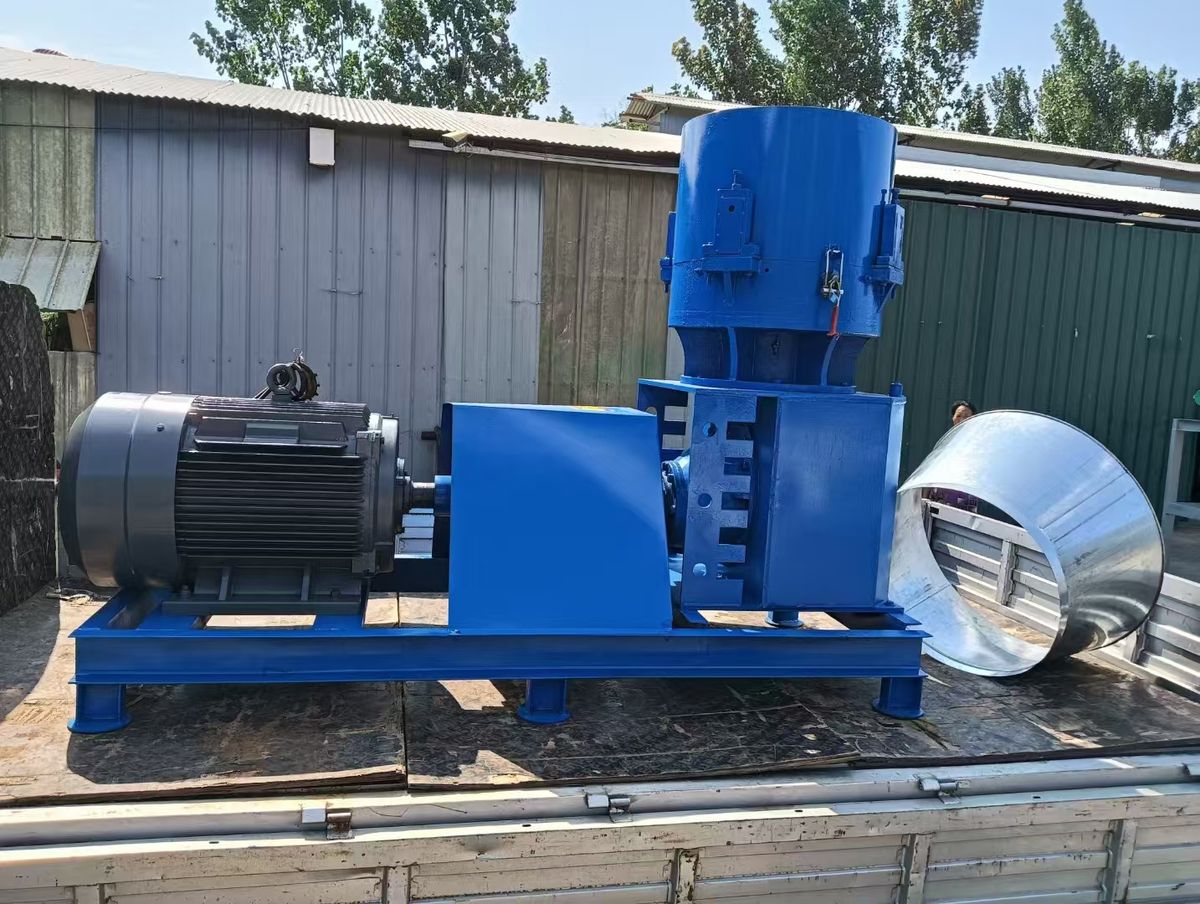
For high-fibre cattle or horse manure compost, a stirring-tooth (new type) granulator gives the highest granulation rate, up to 97%, and the roundest pellets. For a general organic line, a disc granulator is the simplest and cheapest machine that reaches about 93%. For very large capacities a rotary drum or drum churning granulator scales better. For dry material — dried poultry litter or straw blends — a flat die granulator avoids the need for water and drying altogether.
Usually 1–5% by weight. Starch produces the hardest pellets, bentonite is the cheapest and adds no nutrients, and humic acid or molasses improve the soil effect and support a higher organic-matter claim. The correct dose depends on the fibre and moisture of your compost and is best established by testing a sample of your own material before you order the line.
Commercially, usually yes. Pellets are dust-free, flow through a mechanical spreader, can be stored for months without caking and are easier to blend to a consistent analysis. They also sell for a higher price per tonne in most markets. The trade-offs are the additional capital cost of the granulation section and the fuel cost of drying, which is why a producer with a local powder market is often better advised to start with powder and add pelletising later.
Wet granulation leaves pellets at roughly 15–20% moisture, which the dryer then reduces to 12–14%. Dry granulation with a double roller or flat die machine produces pellets directly at the finished moisture, with no drying stage — which is one of the reasons those methods are attractive where fuel is expensive.
Fermentation is by far the longest stage at 10–15 days plus maturation. From mature compost onwards the process is continuous: crushing, screening, mixing, granulating, drying, cooling, coating and bagging normally complete within a few hours, depending on the moisture of the incoming compost and the capacity of the dryer.
Manure fertilizer machines that turn compost into a product: granulators, pellet machines, powder lines, coaters, cool…
Read more →Manure to fertilizer granulators compared: disc, rotary drum, stirring-tooth, roller and flat die machines, with granu…
Read more →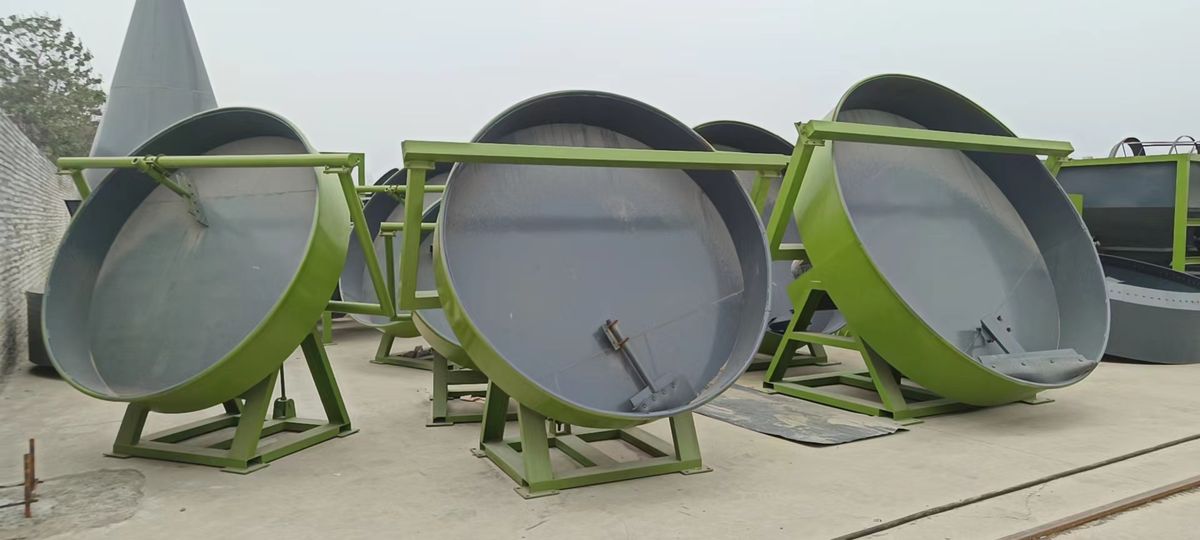
Chicken manure pellet machines that turn fermented poultry manure into 3–5 mm organic fertilizer pellets, with the dry…
Read more →Compost pellet machines that granulate mature compost from manure and green waste into uniform organic fertilizer pell…
Read more →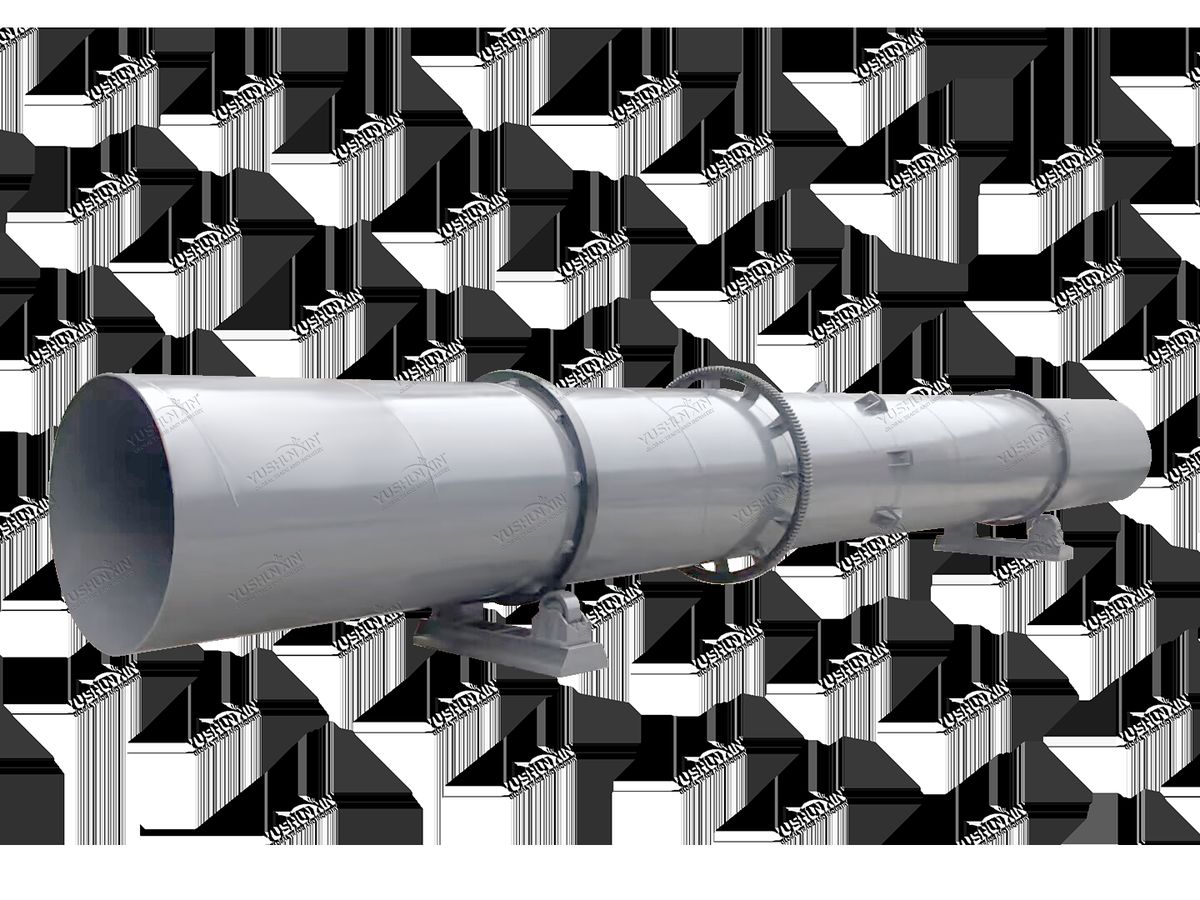
Manure drying machines that take compost and wet manure to 12–14% moisture for granulation and bagging, in single-pass…
Read more →Send your raw material, target capacity and country. Our engineers reply within one working day with a process route, equipment list and budget.
Send us your raw material and target capacity — we will propose the process, the machines and the budget.
Send your raw material and target capacity — our engineers reply within one working day with a process route, equipment list and budget.
Our engineering team will reply within one working day. For anything urgent, message us on WhatsApp.
Open WhatsApp