
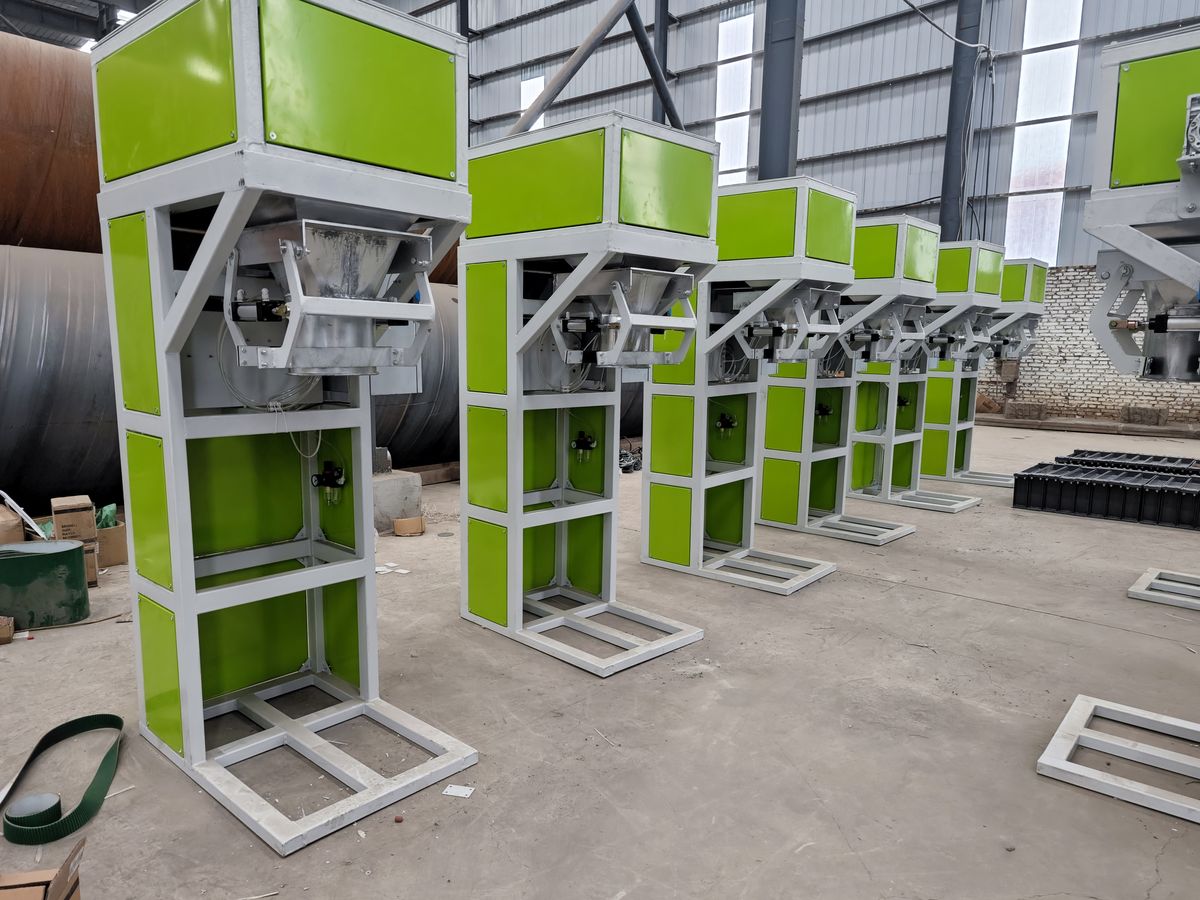
Manure Bagging Machine
Manure bagging machines from single-head packing scales to fully automatic bagging and palletising lines, filling 25 k…
Read more →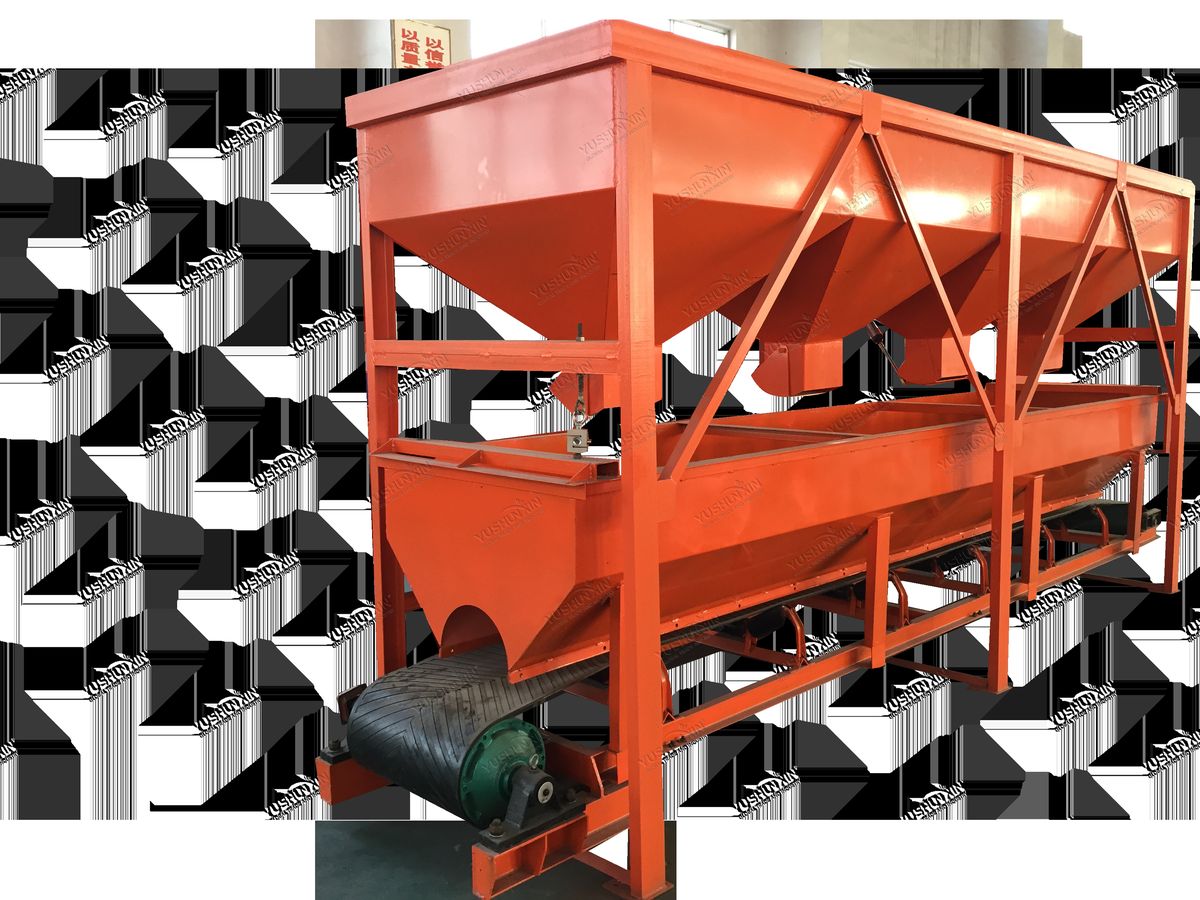
Polishing, coating and packaging do not change the fertilizer, but they change how it looks, how it stores and how it sells. These are the questions buyers ask about them.
Two things, in order. First, screen the pellets after drying to separate oversize and undersize from the saleable fraction — oversize is crushed and returned to the granulator, fines return with fresh binder. Second, pass the screened product through a polishing machine, which rotates the pellets at high speed so that their surfaces are rounded and their size distribution tightens. Screening alone fixes most of the problem; polishing is what makes the product look manufactured.
Use a coating machine. It applies a powder or liquid film to the pellet surface, which prevents pellets from sticking to each other during storage and transport and reduces dust. Coatings can also carry colour and additional nutrients. Caking has three causes — residual moisture above 14%, product temperature above 40 °C at bagging, and inadequate coating — and all three should be addressed together.
No. The granulator forms the pellet; the polishing machine improves its shape and surface. Pellets from a stirring-tooth or rotary drum churning granulator are usually round enough to sell without polishing. Pellets from a process that leaves them irregular, or products destined for retail horticultural markets where appearance matters, benefit from polishing.
There is no special requirement on the bag material. Our standard packing units use a bag-sewing machine rather than a heat-melt closure, so they accept woven polypropylene, paper sacks and lined bags equally well. Where moisture protection matters — typically for powder fertilizer in humid climates — a polyethylene liner inside a woven bag is the practical combination.
No, coating applies to pellets. On a powder line, caking is controlled instead by drying the product to a low moisture content and adding an anti-caking agent at 0.5–2% during mixing. The two approaches solve the same problem in the form appropriate to the product.
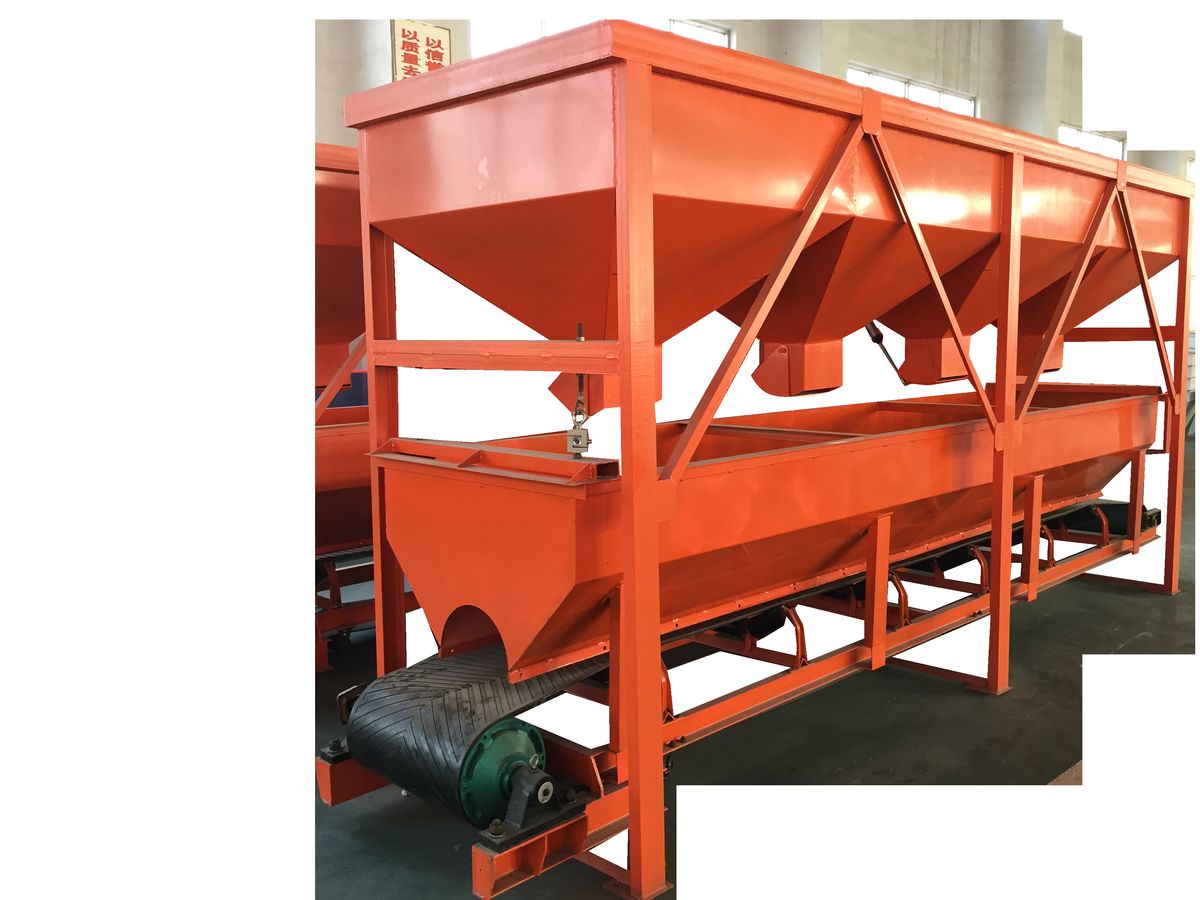
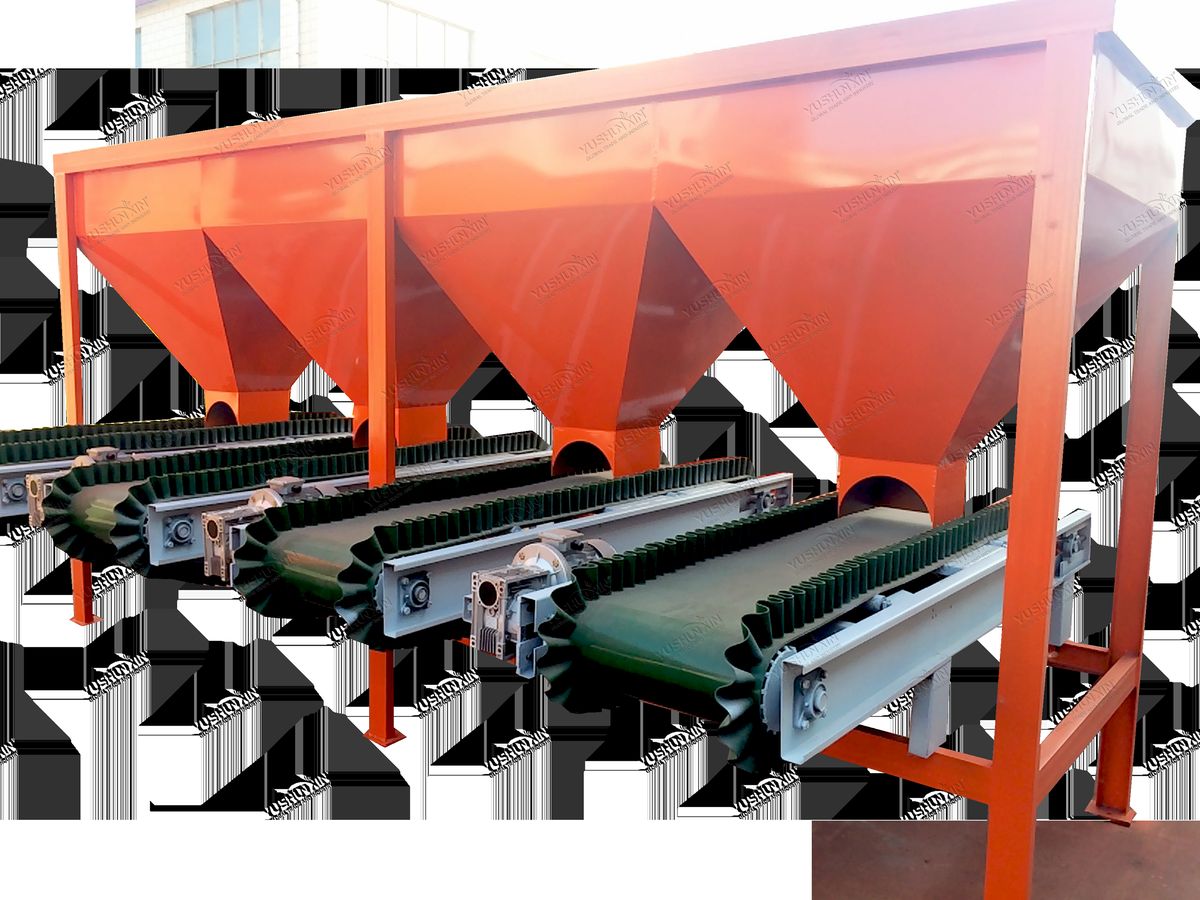
Beyond polishing, coating and packing: conveying between every pair of machines, a buffer bin ahead of the granulator and the dryer, dust collection at the crusher, screener, cooler and packing station, and a control panel. On larger lines, automatic batching and a palletiser are the auxiliary systems that reduce labour most.
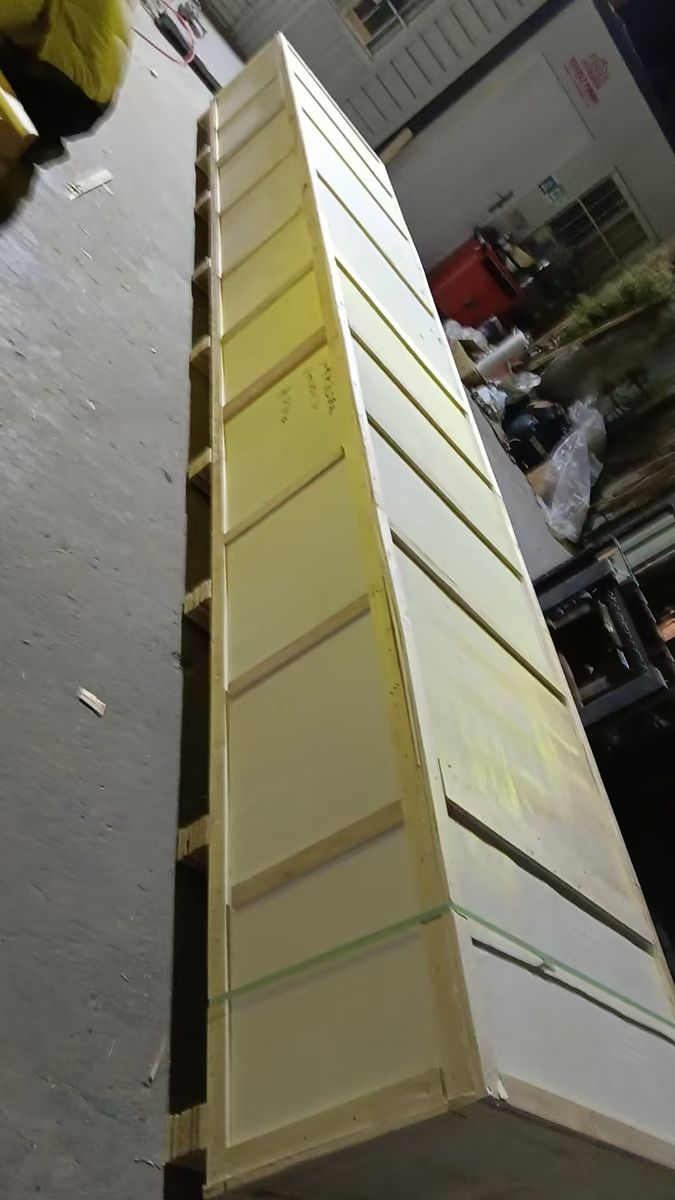
Photographed in our Xingyang workshop and on customer sites. Watermark-free, no phone numbers.
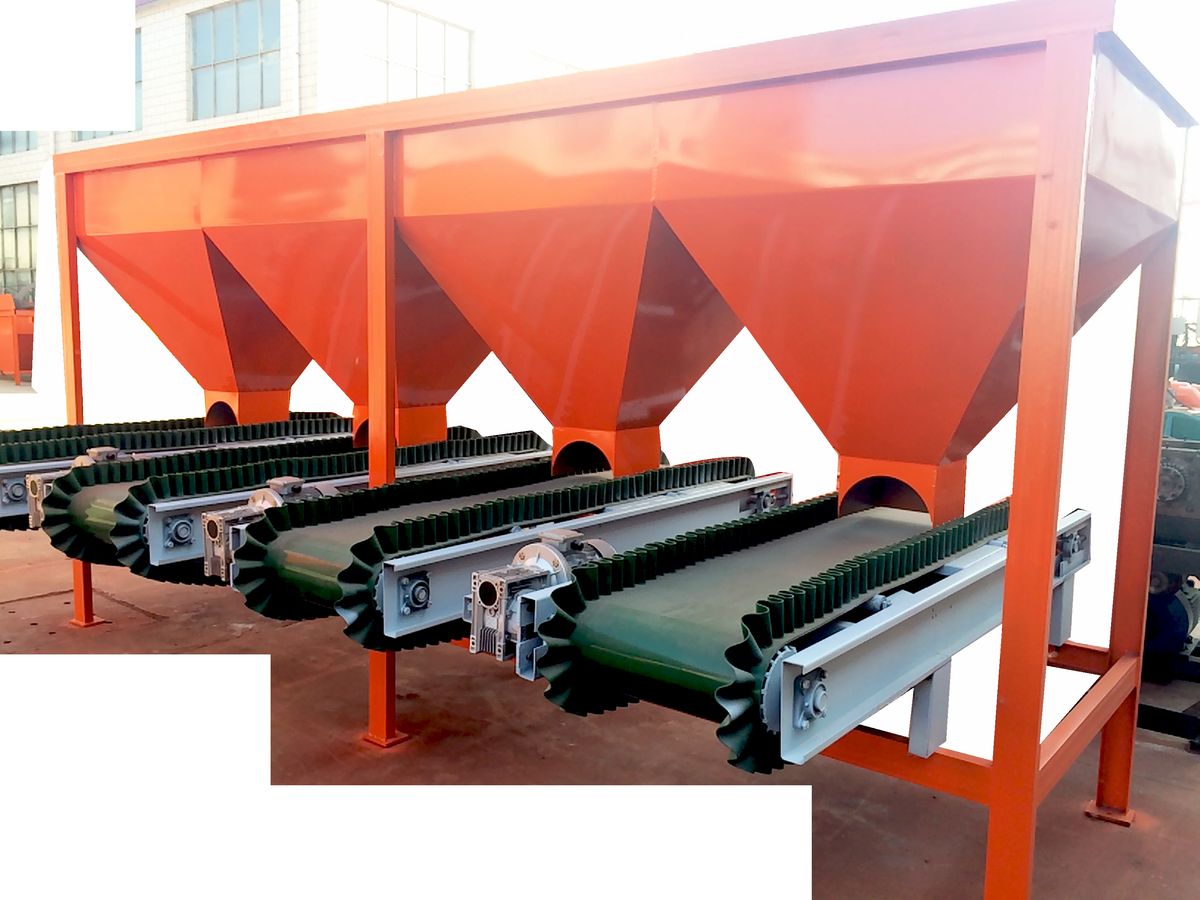
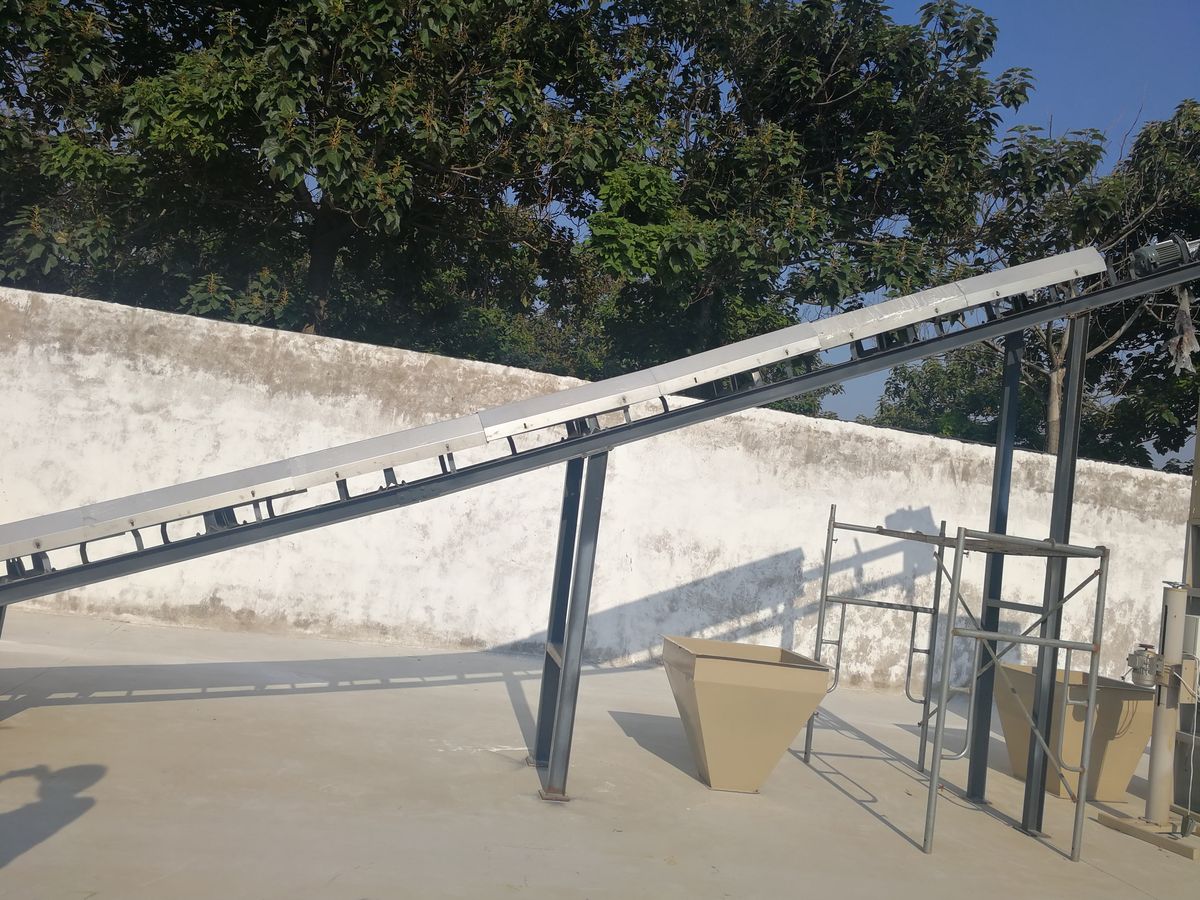
Manure bagging machines from single-head packing scales to fully automatic bagging and palletising lines, filling 25 k…
Read more →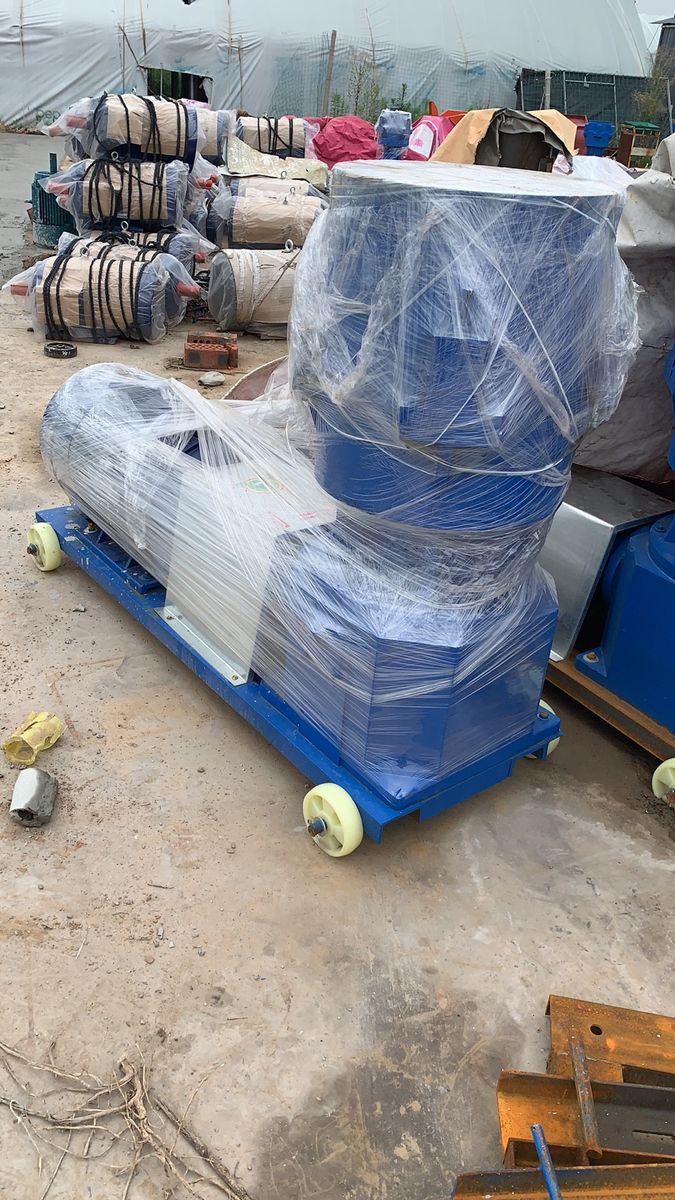
Manure fertilizer machines that turn compost into a product: granulators, pellet machines, powder lines, coaters, cool…
Read more →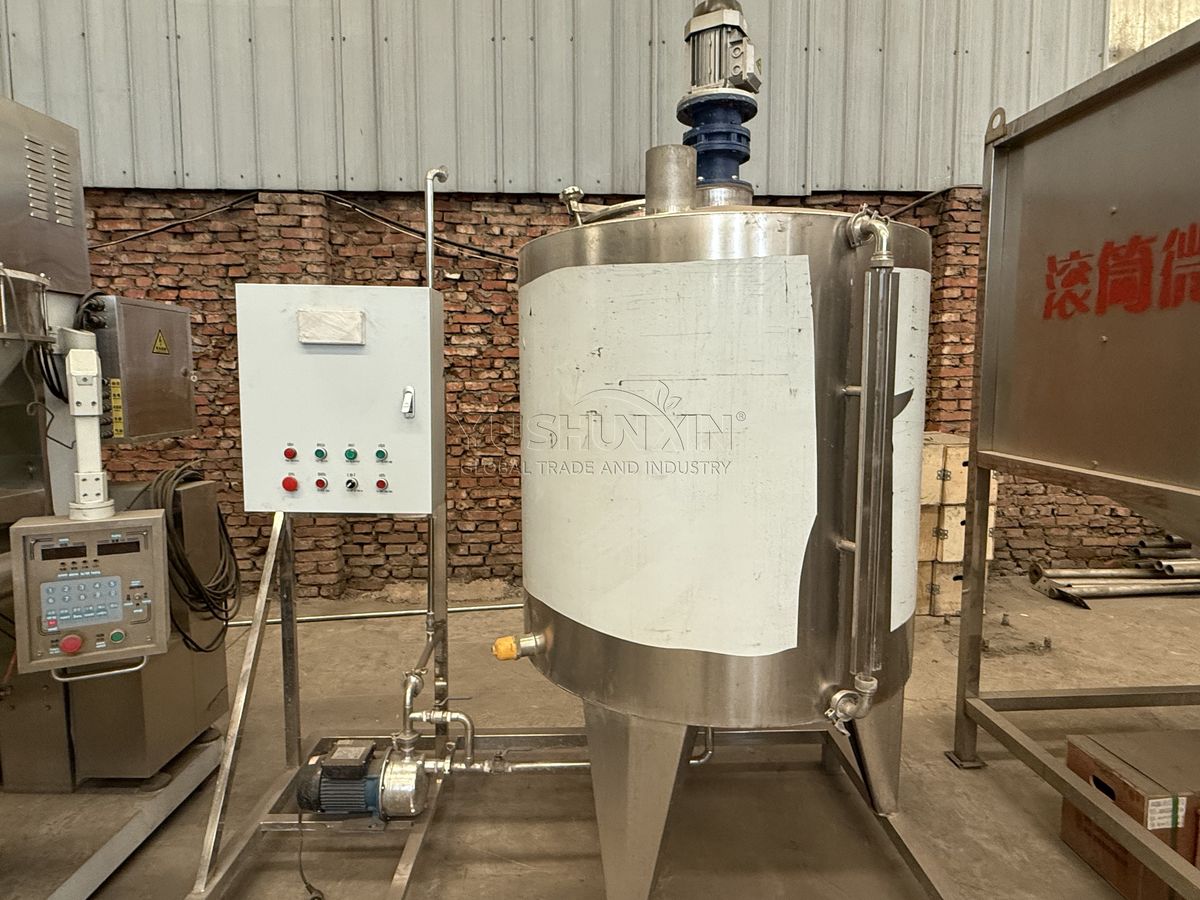
Answers to the questions we are asked most about manure processing: composting methods, equipment selection, plant are…
Read more →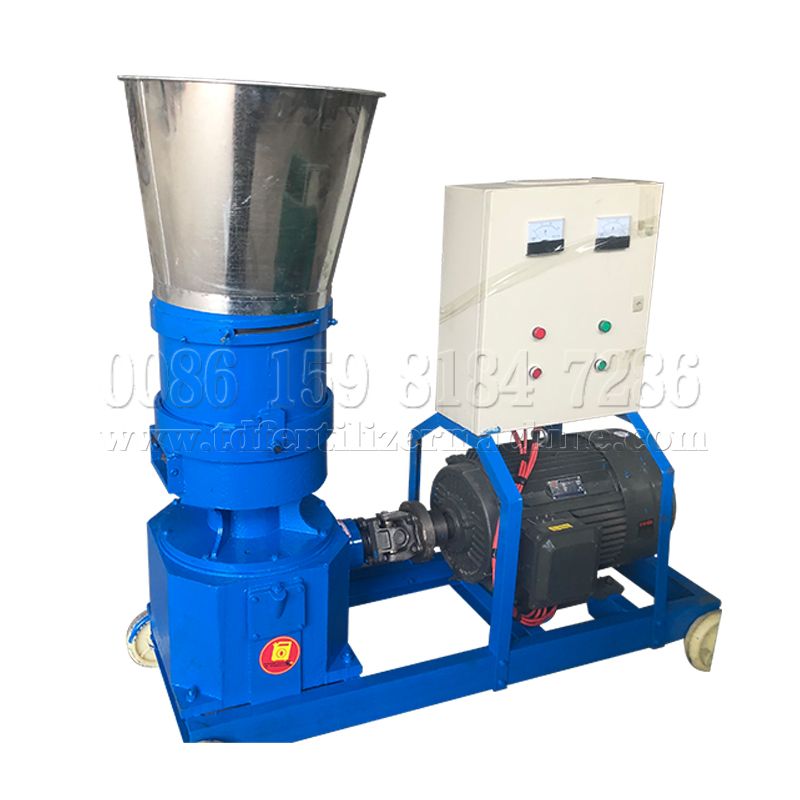
Manure pellet machines that turn fermented compost into uniform organic fertilizer pellets: disc, drum, stirring-tooth…
Read more →Send your raw material, target capacity and country. Our engineers reply within one working day with a process route, equipment list and budget.
Send us your raw material and target capacity — we will propose the process, the machines and the budget.
Send your raw material and target capacity — our engineers reply within one working day with a process route, equipment list and budget.
Our engineering team will reply within one working day. For anything urgent, message us on WhatsApp.
Open WhatsApp