
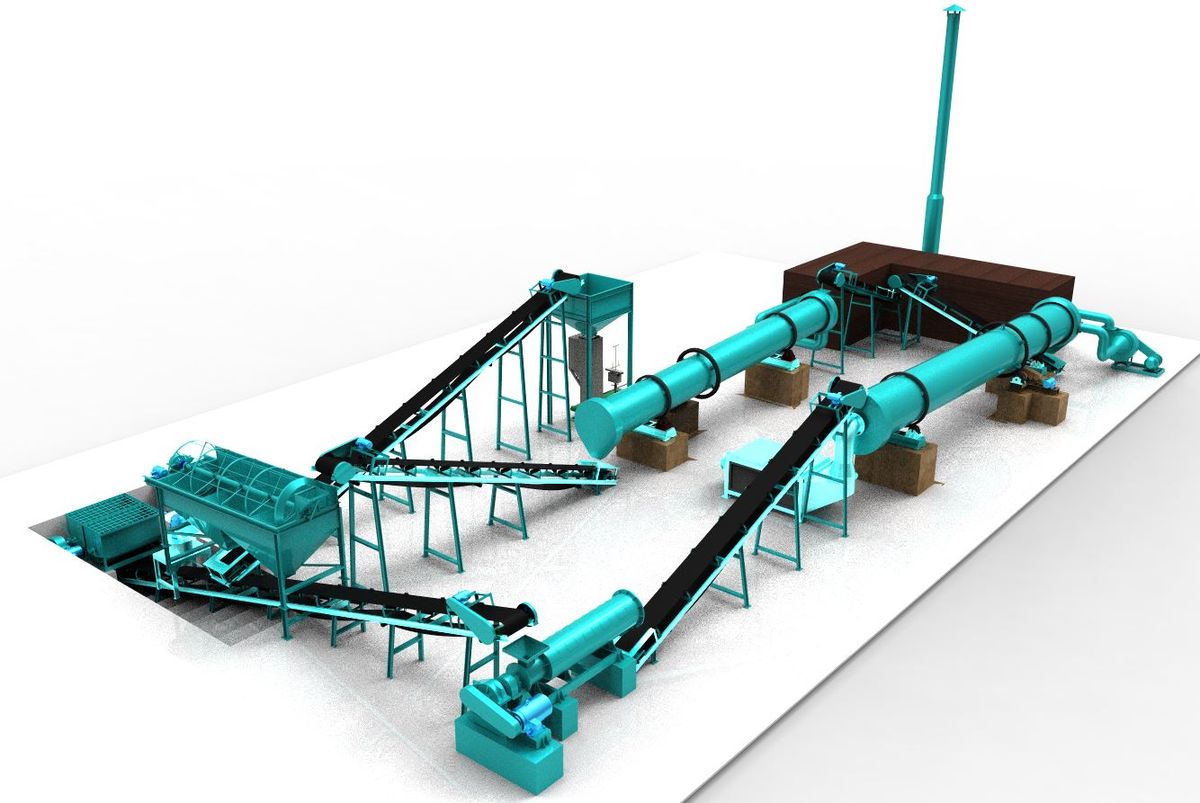
Manure Fertilizer Plant Cost
What a manure fertilizer plant costs and why: the five cost drivers, budget bands by plant scale, operating cost per t…
Read more →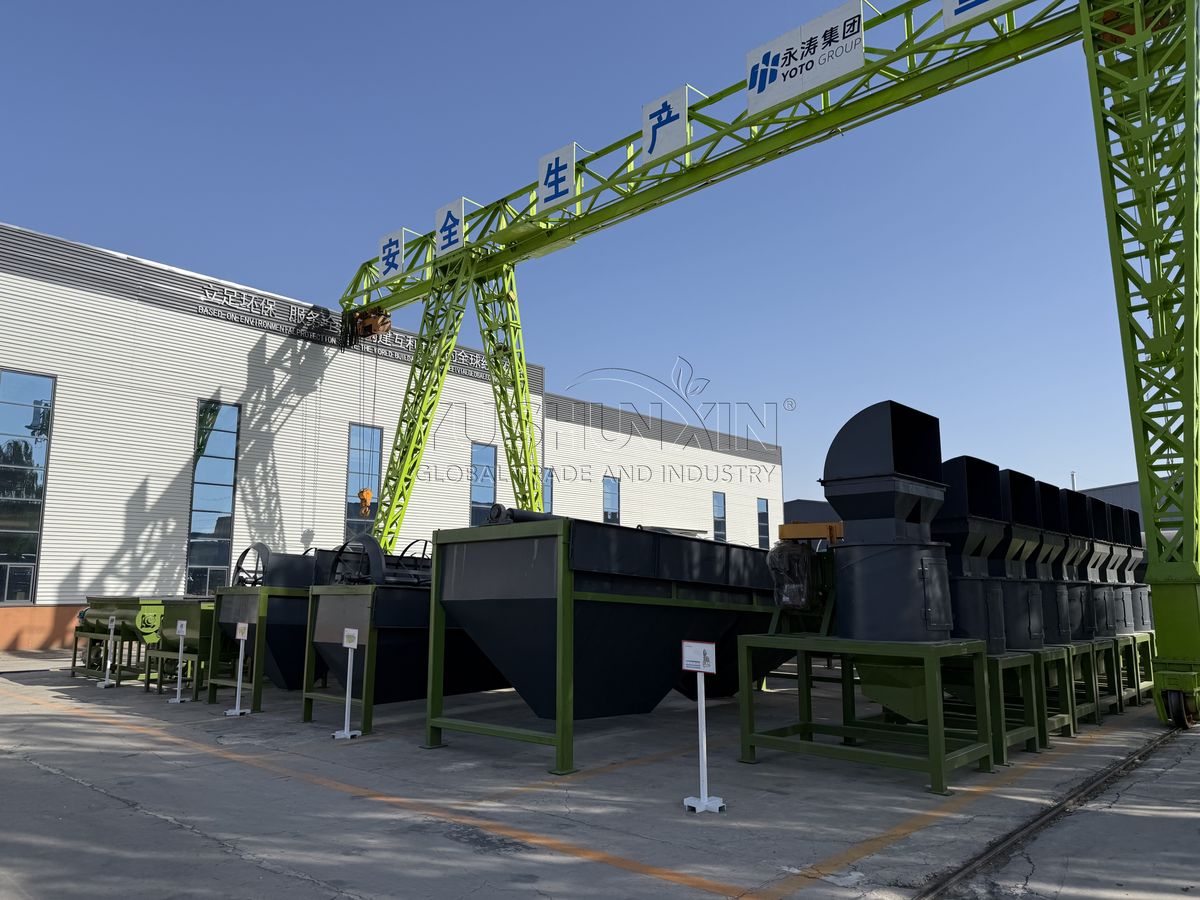
A practical sequence for starting a manure fertilizer business, written from the projects we have commissioned — including the steps that are easy to skip and expensive to get wrong.
The order matters. Steps 1 to 4 cost almost nothing and determine whether the project works; steps 5 to 8 are where the money is spent.
Establish a written supply: your own herd, a contract with a dairy or poultry operation, or an agreement with a municipal or market waste collector. The most common reason a manure fertilizer plant underperforms is not mechanical failure but a shortage of consistent raw material. Know the animal, the volume, the moisture and the collection schedule.
Have a laboratory report on nitrogen, phosphorus, potassium, organic matter, moisture, pH, salinity and the carbon-to-nitrogen ratio. This single document determines your fermentation time, your blending recipe, your drying load and the nutrient claim you can legally print on the bag.
Decide between compost, powder fertilizer and granules, then confirm who will buy it and at what price. Talk to agricultural input distributors, nurseries, tea and vegetable estates, and government subsidy programmes. A signed letter of intent from one distributor changes the entire economics of the project.
Most countries require organic fertilizer to be registered, and the rules specify minimum organic matter, maximum moisture, limits on heavy metals and a declared nutrient analysis. Find out the requirement before you choose the granulation method, because it may force you to add nutrients or to dry the product further.
Match the route to the material: separation and drying for wet slurry, deodorising and forced aeration for poultry manure, a heavy-duty turner for horse bedding. Powder if the market buys powder; granules if it pays a premium and you have the power and fuel budget for drying.
Concrete fermentation floor with drainage and a slope, a covered area for bagging, three-phase power of the correct voltage, a hard access road for containers and trucks, and enough land for the fermentation area to grow with you. This stage is where budgets overrun most often, so price it with a local contractor before ordering equipment.
Order from a manufacturer who supplies the whole chain and issues layout, foundation and electrical drawings. Insist on commissioning at your site and operator training, and ask for a wear-parts list so you can stock locally.
Start delivering, record the cost per bag and the actual output, and let a full season of real numbers decide your next investment. Add granulation, another fermentation channel or a second shift only once the first configuration is running reliably at capacity.
Figures below are illustrative for a plant processing about 20 tonnes of raw manure a day. Substitute your own local prices; the structure is what matters.
| Item | Planning figure | Notes |
|---|---|---|
| Raw manure available | 20 t/day | About 300–400 head of cattle, or a contract with a nearby dairy or feedlot |
| Compost yield after fermentation | 12–14 t/day | Volume and mass fall by 30–40% during composting |
| Finished powder fertilizer | 10–12 t/day | After screening losses and the return circuit |
| Working days | 280 per year | Allowing for rain, holidays and maintenance |
| Annual output | ~3,000 t | At 10.5 t/day average |
| Staff | 3–4 people | Feeding, fermentation, crushing and screening, bagging |
| Product loss to allow for | 8–10% | Screen oversize, spillage and dust collection fines |
| First-year utilisation | 60% of capacity | Build up from there as distribution develops |
The first is buying the impressive machine first. Producers who order a granulation line before their fermentation is reliable end up with a dryer and granulator sitting idle while they fight inconsistent compost. Fermentation is the heart of the plant; get it right, sell powder for a season, and granulation becomes an easy decision rather than a gamble.
The second is underestimating working capital. A fertilizer plant is a stock business: you hold raw material, work in process on the fermentation floor, and finished bags waiting for orders. That is typically two to three months of production held in inventory. Producers who spend their entire budget on equipment and leave nothing for inventory are forced to sell at whatever price they can get, which destroys their margin precisely when they need it most.
The third is selling a commodity when they could sell a product. Organic fertilizer bought in bulk is priced against whatever the nearest competitor charges. The same material screened to a consistent mesh, blended to a stated analysis, bagged with a brand, a batch number and application instructions, and supported by a demonstration plot on a local farm, sells for considerably more. In our experience the marketing investment pays back faster than the equipment investment does, and it is the step most first-time producers skip entirely.
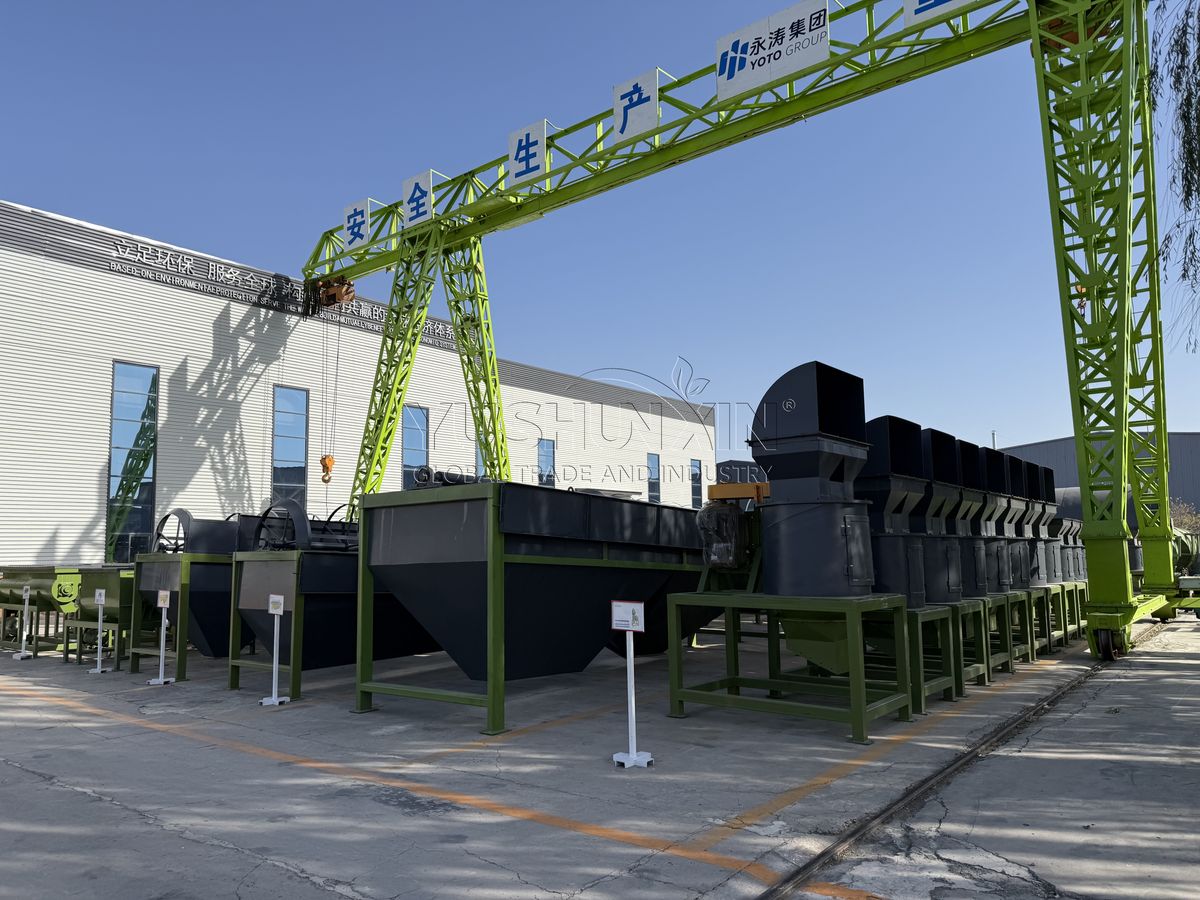
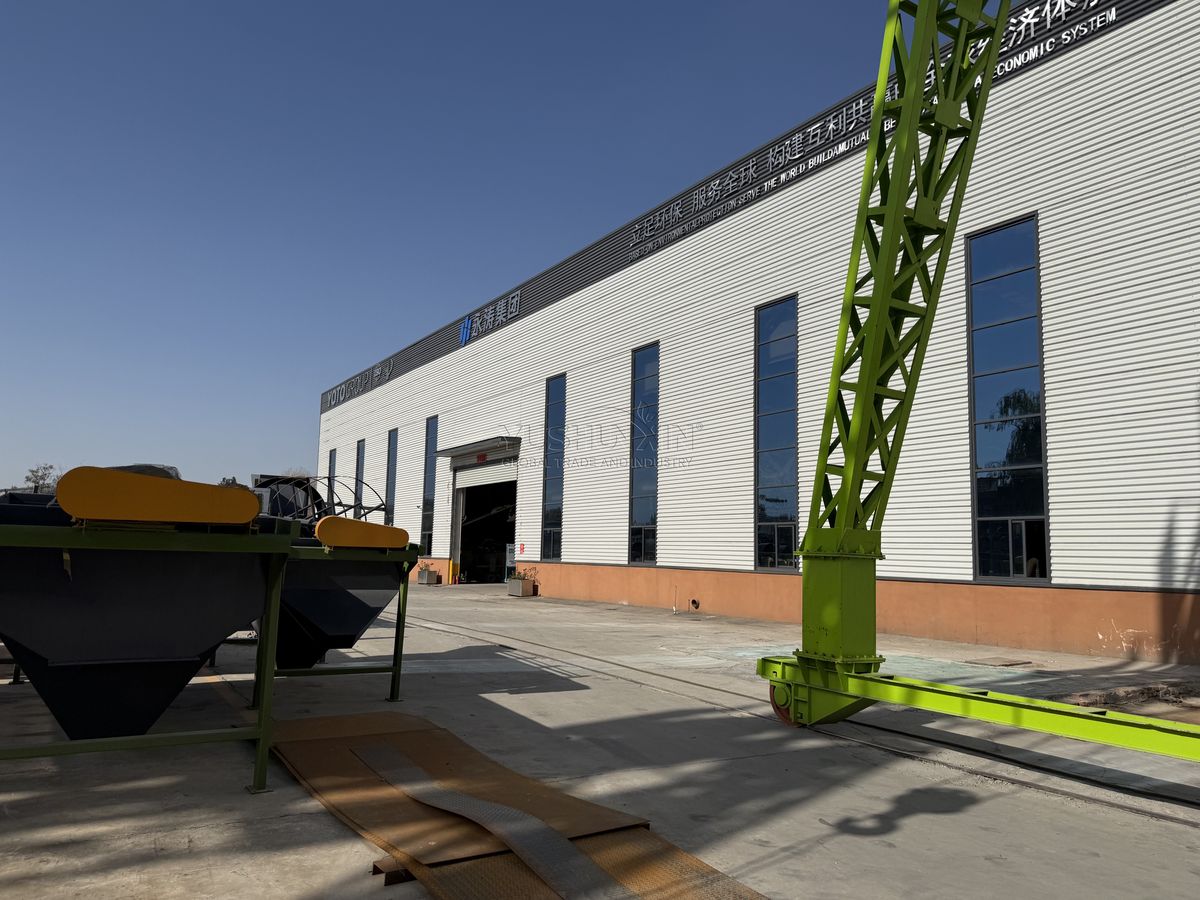
Photographed in our Xingyang workshop and on customer sites. Watermark-free, no phone numbers.
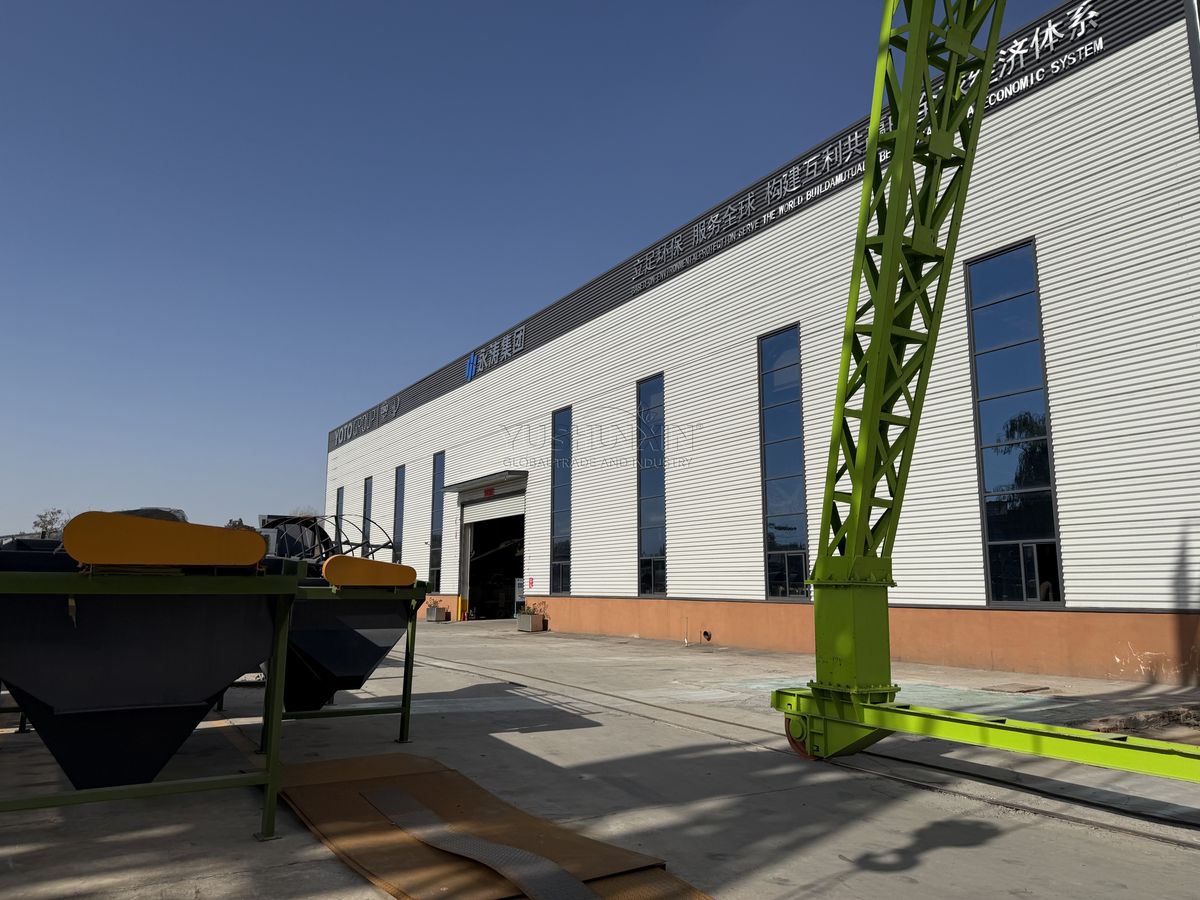
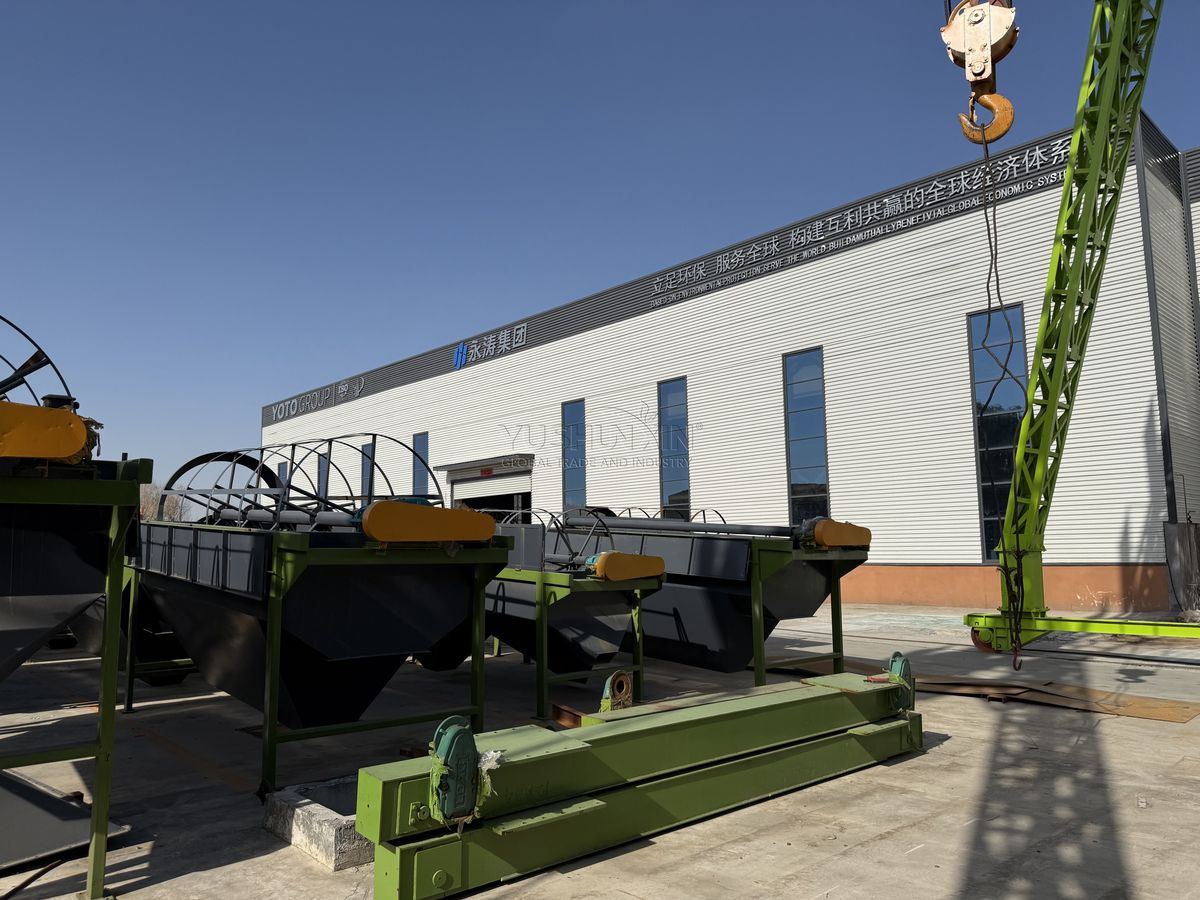
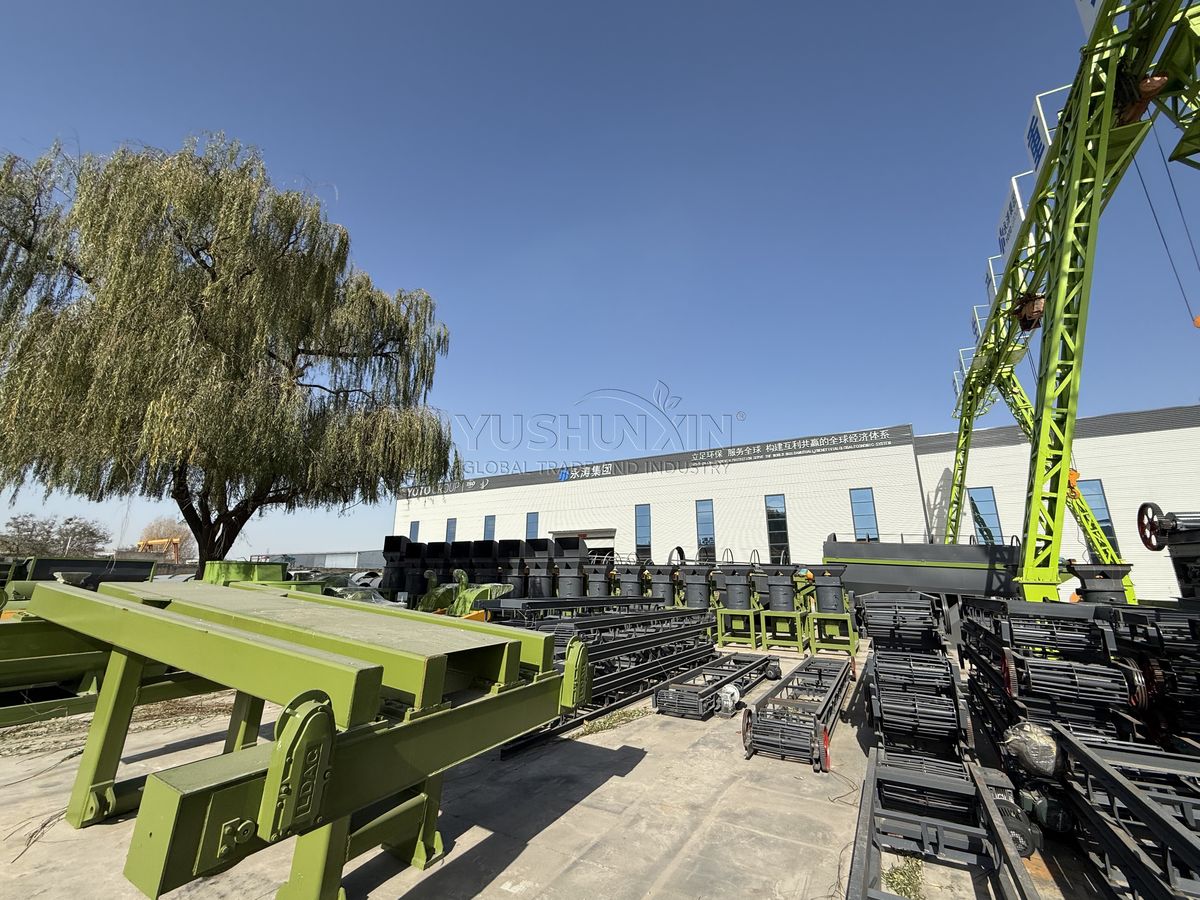
The split that matters is roughly half equipment and half everything else. Begin with separation, fermentation, crushing, screening and bagging for a powder product; add site works, freight, duty and installation; and then add two to three months of working capital for raw material and finished stock. Producers who plan only for the equipment budget are the ones who get into difficulty during their first selling season, not during construction.
In most countries, yes — organic fertilizer is a registered input with a declared analysis and limits on moisture, organic matter and heavy metals. The process is usually a registration rather than a difficult licence, but it requires laboratory analysis of your product, a defined formulation and a labelled bag. Start the process as soon as you have a product sample; in some markets it takes several months.
Yes. Many successful plants are built next to a manure source rather than owning it — a dairy cooperative, a poultry integrator, a feedlot or a municipal collection service. What matters is a written, reliable supply with an agreed schedule and a moisture specification. Buying manure is normal and often cheaper than producing it yourself, provided the contract is firm and transport is arranged.
A small powder plant selling into an established local market typically reaches operating profit within its first full season and repays the equipment in one to two seasons, provided the product is sold in bags rather than bulk. A granule line, with its higher capital cost and drying energy, generally takes three to five years. The deciding factors are the price you achieve per bag and the number of days per year the plant actually runs.
What a manure fertilizer plant costs and why: the five cost drivers, budget bands by plant scale, operating cost per t…
Read more →Complete manure fertilizer production lines from 1 to 30 t/h: separation, fermentation, batching, granulation, drying,…
Read more →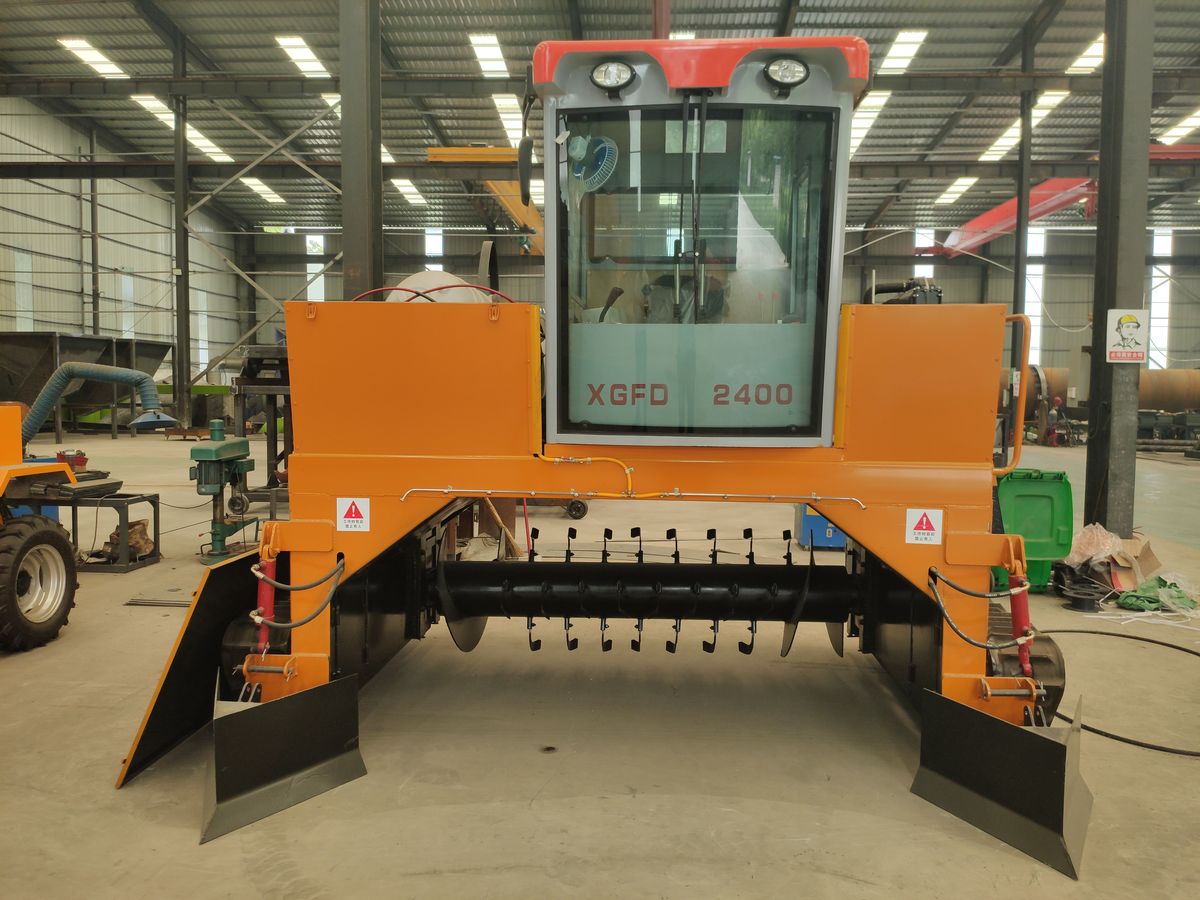
Small scale organic fertilizer production from 0.5 t/h: the minimum equipment set, what to leave out, and how to grow …
Read more →Complete manure to fertilizer solutions: separation, fermentation, crushing, screening, granulation, drying and baggin…
Read more →How to build a farm waste management plan: assess waste streams, size storage, set up composting, plan land applicatio…
Read more →Send your raw material, target capacity and country. Our engineers reply within one working day with a process route, equipment list and budget.
Send us your raw material and target capacity — we will propose the process, the machines and the budget.
Send your raw material and target capacity — our engineers reply within one working day with a process route, equipment list and budget.
Our engineering team will reply within one working day. For anything urgent, message us on WhatsApp.
Open WhatsApp