
Methods and process FAQ
Composting conditions, turning frequency, moisture and carbon ratio, fermentation time, and what to do about odour and flies.
View details →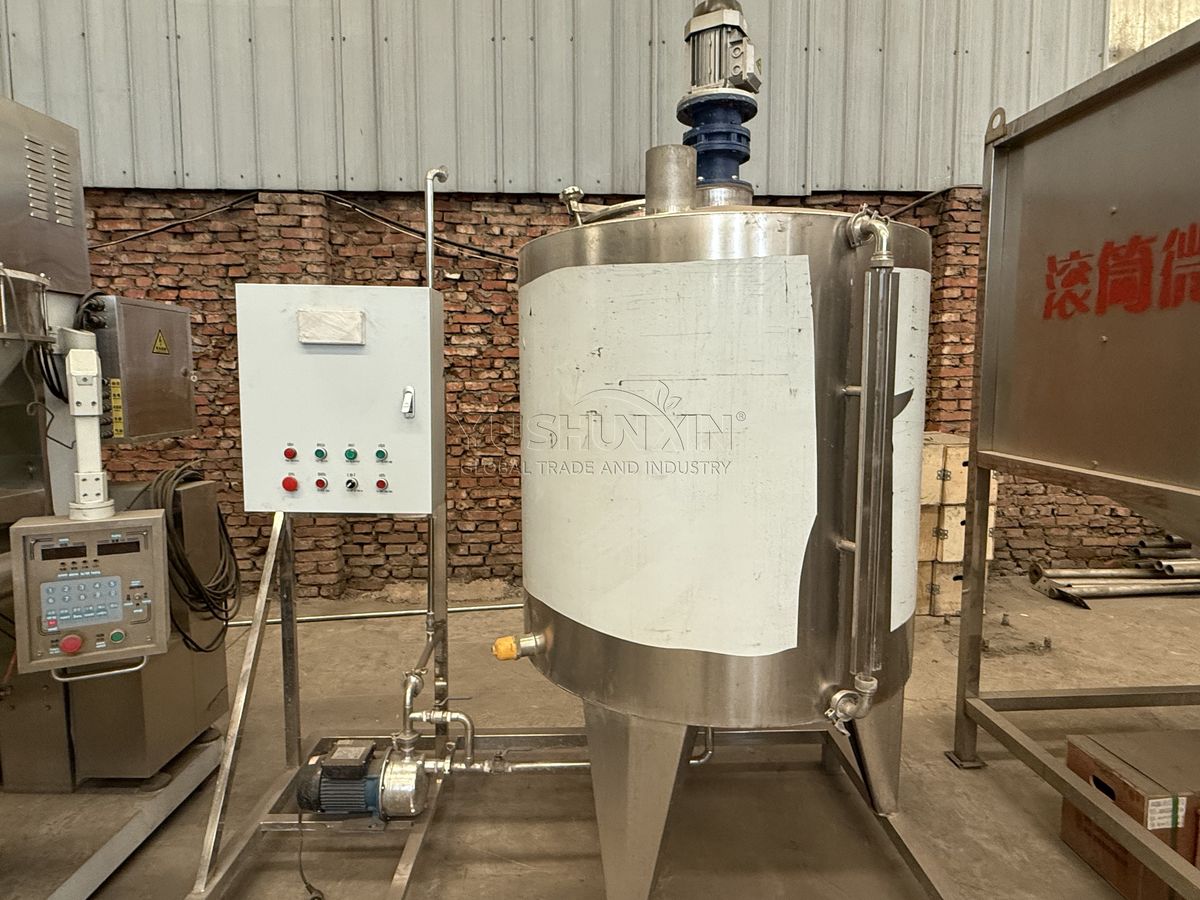
Every question here comes from a customer enquiry, and every answer is what our engineers actually told them. If your question is not covered, send it to us and we will answer it directly.
Manure processing questions fall into four groups. The first is about the material: how to compost it, when it is finished, how wet it should be, and what to add. The second is about machines: which turner, which crusher, which granulator, and what each one needs from the machine before it. The third is about the plant: how much land, how much power, how many people, and how long installation takes. The fourth is commercial: what it costs, what it earns, and where the risks are.
The four FAQ pages below cover each group in detail, and the general FAQ page collects the questions that do not fit neatly into any of them. Where a question has a different answer depending on your animal or your climate, we have said so rather than giving a single figure that would be misleading. Where a figure is an engineering rule of thumb rather than a hard limit, we have described it as such.
If you cannot find your answer, send us the question with a short description of your situation — animal, daily volume, country and the product you want to sell. Our engineers answer enquiries within one working day, and the answer will be specific to your project rather than a catalogue extract.
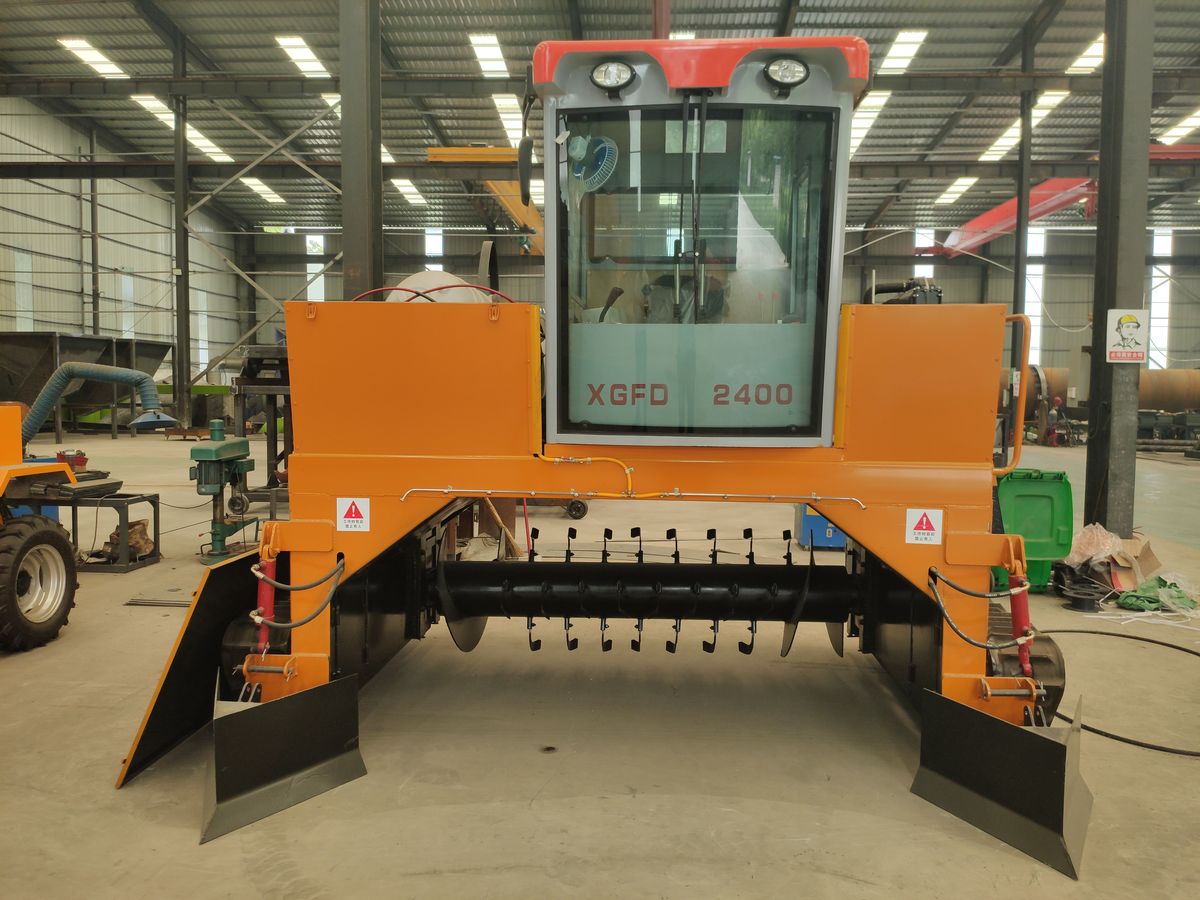
Composting conditions, turning frequency, moisture and carbon ratio, fermentation time, and what to do about odour and flies.
View details →Self-propelled versus crawler turners, rotor speed, fuel and lubrication, spray systems, cabins and the questions buyers ask first.
View details →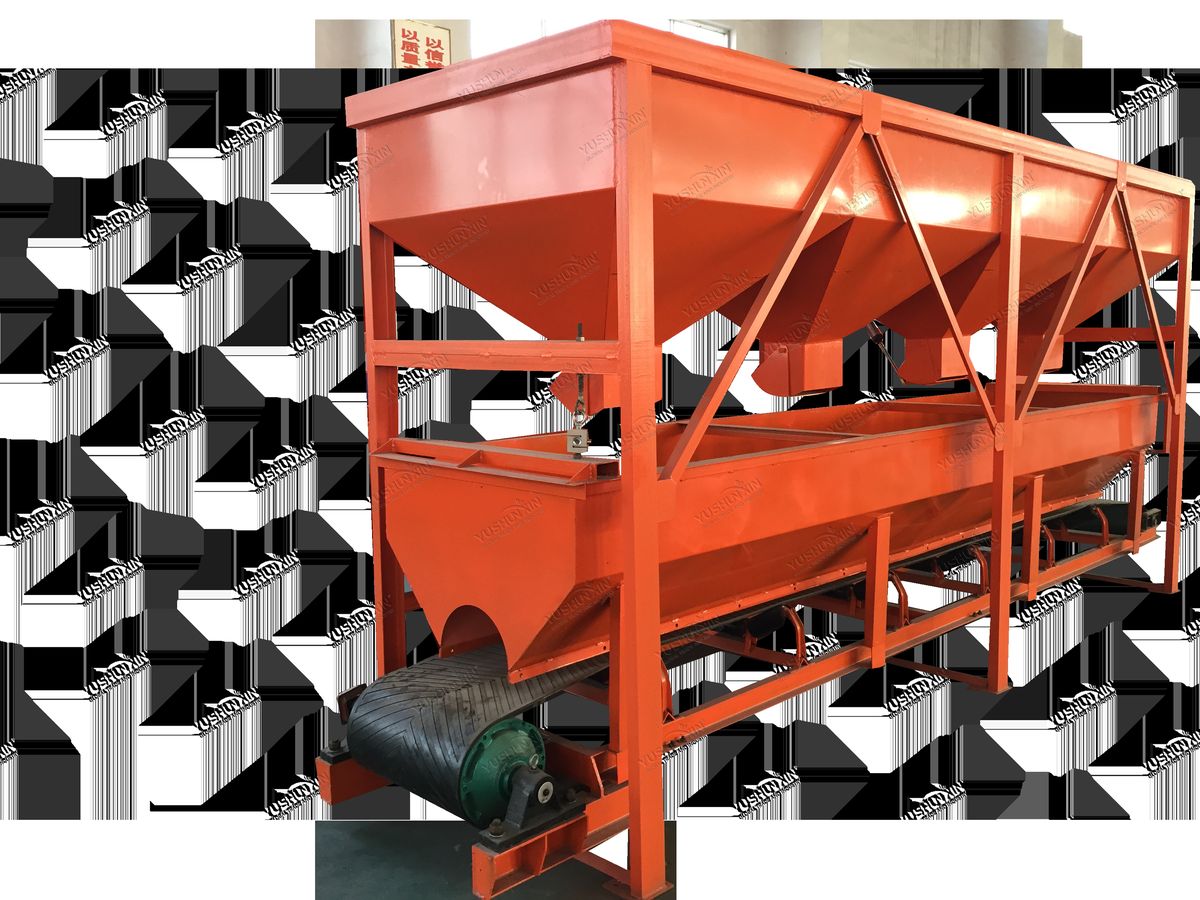
Polishing machines, coating machines, packaging equipment and the small units that finish a fertilizer line.
View details →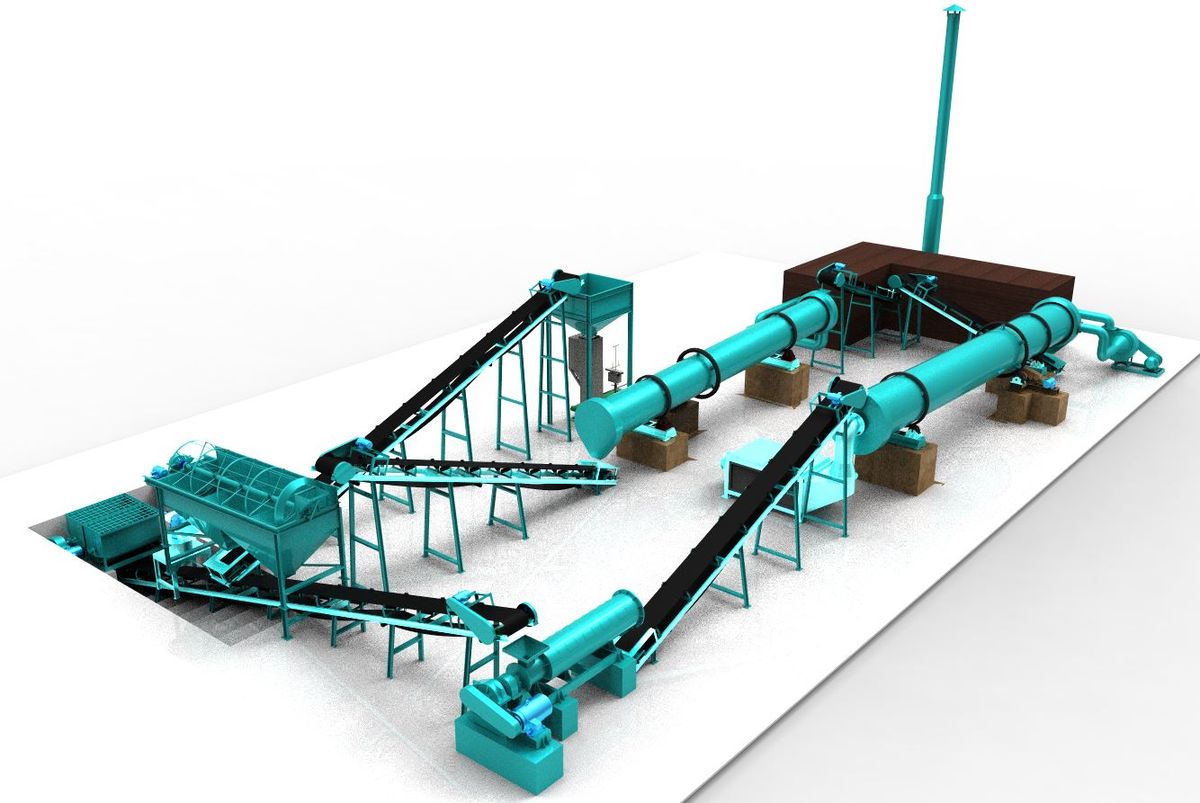
The full powder and granule process routes, what each stage contributes, and how equipment is selected for a capacity.
View details →
Installation time, the number of engineers required, staffing levels and skills, plant area, building height and loading equipment.
View details →The remaining questions — certification, spare parts, payment terms, warranty, voltage, and how to arrange a factory visit or a material test.
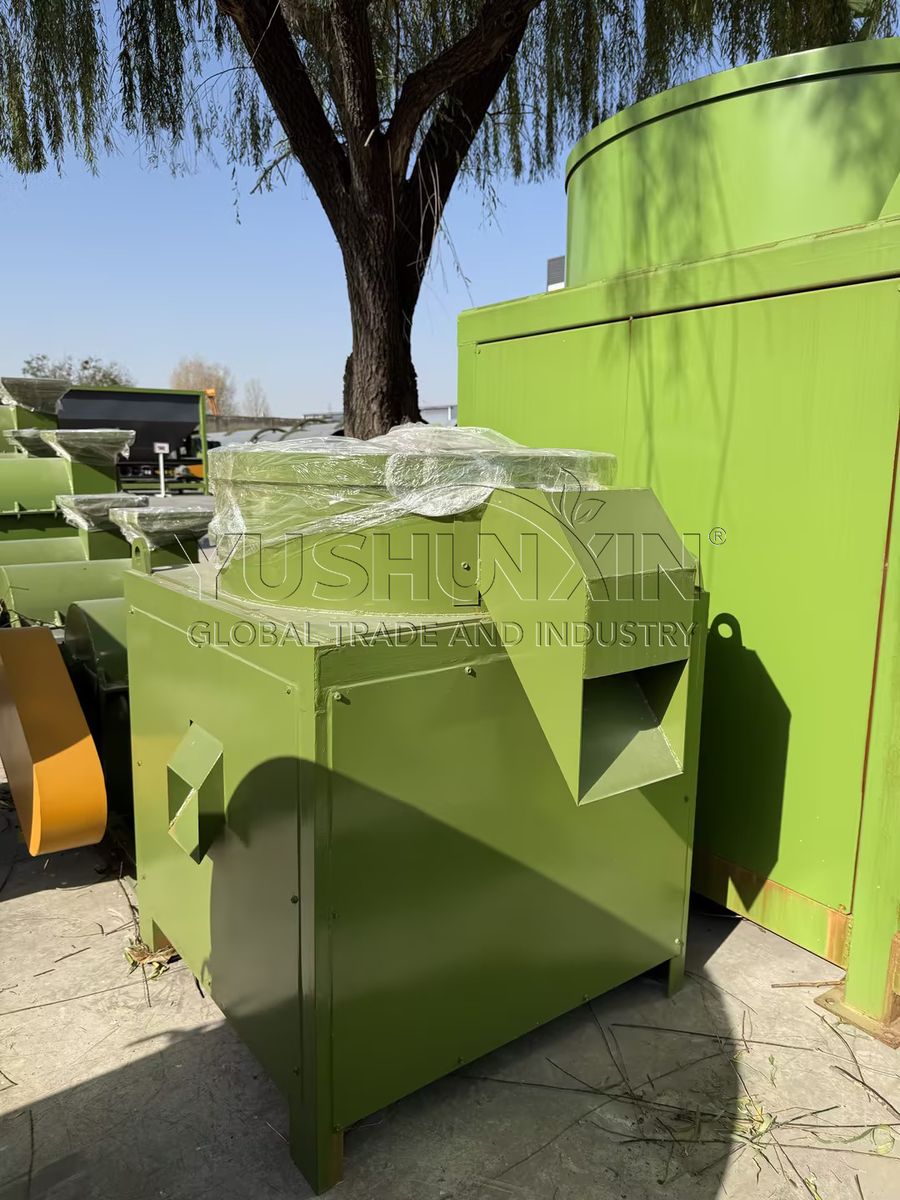
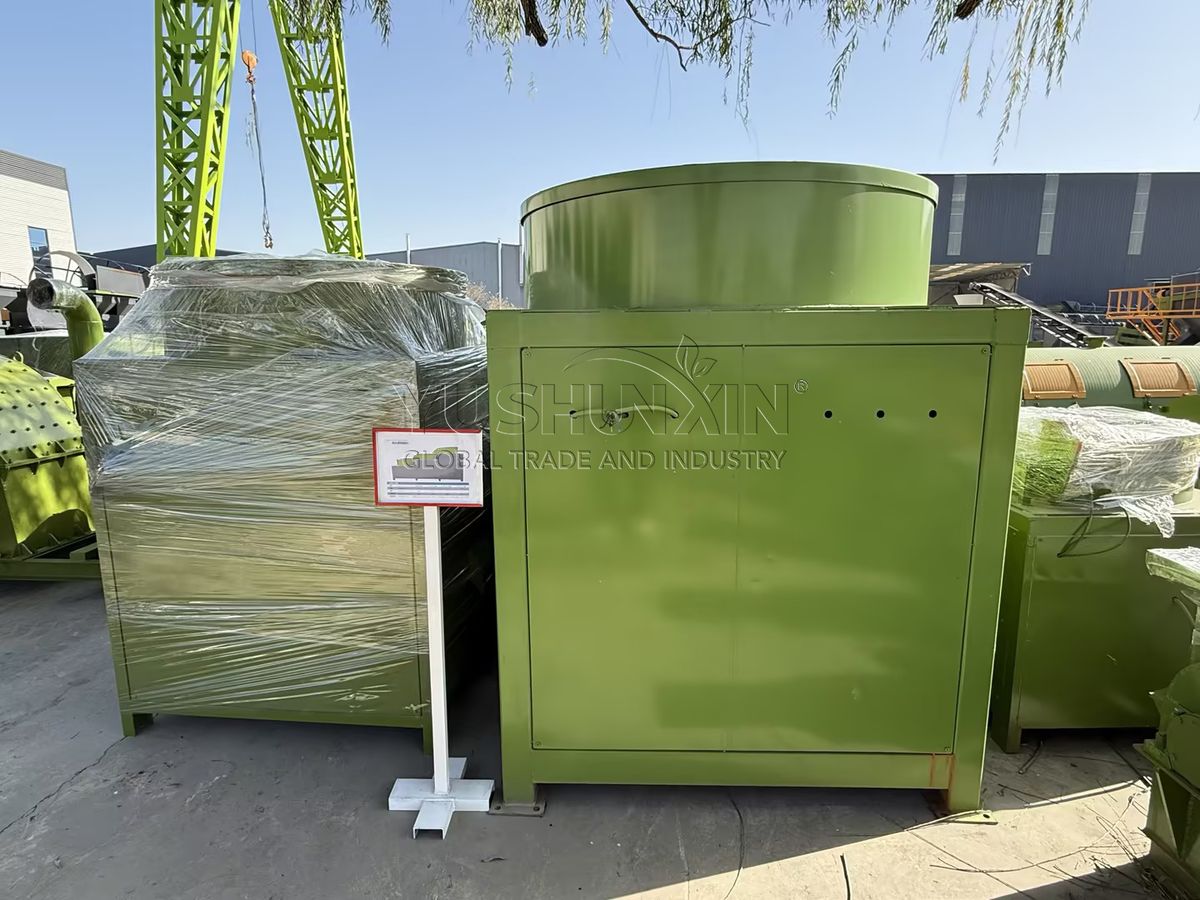
View details →Photographed in our Xingyang workshop and on customer sites. Watermark-free, no phone numbers.
Start from the manure you actually produce or can contract to buy, not from a target output. Convert daily manure tonnage to finished fertilizer by allowing a 30–40% volume reduction during composting plus any water removed by drying, then divide by the working hours per day you intend to run. Size the line 10–20% above that figure. Running a slightly smaller line for longer hours is almost always cheaper than buying a larger line and running it intermittently.
It is the single most useful thing you can do before spending money. Nitrogen, phosphorus, potassium, organic matter, moisture, pH, salinity and carbon-to-nitrogen ratio determine the blending recipe, the fermentation time, the drying load and the nutrient claim you can legally print on the bag. A basic analysis is inexpensive and prevents the most common project mistake: buying a granulation line for a material that will not granulate without a binder and a carbon source.
A farm-scale powder line is manufactured in 25–35 days, shipped, and commissioned within about a week of arrival. A 5–10 t/h granule line takes 45–60 days to manufacture and 30–45 days to install and commission on site. The most common source of delay is not the equipment but the site — concrete floors, drainage, power supply and access roads need to be ready before installation starts, which is why we issue the civil requirements with the drawings.
Yes. Cattle, pig, horse and goat manure can all pass through the same separation, composting and granulation equipment; what changes is the blending recipe and the fermentation time. Poultry manure usually needs its own drying and deodorising stage before it joins the main flow because of its far higher ammonia load, but after that it can be blended with other manures to raise the nitrogen content of the finished product.
Every project includes a factory layout drawing, foundation drawings, an electrical load list and a wear-parts list. A YUSHUNXIN engineer attends the site for installation and commissioning and trains your operators on start-up, normal running, maintenance and fault finding. Our service team then supports the plant remotely for the life of the equipment, and spare parts are available from stock or on short lead time.
Answers on manure composting methods: moisture, carbon-to-nitrogen ratio, turning frequency, fermentation time, work a…
Read more →The complete manure fertilizer production process: the powder route, the granule route, what each machine does and how…
Read more →Answers on installation time, engineers required, staffing, building height and plant area, loading equipment and tran…
Read more →Answers on the auxiliary machines that finish a fertilizer line: polishing machines for rounder pellets, coating machi…
Read more →Answers on compost turning machines: rotor and working speeds, fuel and lubrication, cabins, water spray systems, and …
Read more →General questions about YUSHUNXIN manure to fertilizer equipment: certification, voltage, spare parts, warranty, payme…
Read more →Send your raw material, target capacity and country. Our engineers reply within one working day with a process route, equipment list and budget.
Send us your raw material and target capacity — we will propose the process, the machines and the budget.
Send your raw material and target capacity — our engineers reply within one working day with a process route, equipment list and budget.
Our engineering team will reply within one working day. For anything urgent, message us on WhatsApp.
Open WhatsApp