
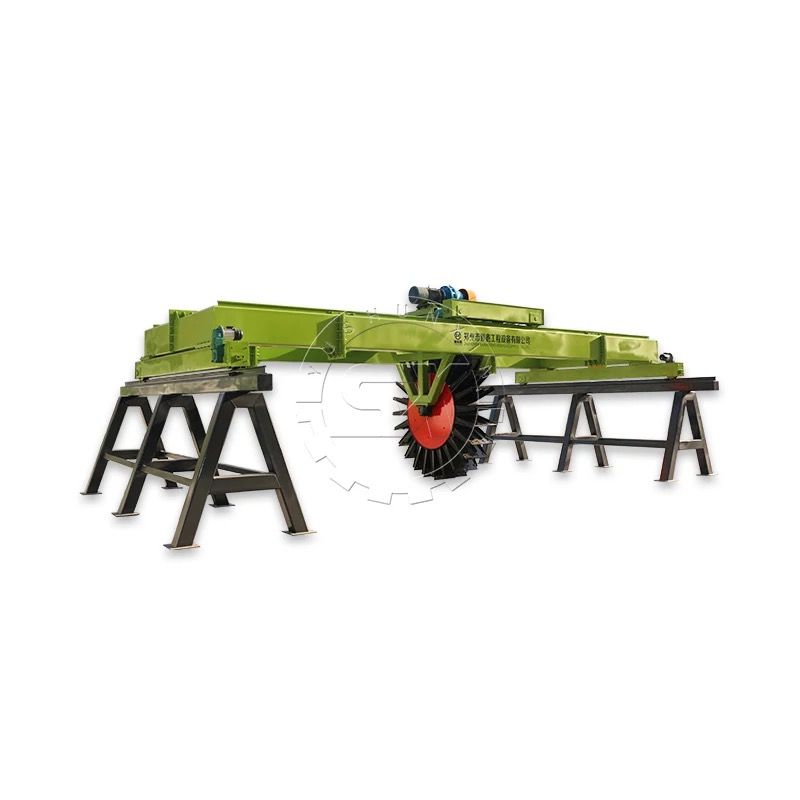
Cow dung: composting and machinery
A dairy cow produces 15–20 tonnes of manure a year. How to separate it, build the windrow, judge when it is finished, and turn it into powder or pellets.
View details →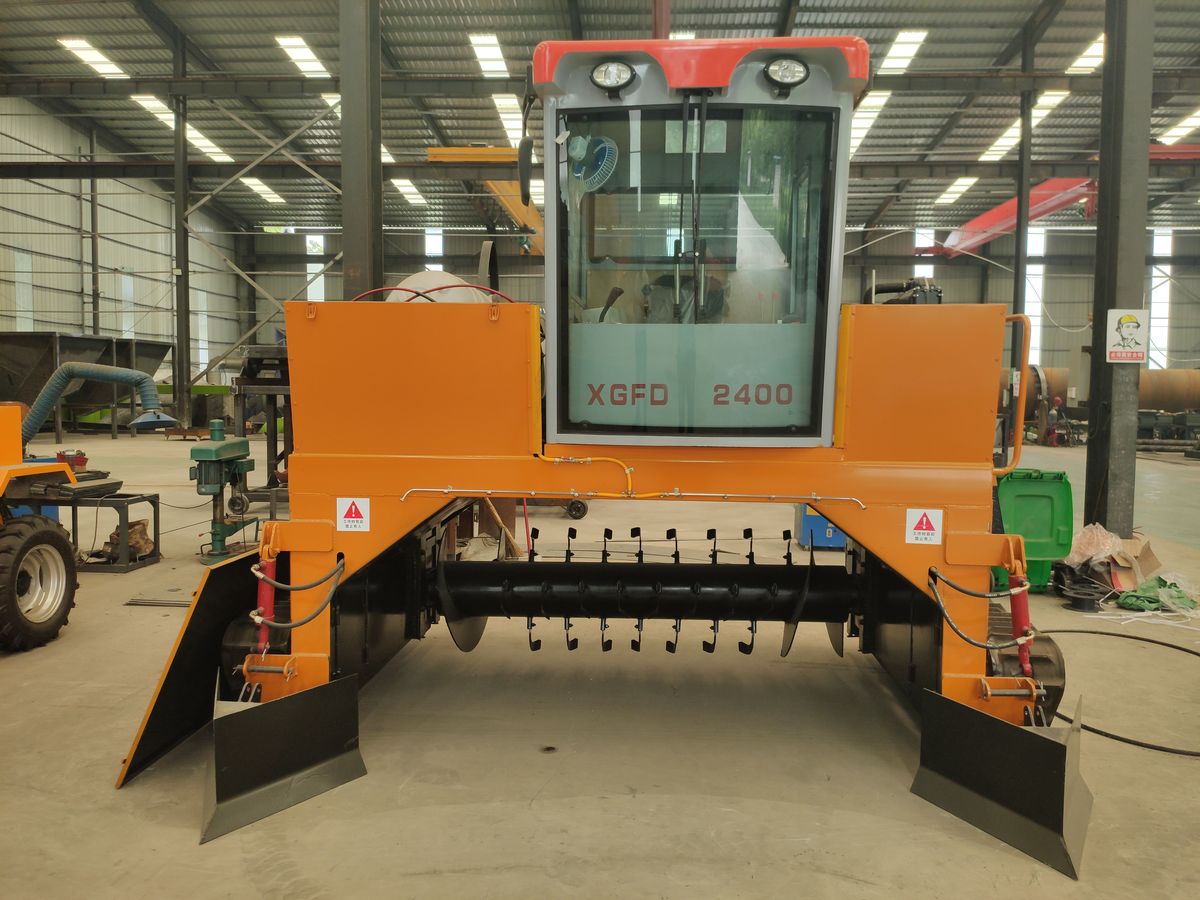
A dairy farm and a layer unit both produce manure, and almost nothing else about them is the same. Moisture, fibre, nitrogen, odour and housing system change the whole process — which is why we start every project from the animal.
Manure is not one material. Pig slurry at 92% moisture is a pumpable liquid that must be separated before it can be stacked. Goat droppings at 45% moisture are already a stackable solid that composts in a fortnight with almost no preparation. Layer manure is dry enough to pile but so rich in ammonia that it will burn a crop and offend a neighbour within a day. Horse manure arrives mixed with bedding, which supplies exactly the carbon the manure lacks. Cattle slurry has more water than all of them combined and more fibre than any of them except horse.
Those differences decide the equipment list more than the tonnage does. A 10 t/day goat manure project needs a shredder, a small turner, a screener and a bagging scale. A 10 t/day pig slurry project needs a separator, a flocculation or settling system, a much larger fermentation area, a deodorising strategy and a plan for the liquid fraction — and the equipment budget can easily be twice as large for the same tonnage of finished fertilizer.
This section collects our practical guidance by animal. Each page covers how much manure the animal produces, what its handling characteristics are, the process route that works, the machine set and the specific mistakes we see most often. If you already know your animal and your daily volume, that is enough for us to give you a meaningful process recommendation.
| Animal | Manure per animal per day | Typical moisture | Main challenge | Process route |
|---|---|---|---|---|
| Dairy / beef cattle | 20–35 kg | 80–88% | Very high water content; large volume | Separate, compost 10–15 days, powder or granules |
| Pigs | 2–6 kg (or 10–20 L slurry) | 85–95% | Pumpable slurry; odour; nutrient runoff | Separate, compost solid, treat liquid or feed biogas |
| Laying hens | 0.10–0.15 kg | 60–75% | Ammonia release; flies; high salt | Dry, deodorise, ferment 7–12 days, granulate |
| Broilers | 0.05–0.10 kg plus litter | 25–45% (litter) | Litter volume; dust; ammonia in the house | Dry further, screen, granulate or pelletise |
| Horses | 15–25 kg plus bedding | 55–70% | Bulky; bedding binds and compacts the pile | Lift and aerate with a groove or self-propelled turner, then granulate |
| Goats and sheep | 1.5–3 kg | 40–55% | Low volume; dry material is easy to over-dry | Shred, compost, bag as powder or pellets |
| Mixed livestock | varies | varies | Blending and consistency | Balance the carbon ratio, compost, run one shared fertilizer line |
Five detailed management pages, each with the volumes, the process route and the equipment for that species.
A dairy cow produces 15–20 tonnes of manure a year. How to separate it, build the windrow, judge when it is finished, and turn it into powder or pellets.
View details →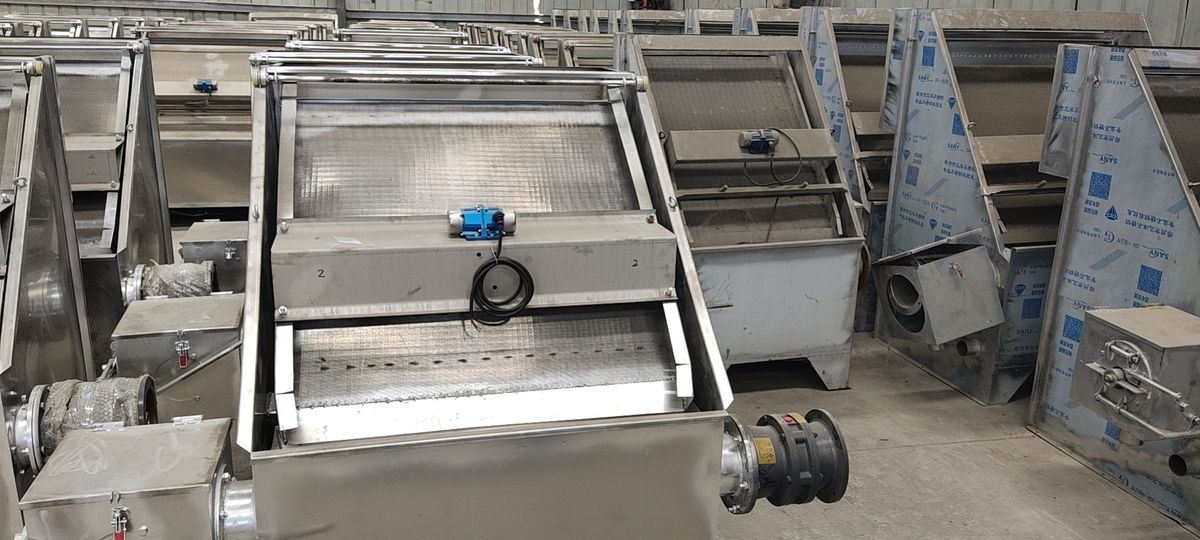
Pig slurry is the wettest and most difficult farm manure. Separation, lagoon management, odour control and the route from slurry to bagged fertilizer.
View details →Bedding supplies the carbon; bulk is the problem. Groove-type and self-propelled turners that lift a deep pile instead of compacting it, plus the premium compost market.
View details →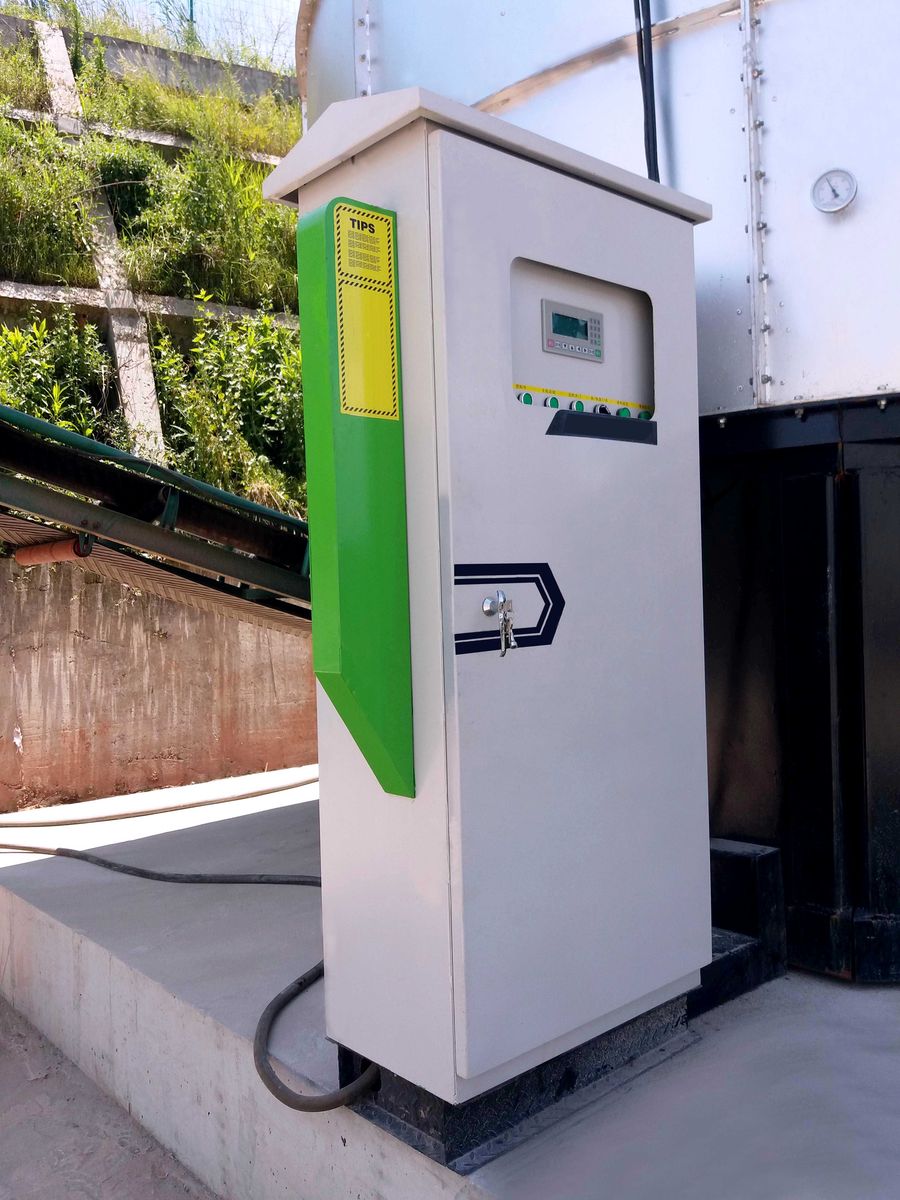
The highest-value manure and the most reactive. Drying, deodorising, controlled fermentation and the granulation route to a premium poultry fertilizer.
View details →The easiest manure to handle and the best entry point for small producers: dry, quick to compost and usable with simple equipment.
View details →Storage capacity, spreading windows, nutrient accounting and the equipment that lets a farm handle manure to regulation without losing its fertilizer value.
View details →Manure management is increasingly a compliance subject as well as an agronomic one. In most jurisdictions a farm must be able to demonstrate that manure storage has enough capacity for the longest period during which spreading is prohibited, that fields receive no more nitrogen than the crop can take up, and that no runoff reaches surface water or groundwater. Nutrient accounting, storage capacity and spreading records are the three documents usually requested.
Processing manure into compost or fertilizer changes this picture substantially, and generally for the better. Composting reduces the volume and stabilises the nitrogen, so storage requirements fall. A registered fertilizer product can be sold and transported rather than applied to land within a fixed area, which removes the land-bank constraint that limits many large livestock operations. And the thermophilic temperature reached during composting provides documented pathogen reduction, which is increasingly required for any product moving off the farm.
In practice, the farms that find compliance easiest are the ones that installed treatment equipment before they were required to. Separation, a concrete composting pad with proper drainage and a covered storage area are the three investments that do the most to reduce both environmental risk and regulatory exposure.
Photographed in our Xingyang workshop and on customer sites. Watermark-free, no phone numbers.
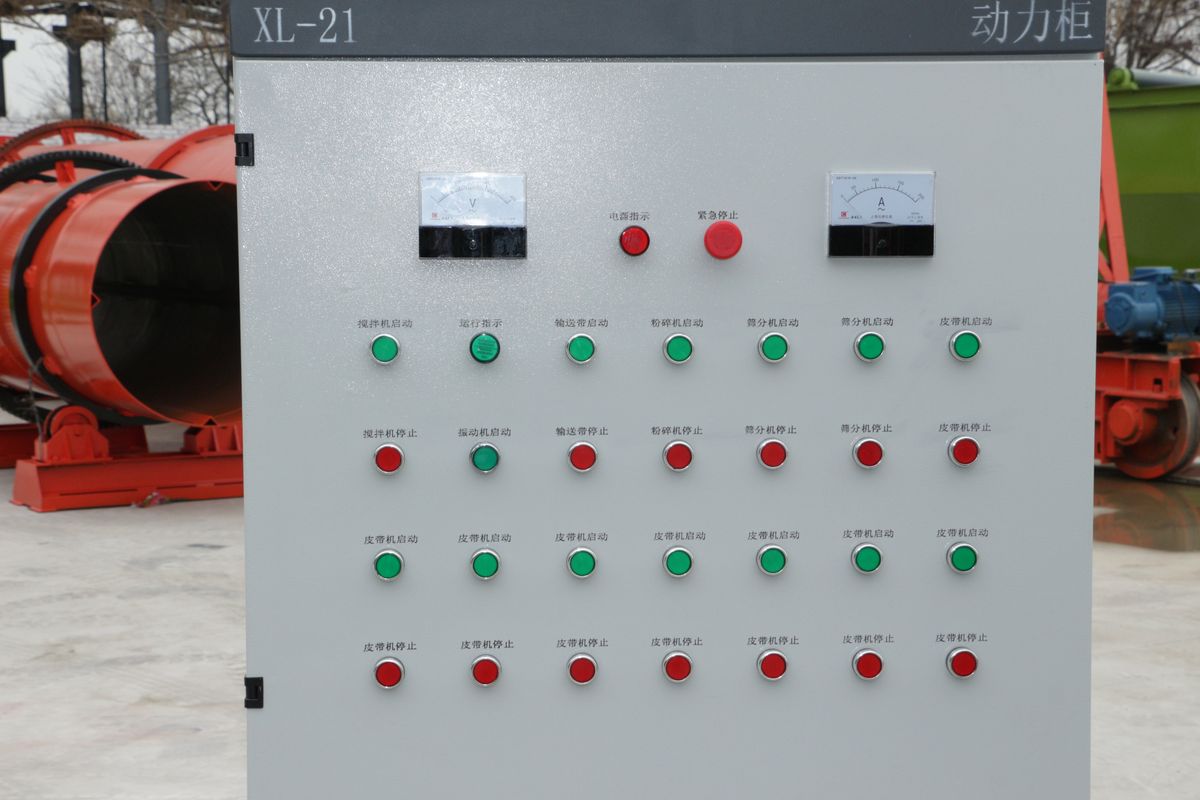
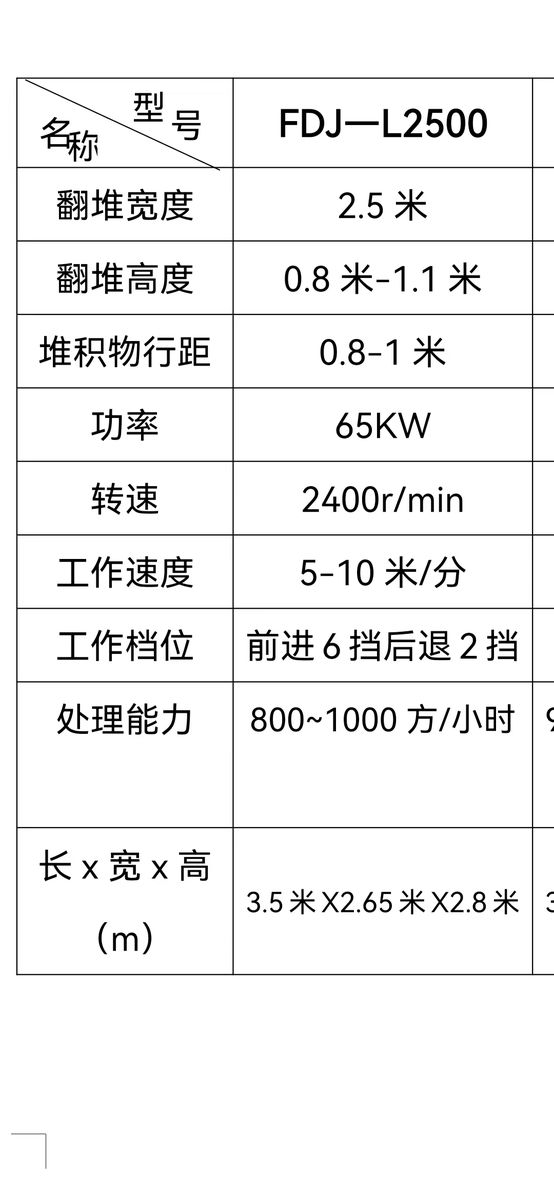
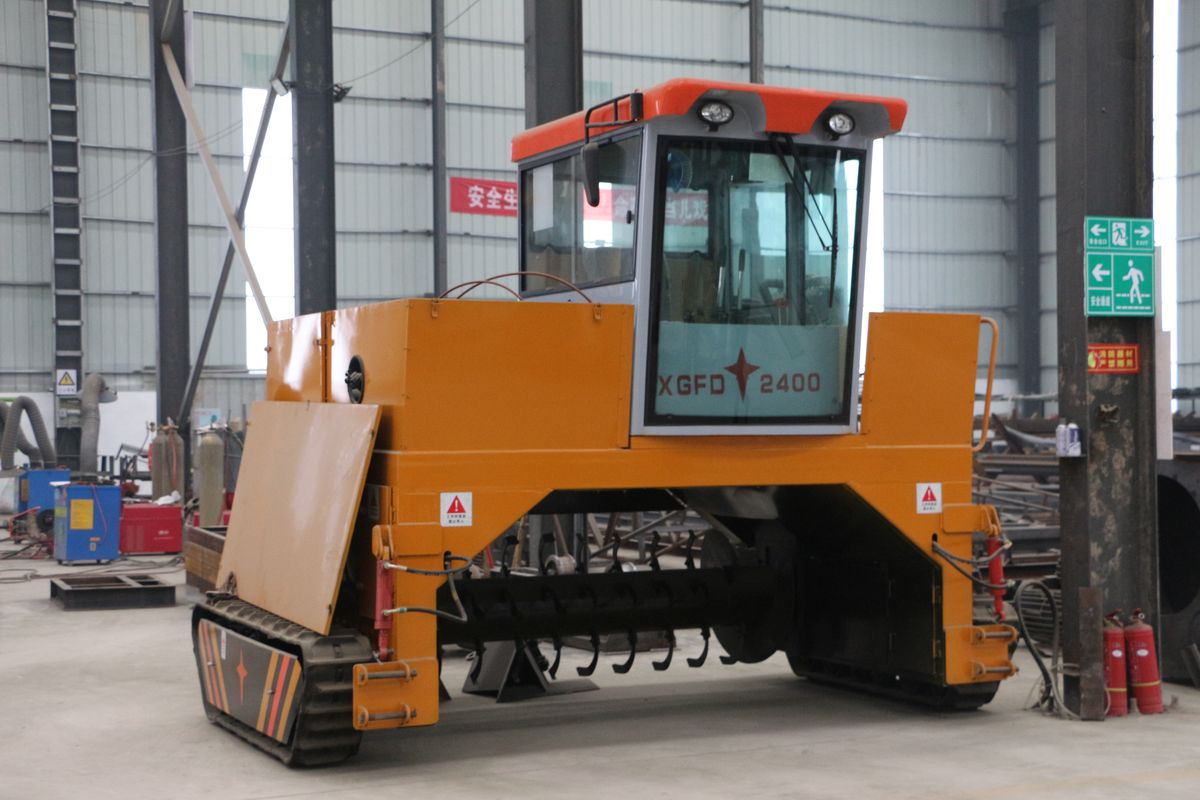
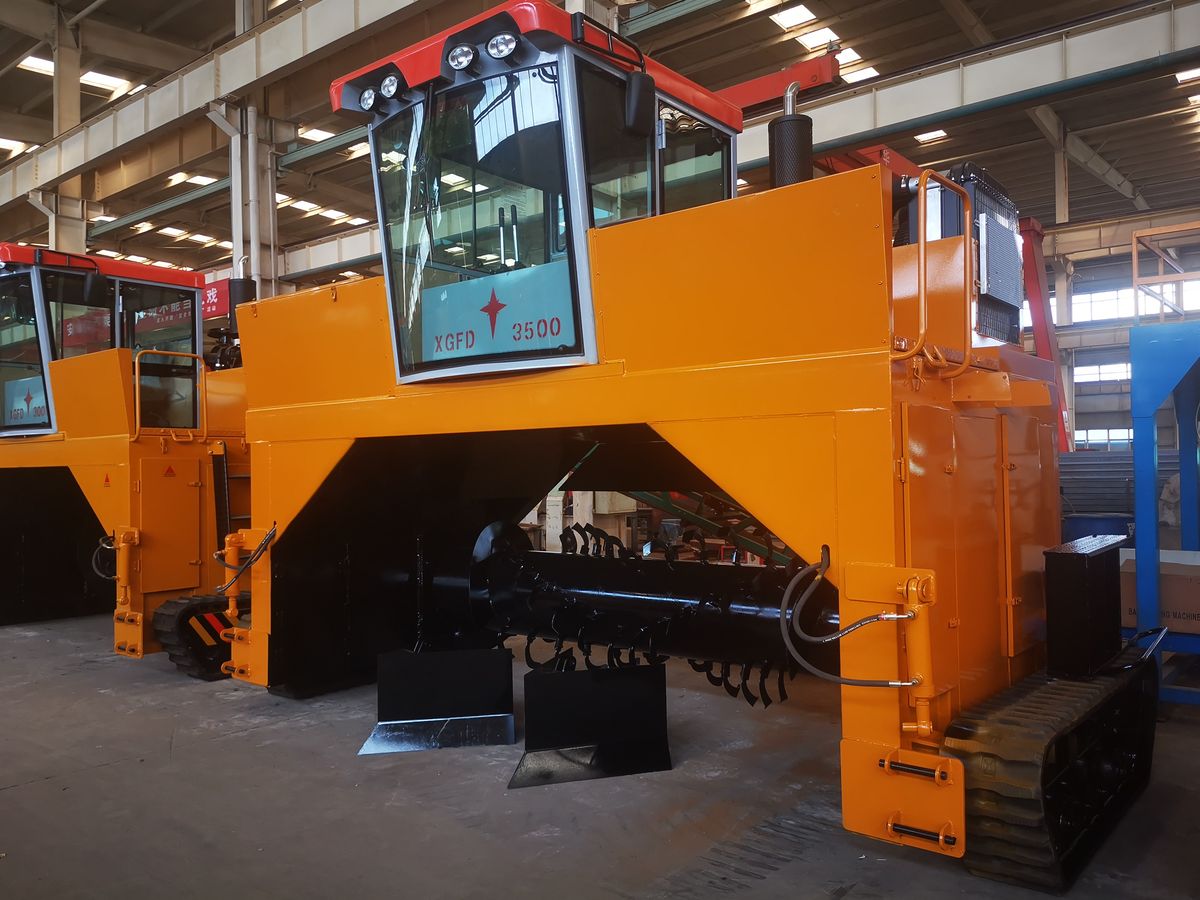
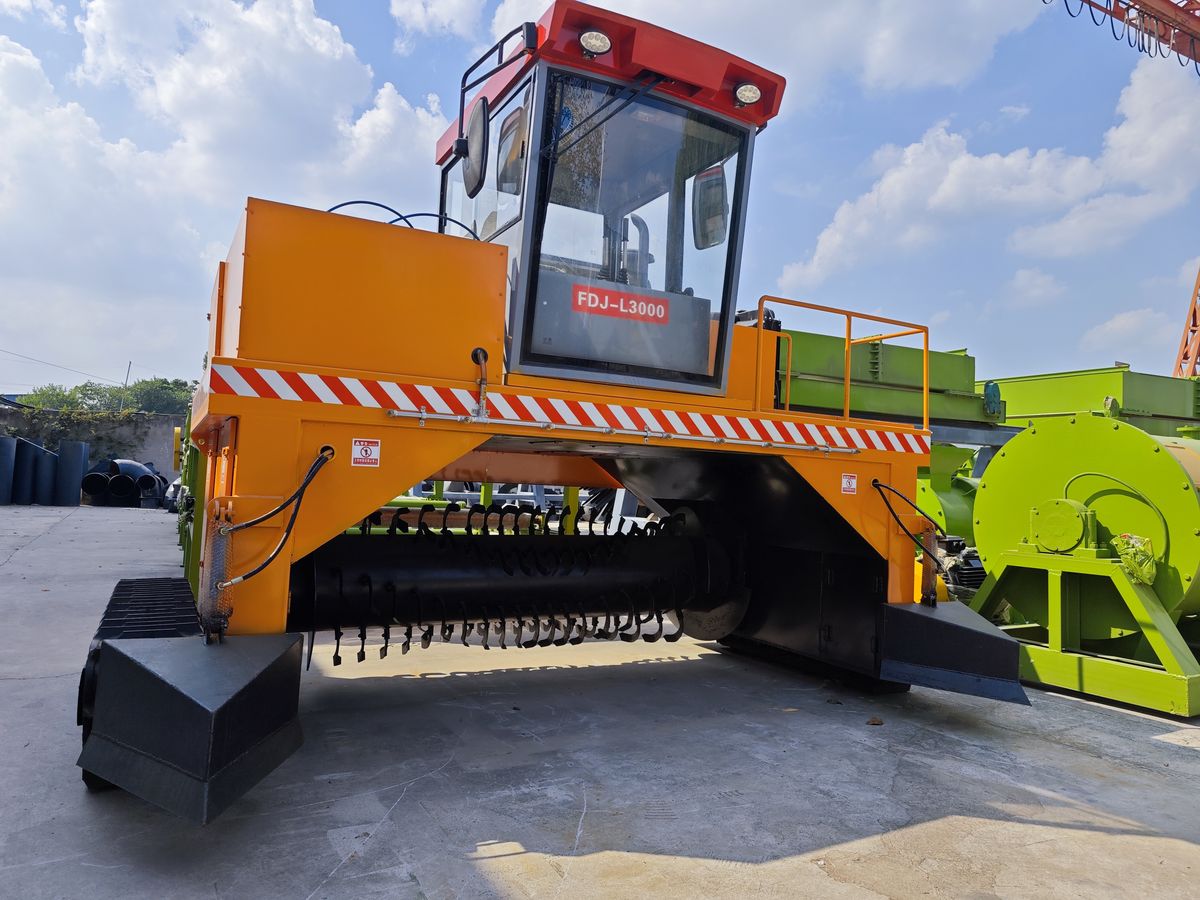
Poultry manure has the highest nutrient analysis and sells for the highest price, but it is the most difficult to handle. Cow dung produces the largest volume of high-quality humus and composts most reliably, which is why it dominates commercial organic fertilizer production worldwide. Goat manure is the easiest small-scale material. The best choice for your project depends on what manure is available to you in volume and what your local market will pay for.
As a working guide: a dairy cow 45–55 kg a day including wash water, a finishing pig 2–6 kg or 10–20 litres of slurry, a laying hen 0.10–0.15 kg, a broiler considerably less plus litter, a horse 15–25 kg including bedding, and a goat 1.5–3 kg. Measure your own operation for a week before designing a plant, because housing, feed and cleaning practice can change these figures by a third.
Yes, and mixing is often beneficial. Poultry manure is nitrogen-rich and cattle manure is more balanced, so blending them can bring the carbon-to-nitrogen ratio closer to the ideal 25–30:1 without as much added straw. The practical constraint is logistics: collecting manure from several sources and blending it consistently is harder than processing one stream, so mixed-manure plants need a proper receiving and mixing area.
That is usually set by regulation rather than by the manure itself. The common requirement is storage capacity for the longest period during which spreading is banned, which in cold or wet climates can be four to six months. An uncovered lagoon or heap will also lose nitrogen to the atmosphere and leach into groundwater over that period, so covered storage is both a compliance measure and a way of retaining fertilizer value.
How to make cow dung compost: separation, carbon blending, pile construction, turning schedule, moisture control and h…
Read more →Pig manure management from slurry separation and lagoon control to composting and bagged organic fertilizer, with odou…
Read more →Turn horse manure and bedding into compost and bagged organic fertilizer: pile construction, turning machines and the …
Read more →How to manage poultry waste: shed practice, drying, deodorising, composting, and converting poultry manure into a regi…
Read more →How to build a farm waste management plan: assess waste streams, size storage, set up composting, plan land applicatio…
Read more →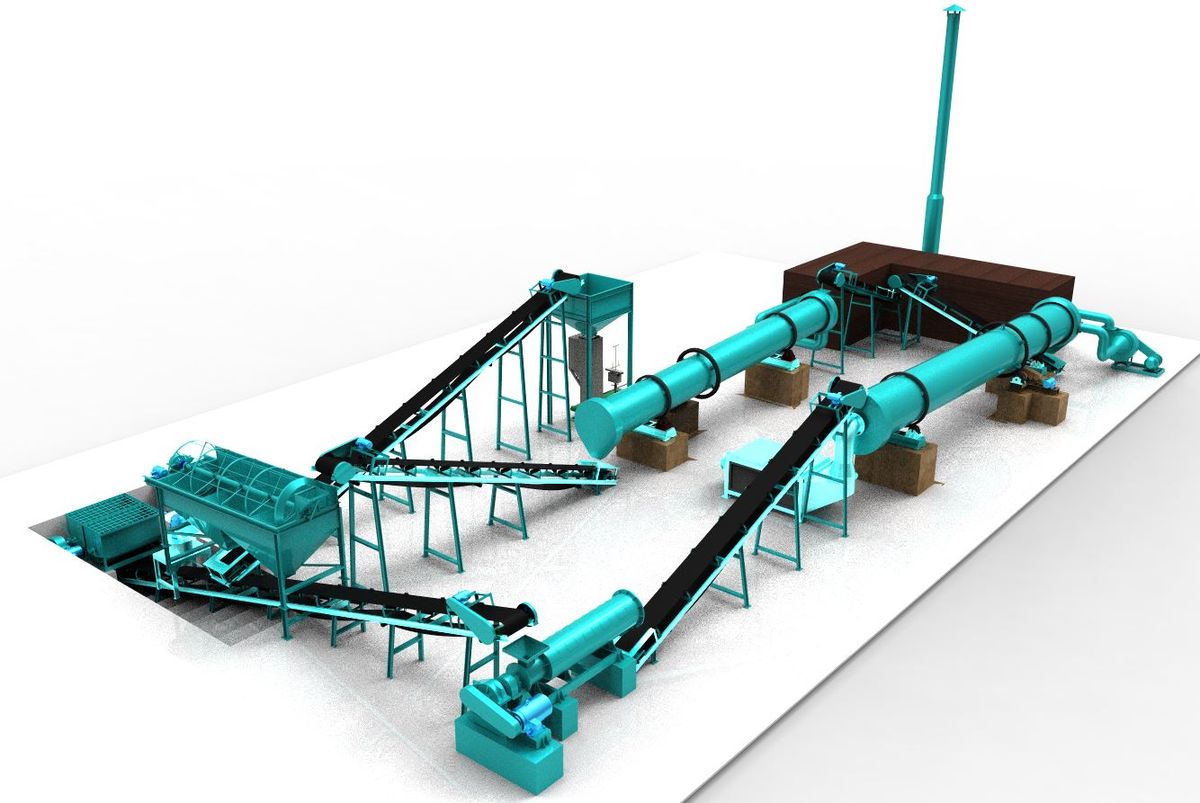
Complete manure to fertilizer solutions: separation, fermentation, crushing, screening, granulation, drying and baggin…
Read more →Send your raw material, target capacity and country. Our engineers reply within one working day with a process route, equipment list and budget.
Send us your raw material and target capacity — we will propose the process, the machines and the budget.
Send your raw material and target capacity — our engineers reply within one working day with a process route, equipment list and budget.
Our engineering team will reply within one working day. For anything urgent, message us on WhatsApp.
Open WhatsApp