
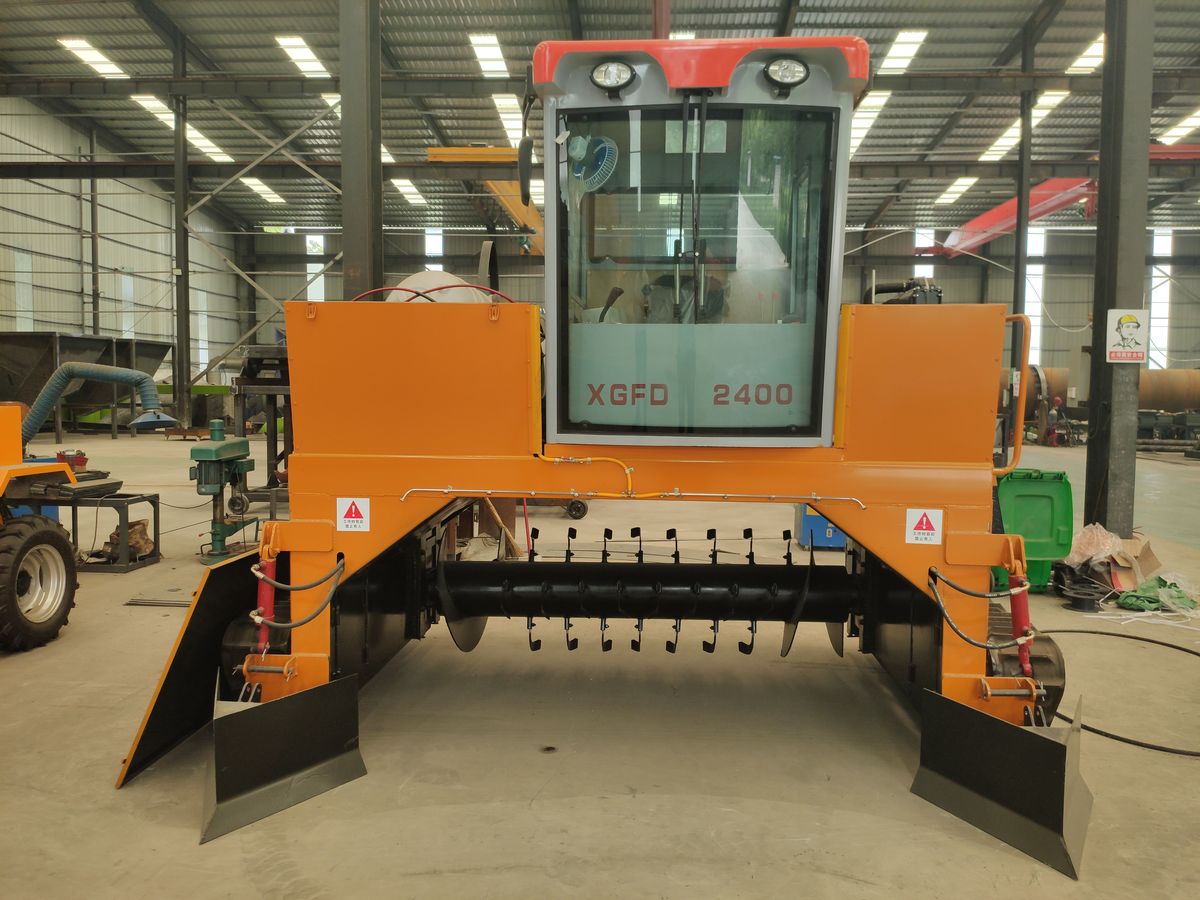
Compost only
Separate, pile, turn and sell mature compost in bulk to nurseries, landscapers or farms. Smallest investment, no drying or granulation, sold by the tonne loose.
View details →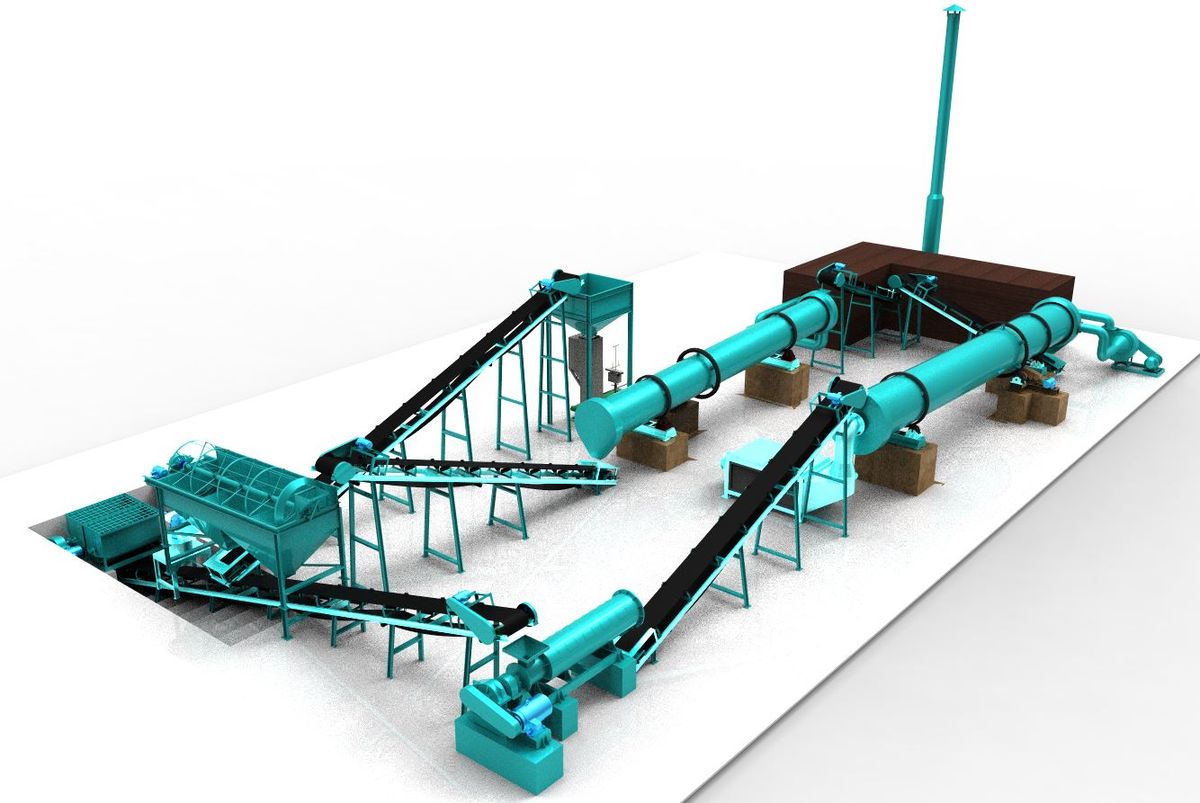
Every manure project starts with the same three questions: what animal, how much per day, and what product do you want to sell. This hub explains how each manure stream is converted, which machines do the work, and how to size the plant before you spend anything.
Spreading raw manure is the cheapest option on paper and the most expensive one in practice. Fresh manure is 70–90% water, so most of the haulage cost is water. It carries weed seeds, worm eggs and pathogens. It releases ammonia within hours, which is nitrogen you have already paid for through feed, and it acidifies and salinises the soil it is spread on. Regulations in most markets now limit how much raw manure can be applied per hectare and when it can be applied at all.
Processing fixes all of those problems at once. Separation removes half the volume as liquid that can be used for fertigation or biogas. Fermentation destroys pathogens above 55 °C, stabilises the organic matter and removes the smell. Crushing, screening and granulation turn a variable waste into a consistent product with a fixed analysis, a fixed granule size and a fixed bag weight — which is the only form a distributor will buy, and the only form that can carry a brand and a price.
The commercial case is straightforward. A dairy herd of 300 cows produces roughly 20 tonnes of manure a day, enough to feed a 5 t/h granule line. YUSHUNXIN has supplied that equipment to farms and fertilizer factories in more than sixty countries, so the process route below is not theoretical — it is the sequence our engineers have commissioned hundreds of times.
The machines you need are decided by the final product form, because that determines how far down the process chain you have to go.
Separate, pile, turn and sell mature compost in bulk to nurseries, landscapers or farms. Smallest investment, no drying or granulation, sold by the tonne loose.
View details →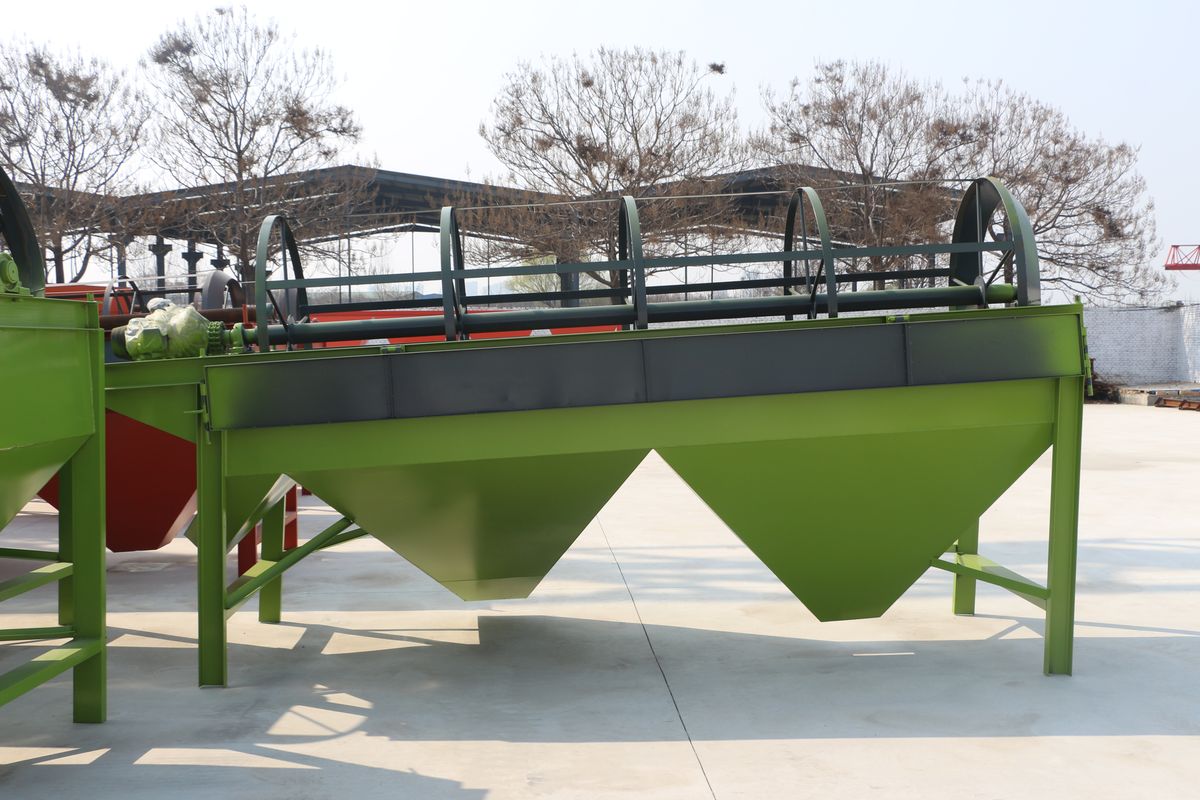
Ferment, crush, screen and bag the compost as 20–60 mesh powder. No granulator, dryer or cooler, so no fuel cost for drying. Sold in 25–50 kg bags.
View details →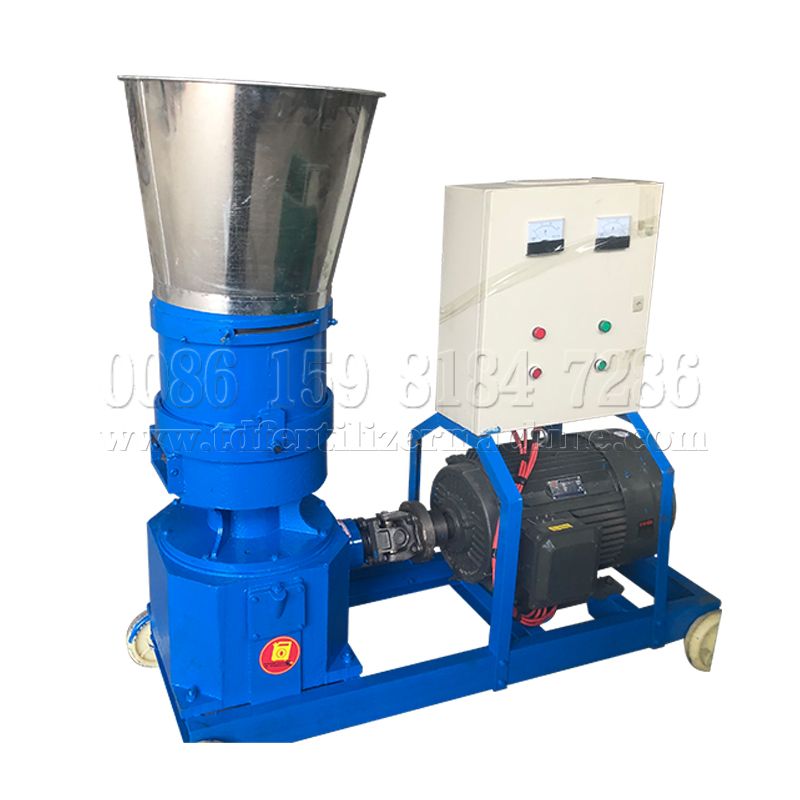
Add binder, granulate, dry, cool, coat and bag. Uniform 2–5 mm pellets that spread evenly and sell at a substantial premium over powder.
View details →Blend the compost with urea, ammonium phosphate, potassium sulphate and trace elements, then granulate. Combines organic matter with a stated NPK analysis.
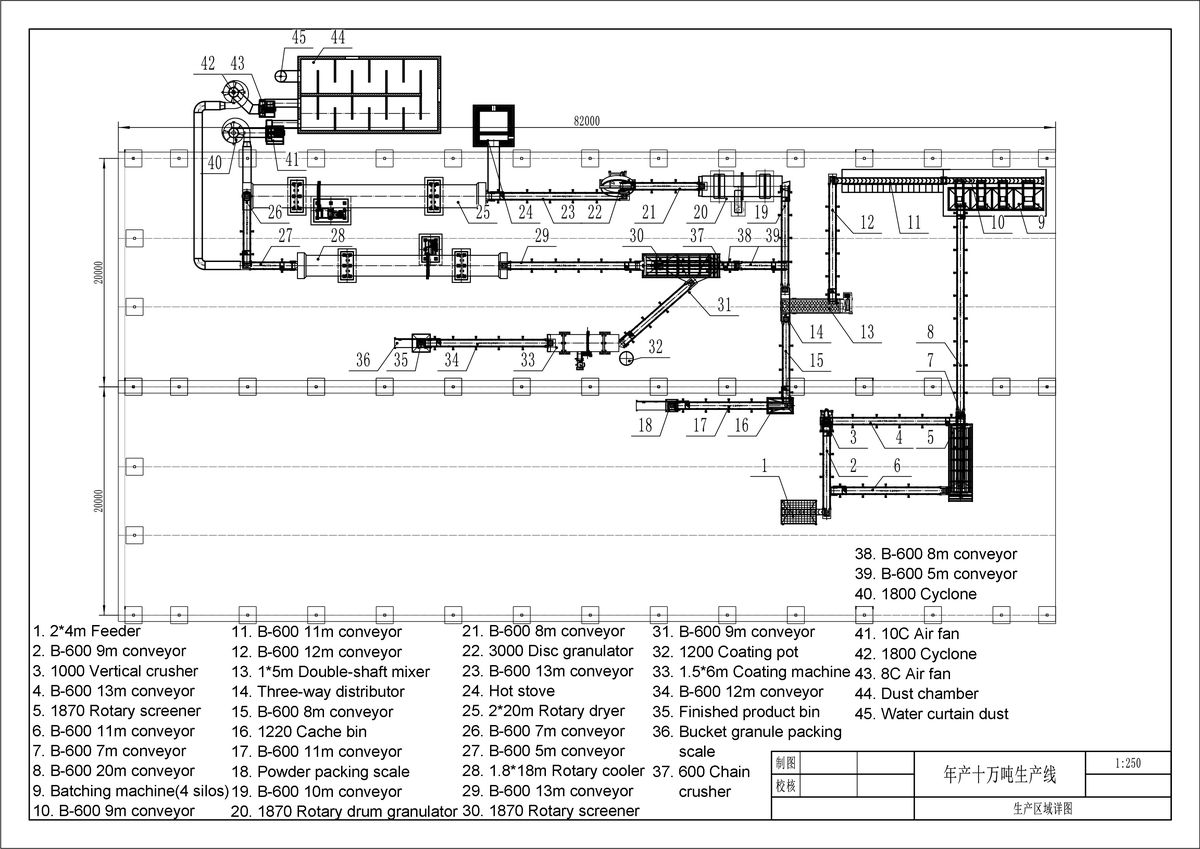
View details →Every route below shares stages 1 to 4. Only the last stages differ, which is why a powder line can later be upgraded to a granule line in the same building.
Screw-press or inclined-screen separation takes fresh slurry from 85–90% moisture down to 60–65%, turning an unstackable liquid into a solid that can be piled and composted.
Straw, rice hull, sawdust or chopped stalk is blended in at roughly 3:1 to lift the carbon-to-nitrogen ratio to 25–30:1 and to open the pile for airflow.
Windrows, fermentation channels or in-vessel tanks hold the material at 55–65 °C for the thermophilic phase. Turning frequency drops from 2–3 times a day in week one to once every two days.
Semi-wet or chain crushers break caking down below 3 mm, and a rotary or vibrating screen removes stones, plastic and oversize lumps. Oversize returns to the crusher.
The screened compost meets binder, humic acid, trace elements or mineral nutrients in a horizontal mixer or automatic batching system.
Disc, drum or stirring-tooth granulation followed by drying to 12–14% moisture, cooling, coating and grading. Powder routes stop before this stage.
Automatic weighing and sealing into 25 kg, 40 kg or 50 kg bags, with conveyors and a palletiser on larger lines.
| Manure | Typical moisture | First machine | Best product route | Notes |
|---|---|---|---|---|
| Cow dung (dairy slurry) | 80–90% | Solid liquid separator | Powder or organic granules | Highest compost volume, excellent humus, composts easily once separated |
| Layer / broiler manure | 60–75% | Dryer or deodorising fermentation | Organic granules | Highest nutrient analysis; ammonia and odour must be handled before anything else |
| Pig slurry | 85–95% | Solid liquid separator + flocculation | Powder, or biogas then compost | Very wet; separation and lagoon management decide the economics |
| Horse manure with bedding | 55–70% | Groove-type or self-propelled turner | Compost, then organic granules | Bedding supplies the carbon; bulky piles need a turner that lifts rather than compacts |
| Goat / sheep manure | 40–55% | Shredder + small turner | Powder or granules | Dries quickly and composts fast; the ideal small-scale entry material |
| Mixed farm waste | varies | Separator + shredder | Powder or granules | Balance the carbon ratio first; a material test decides the mixer and granulator |
Photographed in our Xingyang workshop and on customer sites. Watermark-free, no phone numbers.
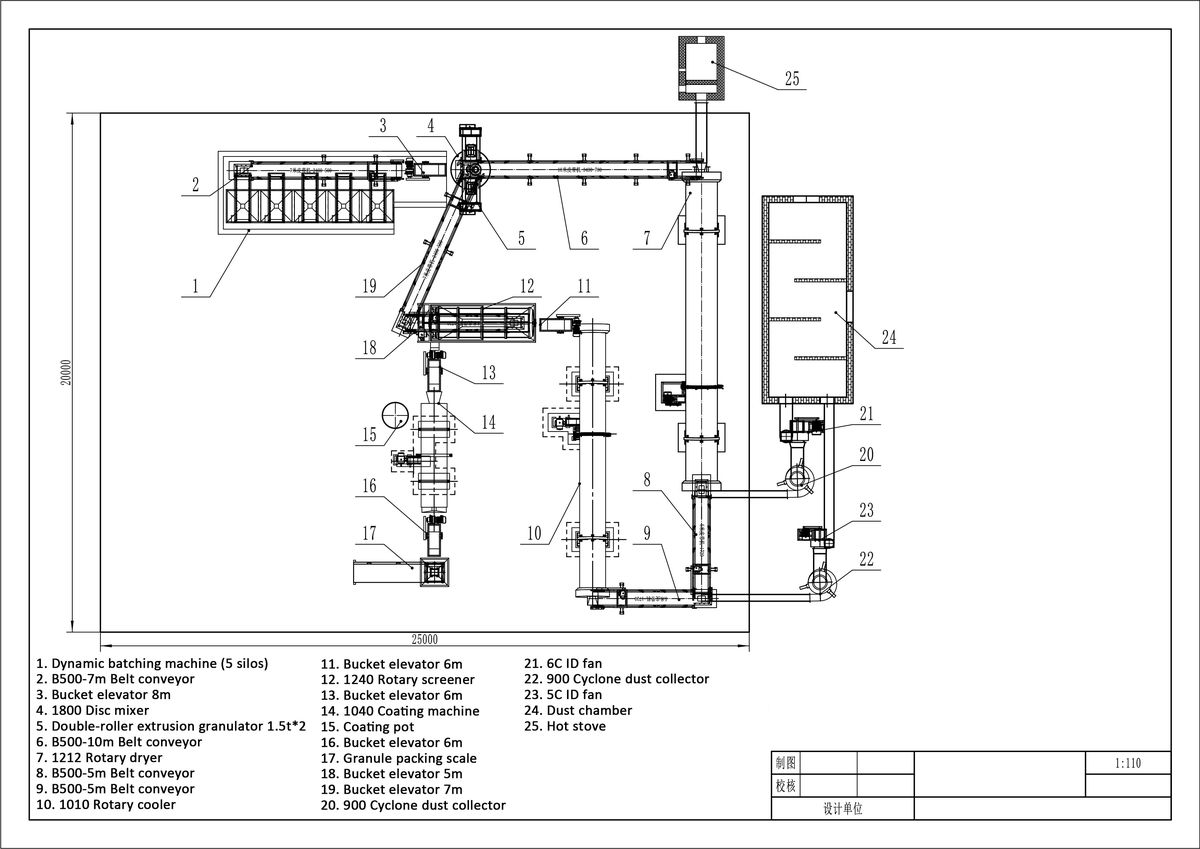
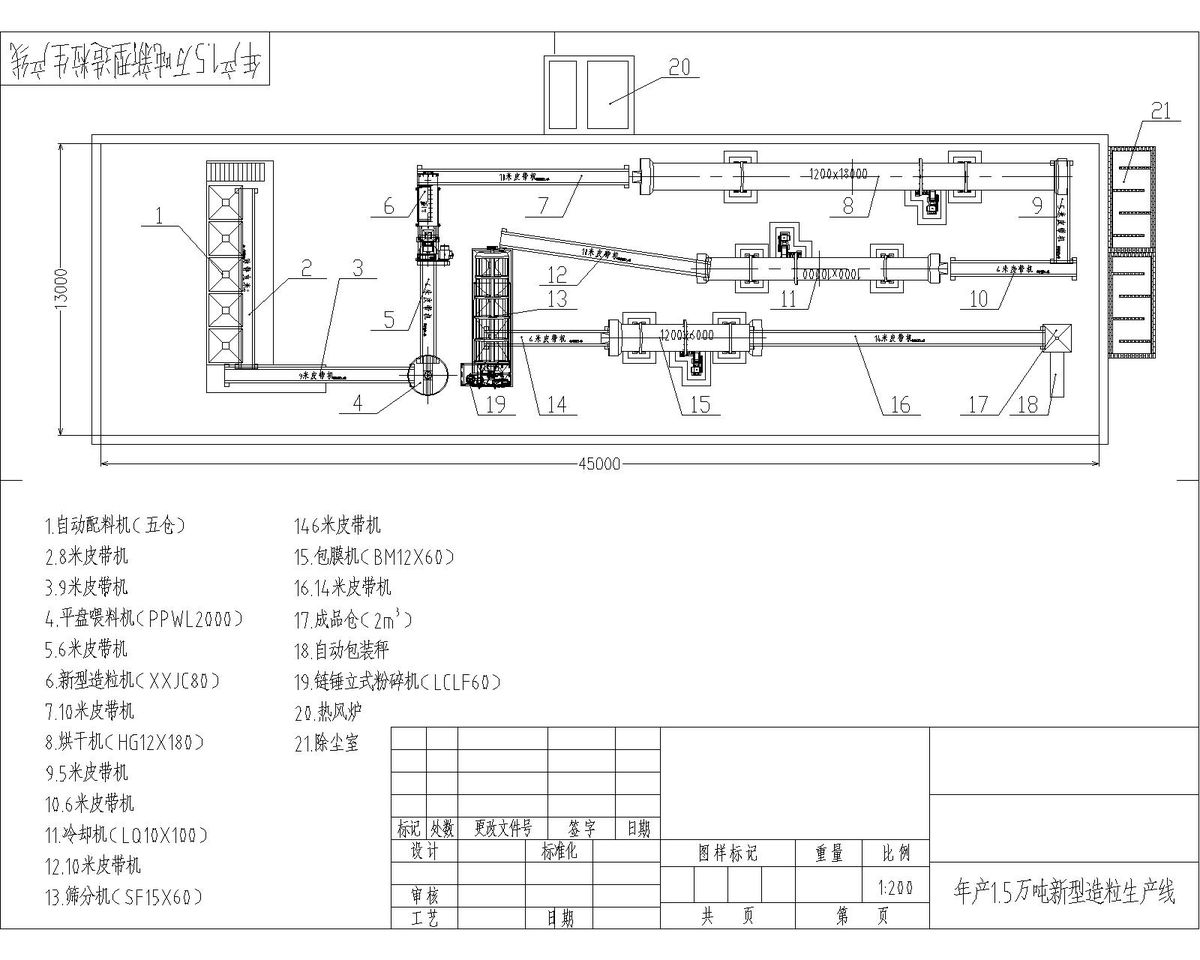
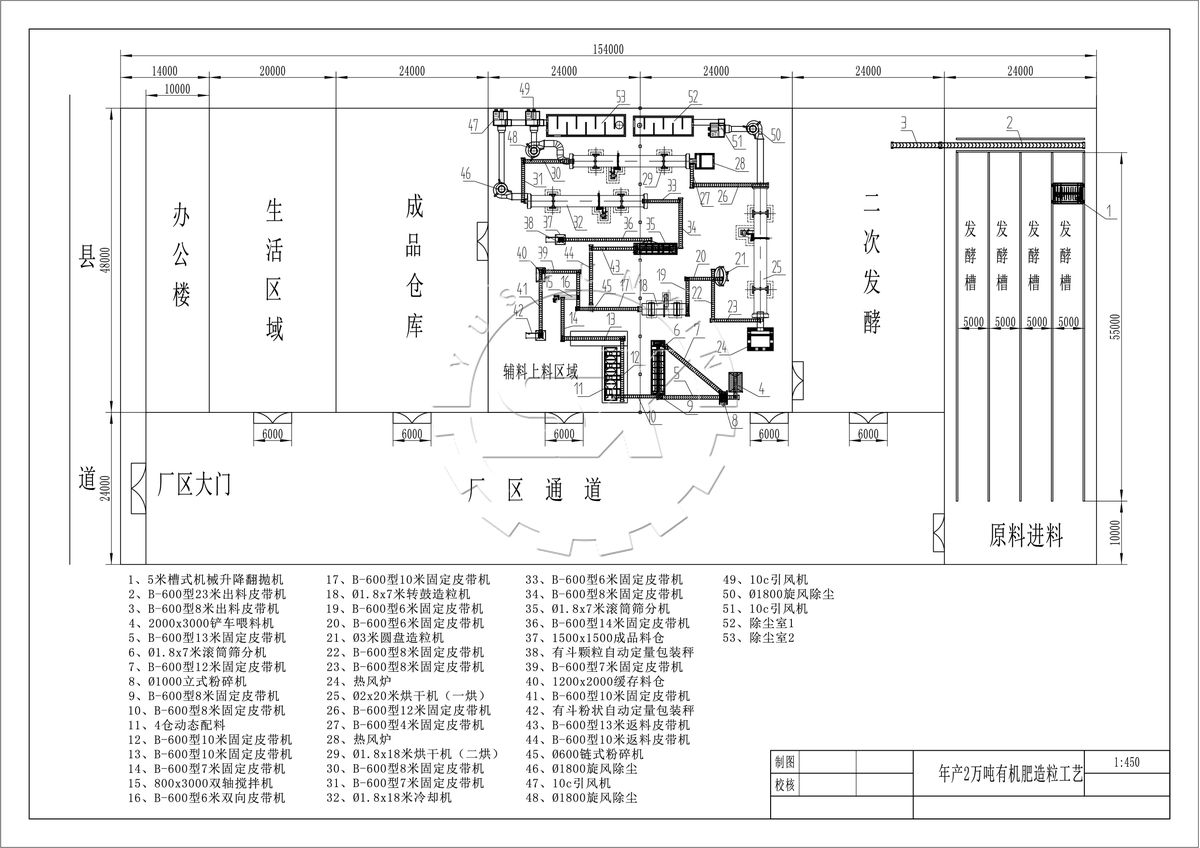
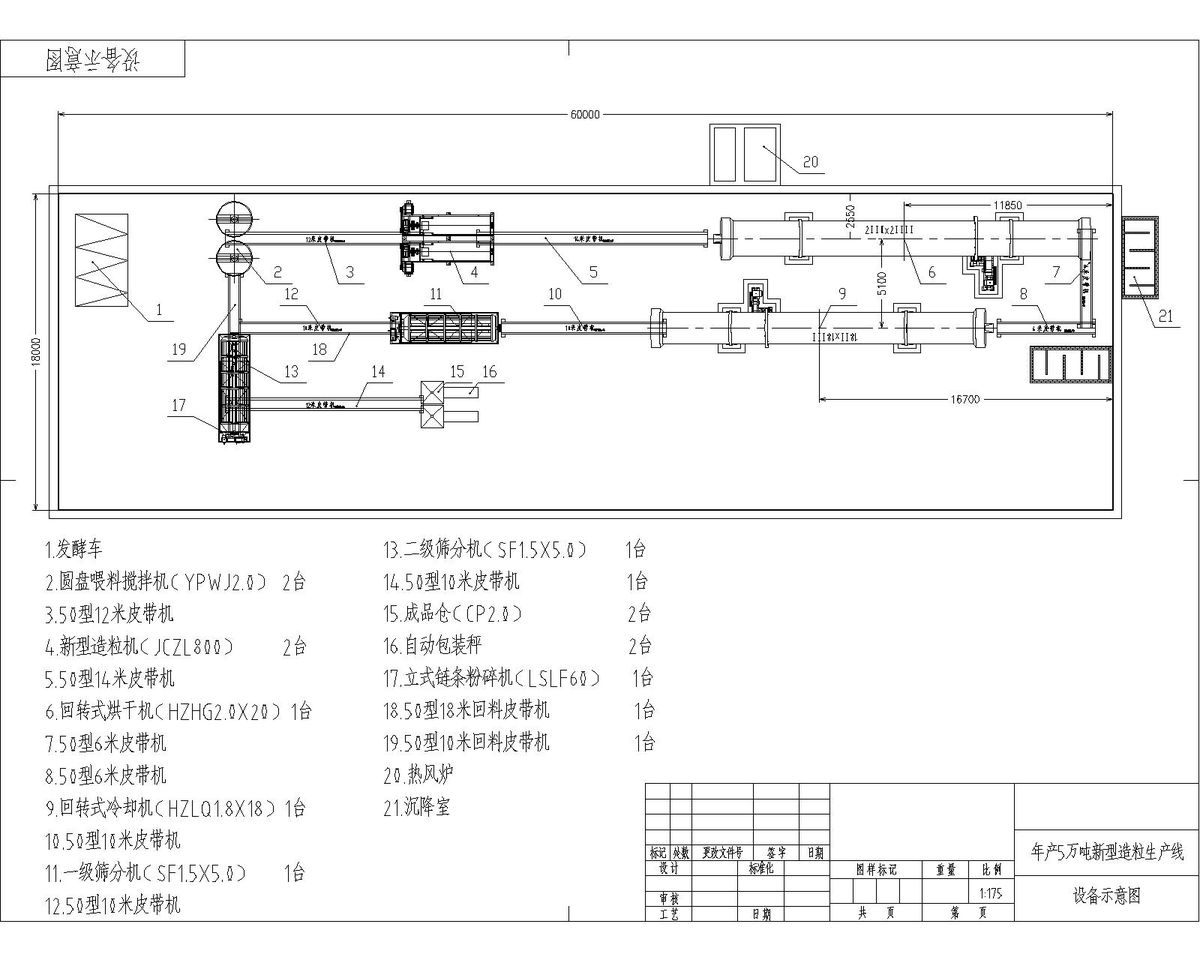
Cow dung is the easiest at commercial scale because it composts reliably, produces a large volume of humus and tolerates a wide moisture range once separated. Goat and sheep manure is the easiest at small scale because it is already relatively dry and composts quickly. Chicken and pig manure are the most valuable per tonne but the hardest to handle, because of ammonia, odour and very high moisture respectively.
Yes, and many of our customers do exactly that. Separation, fermentation, crushing, screening, mixing and bagging are shared between the two routes. When the market asks for pellets you add the granulator, dryer, cooler, screener and coater — the existing machines stay in place and keep their position in the layout.
A 1–2 t/h line with windrow fermentation typically needs 800–1,500 m². A 5–10 t/h granule line including the fermentation floor needs 2,000–5,000 m², and a 15–30 t/h plant with in-vessel fermentation usually requires 8,000 m² or more. Fermentation area, not the machine line, is normally what drives the site size, so a covered or in-vessel fermentation system can cut the footprint substantially.
Work backwards from the manure you actually produce. Convert your daily manure tonnage to finished fertilizer by allowing a 30–40% loss of volume during composting plus any moisture driven off in drying, then divide by the number of working hours a day you intend to run. Size the line slightly above that figure so seasonal peaks do not become a bottleneck, but resist oversizing: a line running at 40% of capacity has the same labour cost as one running at 90%.
It helps more than almost anything else you can do before ordering. Nitrogen, phosphorus, potassium, organic matter, moisture, pH and the carbon-to-nitrogen ratio determine the blending recipe, the fermentation time and the nutrient claim you can legally print. A basic analysis is inexpensive and prevents the most common project mistake: buying a granulation line for a material that will not granulate without a binder and a carbon source.
Complete manure fertilizer production lines from 1 to 30 t/h: separation, fermentation, batching, granulation, drying,…
Read more →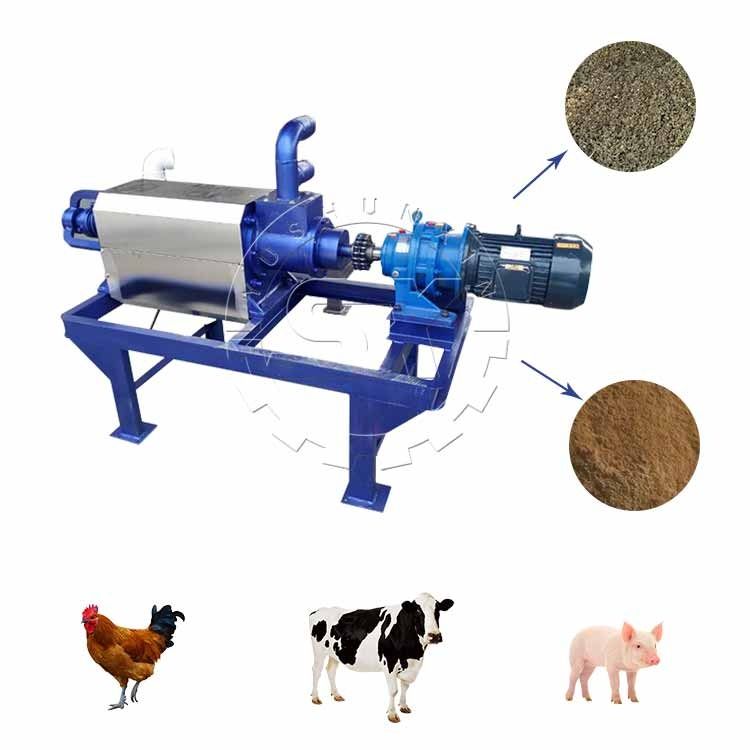
Manure treatment equipment that makes raw animal slurry handleable: solid liquid separators, dewatering machines, drye…
Read more →Manure composting systems: windrow, groove and in-vessel fermentation, how to design the pile, control temperature, ju…
Read more →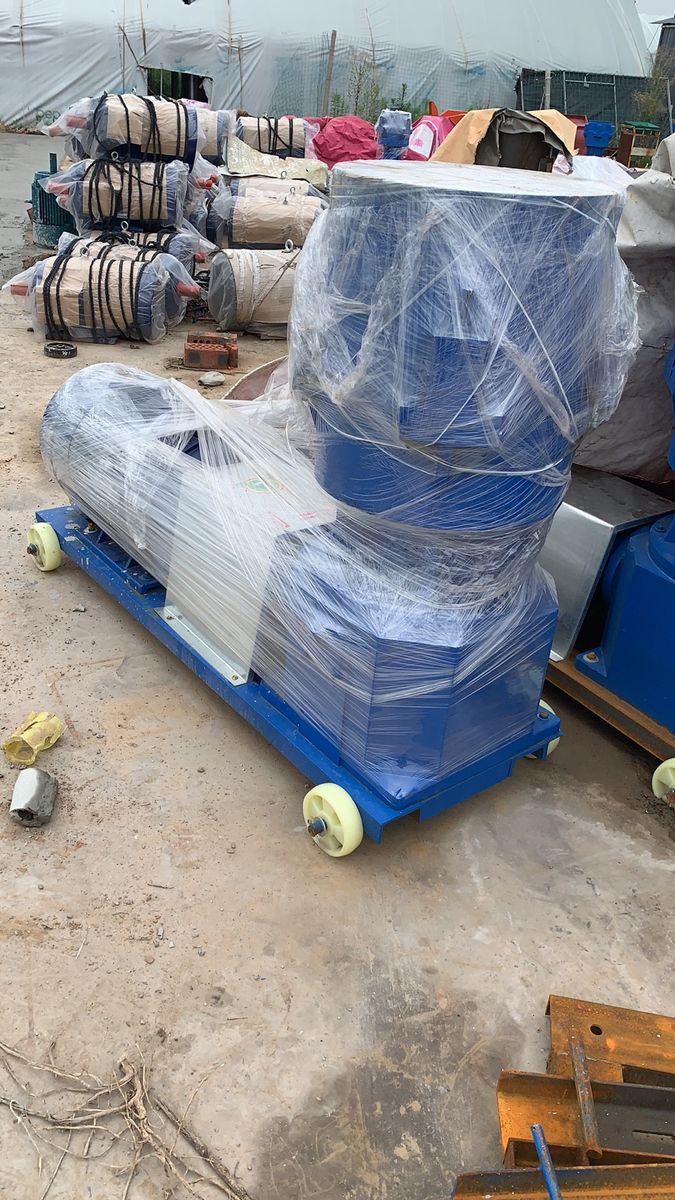
Manure fertilizer machines that turn compost into a product: granulators, pellet machines, powder lines, coaters, cool…
Read more →What a manure fertilizer plant costs and why: the five cost drivers, budget bands by plant scale, operating cost per t…
Read more →Manure management guidance for every farm animal: how cow, pig, poultry, horse and goat manure differ, how to handle a…
Read more →Send your raw material, target capacity and country. Our engineers reply within one working day with a process route, equipment list and budget.
Send us your raw material and target capacity — we will propose the process, the machines and the budget.
Send your raw material and target capacity — our engineers reply within one working day with a process route, equipment list and budget.
Our engineering team will reply within one working day. For anything urgent, message us on WhatsApp.
Open WhatsApp