
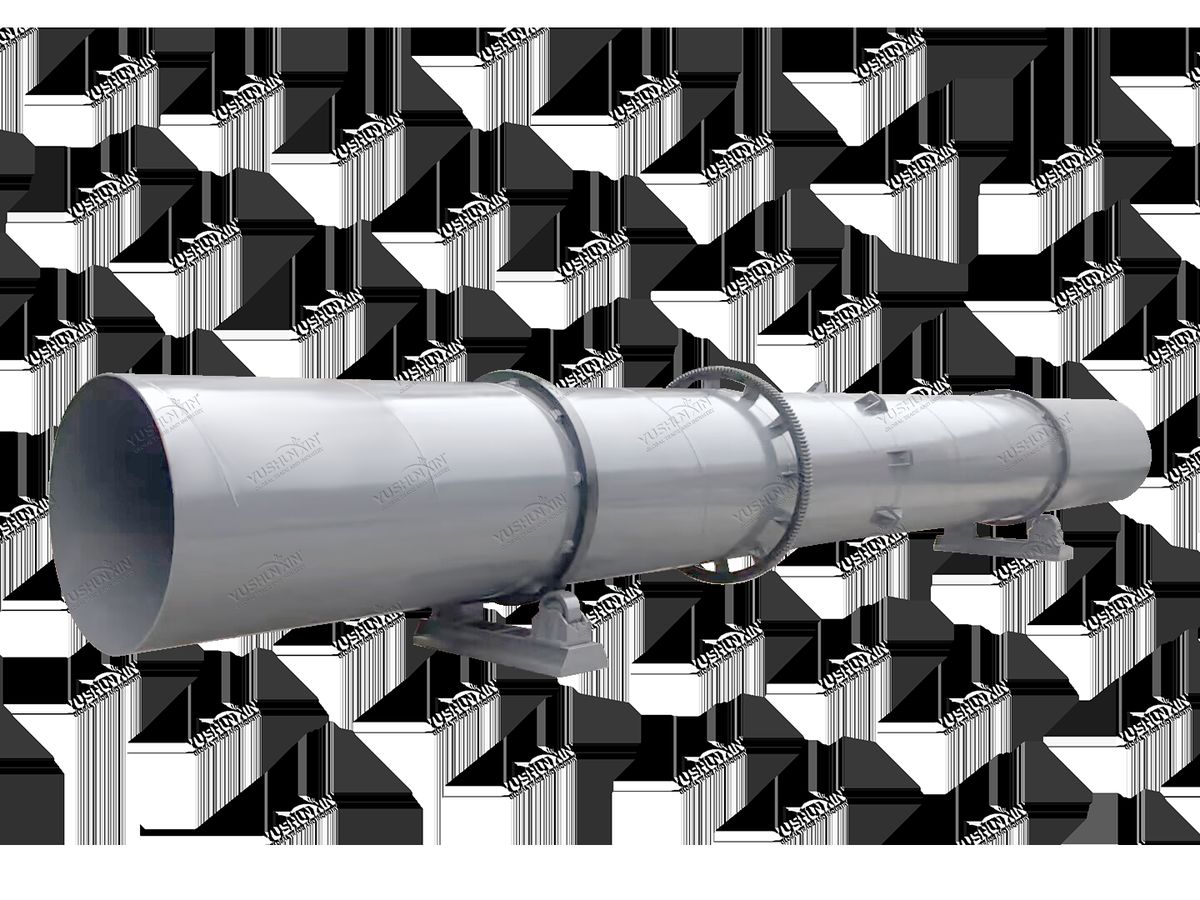
Moisture control before granulation
Disc and drum granulation need 25–35% moisture. Compost leaves fermentation at 55–65%. If the material is not dried or blended back with dry product, the granulator produces lumps, not pellets.
View details →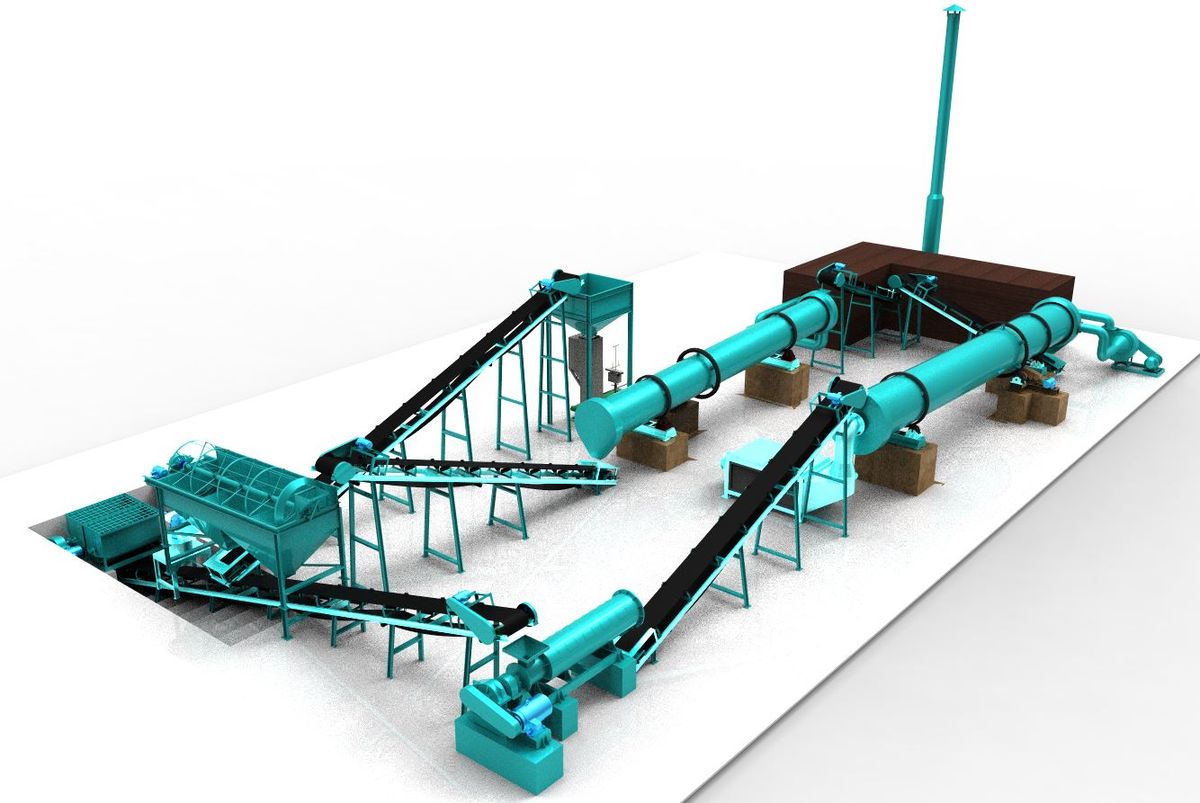
A complete line that takes fresh animal manure in at one end and delivers weighed, sealed bags of organic fertilizer at the other — designed as one plant, with every machine sized from the one before it.
A production line is not a list of machines; it is a material-flow calculation. The separator is sized from the daily slurry volume, the turner from the fermentation floor area and pile dimensions, the crusher from the compost tonnage per hour, the granulator from the crusher output and the required granule size, the dryer from the water that has to be removed per hour, and the bagging machine from the finished tonnage. When each unit is sized from the one before it, the line runs continuously; when it is not, the plant becomes a series of bottlenecks and operators spend their day moving material with a loader.
YUSHUNXIN designs and builds the full chain in one factory, which matters more than it sounds. The dryer and the granulator have to agree on the moisture and the throughput; the screener and the crusher have to agree on the return circuit; the bagging machine has to be able to take the peak output of the cooler. Because all of that equipment comes from one drawing set, the interfaces are our responsibility rather than yours. You receive a plant that is commissioned as a system, not a collection of machines that each work perfectly on their own.
These are the four configurations we build most often. Every one can be extended later — a powder line can grow a granulation section, and a 5 t/h line can be duplicated rather than replaced.
| Configuration | Output | Fermentation | Main equipment | Site area |
|---|---|---|---|---|
| Powder line, farm scale | 1–2 t/h | Open windrow, 10–15 days | Separator, self-propelled turner, semi-wet crusher, rotary screener, packing scale | 500–1,000 m² |
| Powder line, commercial | 3–10 t/h | Windrow or groove composting | Separator, groove/self-propelled turner, forklift feeder, chain crusher, screener, horizontal mixer, automatic packer | 1,500–3,000 m² |
| Organic granule line | 2–10 t/h | Windrow or fermentation channel | Everything above plus disc or stirring-tooth granulator, rotary dryer, cooler, drum coater, product screener | 2,500–6,000 m² |
| Organic-inorganic granule line | 10–30 t/h | Fermentation channel or in-vessel | Automatic batching, double roller or drum granulation, large dryer line, dust collection, 50 kg auto packer, palletiser | 8,000 m²+ |
In our experience commissioning plants, almost every underperforming manure line fails at one of these four points rather than at the granulator.
Disc and drum granulation need 25–35% moisture. Compost leaves fermentation at 55–65%. If the material is not dried or blended back with dry product, the granulator produces lumps, not pellets.
View details →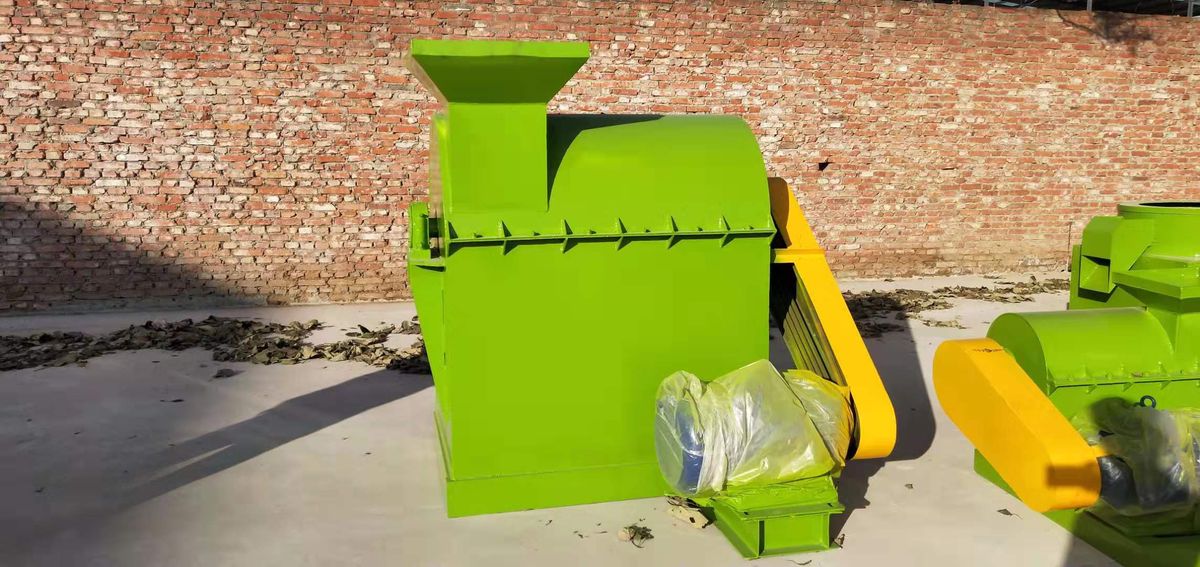
Granulation rate is decided by the crusher, not the granulator. Material coarser than 3 mm cannot be formed into a round pellet regardless of how the granulator is set.
View details →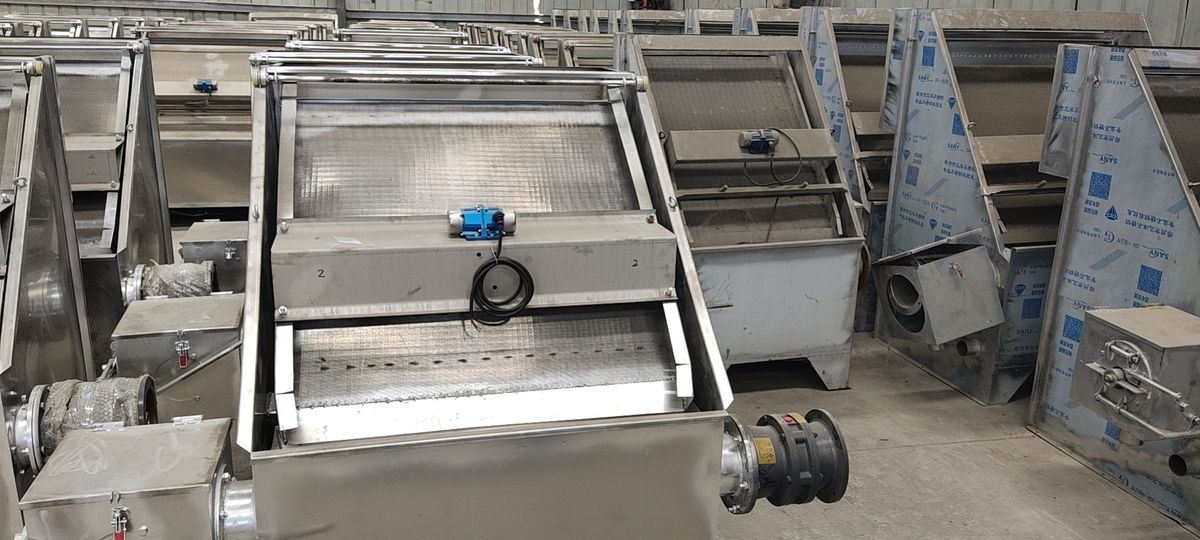
A pile above 70% moisture goes anaerobic, never reaches 55 °C, smells, and takes twice as long. Separation is the cheapest way to protect the rest of the investment.
View details →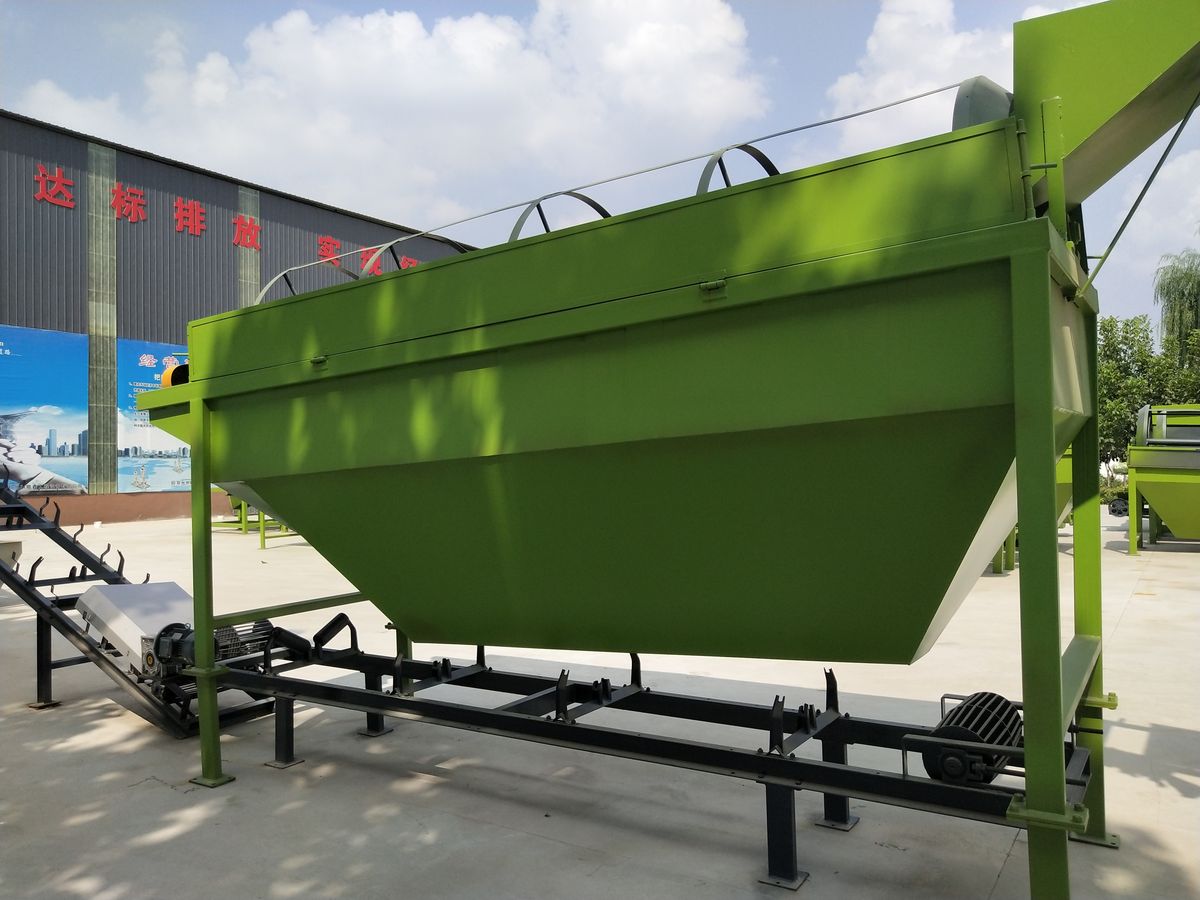
Oversize must return to the crusher and undersize back to the granulator. A line without a proper return circuit loses 10–20% of its output as waste and rework.
View details →A farm-scale powder line is usually manufactured in 25–35 days, shipped in one or two containers, and commissioned within a week of arrival. A 5–10 t/h granule line takes 45–60 days to manufacture because of the dryer, cooler and coating drum, and installation typically runs 30–45 days on site depending on civil works. Large plants of 15 t/h and above are staged: separation and fermentation equipment is delivered and installed first so composting can begin while the granulation section is still in production.
The part that most often delays a project is not the equipment but the site. Concrete fermentation floors, drainage, a covered fermentation area, three-phase power of the correct voltage and a hard access road for containers all have to be ready before installation starts. We issue the civil and electrical requirements with the drawings so your contractor can prepare the site in parallel with manufacture rather than after it.
Photographed in our Xingyang workshop and on customer sites. Watermark-free, no phone numbers.
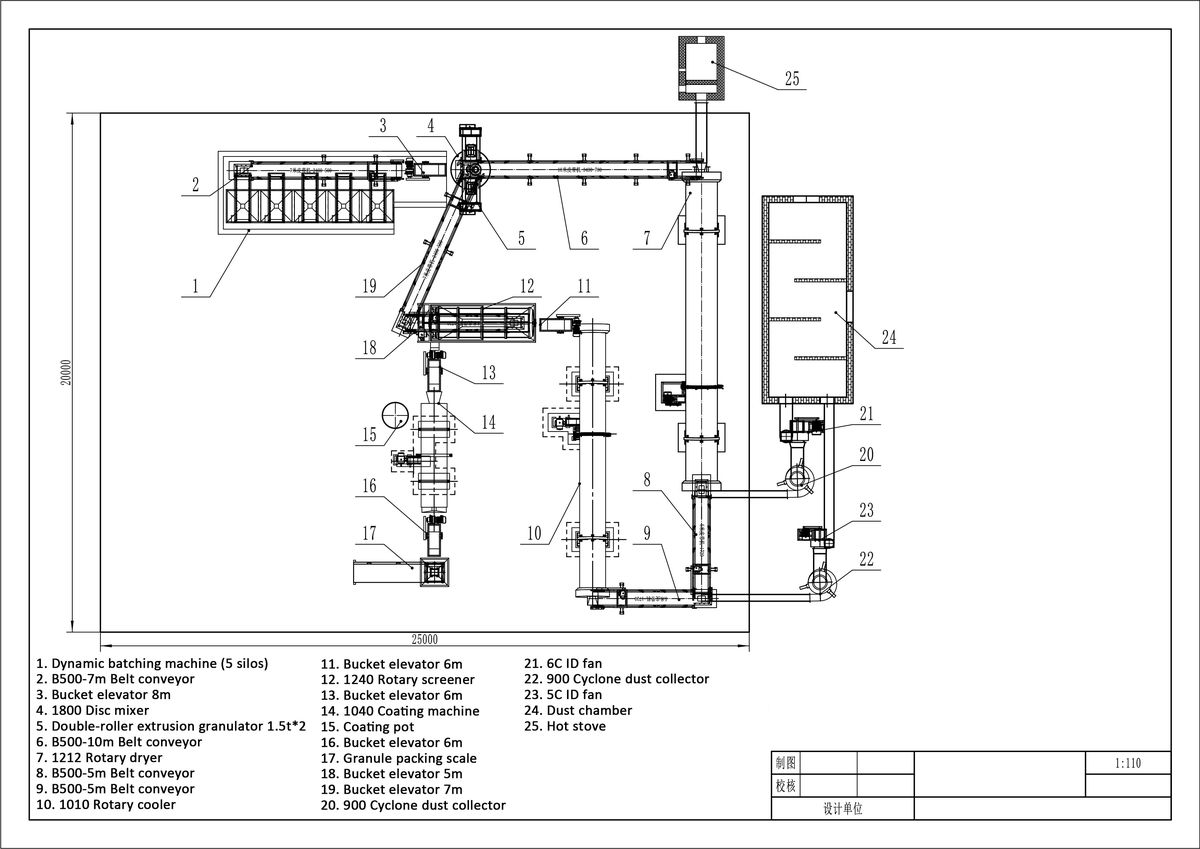
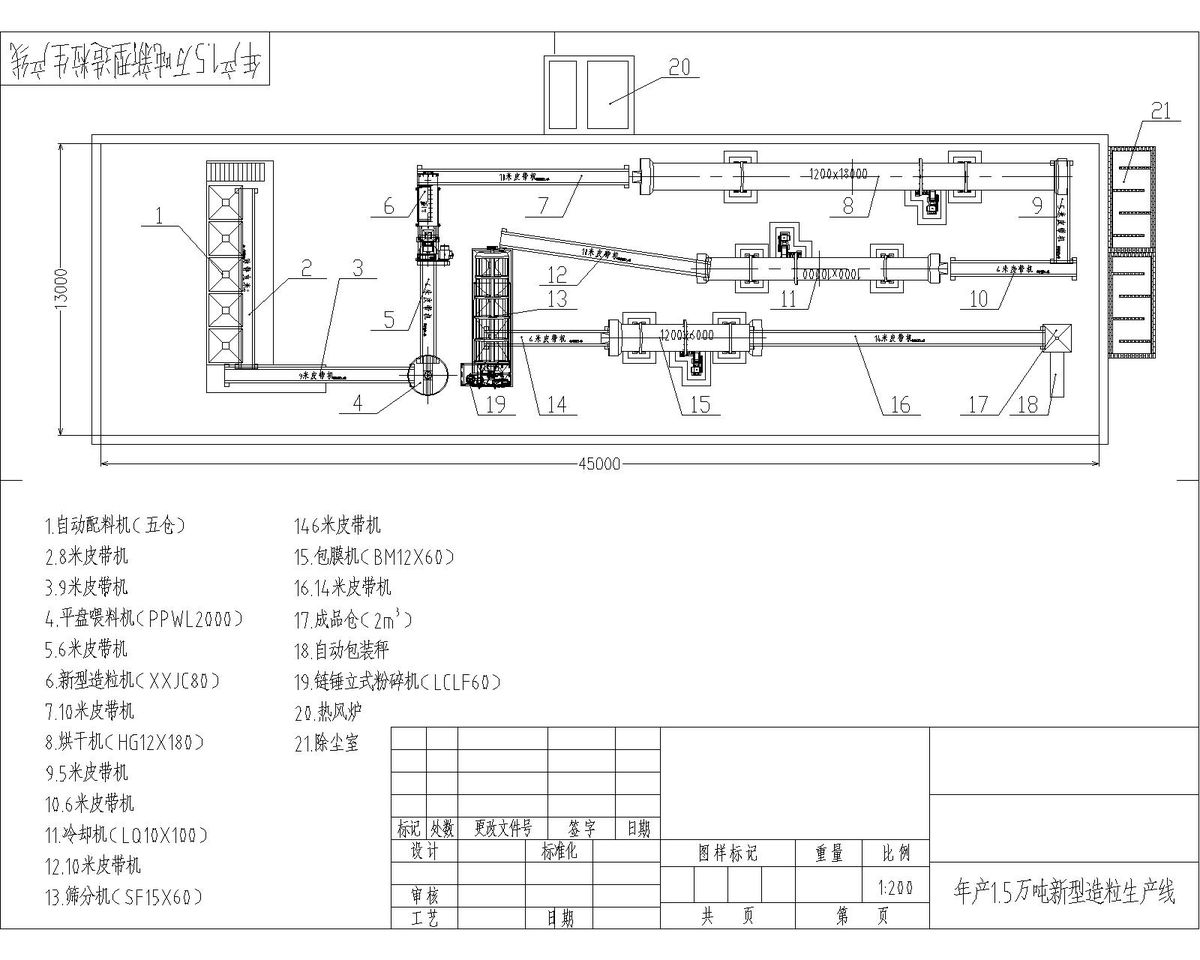
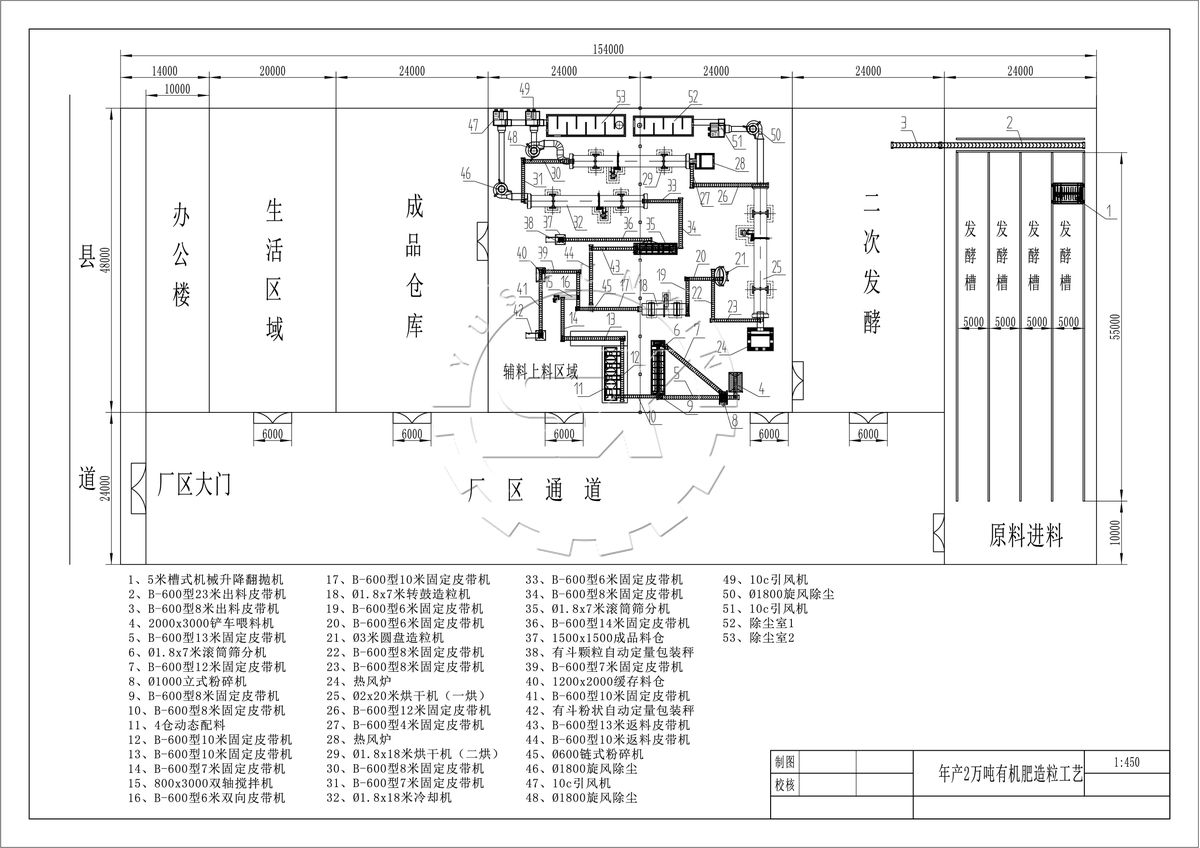
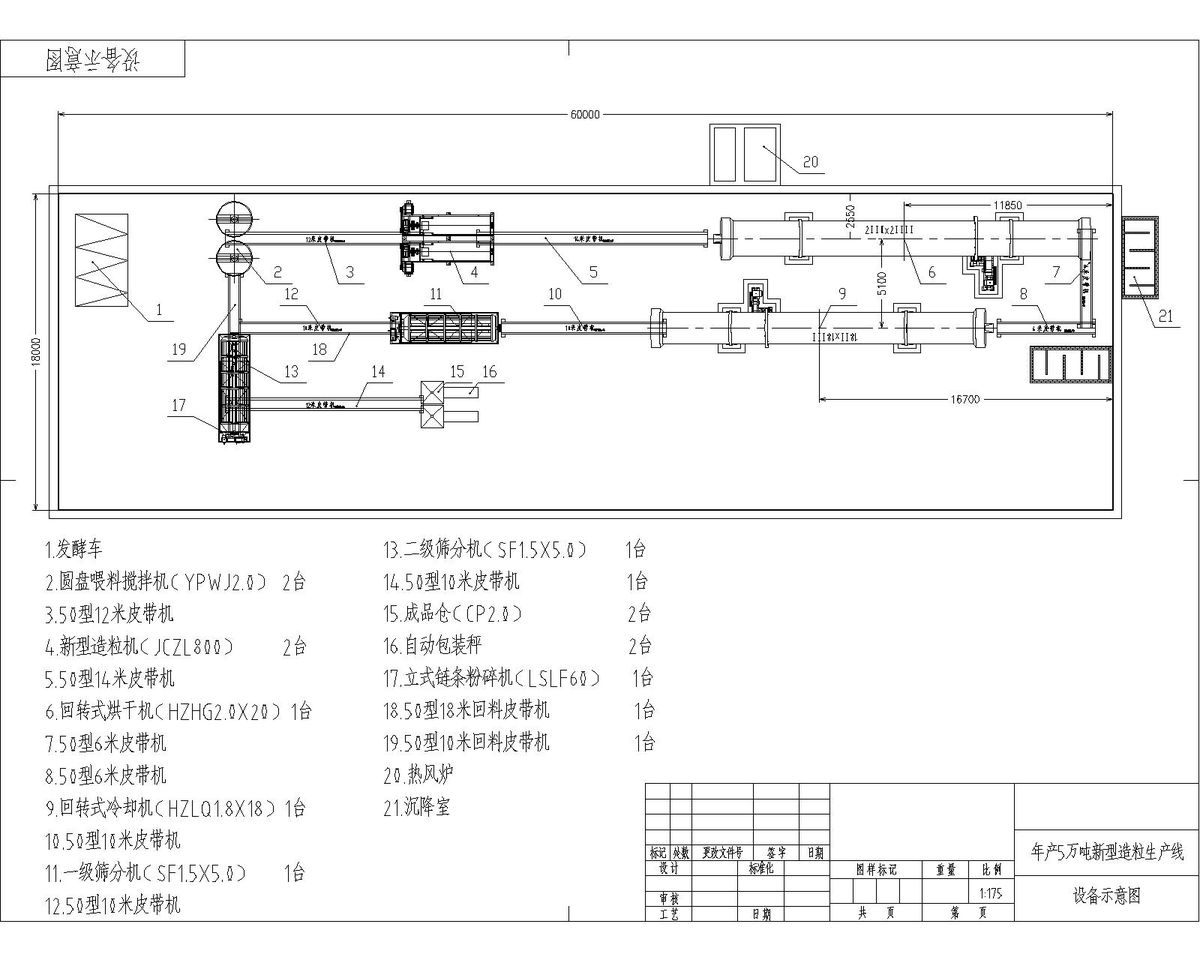
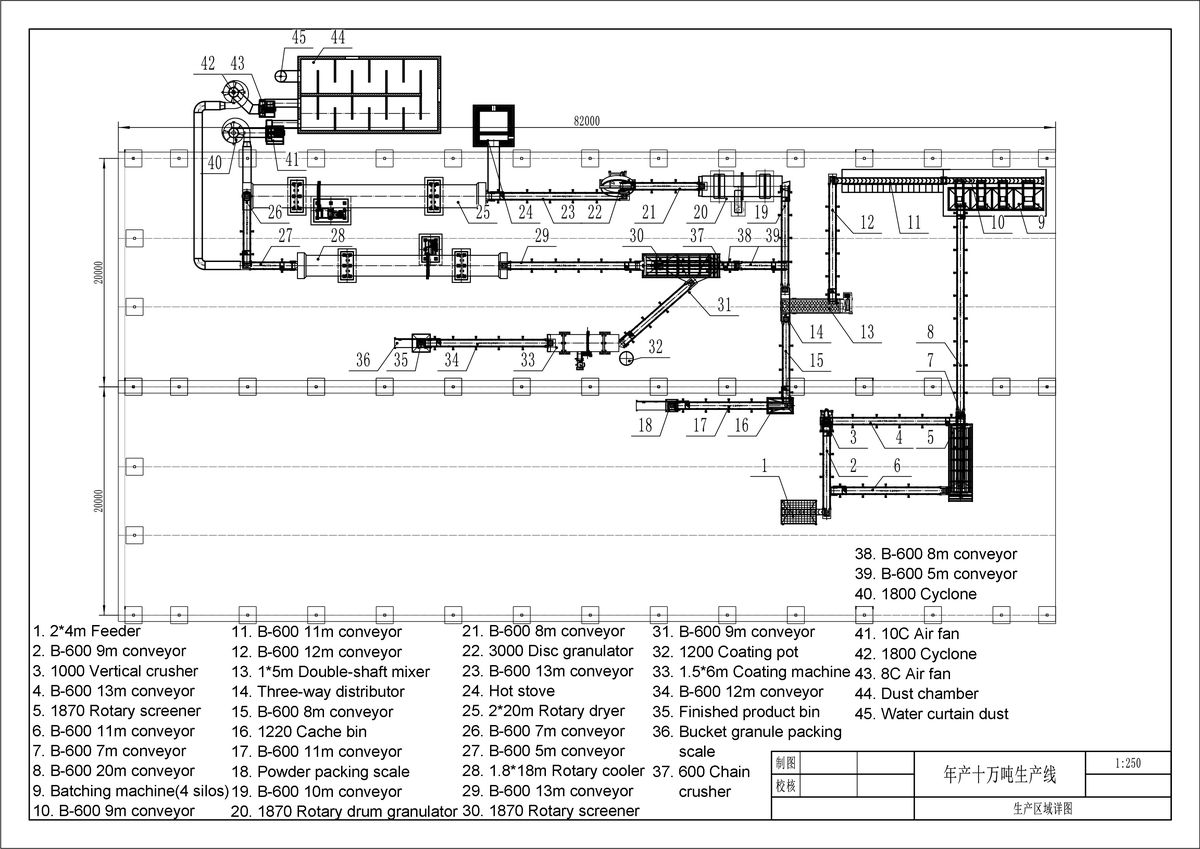
A 1–2 t/h powder line is the lowest-investment complete plant and consists mainly of a separator, a turner, a crusher, a screener and a packing scale. A 5 t/h organic granule line adds granulation, drying, cooling, coating, conveying and dust collection, which roughly triples the equipment value. Above 10 t/h the price is dominated by the dryer, the automatic batching system and the degree of automation rather than by the granulator. Send us your daily manure volume, target product and country and we will return a priced equipment list.
Yes, and most commercial plants do. Cow, pig, horse and goat manure can all pass through the same separation, composting and granulation equipment; what changes is the blending recipe and the fermentation time. Poultry manure is the exception — it normally needs its own drying and deodorising stage before it joins the main flow, because its ammonia load is far higher.
A farm-scale powder line runs with two or three people: one loader operator feeding raw material, one person on fermentation, and one or two on bagging. A 5–10 t/h automatic granule line needs about six people in total across fermentation, feeding, control room, granulation, drying and bagging. Larger plants add maintenance and quality-control staff rather than more operators, because the control system does the sequencing.
Small lines of 1–2 t/h usually run on 60–120 kW total connected load, medium lines of 5–10 t/h on 250–450 kW, and large plants on 600 kW or more. YUSHUNXIN machines are wound for 380 V / 50 Hz by default and can be supplied for 220 V, 415 V, 440 V or 60 Hz on request, with CE-compliant electrical components where the destination market requires them.
Complete manure to fertilizer solutions: separation, fermentation, crushing, screening, granulation, drying and baggin…
Read more →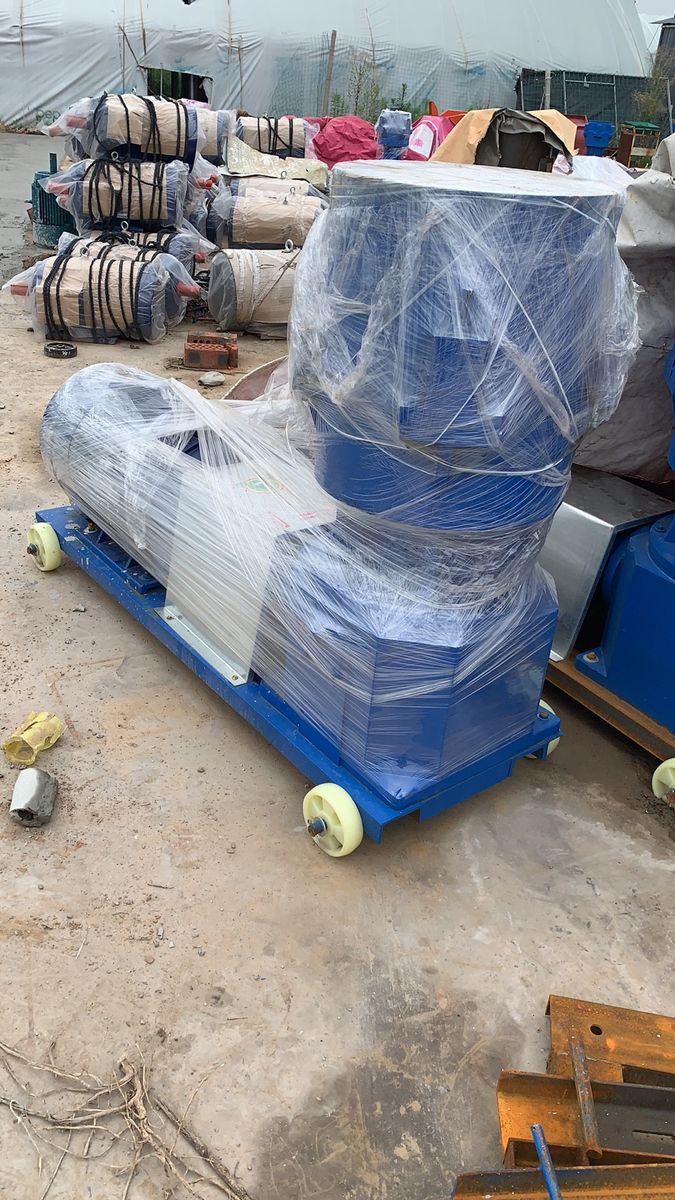
Manure fertilizer machines that turn compost into a product: granulators, pellet machines, powder lines, coaters, cool…
Read more →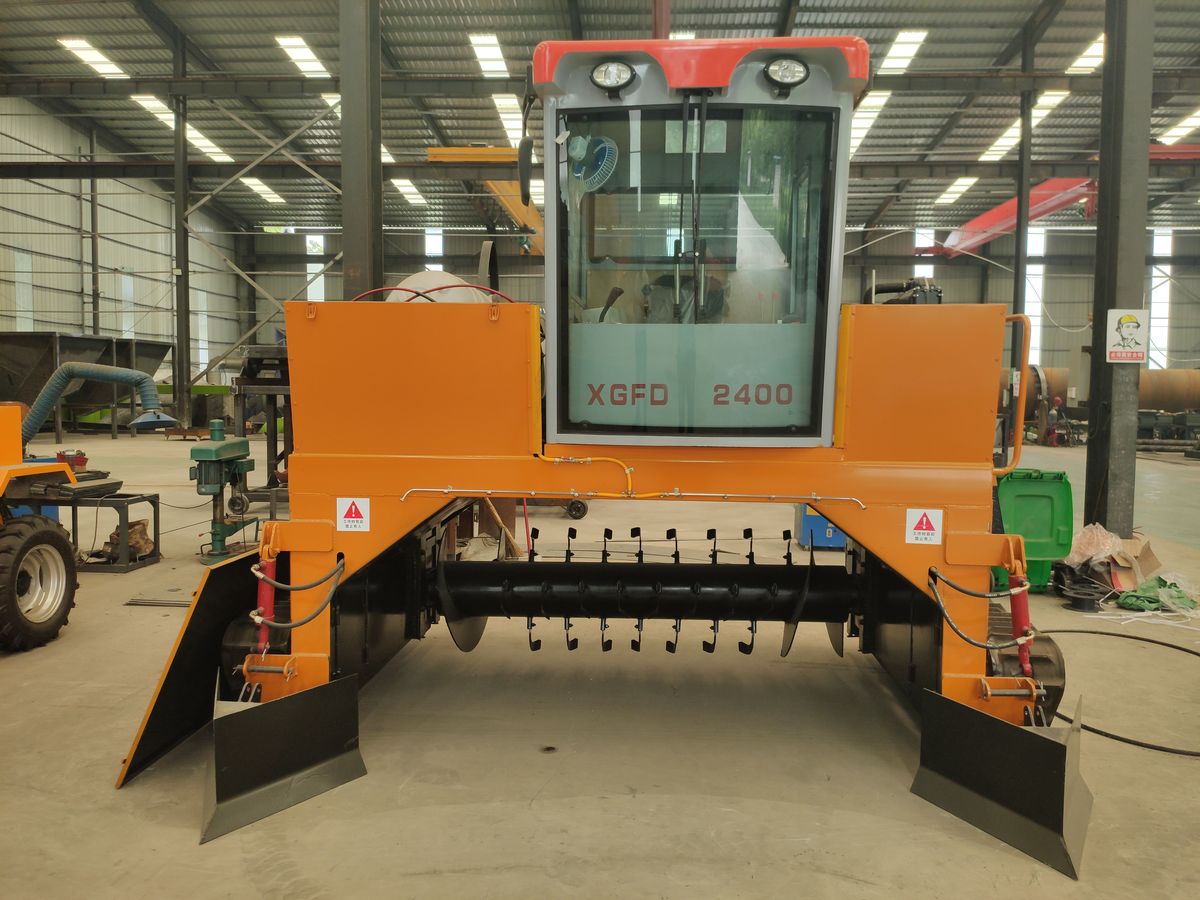
Manure composting systems: windrow, groove and in-vessel fermentation, how to design the pile, control temperature, ju…
Read more →What a manure fertilizer plant costs and why: the five cost drivers, budget bands by plant scale, operating cost per t…
Read more →Small scale organic fertilizer production from 0.5 t/h: the minimum equipment set, what to leave out, and how to grow …
Read more →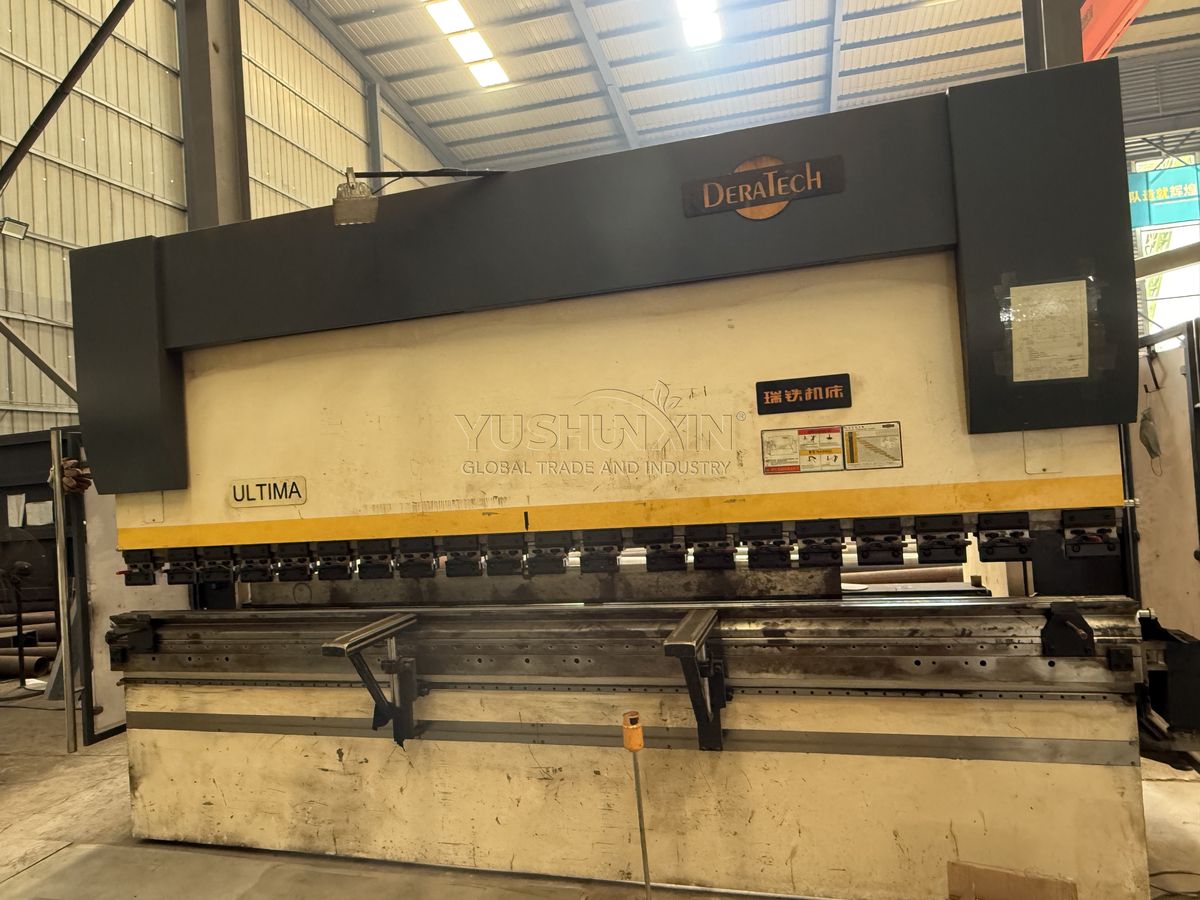
YUSHUNXIN services for manure fertilizer projects: material testing, process design and layout drawings, custom manufa…
Read more →Send your raw material, target capacity and country. Our engineers reply within one working day with a process route, equipment list and budget.
Send us your raw material and target capacity — we will propose the process, the machines and the budget.
Send your raw material and target capacity — our engineers reply within one working day with a process route, equipment list and budget.
Our engineering team will reply within one working day. For anything urgent, message us on WhatsApp.
Open WhatsApp