
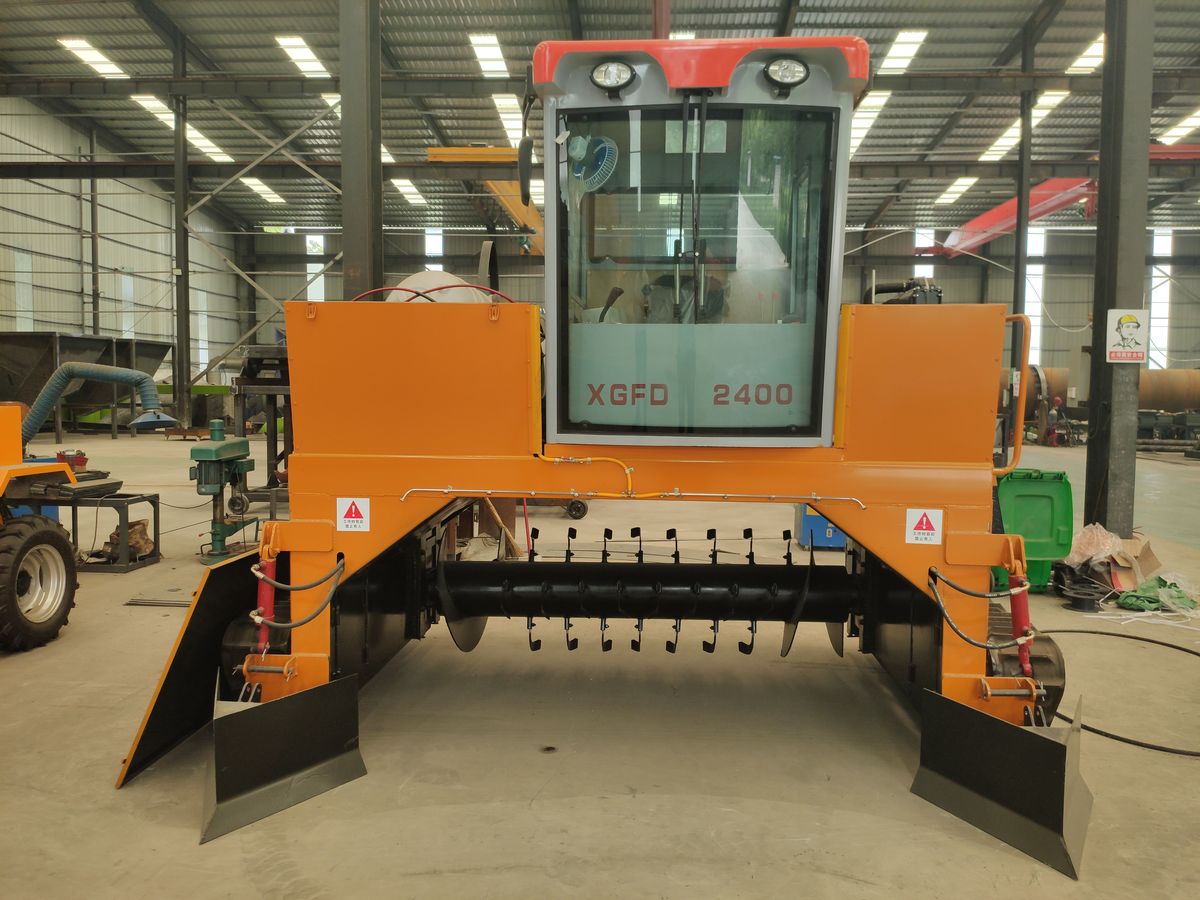
Open windrow composting
Long piles on a concrete pad, turned by a self-propelled or crawler turner. The lowest-cost system with the most flexibility, and the standard choice for farms with space and a dry climate.
View details →Fermentation is where manure stops being a waste. Get the moisture, carbon ratio, airflow and turning frequency right and you get mature compost in 10–15 days; get them wrong and the same pile sits for two months and still smells.
Composting is controlled aerobic decomposition. Micro-organisms consume the readily degradable organic matter in manure, and in doing so they raise the temperature of the pile. Above 55 °C, pathogens, weed seeds and fly larvae are destroyed; the organic matter is converted into stable humus; the carbon-to-nitrogen ratio falls towards the 12–15:1 range typical of mature compost; and the smell disappears because the anaerobic pockets that generated hydrogen sulphide and ammonia no longer exist.
That process only works if four conditions are held simultaneously. There must be enough oxygen, which in practice means turning the pile or forcing air through it. Moisture must stay between 50% and 60%, because a dry pile stops working and a wet pile turns anaerobic. The carbon-to-nitrogen ratio must be near 25–30:1, which is why manure is almost always blended with straw, sawdust or rice hull. And the pile must be large enough to insulate itself: a heap smaller than about 1 m³ loses heat faster than the microbes generate it.
Getting these four right is the difference between compost in a fortnight and a smelly heap in six months. It is also the part of a manure fertilizer project where we see the widest variation between a plant that produces consistent, sellable product and one that produces a variable material that no distributor will commit to buying.
Choose the system by site, climate, scale and how close the nearest neighbour is.
Long piles on a concrete pad, turned by a self-propelled or crawler turner. The lowest-cost system with the most flexibility, and the standard choice for farms with space and a dry climate.
View details →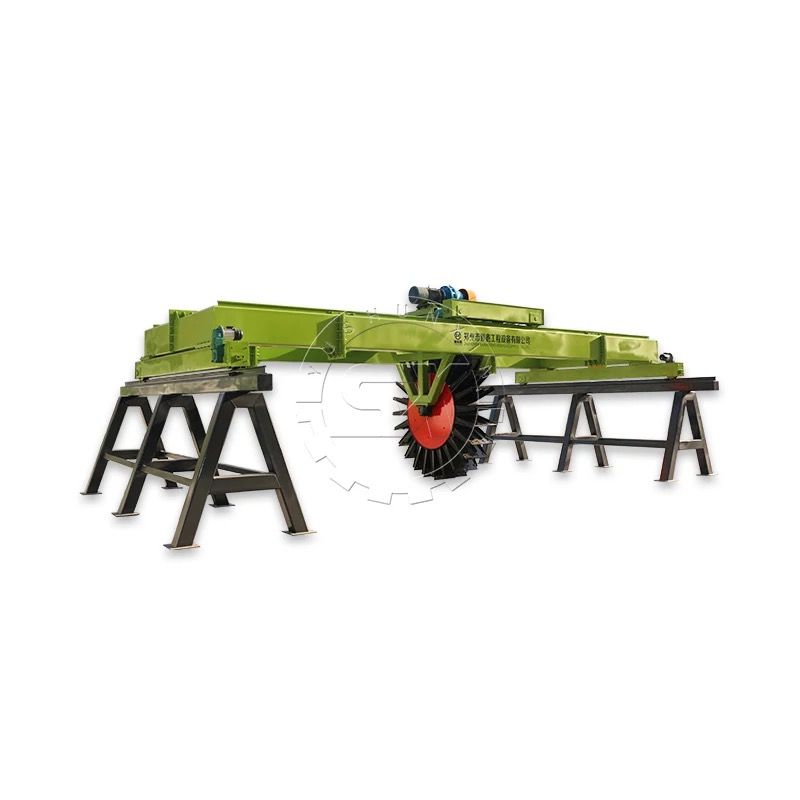
Three-walled channels with a rail-mounted groove turner. Saves roughly 40% of the floor area because piles can be deeper, and gives more consistent fermentation in wet climates.
View details →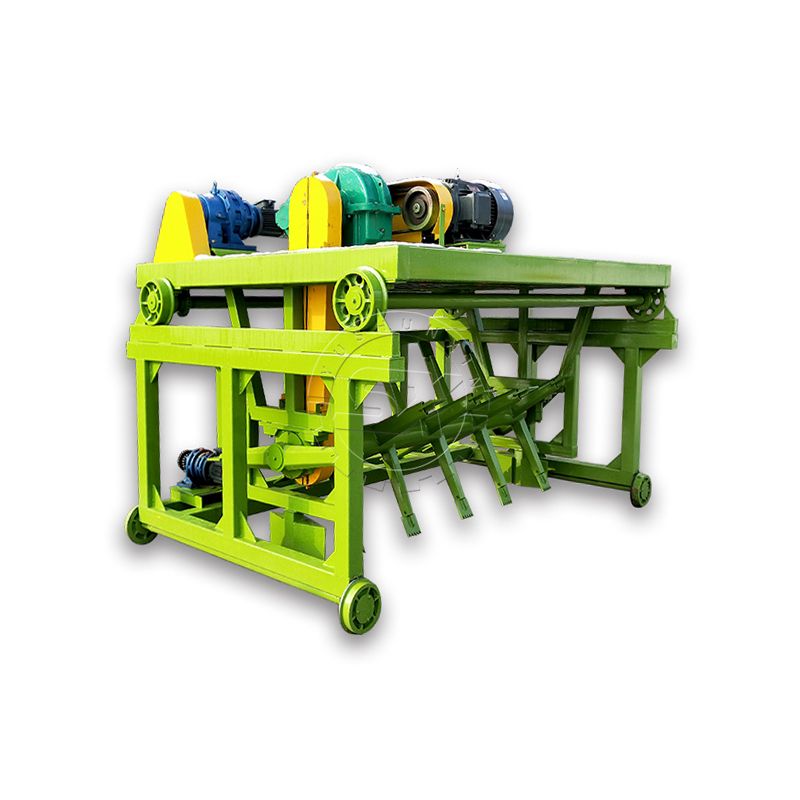
Closed tanks or tunnels with forced aeration and temperature control. Primary fermentation in 7–10 days regardless of weather, minimal odour and near-zero leachate — the right choice for poultry manure and urban sites.
View details →Earthworms convert pre-composted manure into vermicompost, a premium product for nurseries and horticulture. Slower and more labour-intensive, but it commands the highest price per tonne in many markets.
View details →| Open windrow | Fermentation channel | In-vessel | |
|---|---|---|---|
| Fermentation time | 10–15 days plus maturation | 10–15 days | 7–10 days |
| Floor area | Largest | About 40% less than windrow | Smallest |
| Climate dependence | High — rain and cold slow it down | Moderate; channels drain better | None |
| Odour control | Depends on management | Good | Best — exhaust can be filtered |
| Leachate | Needs a drained pad and a lagoon | Collected in the channel | Almost none |
| Capital cost | Lowest | Moderate | Highest |
| Best for | Farms with land and a dry climate | Wet climates, limited land | Poultry manure, urban sites, cold climates |
The standard test on a farm is simple: the pile no longer re-heats after turning, the core temperature has fallen to ambient, the material is dark brown to black, it crumbles rather than smears when squeezed, and it smells of forest floor rather than of ammonia or manure. Under favourable conditions that is reached in 20–30 days from building the pile; with forced aeration and good management, in 15–20.
For commercial fertilizer production we recommend going one step further and allowing a maturation period, sometimes called secondary composting. Immediately after the thermophilic phase the compost can still be phytotoxic — it contains organic acids and a high ammonia concentration that inhibit root growth. Two to four weeks of maturing, without forced aeration and with occasional turning, allows those compounds to break down. If you are selling to nurseries or into a market where a germination test is used, this stage is not optional.
Photographed in our Xingyang workshop and on customer sites. Watermark-free, no phone numbers.
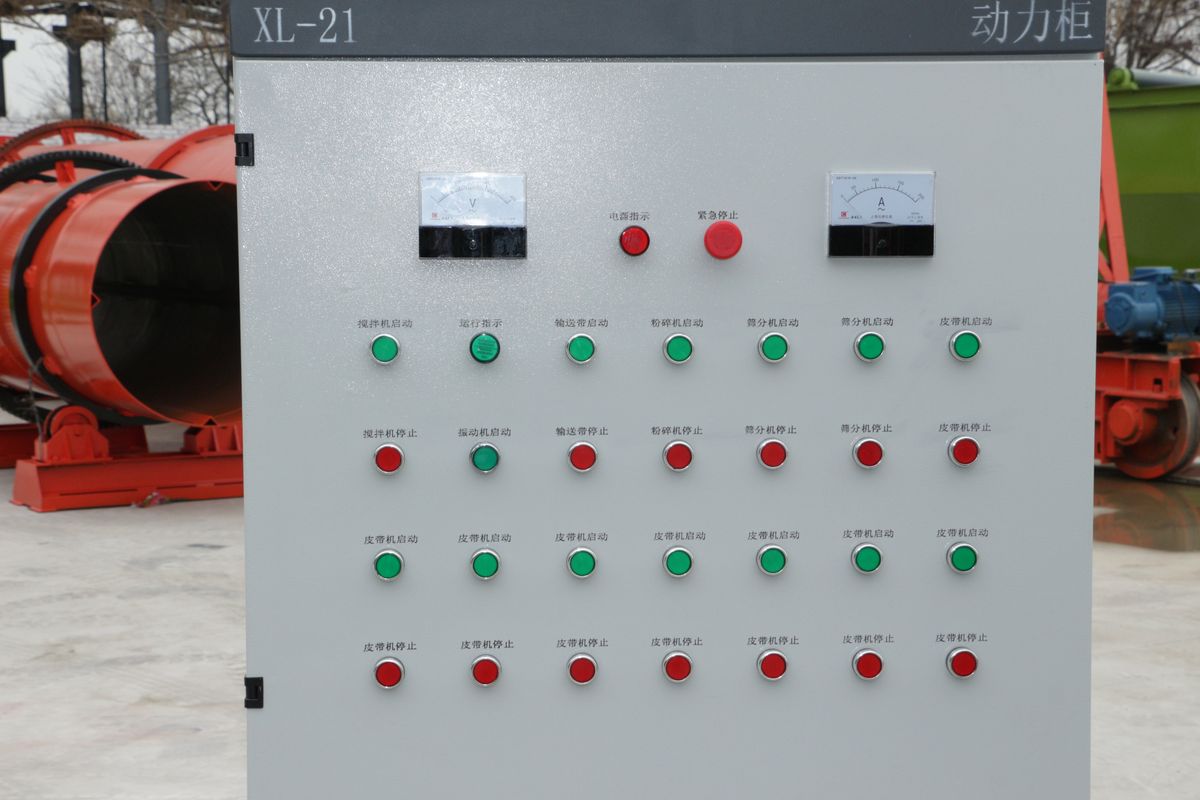
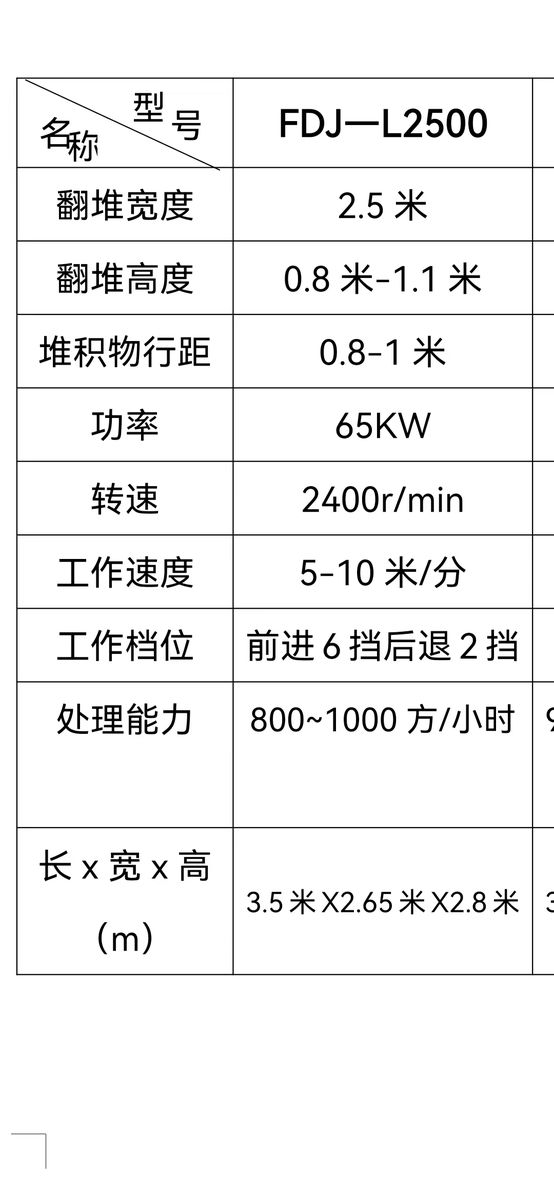
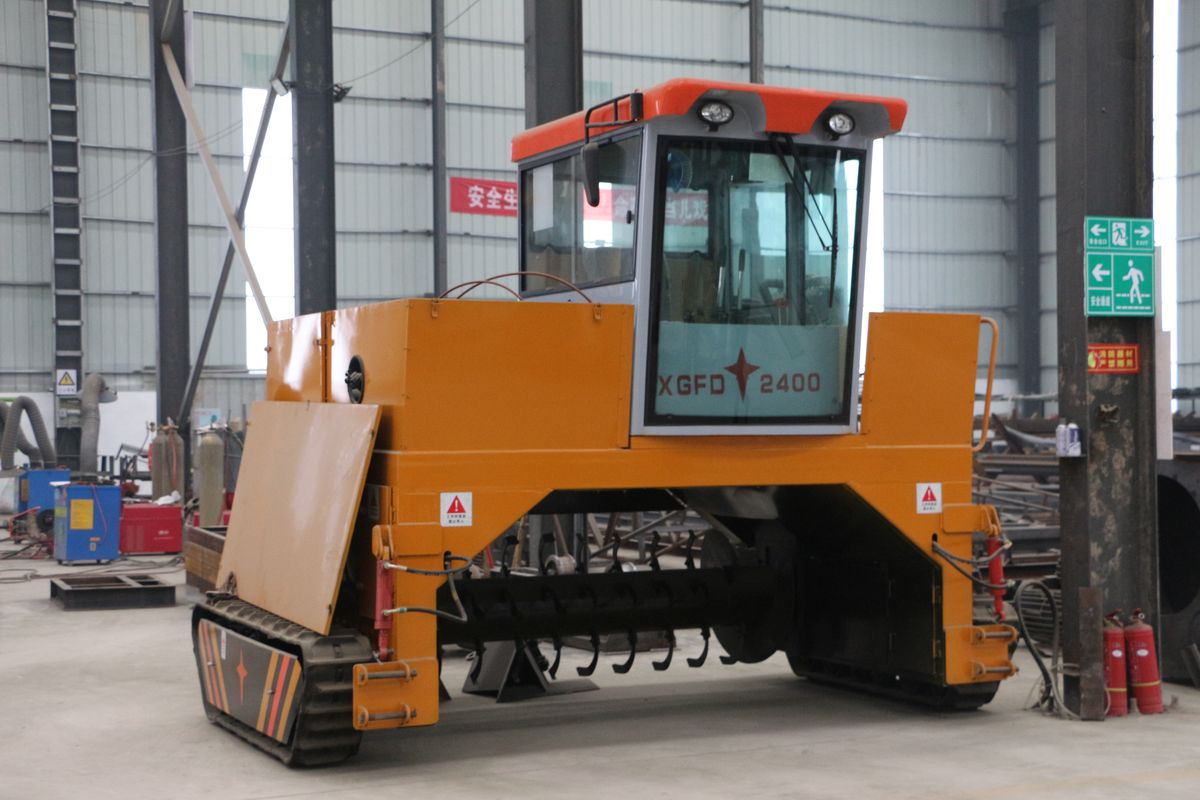
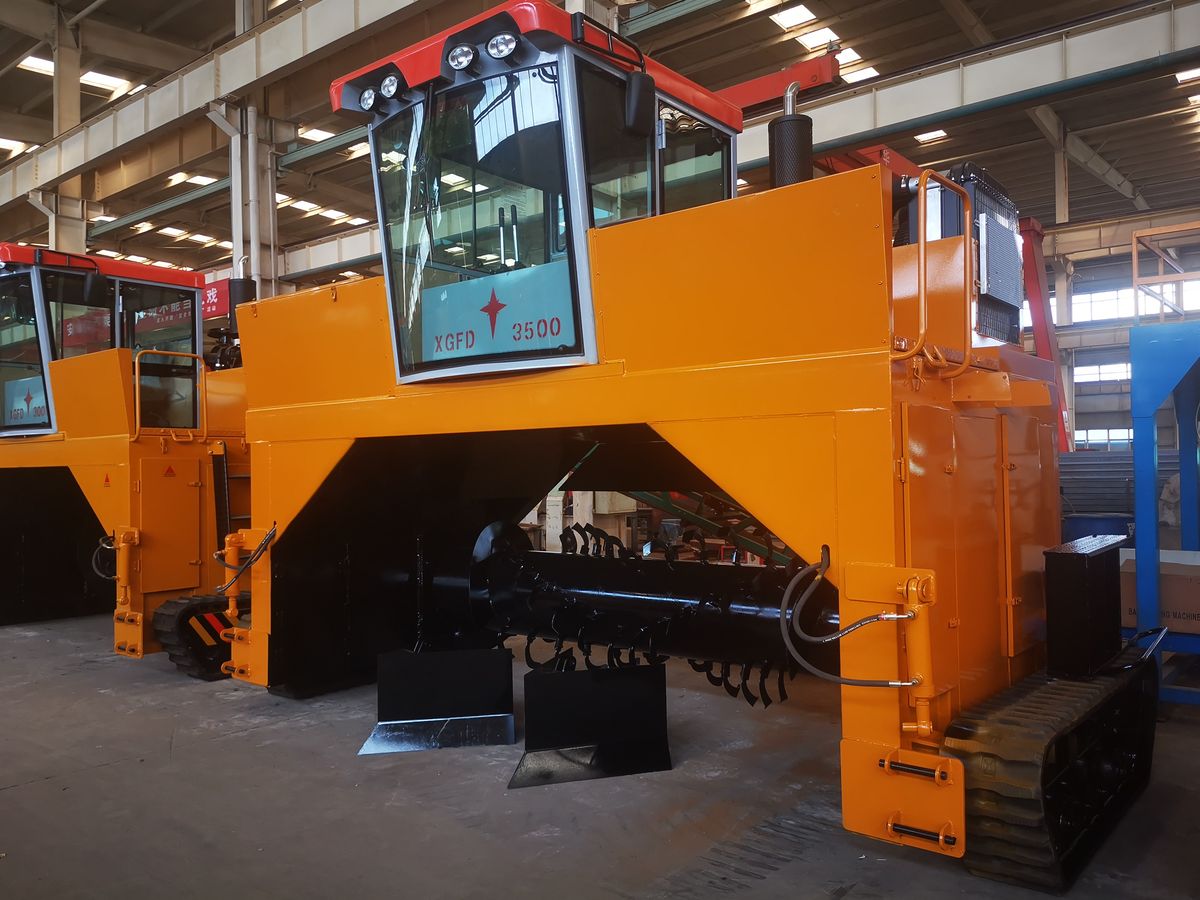
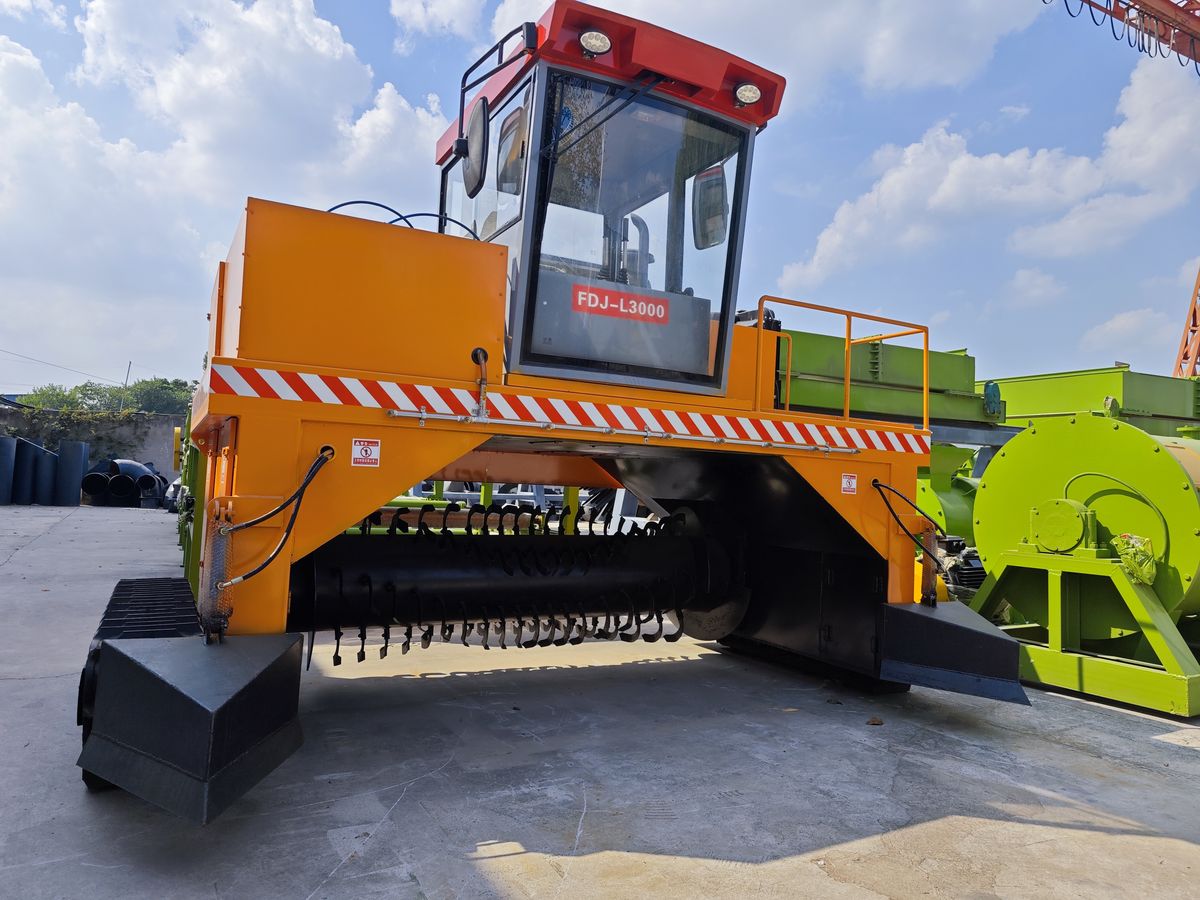
With a turner and correct moisture, the thermophilic phase takes about 10–15 days and the pile is then ready for a maturation period of two to four weeks. That gives usable compost in 20–30 days from building the pile. In-vessel fermentation shortens the primary phase to 7–10 days. A pile that has not been turned, or that was built too wet, can take three months and still be immature.
50–60% at the start. The practical field test is the squeeze test: pick up a handful and squeeze it — it should feel like a wrung-out sponge, with a few drops of water visible but none running freely. Above 65% the pore spaces fill with water, air cannot penetrate and the pile turns anaerobic; below 40% microbial activity slows sharply.
Usually a carbon source, because manure is high in nitrogen and low in available carbon. Straw, rice hull, sawdust, chopped maize stalk or shredded green waste are all suitable, blended at roughly 3 parts manure to 1 part carbon material by volume. A fermentation inoculant can speed up the start of the process, and it is worth using on poultry and pig manure where the ammonia load is high.
The target is 55–65 °C in the core, held for at least three consecutive days. That is the temperature band in which pathogens and weed seeds are destroyed. Below 45 °C the process is too slow and pathogens survive; above 70 °C the microbial population itself is damaged and fermentation stalls, which is why monitoring and timely turning matter.
Yes, but the pile must be larger and the fermentation will be slower at the surface. The core of a well-built windrow of 1.5 m or more will keep working in freezing weather because the microbial heat generation is internal. In very cold climates, in-vessel fermentation or a covered channel is the better answer, because insulation and forced aeration remove the weather dependency entirely.
A complete manure composting system: pile or channel design, moisture and C/N control, turning frequency, temperature …
Read more →Compost windrow turners for manure: self-propelled and crawler types that aerate and remix the pile, cut fermentation …
Read more →Chicken manure composting systems with forced aeration and enclosed fermentation, cutting the cycle to 7–10 days while…
Read more →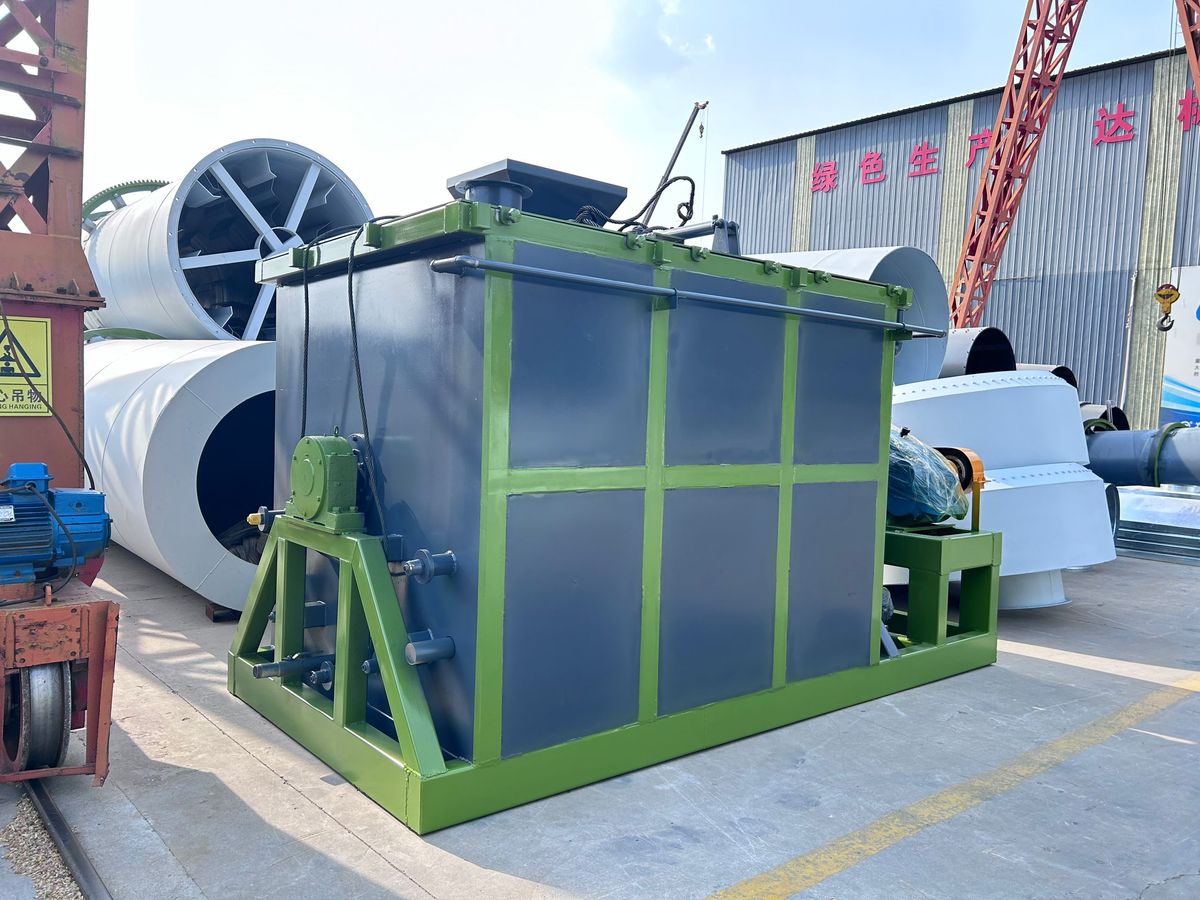
Poultry composting machines for layer and broiler farms: fermentation tanks, groove turners and forklift turners that …
Read more →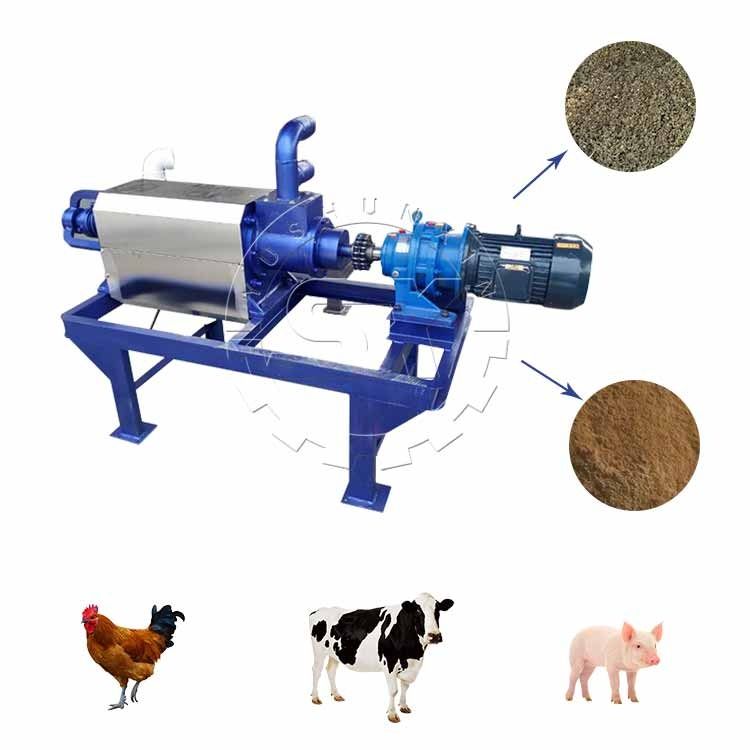
Manure treatment equipment that makes raw animal slurry handleable: solid liquid separators, dewatering machines, drye…
Read more →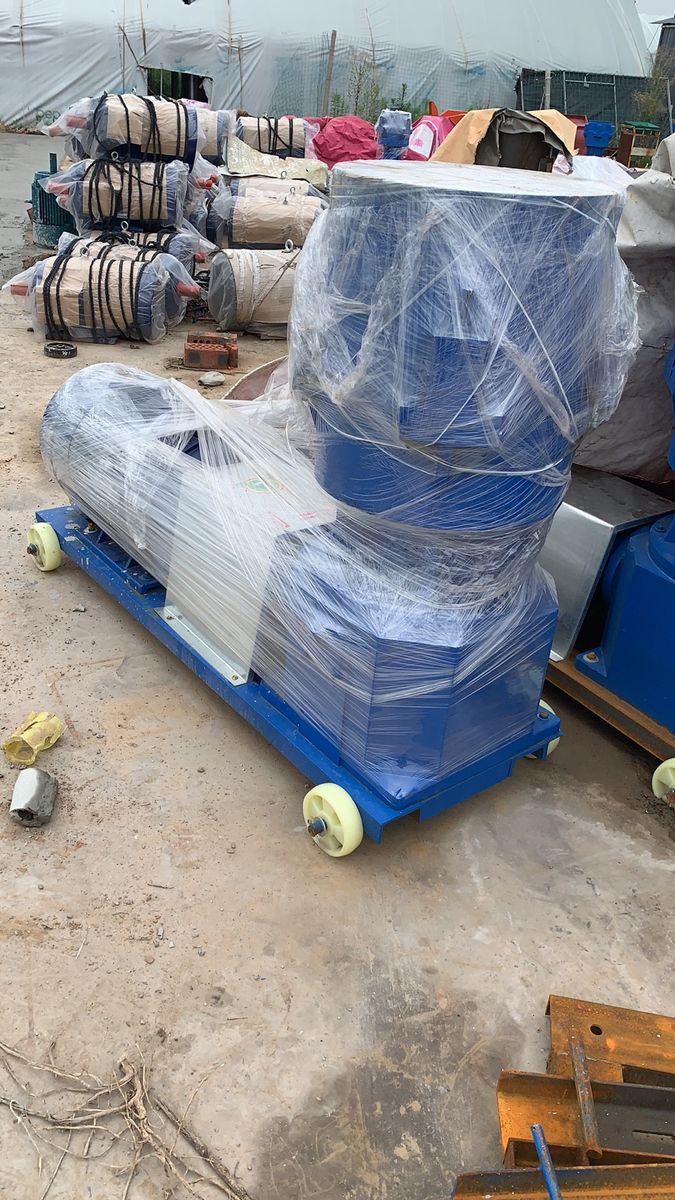
Manure fertilizer machines that turn compost into a product: granulators, pellet machines, powder lines, coaters, cool…
Read more →Send your raw material, target capacity and country. Our engineers reply within one working day with a process route, equipment list and budget.
Send us your raw material and target capacity — we will propose the process, the machines and the budget.
Send your raw material and target capacity — our engineers reply within one working day with a process route, equipment list and budget.
Our engineering team will reply within one working day. For anything urgent, message us on WhatsApp.
Open WhatsApp