
Manure to fertilizer granulator
The five granulation methods compared — disc, rotary drum, stirring tooth, double roller and flat die — and how to choose between them for organic and organic-inorganic products.
View details →The composting stage makes manure safe. The machines on this page make it sellable — a consistent granule or powder with a repeatable analysis, a fixed bag weight and a brand on the label.
Powder fertilizer is screened compost. It is cheap to produce, needs no granulator, dryer, cooler or coater, and in many markets it is what farmers buy. Its weakness is that it is dusty, difficult to spread evenly by machine and difficult to blend to a uniform analysis in the field. Granules are the same compost rolled or pressed into uniform 2–5 mm pellets, dried, cooled and coated. They flow through a mechanical spreader, store without caking for months, and sell at a materially higher price per tonne.
The choice is commercial, not technical. If your customers buy powder, build a powder line and put your capital into crushing and screening quality instead — those two machines decide how the product looks. If your market pays a premium for pellets, or if you intend to export or supply a distributor with a stated analysis, build the granule line, and accept that the dryer will be its largest operating cost.
Either way, the machines downstream of the screener are the same set: a mixer for additives and binder, a granulator if you are making pellets, a dryer and cooler to fix the moisture, a coater to stop caking, a product screener to grade the output, and a bagging machine to put it in sacks of a fixed weight.
Each page covers selection, working principle and specification in detail.
The five granulation methods compared — disc, rotary drum, stirring tooth, double roller and flat die — and how to choose between them for organic and organic-inorganic products.
View details →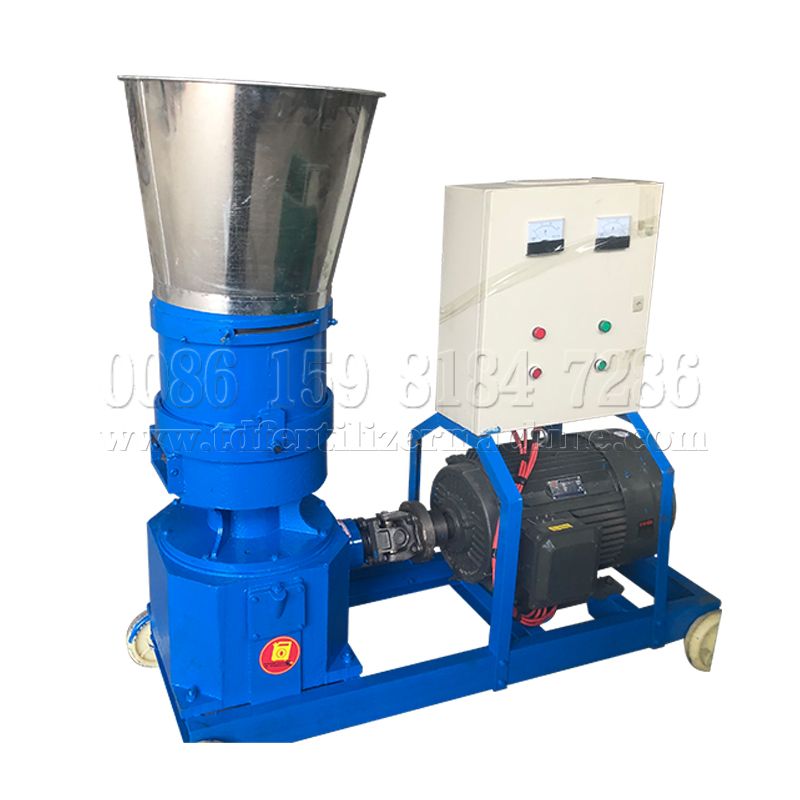
Pelletising systems for compost, with the binder and moisture control that decide whether the pellet forms and how strong it is.
View details →The complete cow dung route from dewatering through composting to powder or pellet fertilizer, with the equipment list for each capacity.
View details →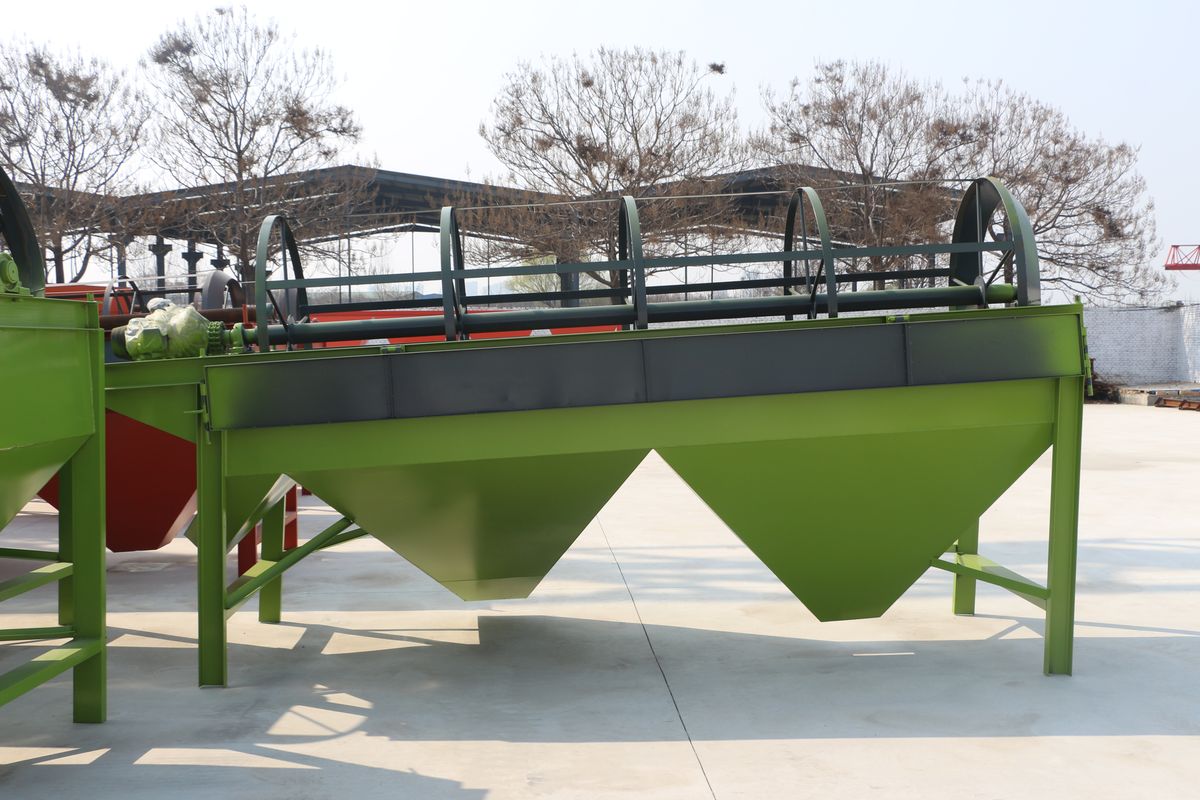
The lowest-investment route: no granulator, no dryer, no cooler. Ferment, crush, screen and bag cattle manure as powder organic fertilizer.
View details →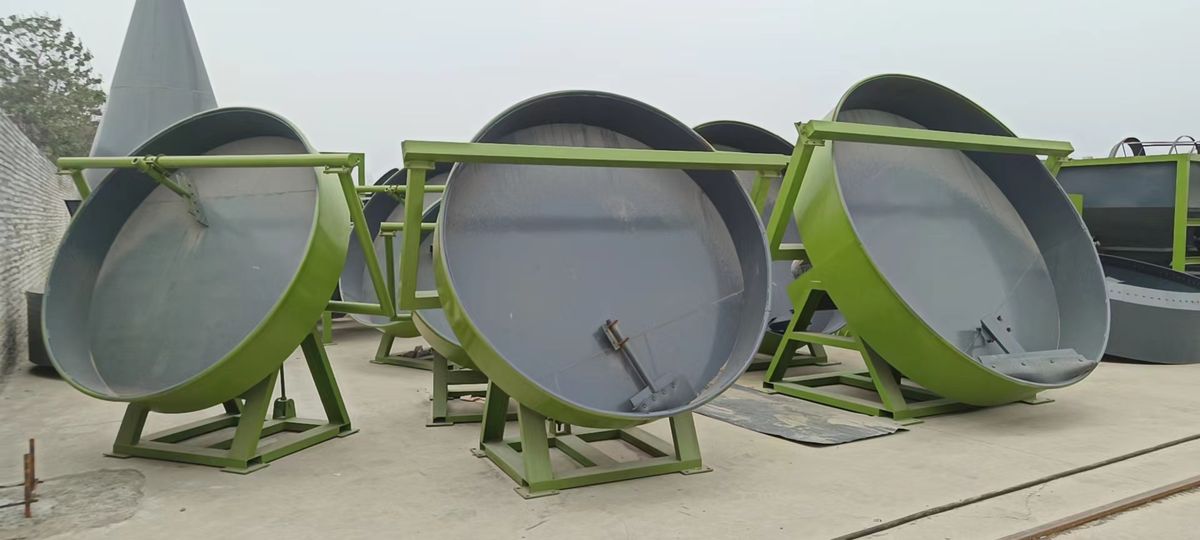
Poultry manure pelletising, where the high nitrogen content requires different binder and moisture settings from cattle manure.
View details →Pelletising compost from mixed green waste and manure, including the pre-drying and binder choices that make a friable compost granulate.
View details →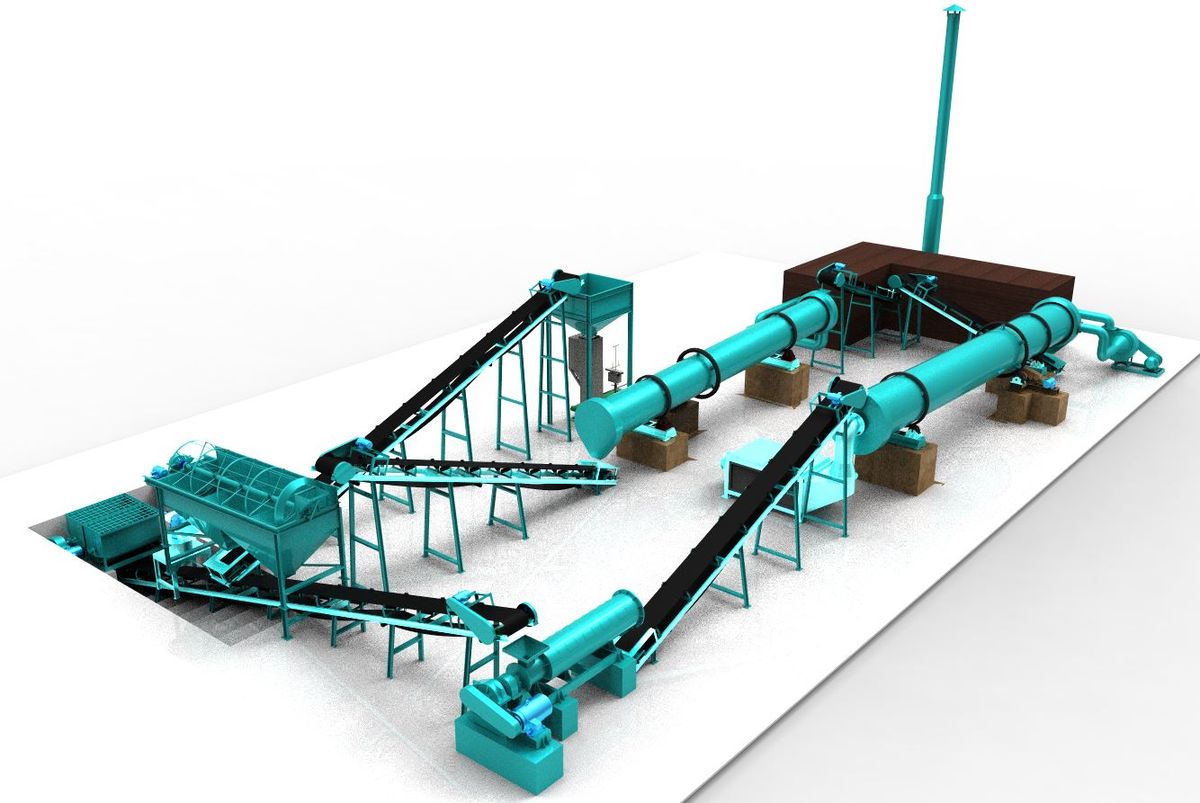
The full machine range for organic fertilizer production, from feeding and batching to granulation, drying and bagging.
View details →Machines that convert mature compost into bagged fertilizer, with the process route for both powder and pellet products.
View details →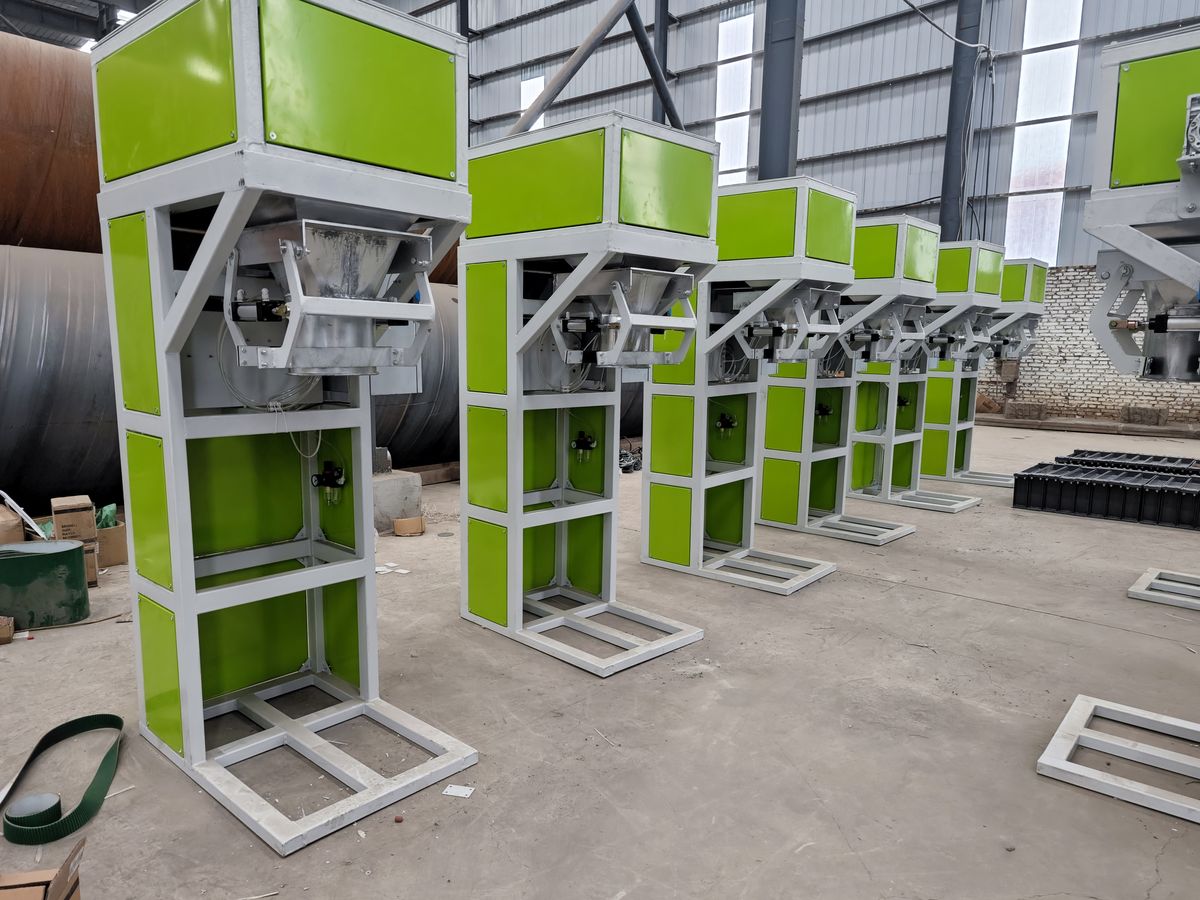
Weighing and sealing equipment from single-head scales to fully automatic bagging and palletising lines, with bag format options.
View details →| Method | Feed condition | Granule form | Granulation rate | Best for |
|---|---|---|---|---|
| Disc (pan) granulator | 25–35% moisture powder | Round, 2–5 mm | About 93% | Organic fertilizer, small to medium capacity, lowest capital cost |
| Rotary drum granulator | 25–35% moisture powder | Round, 2–5 mm | About 70% | Organic and compound fertilizer, higher capacity, needs a return circuit |
| Stirring-tooth granulator | 30% moisture, fibre-rich | Round, uniform | Up to 97% | Organic fertilizer with high fibre content; also polishes and rounds the pellet |
| Rotary drum churning granulator | 25–35% moisture | Round, hard | High | Large organic lines; combines drum and internal stirring shaft |
| Double roller granulator | Below 5% moisture, dry powder | Pillow-shaped, 2–6 mm | High | Dry compound and NPK formulas; no drying needed after granulation |
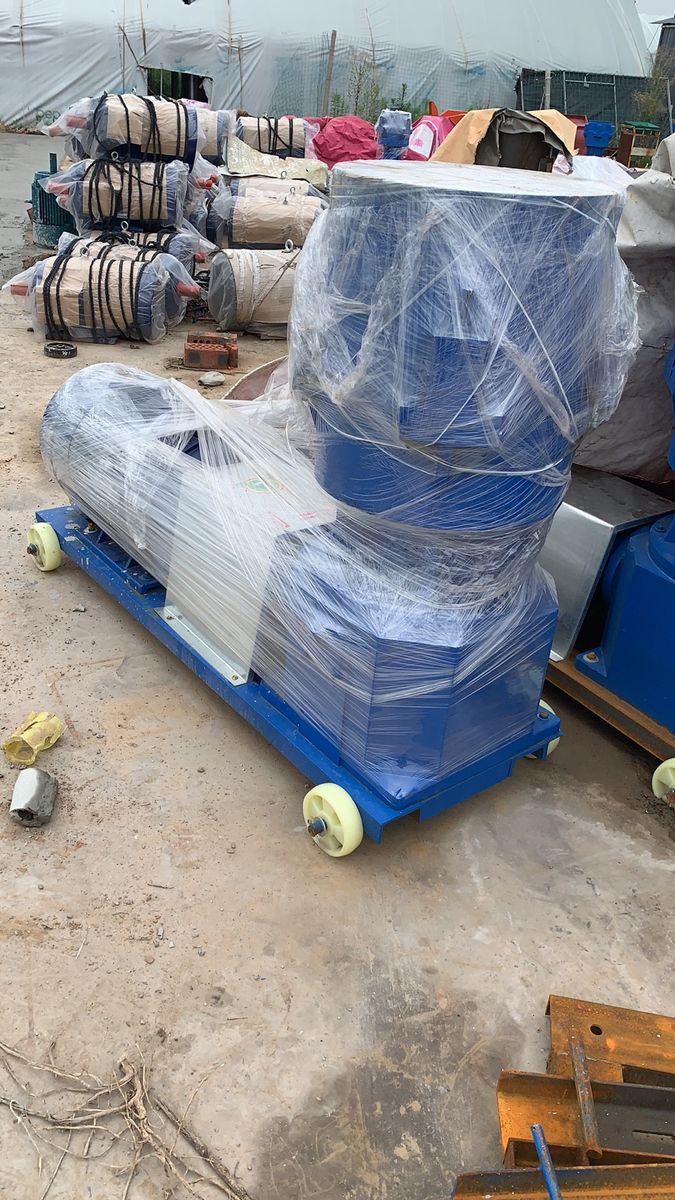
| Flat die granulator | Dry, fibrous material | Cylindrical, 4–10 mm | High | Manure, straw and litter pelletising where no water may be added |
Photographed in our Xingyang workshop and on customer sites. Watermark-free, no phone numbers.
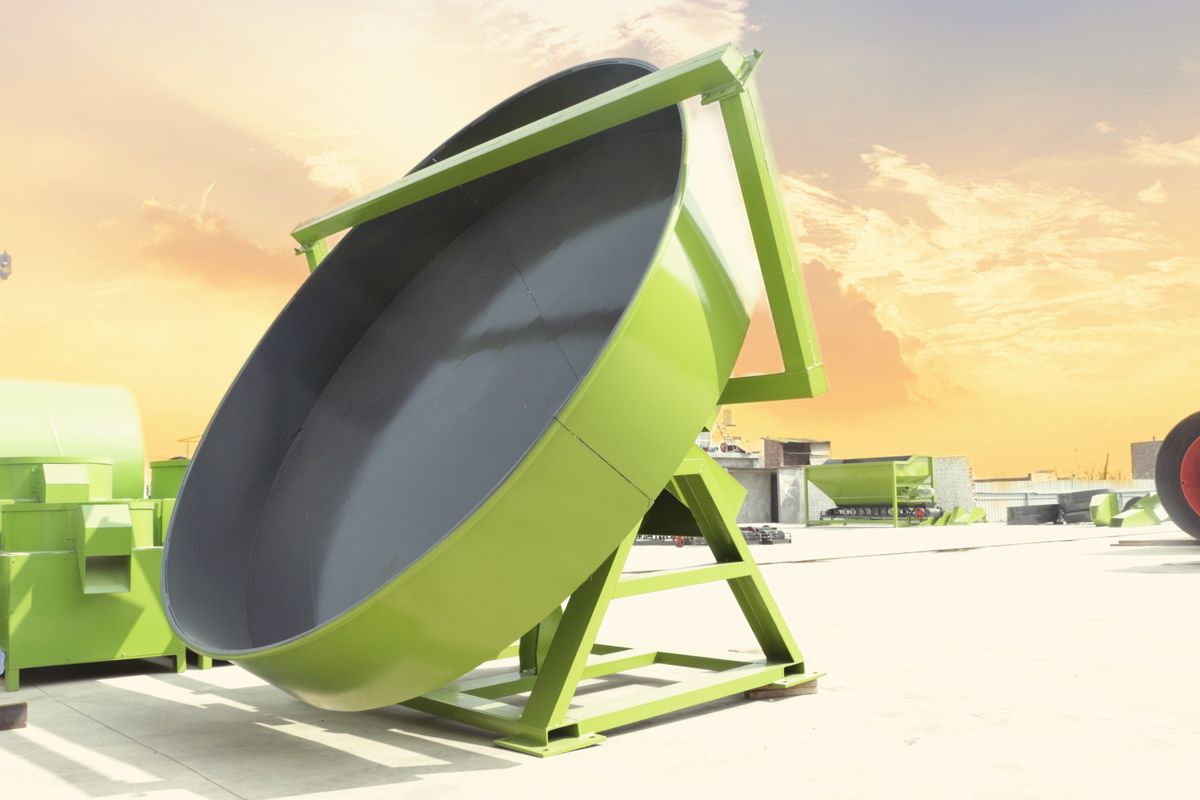
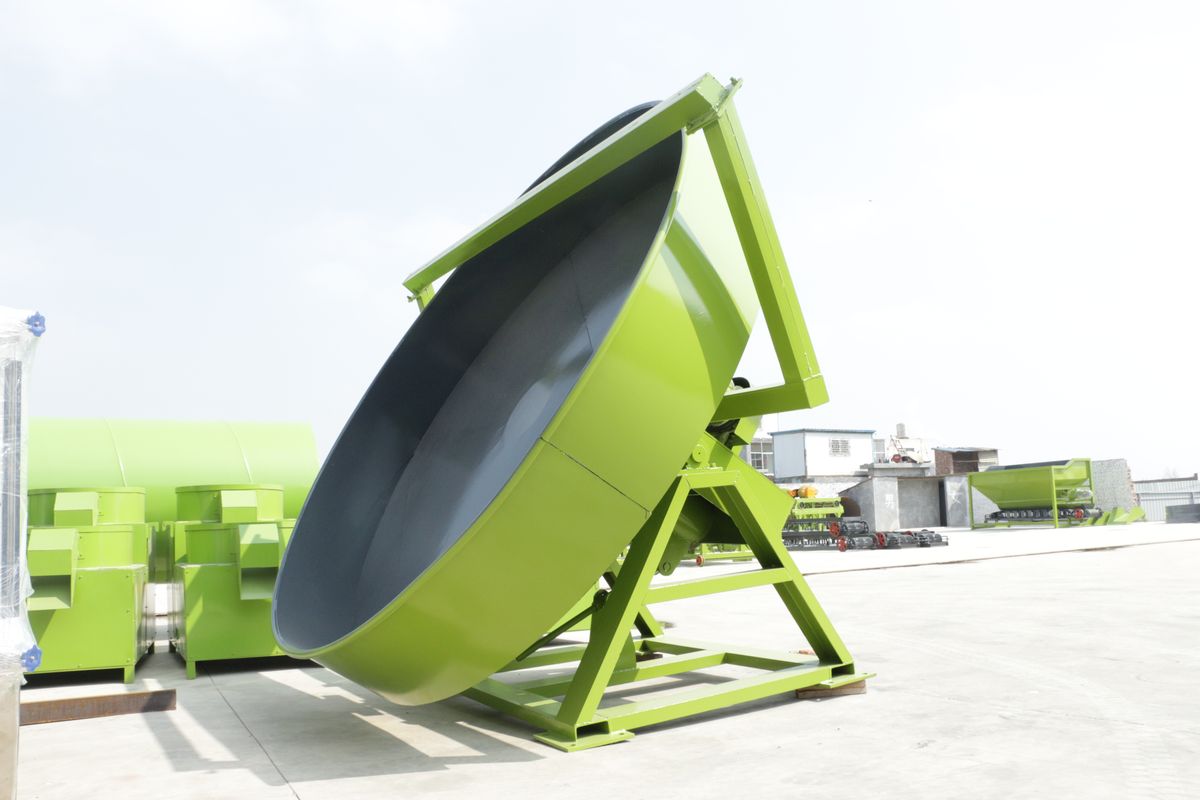
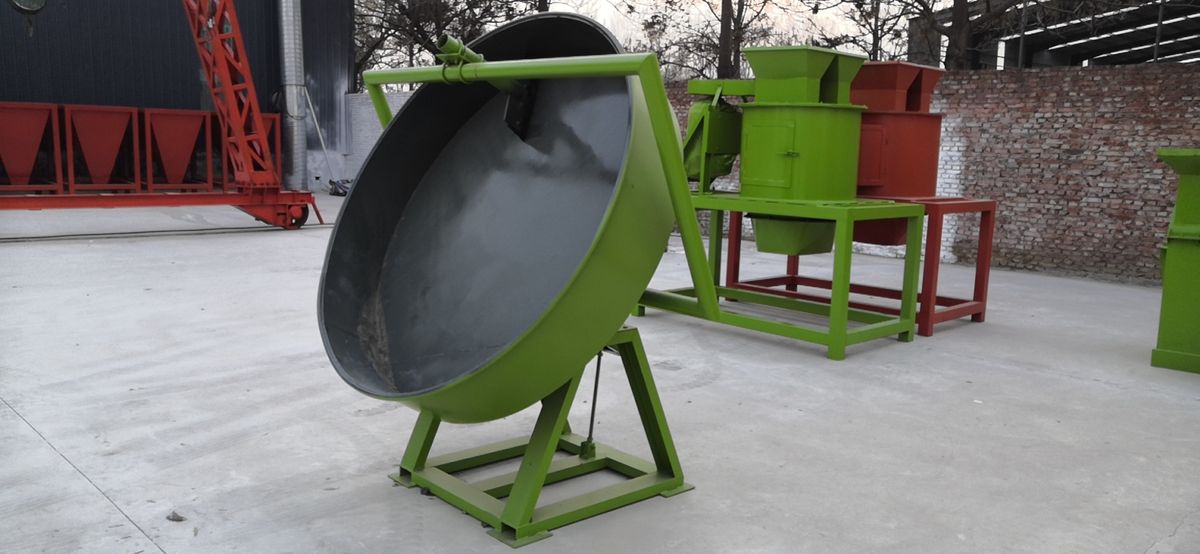
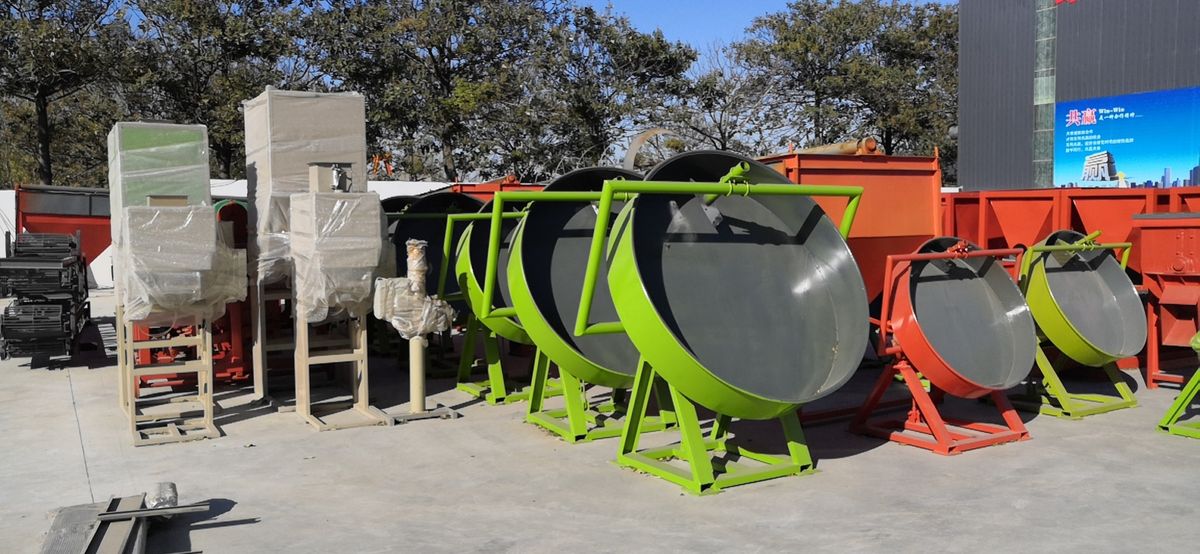
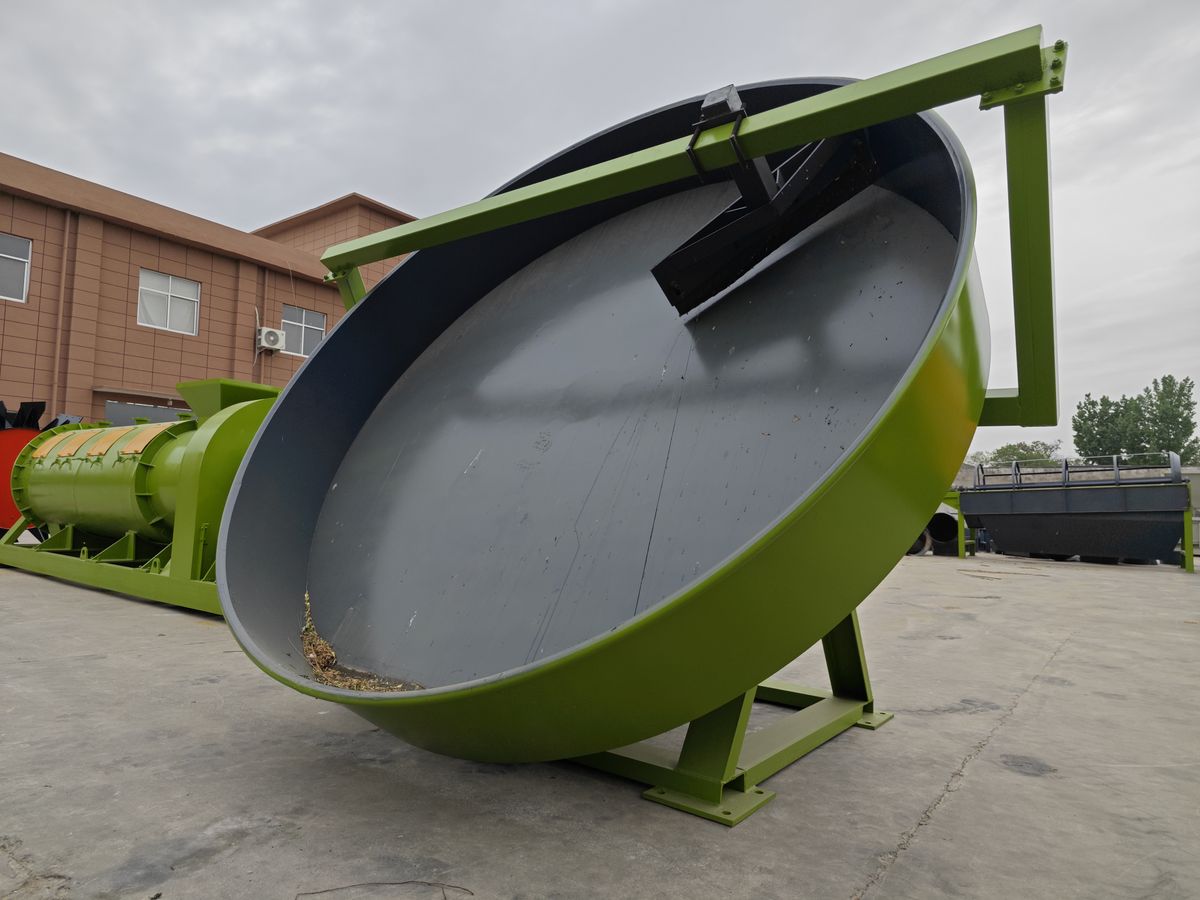
In organic fertilizer production the two terms overlap. A granulator forms granules by agglomeration — small particles are rolled or tumbled together with water and binder until they stick. A pellet mill presses material through a die, which is a densification process rather than an agglomeration one. Rotary drum, disc and stirring-tooth machines are granulators; flat die and ring die machines are pellet mills. Which one is right depends on the moisture and fibre content of your material.
Yes, and it is a common configuration. The fermentation, crushing, screening, mixing and bagging equipment is shared. The granulation section — granulator, dryer, cooler, coater and product screener — is what differs, so many producers install the granulation section on the bypass and switch between the two products according to what the market is paying for.
Typically 1–5% by weight, depending on the material and the binder. Highly fibrous compost needs less; fine, sandy compost needs more. We determine the dose during factory testing of your material sample, and we recommend testing before ordering because the binder is also a per-tonne consumable cost that affects your margin.
Almost always because of feed preparation rather than the granulator. The three most common causes are particles above 3 mm from an under-sized crusher, moisture outside the 25–35% band, and insufficient binder or mixing time. Check those three in that order before adjusting the machine.
Complete manure fertilizer production lines from 1 to 30 t/h: separation, fermentation, batching, granulation, drying,…
Read more →Manure to fertilizer granulators compared: disc, rotary drum, stirring-tooth, roller and flat die machines, with granu…
Read more →Manure pellet machines that turn fermented compost into uniform organic fertilizer pellets: disc, drum, stirring-tooth…
Read more →Cow dung fertilizer machines that turn cattle manure into powder or granule organic fertilizer: dewatering, composting…
Read more →Manure bagging machines from single-head packing scales to fully automatic bagging and palletising lines, filling 25 k…
Read more →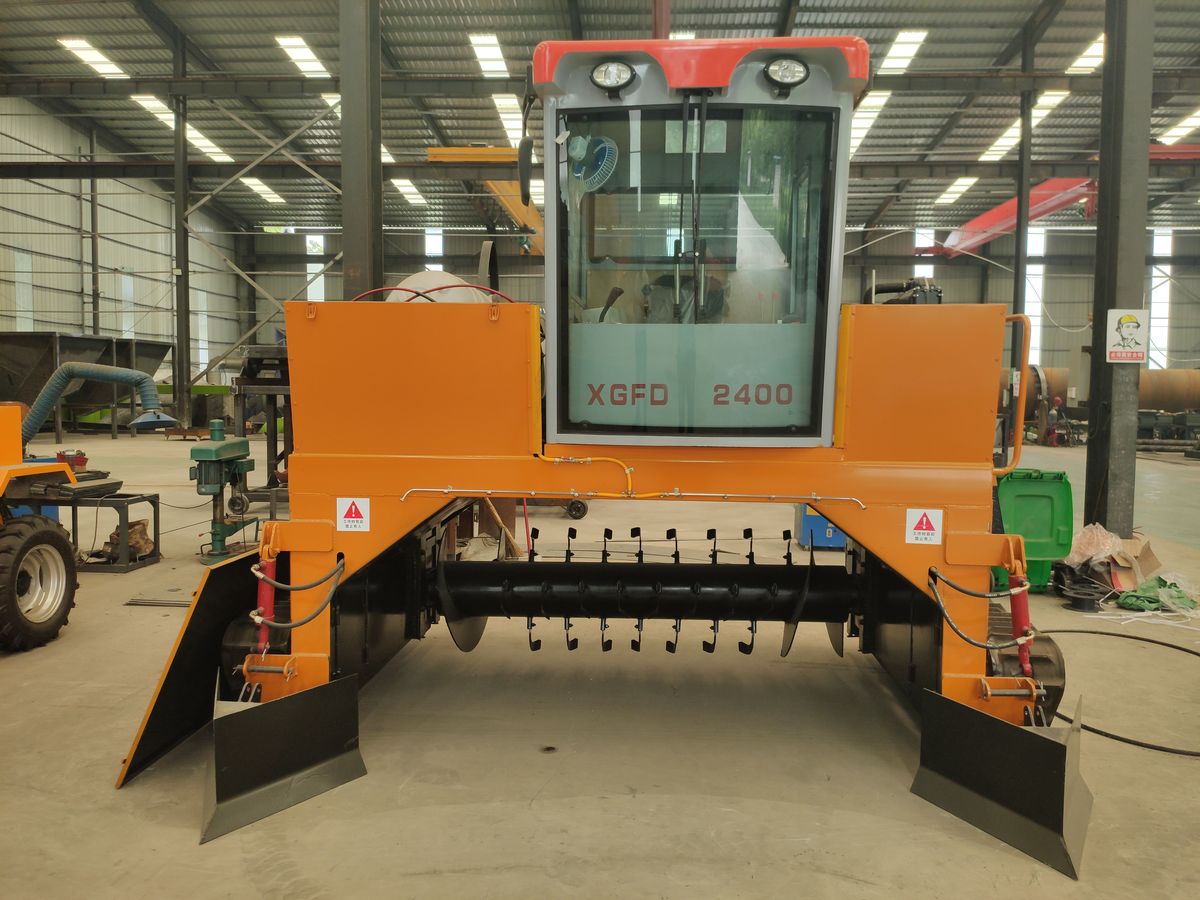
Manure composting systems: windrow, groove and in-vessel fermentation, how to design the pile, control temperature, ju…
Read more →Send your raw material, target capacity and country. Our engineers reply within one working day with a process route, equipment list and budget.
Send us your raw material and target capacity — we will propose the process, the machines and the budget.
Send your raw material and target capacity — our engineers reply within one working day with a process route, equipment list and budget.
Our engineering team will reply within one working day. For anything urgent, message us on WhatsApp.
Open WhatsApp