
How to Manage Poultry Waste
How to manage poultry waste: shed practice, drying, deodorising, composting, and converting poultry manure into a regi…
Read more →Chicken manure heats up faster than any other farm manure and can be composted in 7–12 days. The challenge is keeping the ammonia and flies away while it does.
Chicken manure composts the fastest of any common farm manure because of its high nitrogen content, and that high nitrogen is also its problem. When the carbon-to-nitrogen ratio falls below about 20:1, the microbial population cannot assimilate all the nitrogen and the surplus is released as ammonia gas. The result is a pile that heats vigorously, smells strongly and loses a large part of its fertilizer value into the air — a compound failure that is entirely preventable.
The second difference is moisture. Layer manure arrives at 60–75% moisture, which is too wet for a clean fermentation. Drying it to 30–40% before blending, or mixing it with a very large proportion of dry straw or rice hull, gives a pile with open pore space that will hold 55–65 °C without going anaerobic.
The third difference is the fly and odour risk. Fresh poultry manure on the surface of a pile attracts flies within hours, and a poultry composting site that is not covered will be a complaint source even when the composting itself is well managed. The practical answer is to bury fresh material in the core by turning, and to cover or enclose the fermentation where the site is near housing.
Reduce the manure from 60–75% moisture to 30–40% by air drying under cover or with a rotary dryer. This also drives off ammonia and kills fly larvae.
Mix in chopped straw, rice hull or sawdust at roughly 3:1 by volume to lift the carbon-to-nitrogen ratio above 25:1, and add a deodorising biological inoculant at 0.1–0.5%.
Bring the blended mix to 50–60% moisture. The squeeze test: a handful should feel like a wrung-out sponge, with a few drops visible and none running free.
Windrows 1.2–1.5 m high and 2–3 m wide on a drained concrete pad, or load into a fermentation channel or in-vessel tank. Never leave a pile of fresh chicken manure exposed.
Twice a day for the first three to four days, then every two days. Bury any fresh material in the core as you turn. Add water if the moisture falls below 45%.
The core should reach 55–65 °C within two days and hold for at least three consecutive days. Turn immediately if it exceeds 70 °C.
When the pile no longer re-heats, move it to a maturation bay for 10–15 days. Mature compost is dark, crumbly and smells earthy.
Crush below 3 mm, screen for impurities, then bag as powder fertilizer or granulate into 3–5 mm pellets.
Making compost is an efficient way to recycle chicken manure. In order to make quality compost, you need pay more attention to composting process. Temperature, C/N ratio, moisture and oxygen content are important factors, which may directly decide the success or failure of fermentation. In addition, regularly turning can improve fermentation conditions, so as to provide favorable environment for microorganism activities. In terms of how to make chicken manure compost and composting equipment selection, you can find detailed and professional information in the following parts.
During composting, oxygen-consuming bacteria and fungi turn organic matters in chicken manure into nutrients that can be directly absorbed by plants. Therefore, these microorganism activities are the core of chicken manure composting. You should provide favorable conditions for microorganisms, so as to make compost efficiently.
Firstly, collect chicken manure and adjust moisture to suitable level (50% to 60%). Secondly, collect C-rich organic waste (such as sawdust, wood shavings, straw powder and so on), and mix it with chicken manure evenly. Because chicken manure is N-rich materials, the addition of straw power can adjust C/N ratio (25:1). Besides raw materials for composting, you also need to prepare space with suitable size. And a shelter is also necessary, which can prevent compost pile from bad weather.
You can stack collected chicken manure in long rows or in fermentation grooves. By contrast, piling up chicken manure in long rows is much easier. You just need to prepare enough space and pay attention to the size of compost pile. Generally speaking, the height of windrows is 0.6m to 1.8m and the width is 2m to 3m. For length of compost pile, it depends on the lengthen of your space for composting. On the other hand, you can build grooves to place chicken manure, which need less space. The fermentation groove is made up of three walls, you can decide the volume of each groove according to that of raw materials. Fermentation groove has good heat preservation, but you may need to adopt compost turner to stir the compost pile regularly. It is not suitable for manual work.
After making compost pile, the fermentation process starts. In the earlier stage, the temperature in the compost pile rise quickly. Because there are enough organic materials for microorganism to utilize. When the temperature of compost pile reaches 60 to 70 degree centigrade, turning will be necessary. Generally speaking, the turning frequency in earlier stage is 2 to 3 times a day. In the course of time, organic matters gradually become fewer and fewer, and the microorganism activities become weaker. At this time, you can reduce turning frequency to 1 time for each two days. When the temperature never changes and raw materials become black and loose, it means you complete the fermentation. Before use, you can stack it for several days for stabilization.
For small scale- or large-scale chicken manure management, there are two methods to make chicken manure compost. One is to make compost pile and the other is to compost chicken manure with earth worms.
Firstly, you should prepare enough space for placing chicken manure. You can place them in long windrows directly (as shown in the picture). This method is very easy to handle. Meanwhile, it is convenient for you to regularly turn the compost pile. Or you can build some fermentation grooves to place chicken poop. The fermentation groove usually consists of three walls. Because these grooves usually are deep and long, one groove type compost turner is necessary. Under this circumstance, rails will be laid on paralleled walls, so as to make compost turner move on. Cement ground is better for both windrow composting and fermentation grooves. You can choose on according to your actual requirements.
Vermiscomposting is a special way to compost manure. It utilizes the digestive system of earth worms to convert organic matters into nutrient-rich vermicompost. According to a case from our customer in India, you can stack chicken poop and auxiliary materials (C-rich materials) in small windrows. And then put earthworms in it. You can cover windrows with straw, so as to create dark and moisture environment for earth worms. When the composting finishes, you can get valuable vermicompost. You can add it to common fertilizer to improve fertilizer effect, or use it separately.
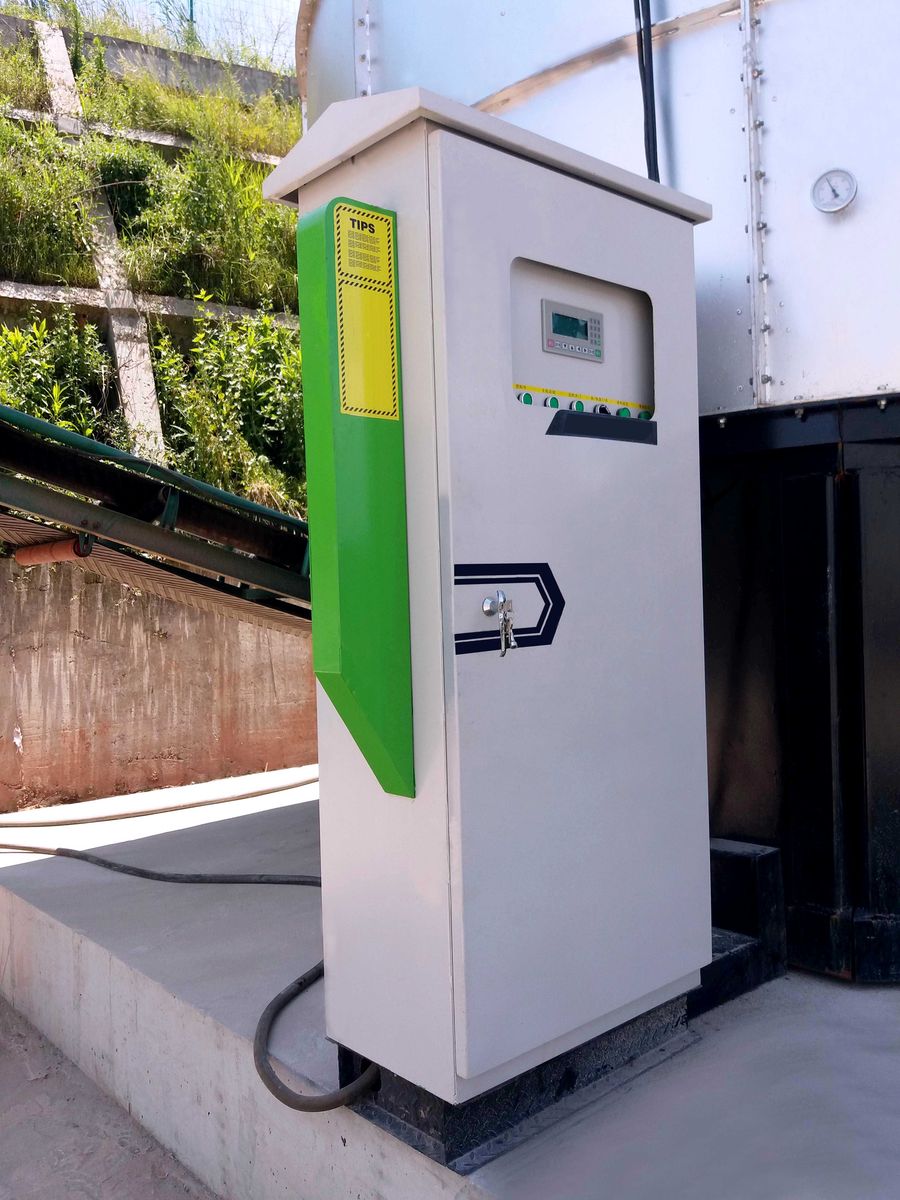
The strict control on fermentation conditions decides the success of composting. In order to make chicken manure compost efficiently, chicken waste composting machine is needed. On the one hand, composting equipment has higher working efficiency, which can save time and workforce. It can deal with large amount of organic waste in a short time. On the other hand, composting equipment can turn the compost pile evenly, so as to guarantee thorough fermentation of raw materials both inside and outside of the compost pile. Here, we recommend three types composting machines.
The main parts of groove type compost turner are turning teeth, control cabinet and transfer device. The turning teeth of Shunxin compost adopts 16Mn, which is sturdy enough to evenly stir and crush chicken poop. In addition, the rotary shaft can be designed as hydraulic control, which is convenient for adjustment during working. The control cabinet can control the working status of compost turner, you just need one person to monitor it. As for transfer device, it can remove compost turner from one groove to others, so as to save time and improve working efficiency.
If you are interested in Shunxin composting equipment, please contact us!
Windrow compost turner is available for windrow composting. During working, it spans over the compost pile and uses the blades on the rotary shaft to evenly stir compost pile. Shunxin hot-sale windrow compost turner includes crawler type compost turner and self-propelled compost turner.The former adopts rubber track chassis, which is steadier during working. Its turning device that adopts hydraulic control, is easy to operate. The latter adopts four-wheel design. It can stir raw materials to make them mixed evenly and become loose. It is noteworthy that both of them can be equipped with spray device, which can adjust moisture of compost pile by adding water during working.
Chicken waste will become soil-like materials after composting. Besides personal use, making commercial compost fertilizer is also a good choice. You can make marketable bagged fertilizer from composted chicken manure. The works needed include: composting process (with compost turner) —crushing process (with vertical crusher to make uniform and fine compost powder) —screening process (with rotary screen machine to select out impurities and potential small caking) —packing process (with powdery fertilizer packing machine to make bagged fertilizer). We Shunxin can provide you all relative manure to fertilizer machines with high working efficiency. Chicken manure compost production is featured with low investment and easy operation. If you want to make commercial fertilizer from chicken manure, it will be your prior choice.
As mentioned above, Shunxin chicken manure composting equipment can accelerate composting period by adjusting fermentation conditions. According to our test and feedback from our customers, you can finish chicken manure composting with compost turner in 20 to 30 days. In winter, the ambient temperature usually is lower, so fermentation period will be slightly longer. Therefore, composting equipment is necessary for you to make quality compost from chicken manure in a short time.
Do you want to know more details? Please send your requirements to us!
The cost calculation of composting chicken manure should include fees for raw materials, space, purchase of equipment. If you want to make commercial chicken manure compost, you may need to invest more money.
If you have a chicken farm where you can get chicken manure directly, you can save the cost on raw materials. If you need to collect and purchase chicken manure from others, we advise you to build your chicken manure fertilizer plant near the raw material origin, so as to save transportation cost.
The space needed depends on the volume of chicken manure you have. In addition, different equipment used in composting needs different investment. But compared with manually composting, chicken manure composting equipment can save more time and highly improve compost quality. If you want to produce marketable chicken manure fertilizer, you need to prepare more space and consider purchasing more equipment. If you have no idea, our engineer can provide your detailed chicken manure compost production plan. What needs you to do is provide us your requirements and budget.
Photographed in our Xingyang workshop and on customer sites. Watermark-free, no phone numbers.
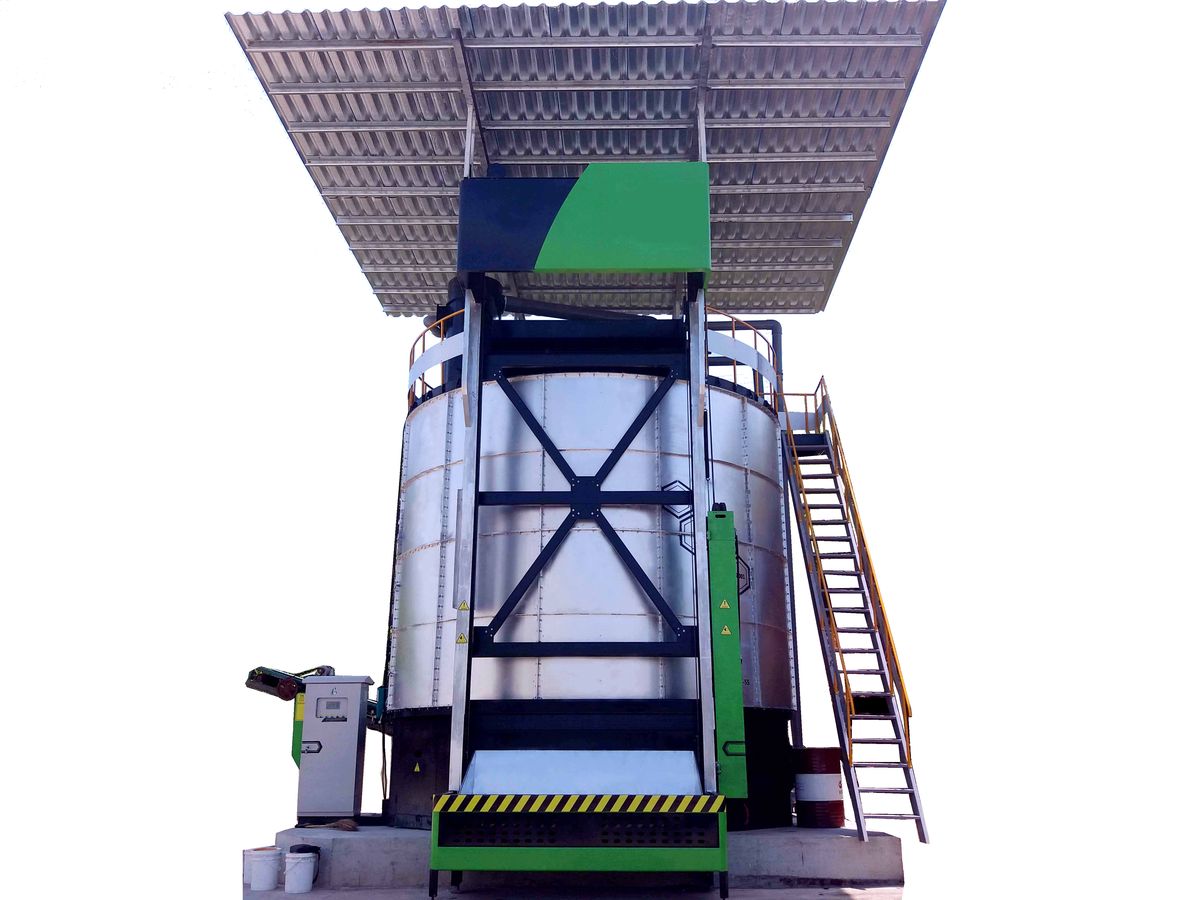
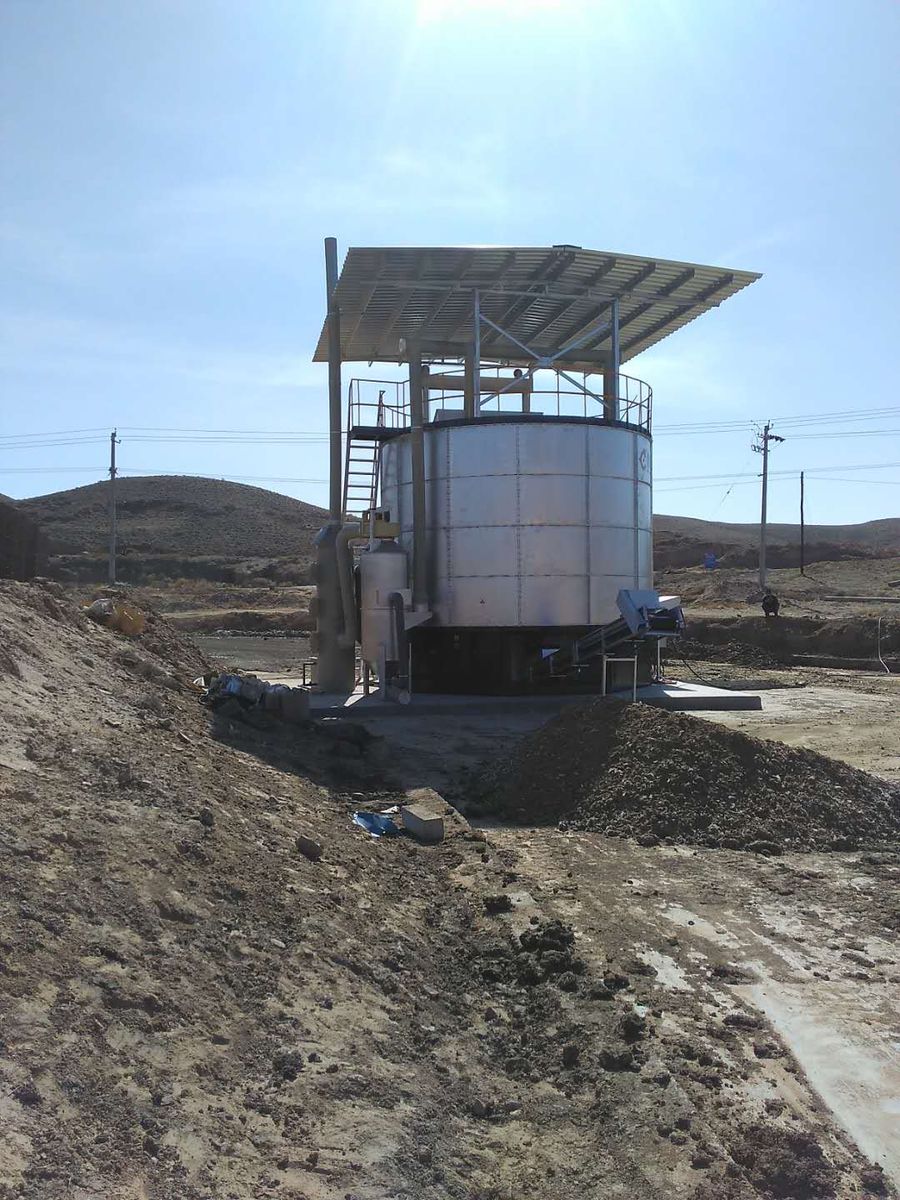
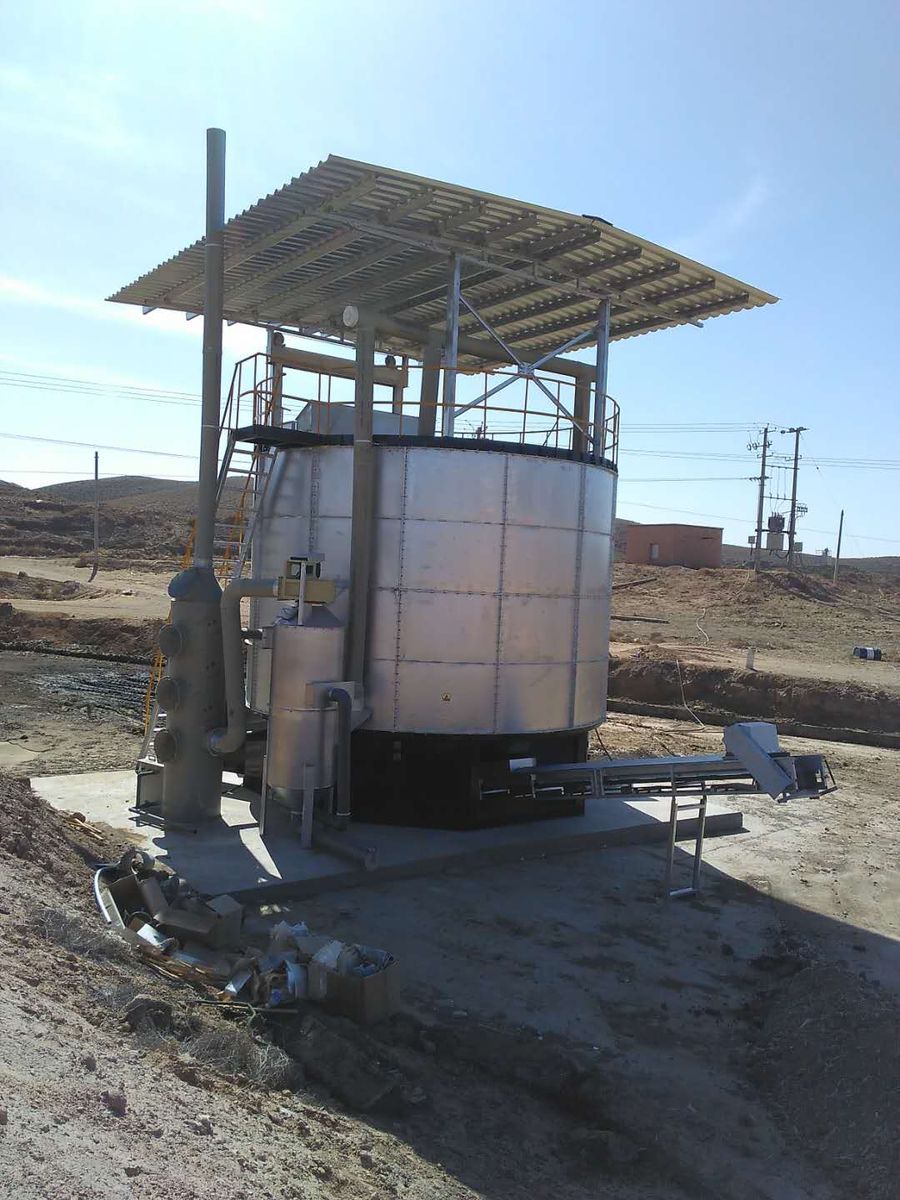
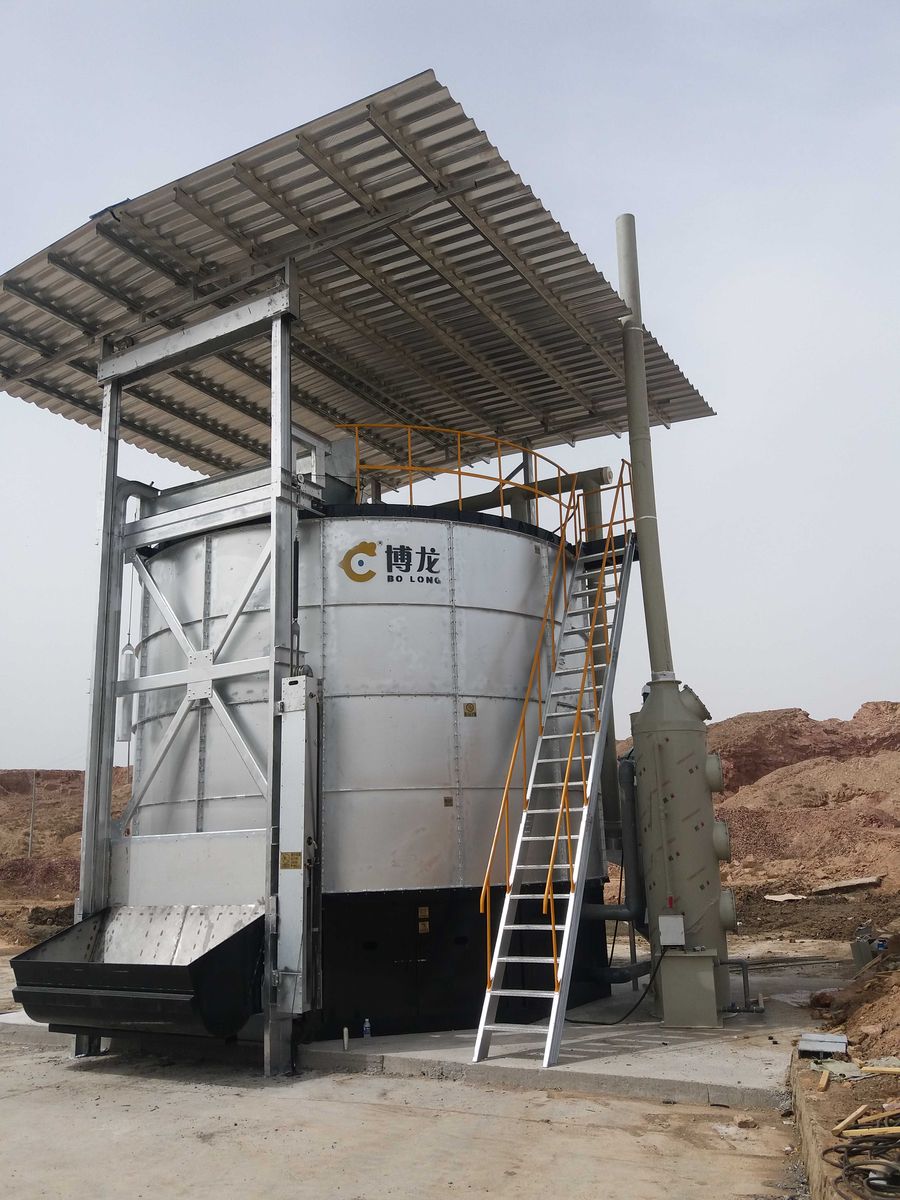
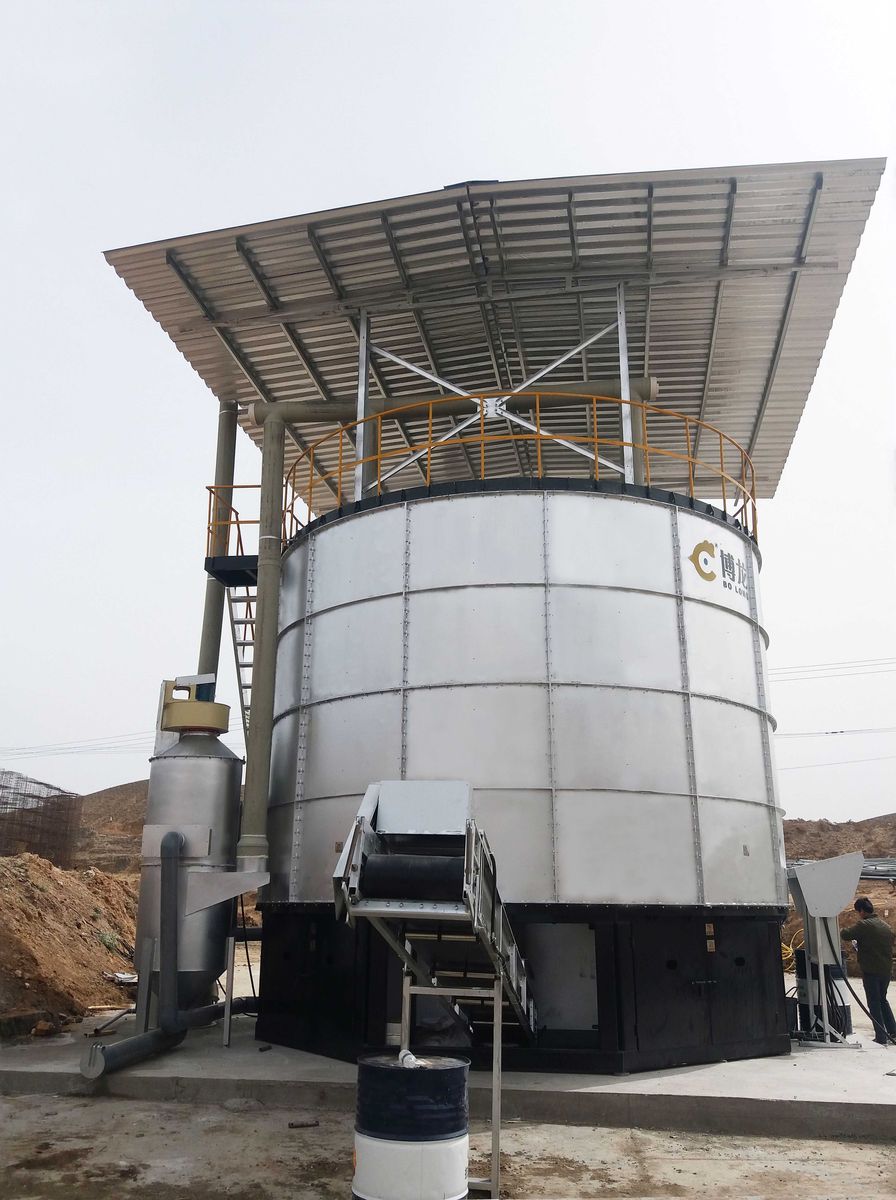
Seven to twelve days of thermophilic fermentation in a well-managed pile, faster than any other farm manure because of its high nitrogen content, followed by ten to fifteen days of maturation. In an in-vessel fermentation tank the primary phase can be as short as seven days with forced aeration and temperature control.
You can, but you will lose a large proportion of the nitrogen as ammonia and the process will be difficult to control. Adding a carbon source — straw, rice hull or sawdust at about 3:1 by volume — raises the carbon-to-nitrogen ratio above 25:1, which captures the nitrogen in the biomass instead of releasing it. That carbon is not a filler; it is what makes the compost valuable.
Two causes, usually together: a carbon-to-nitrogen ratio that is too low, which releases surplus nitrogen as ammonia, and moisture that is too high, which creates the anaerobic pockets that produce hydrogen sulphide and other volatile compounds. Correcting the blend so that the ratio is above 25:1 and the moisture is 50–60% removes both causes. Covering or enclosing the fermentation prevents the remaining odour from reaching neighbours.
Unquestionably. Fresh chicken manure is high in soluble ammonia and salt, carries pathogens and weed seeds, and can burn crops. Composting above 55 °C destroys the pathogens and weed seeds, stabilises the nitrogen into slower-release forms, reduces the salt concentration and removes the odour. It is also the only form in which poultry manure can be sold as a registered commercial fertilizer.
Expect roughly 0.6–0.7 tonnes of mature compost from one tonne of fresh layer manure once the carbon material, the water lost to evaporation and the decomposition losses are accounted for. The reduction is larger if the manure arrives very wet, because drying removes far more water; it is smaller if the manure is already dry or mixed with litter.
How to manage poultry waste: shed practice, drying, deodorising, composting, and converting poultry manure into a regi…
Read more →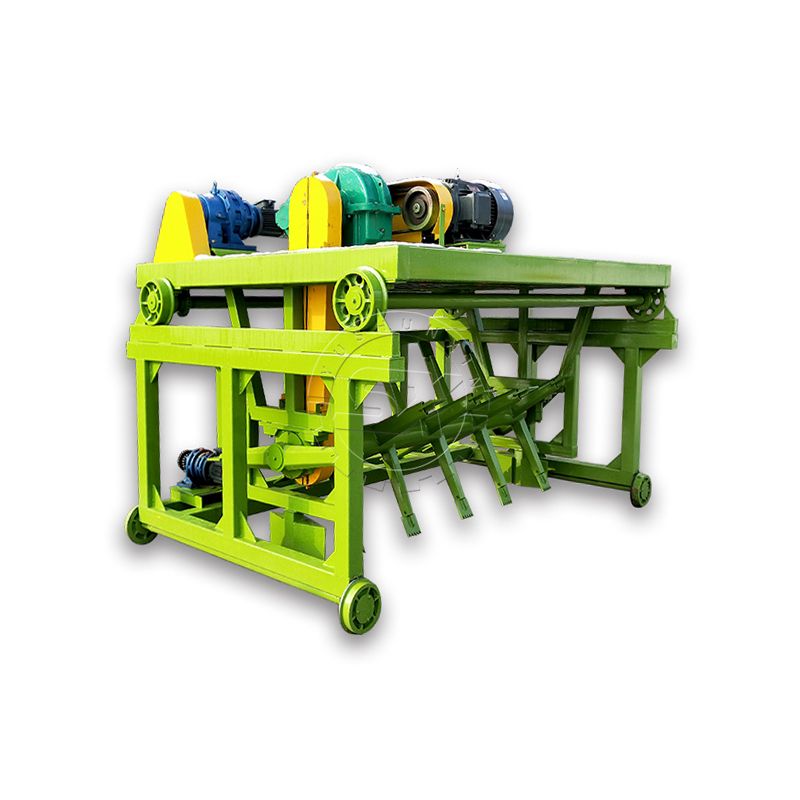
Chicken manure composting systems with forced aeration and enclosed fermentation, cutting the cycle to 7–10 days while…
Read more →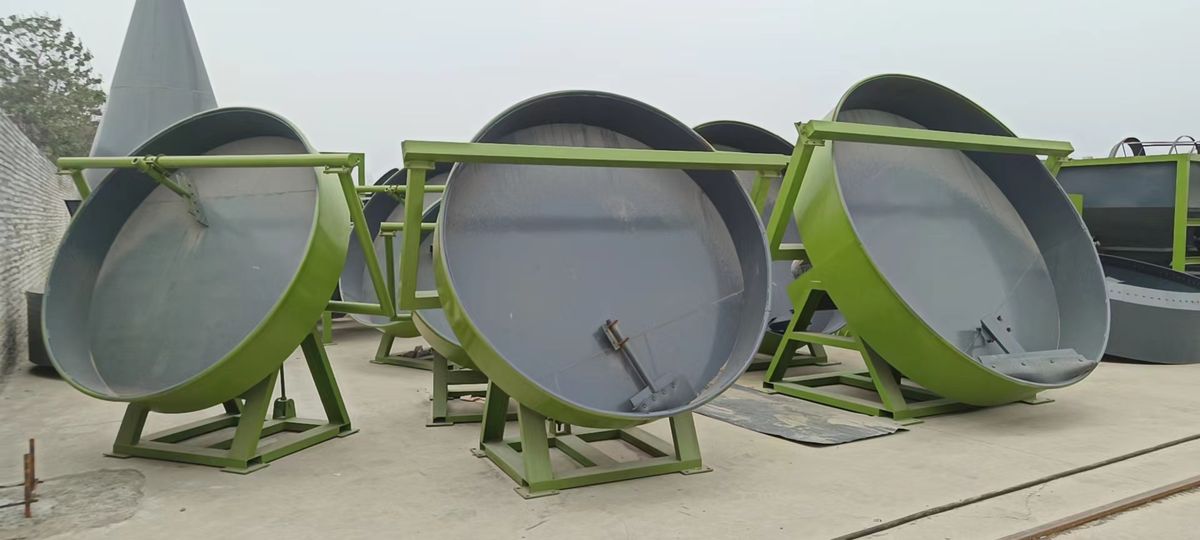
Chicken manure pellet machines that turn fermented poultry manure into 3–5 mm organic fertilizer pellets, with the dry…
Read more →Chicken waste disposal equipment that dries, deodorises and ferments poultry manure, then converts it into bagged orga…
Read more →Send your raw material, target capacity and country. Our engineers reply within one working day with a process route, equipment list and budget.
Send us your raw material and target capacity — we will propose the process, the machines and the budget.
Send your raw material and target capacity — our engineers reply within one working day with a process route, equipment list and budget.
Our engineering team will reply within one working day. For anything urgent, message us on WhatsApp.
Open WhatsApp