Manure to fertilizer machine manufacturer since 2005 info@manuretofertilizer.com | +86 182 0399 3035 | WhatsApp
HomeFertilizer MachinesManure to Fertilizer Granulator
Manure to Fertilizer Granulator
Five granulation methods, one correct answer for your material

Manure to Fertilizer Granulator

Granulators are not interchangeable. The right machine is decided by the moisture and fibre content of your compost and the shape and hardness of pellet your market wants.

  • Wet granulation for organic compost at 25–35% moisture
  • Dry granulation for compound and NPK formulas below 5% moisture
  • Granulation rates from 70% to 97% depending on method and feed preparation

At a glance

Wet granulation moisture
25–35%
Dry granulation moisture
Below 5%
Pellet size
1–5 mm for organic, 2–6 mm for compound
Granulation rate
Disc about 93%, stirring tooth up to 97%, drum about 70%

How granulation actually works

Wet granulation is agglomeration. Fine, slightly moist particles are tumbled together so that surface tension and capillary forces pull them into small balls; as the balls roll they compact, and a binder in the mixture holds them together once they dry. The three variables under the operator's control are the moisture of the feed, the particle size distribution, and the residence time in the granulating zone — and of those, particle size is the one that matters most and the one most often neglected.

Dry granulation is densification. Dry powder is forced between two counter-rotating rollers or through a die under high pressure, and the particles bond mechanically. There is no water involved and therefore no drying stage afterwards, which makes it the preferred route for compound and NPK formulas where soluble salts would be damaged or where the energy cost of drying is unacceptable.

The practical distinction for a manure plant is simple. If your compost leaves fermentation at 25–35% moisture, you are in the wet granulation family — disc, rotary drum, stirring tooth or rotary drum churning. If your material is already dry or you are blending dry mineral nutrients, you are in the dry granulation family — double roller or flat die. Choosing across that line is the most common and most expensive granulator mistake we are asked to correct.

The five granulators, in detail

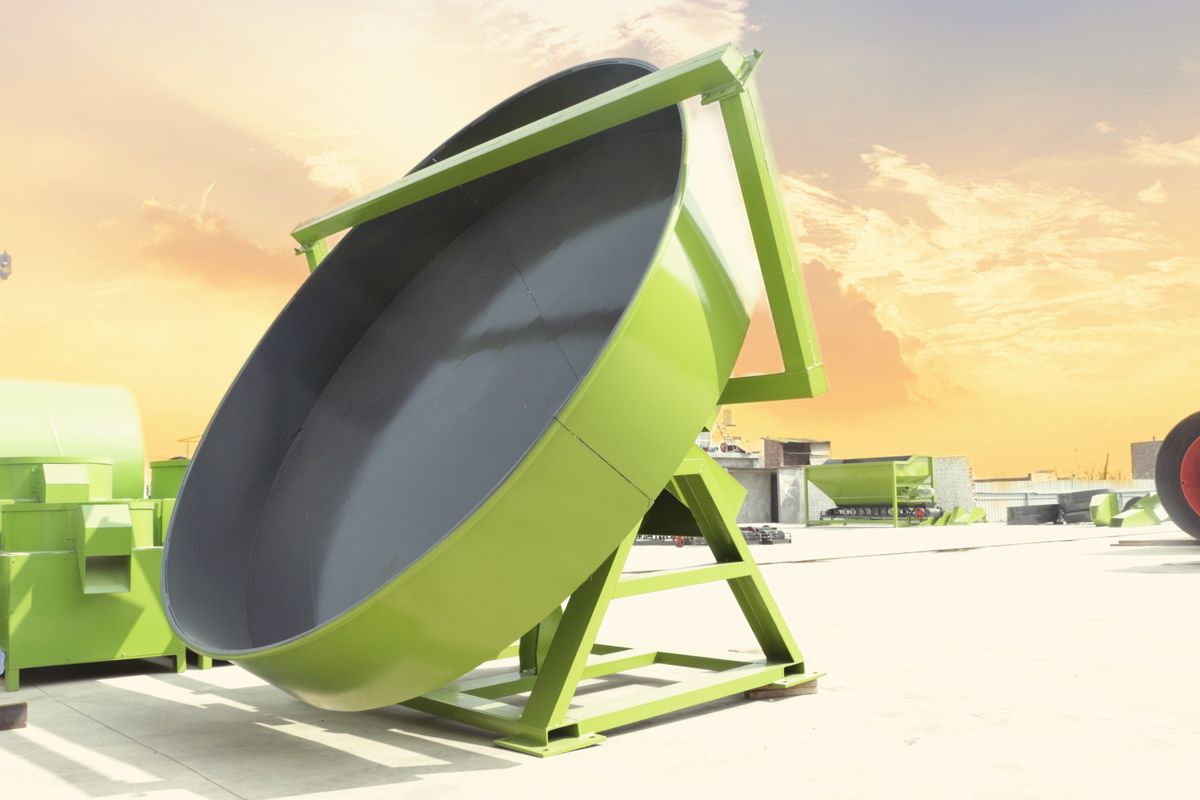
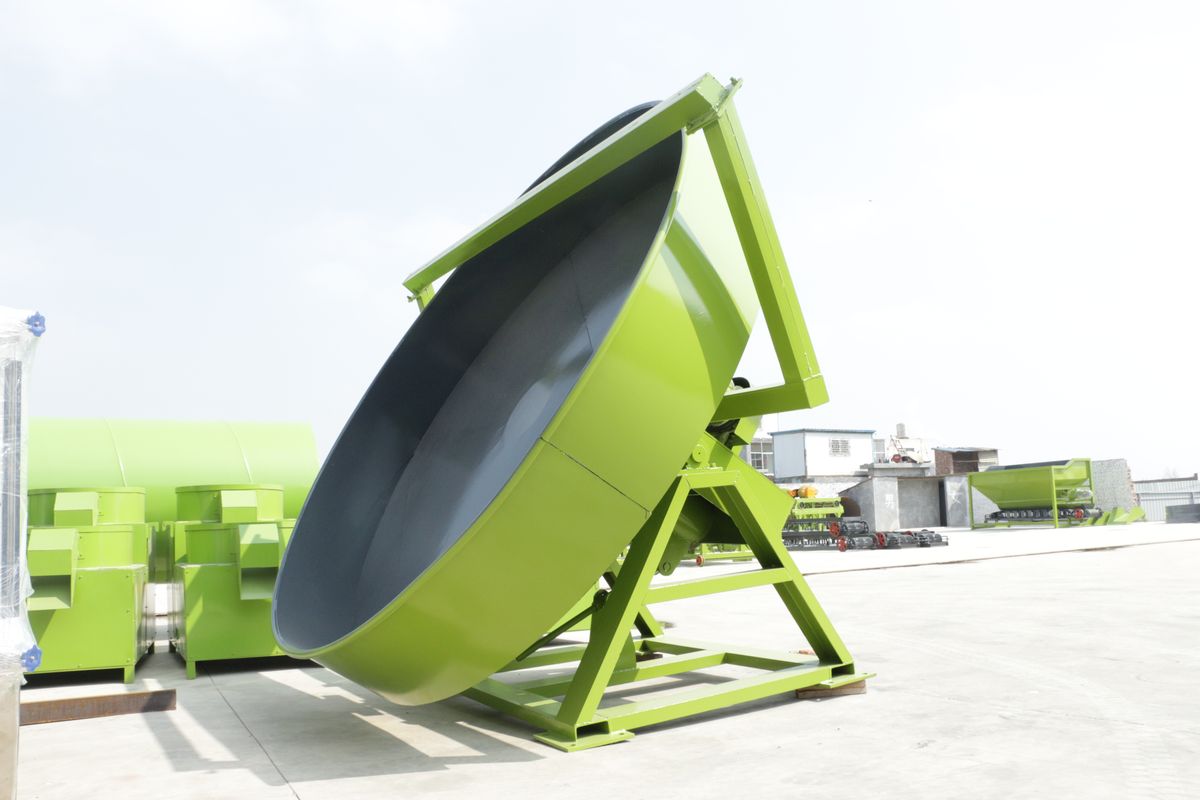
Disc (pan) granulator

Disc (pan) granulator

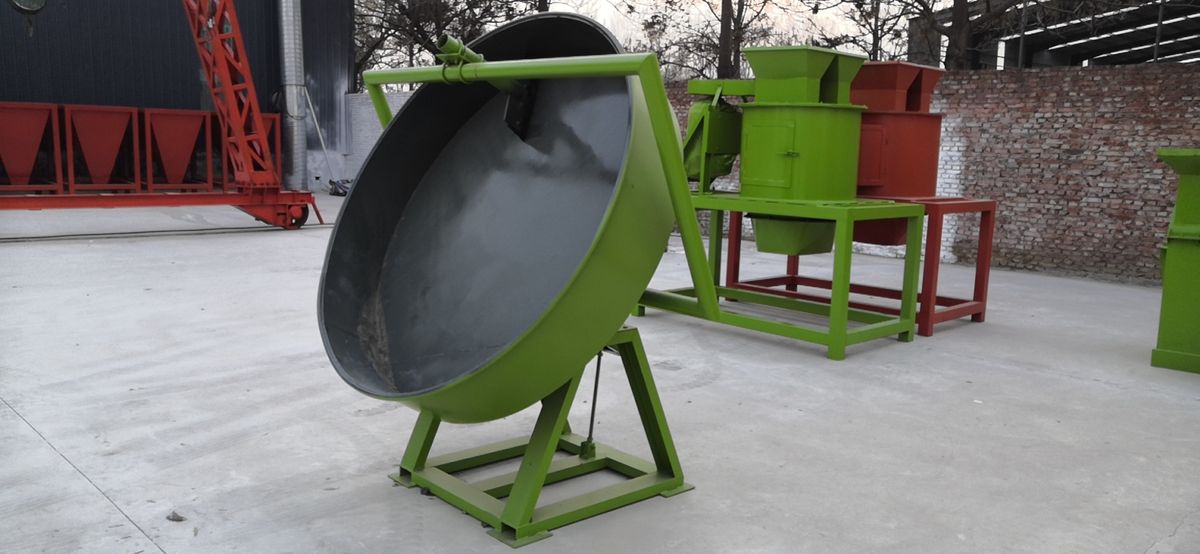
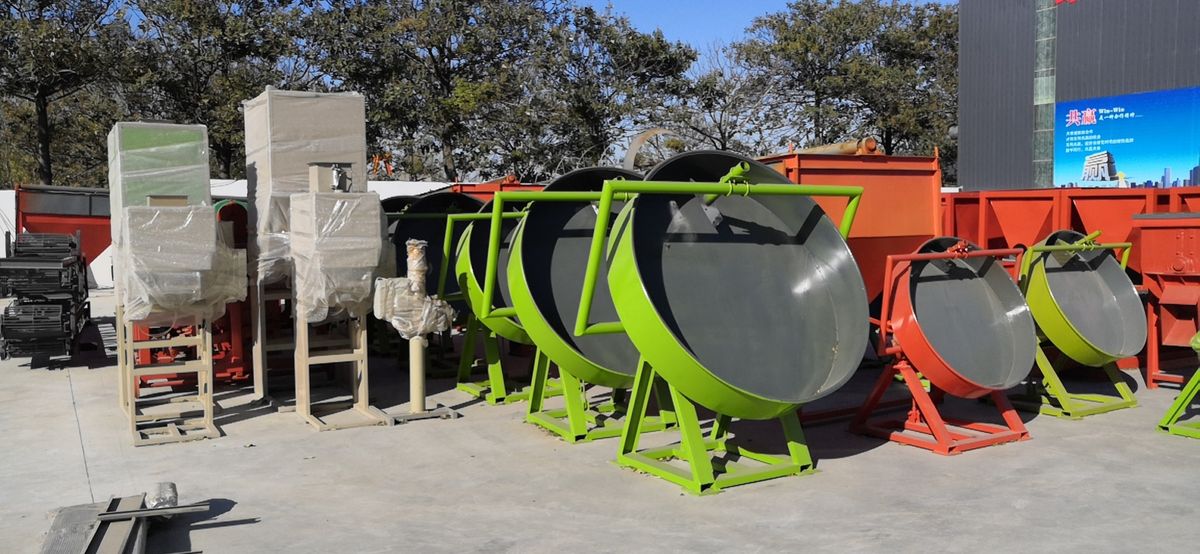
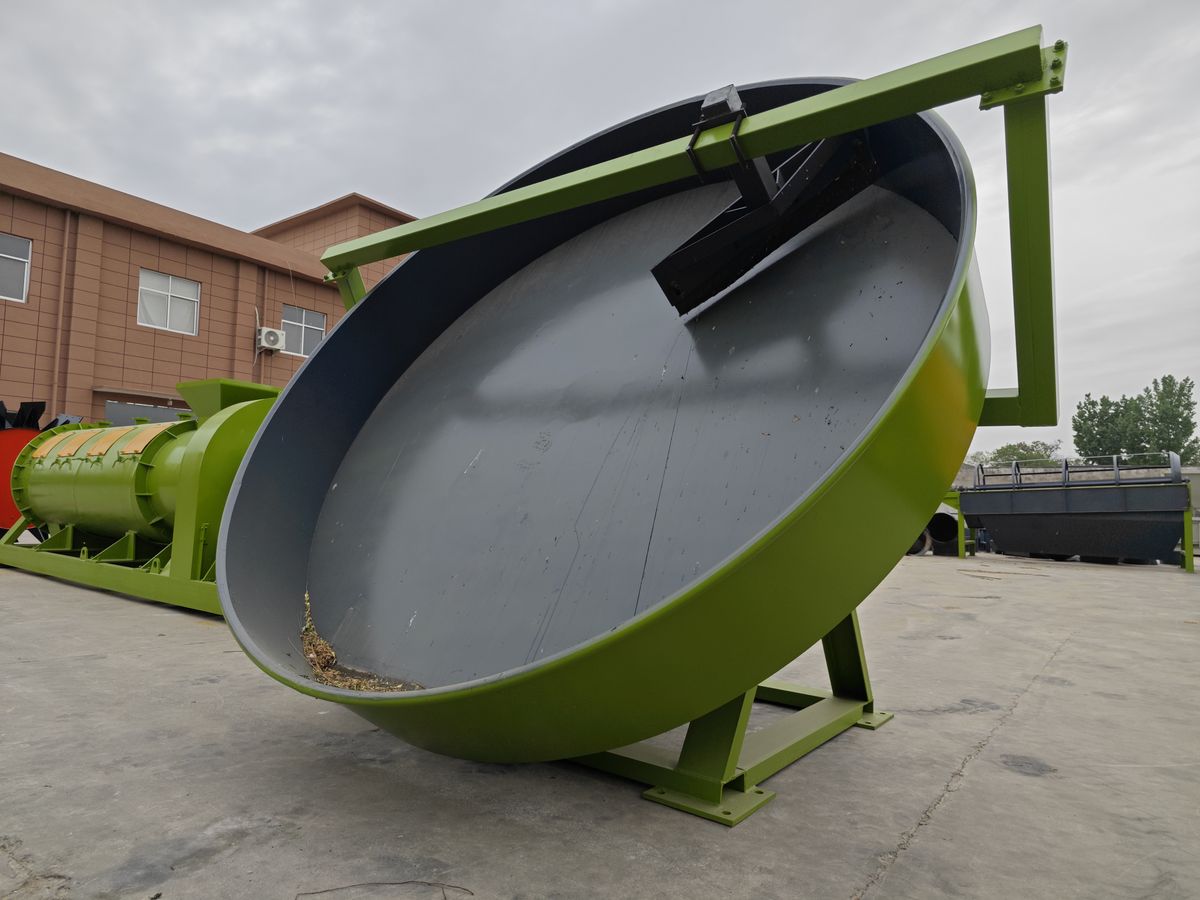
An inclined rotating disc with a scraper arm and a water spray. Powder is fed to the centre and rolls outward into pellets, with size controlled by disc inclination, rotation speed and water rate. About 93% granulation rate, simple to operate, low capital cost, and the most common choice for small and medium organic lines.

View details →
Rotary drum granulator

Rotary drum granulator

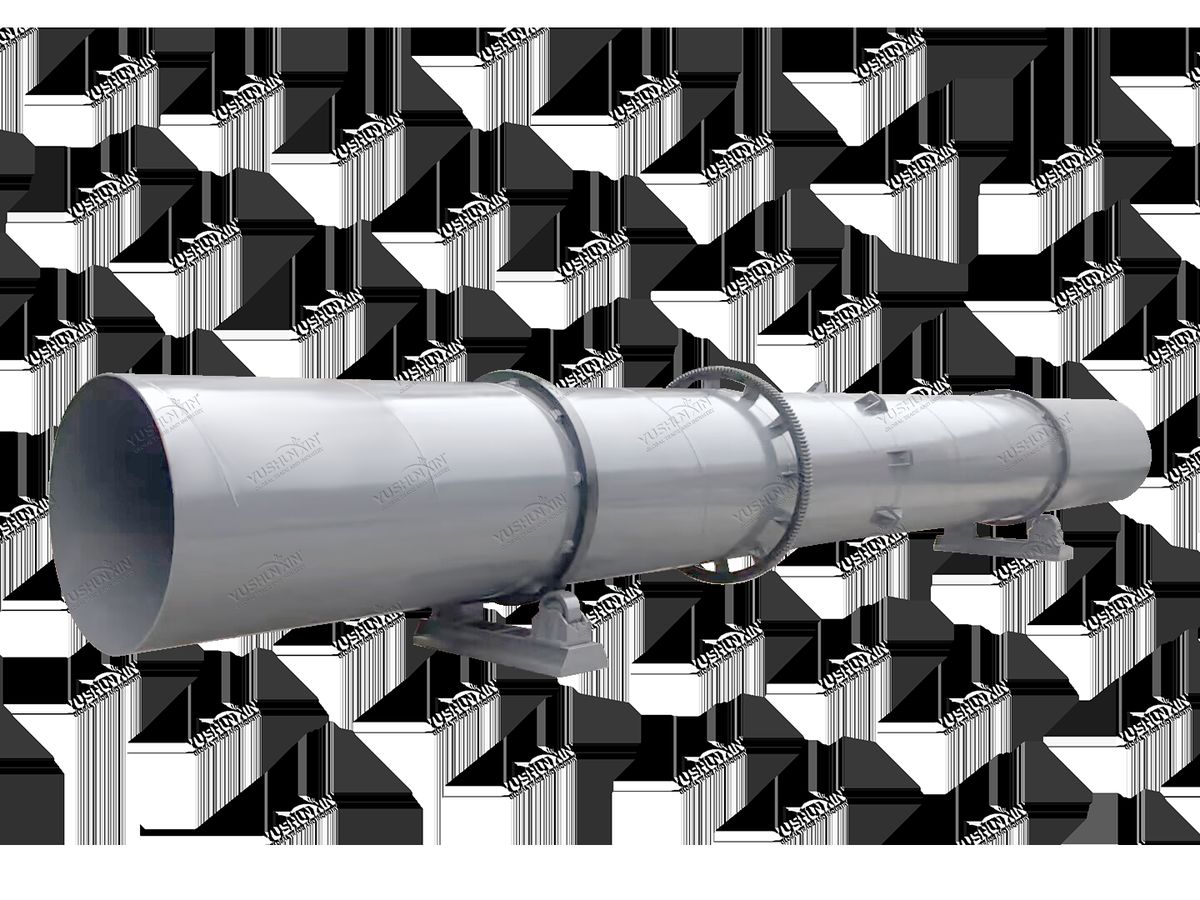
A long inclined rotating drum lined with PVC or stainless steel to prevent sticking, with an internal spray. Material tumbles and builds up into round pellets as it travels. About 70% granulation rate, which is why a return circuit is essential, but it scales well to 10–30 t/h and can handle both organic and compound formulas.

View details →
Stirring-tooth (new type) granulator

Stirring-tooth (new type) granulator

A horizontal cylinder with a high-speed shaft carrying angled teeth, which generates aerodynamic force plus mechanical stirring. Granulation rate up to 97%, uniform round pellets, and it handles fibrous organic material better than any other wet method. The granulator of choice for high-fibre manure compost.

View details →
Rotary drum churning granulator

Rotary drum churning granulator

A rotary drum with an internal rotating shaft, so both the shell and the shaft turn. It combines the throughput of a drum with the pellet quality of a stirring-tooth machine, producing hard, well-rounded pellets on large organic lines.

View details →
Double roller granulator

Double roller granulator

Two counter-rotating rollers press dry powder into pillow-shaped sheets which a breaker then splits into granules. No water and no dryer, low wear, and the standard method for NPK and compound fertilizer where soluble salts must not be dissolved.

View details →
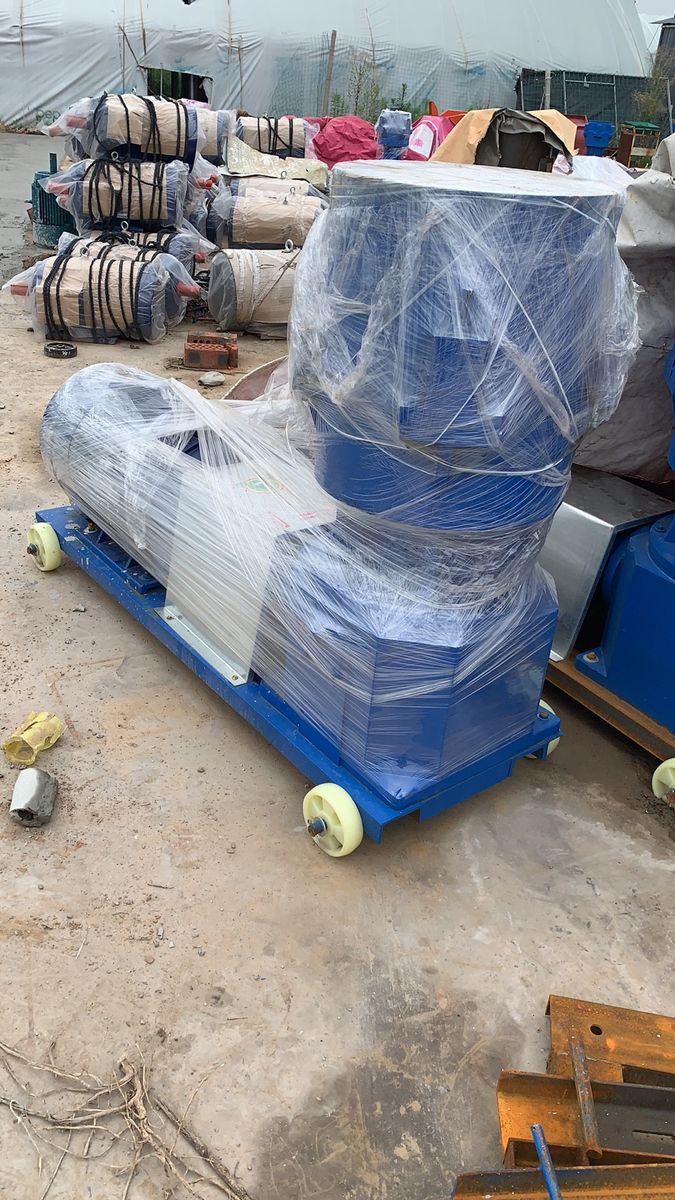
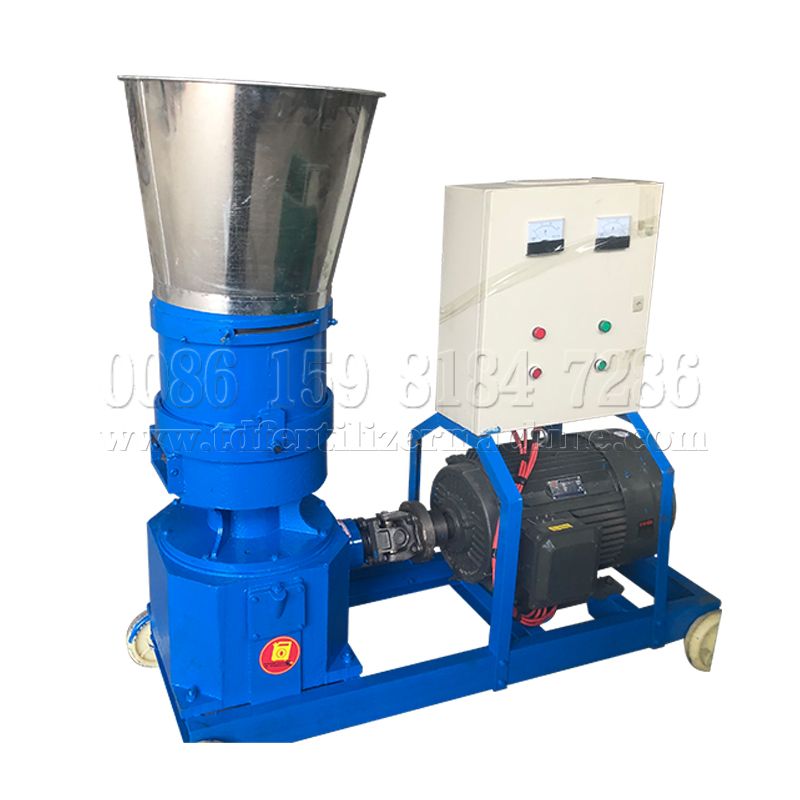
Flat die granulator

Flat die granulator

A vertical die with pressure rollers that extrudes dry, fibrous material into cylindrical pellets of 4–10 mm. Used where the material must stay dry — dried poultry litter, straw blends and litter-based fuel pellets.

View details →

What determines granulation rate

  • Feed particle size — every particle below 3 mm, ideally below 1 mm. This is the largest single factor and it is decided by the crusher, not the granulator.
  • Moisture in the 25–35% band for wet granulation. Too dry and the particles will not stick; too wet and the pellets deform, stick together and blind the screen.
  • Binder type and dose, typically 1–5%. Starch gives the strongest pellets, bentonite is the cheapest, humic acid and molasses add nutrient value and improve the soil effect.
  • Residence time in the granulating zone, controlled by disc inclination or drum inclination and rotation speed. Higher inclination means a shorter path and smaller pellets.
  • Recycling of undersize and crushed oversize back into the granulator. Returning fines gives the pellet a nucleus to build on and raises the effective granulation rate considerably.
  • Consistent feed rate. A granulator fed in surges produces a mixture of oversize lumps and dust, which is why a buffer bin and a variable-speed screw feeder upstream of it are worth more than a bigger granulator.

Selection guide

Your situationRecommended granulatorWhy
Organic compost at 30% moisture, 1–5 t/hDisc granulatorLowest capital cost, simple operation, about 93% granulation rate
High-fibre manure compost, any capacityStirring-tooth granulatorHandles fibre without binding; up to 97% granulation rate
Organic line above 10 t/hRotary drum or drum churning granulatorScales to high capacity; drum churning gives better pellet quality
NPK or compound formula, dry powdersDouble roller granulatorNo water, no dryer, no damage to soluble salts
Dried poultry litter or straw blendFlat die granulatorExtrudes dry fibrous material into cylindrical pellets
Mixed organic and compound productionDisc plus double rollerTwo granulation units on one line let you change product with the market

Rotary drum granulator

It is not necessary. Because the pellets made by rotary drum granulator are uniform and good enough.

The coat machine can add coating to the surface of fertilizer pellets, so as to efficiently prevent fertilizer caking. Generally speaking, the coating materials are powdery or liquid.

Pan/Disc granulator

Before granulating, you should make sure the raw material moisture content is about 30%.

No. After granulating, the moisture of fertilizer pellets is about 20%. You can adopt rotary drum drying machine to reduce the moisture.

Its granulation rate can achieve 93%. With proper moisture adjustment, you can make quality 1-5mm fertilizer pellets.

There are two ways to adjust the size of fertilizer pellets: control the moisture and adjust the inclination of granulating disc. You can control moisture by spray system on the pan granulator. The higher moisture content, the larger the pellets. On the other hand, the inclination of granulating disc is adjustable. The higher the slop, the smaller the fertilizer pellets.

Yes. It is efficient equipment in fertilizer production.

New type organic fertilizer granulator

Before granulating, the moisture should be about 30%. And after granulating, it should be 15% – 20%.

From feeding to discharging, it will take about 3-5 minutes.

The hardness of granules will be better than those made by pan granulator or rotary drum granulator.

The rate of granules with bigger size is less than 10%.

This granulator has stepless speed regulation function.

You can replace them from the observation window on the main body. And the detailed operation is as shown in the picture.

Frequently asked questions

What moisture content should manure compost be before granulating?

Around 30% for disc, rotary drum and stirring-tooth granulation, and between 25% and 35% as the working band. Compost leaves fermentation at 55–65% moisture, so it must be dried, or blended with dry finished product and binder, before it reaches the granulator. Dry granulation with a double roller machine is the opposite case: the feed must be below 5% moisture.

Can one granulator make both organic fertilizer and compound fertilizer?

Disc and rotary drum granulators handle both, which is why they are so widely used. Chemical compounds that dissolve or react in water are better pressed dry with a double roller granulator, because adding water to urea, ammonium sulphate or potassium sulphate can cause caking and nutrient loss. Many plants install both granulation units so they can switch production with the season.

How do I control the pellet size?

On a disc granulator, by adjusting the inclination of the disc and the water spray rate: a steeper disc and less water give smaller pellets. On a rotary drum, by inclination and rotation speed. On a stirring-tooth granulator, by feed rate and moisture. On roller and flat die machines, the pellet size is fixed by the die or the roller profile, so a change of size means a change of die.

Do I need a polishing machine after the granulator?

Not necessarily. Pellets from a rotary drum granulator and from a stirring-tooth granulator are already round and uniform enough to sell. A polishing or rounding machine is used when pellets come from a process that leaves them irregular and when the market specifically rewards appearance, or when you want a tighter size distribution before coating.

What is the granulation rate and why does it matter?

It is the percentage of feed that leaves the granulator as usable pellets of the target size. A 70% granulation rate means 30% of the material must be screened out and returned for another pass, which costs you conveying power, granulator throughput and the energy already spent on drying. A higher rate is not just a technical nicety — it directly reduces your cost per tonne.

What is the function of a coating machine after granulation?

A drum coater applies a powder or liquid film to the surface of the pellets. That film prevents caking during storage and transport, reduces dust, and can carry colour or additional nutrients. It is a small machine relative to the granulator but it makes a disproportionate difference to how the product behaves after it has been in a warehouse for three months.

Inquiry

Tell us about your project

Send your raw material, target capacity and country. Our engineers reply within one working day with a process route, equipment list and budget.

We respect your privacy and will not share your information with other entities.

Ready to turn your waste into fertilizer?

Send us your raw material and target capacity — we will propose the process, the machines and the budget.

WhatsApp
Get a Quote WhatsApp