
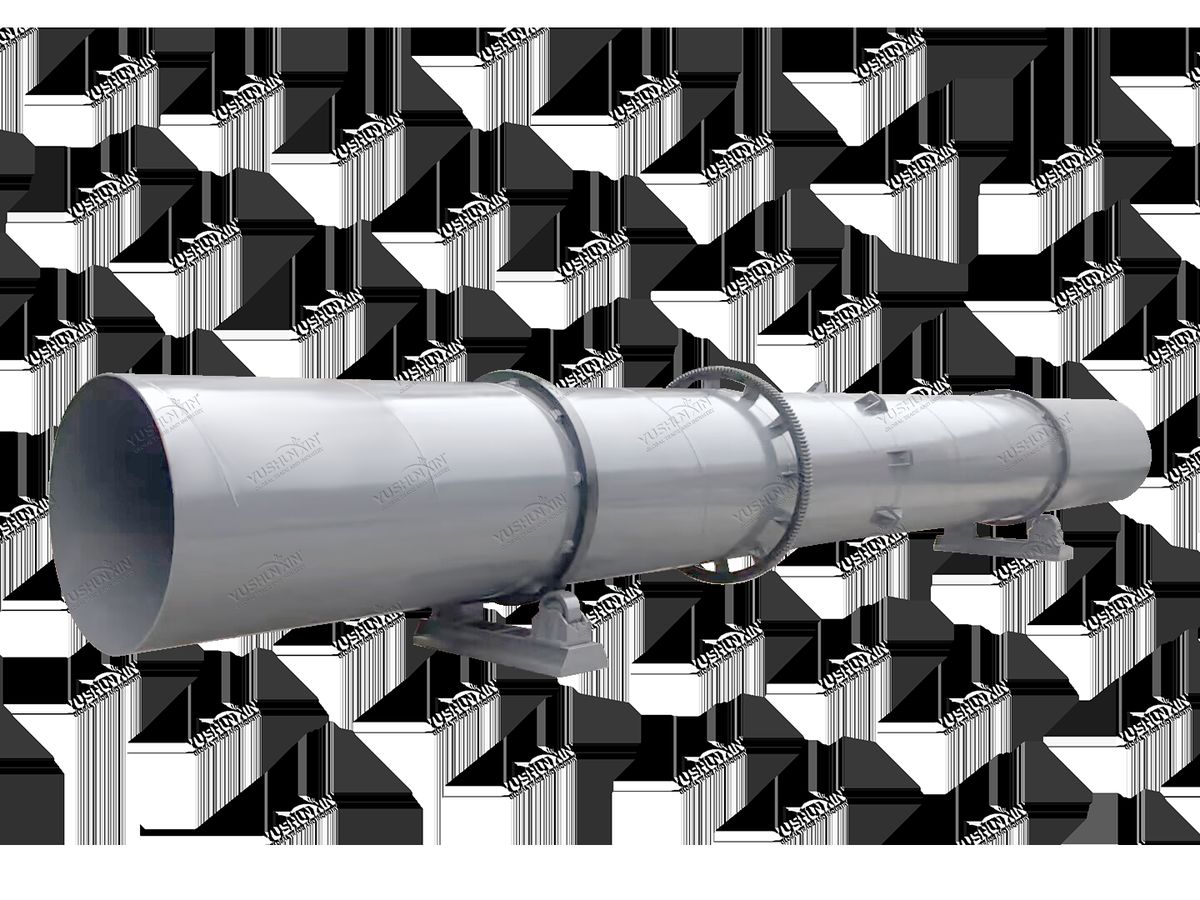
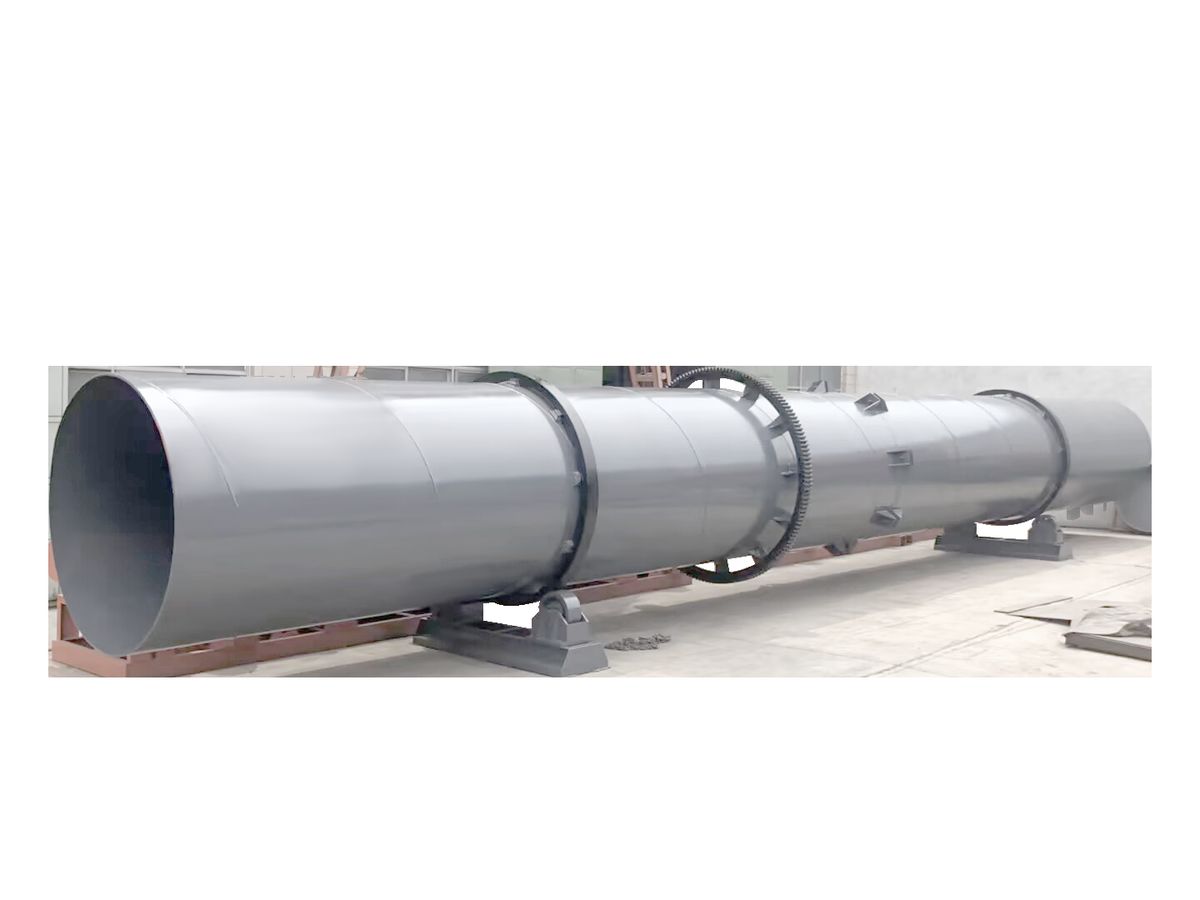
Single-pass rotary drum dryer
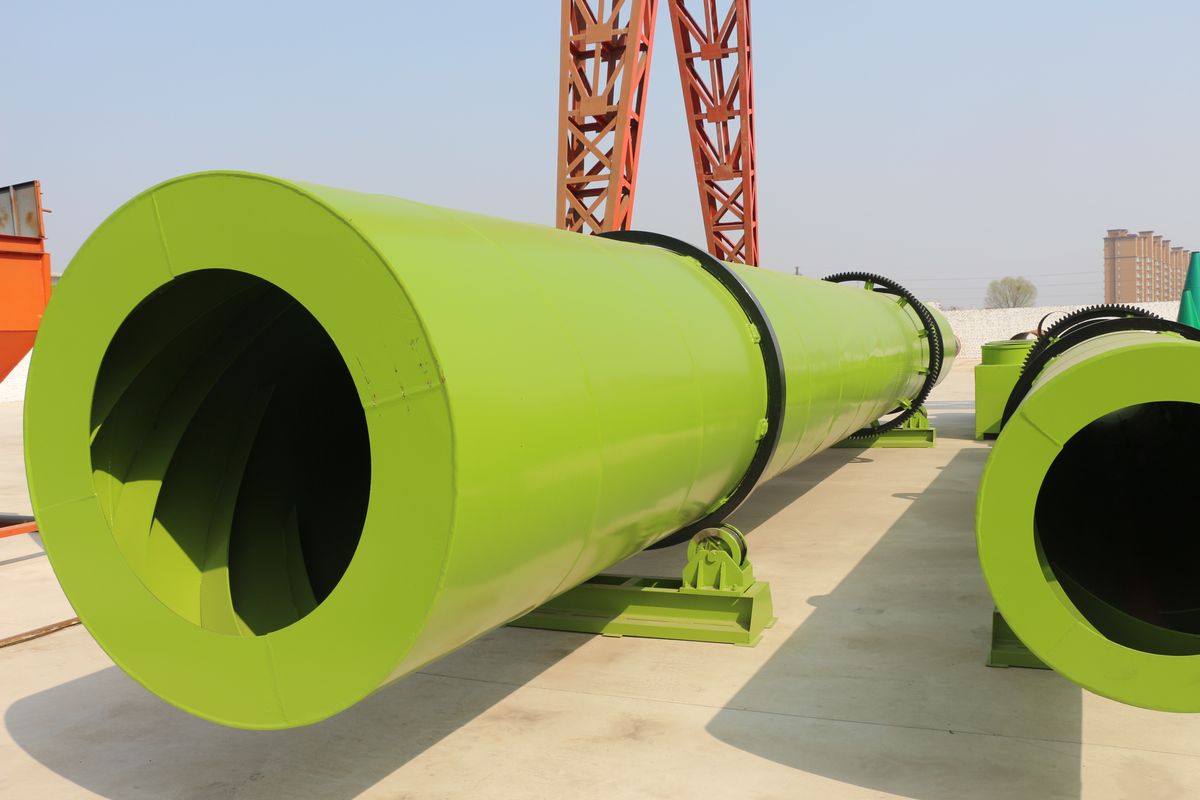
The standard machine for 1–15 t/h. Straightforward, tolerant of lumps and variations in feed, easy to inspect and to reline. Larger footprint and slightly higher heat loss than a triple-pass unit.
View details →Granulation needs 25–35% moisture and finished fertilizer needs under 15%. Removing the difference is the largest energy cost in a manure fertilizer plant — so the dryer has to be sized around the water, not the tonnage.
A dryer is a water-removal device. Its capacity is measured in kilograms of water evaporated per hour, not in tonnes of fertilizer. That is why two plants producing the same tonnage of pellets can need completely different dryers: if one feeds the dryer at 30% moisture and the other at 45%, the second must evaporate roughly twice as much water for the same output. When a supplier quotes a dryer by tonnage alone, ask for the inlet and outlet moisture the figure assumes.
That is also why every improvement upstream pays for itself at the dryer. Better separation, a longer fermentation with more turning, and drainage on the composting floor all reduce inlet moisture. A plant that dries granules from 32% instead of 42% can cut fuel consumption substantially at the same output, which in most markets is the difference between a profitable granule line and one that only works at peak fertilizer prices.
The single-pass rotary drum dryer is the standard machine: wet granules enter at one end, lifters inside the rotating drum cascade them through a stream of hot gas, and the moisture leaves with the exhaust. A triple-pass dryer uses three concentric drums so the material travels a much longer path in the same footprint, which gives better thermal efficiency and a smaller building. The exhaust passes through a cyclone, and on larger installations a bag filter, before release.
The standard machine for 1–15 t/h. Straightforward, tolerant of lumps and variations in feed, easy to inspect and to reline. Larger footprint and slightly higher heat loss than a triple-pass unit.
View details →Three concentric drums give a long retention time in a compact body. Higher thermal efficiency, lower exhaust temperature and a smaller building — the preferred choice in cold climates and where space is tight.
View details →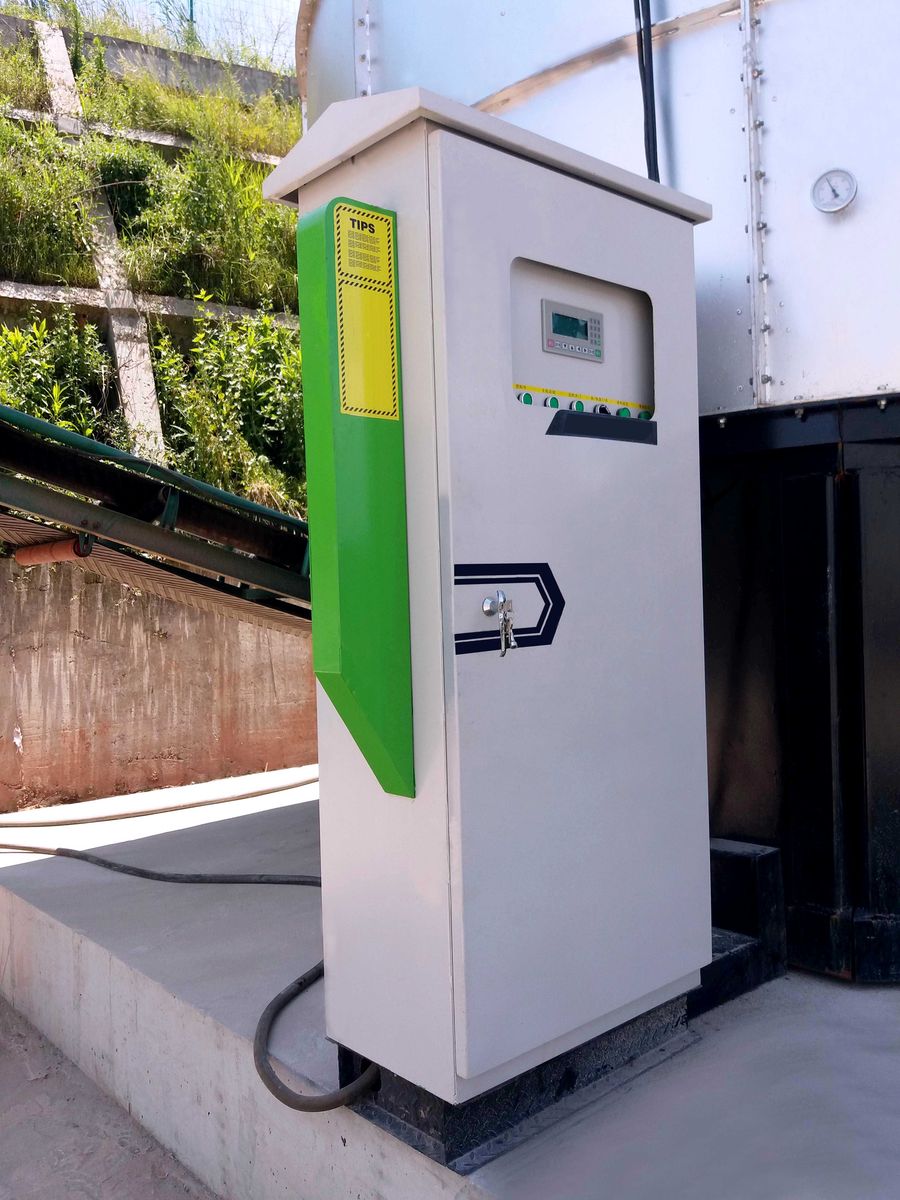
A dedicated design for high-moisture layer and broiler manure, with a larger furnace, anti-sticking lifters and an exhaust scrubber to handle the ammonia released during drying.
View details →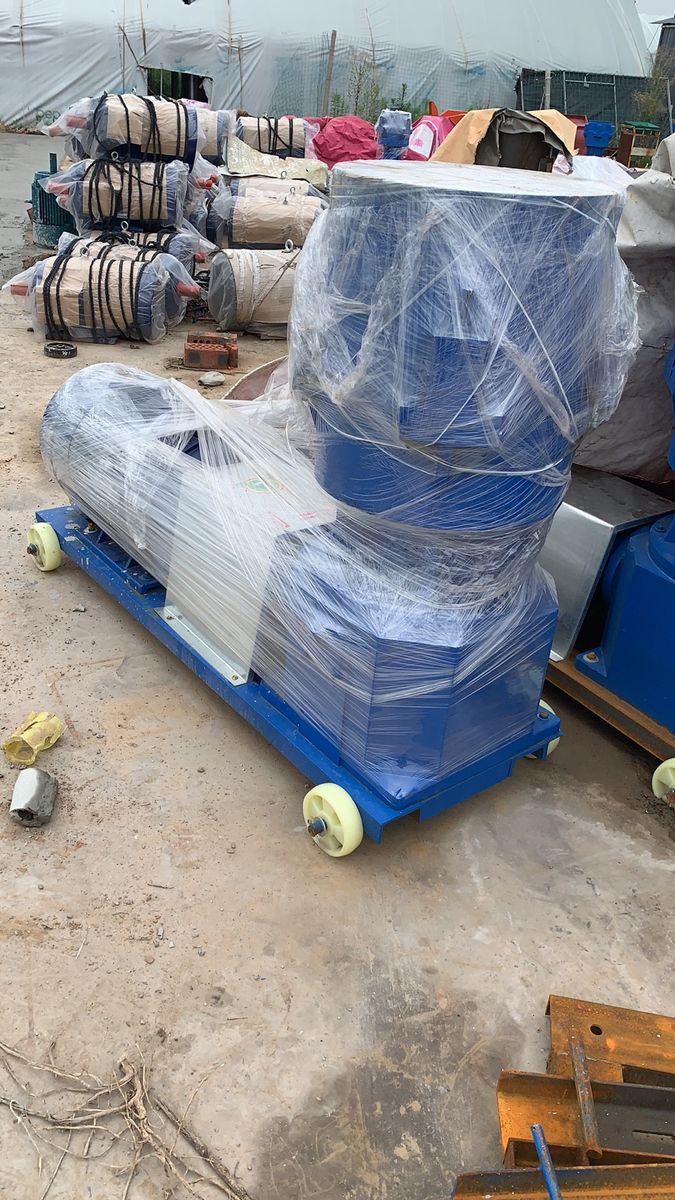
Counter-flow ambient-air drum that brings pellets from 60–80 °C down to below 40 °C, the temperature at which bags can be filled without sweating and caking.
View details →Gas, oil, coal or biomass furnace with automatic temperature control, flame failure protection and a hot-air mixing chamber so that granule surfaces are not scorched.
View details →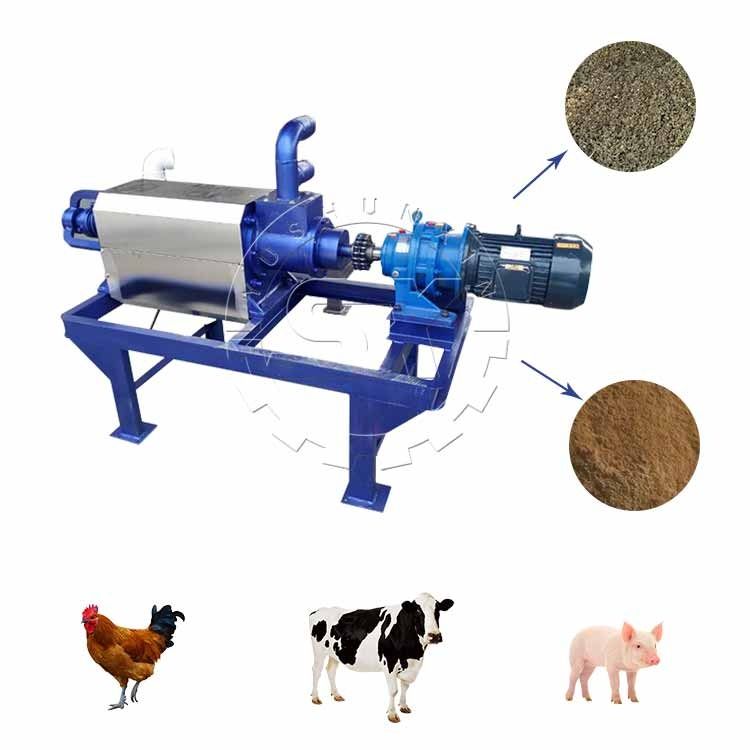
Cyclone, bag filter and induced-draft fan. Manure dust is abrasive and biologically active, so the exhaust system is not optional on any commercial line.
View details →Figures are for guidance only; every dryer we quote is calculated from your inlet and outlet moisture, feed temperature, ambient conditions and fuel calorific value.
| Line output | Wet feed to dryer | Inlet moisture | Outlet moisture | Water to evaporate |
|---|---|---|---|---|
| 1 t/h | 1.3 t/h | 35% | 13% | about 330 kg/h |
| 2 t/h | 2.6 t/h | 35% | 13% | about 660 kg/h |
| 5 t/h | 6.6 t/h | 35% | 13% | about 1,650 kg/h |
| 10 t/h | 13.2 t/h | 35% | 13% | about 3,300 kg/h |
| 10 t/h with poor feed | 15.4 t/h | 45% | 13% | about 5,800 kg/h |
Manure drying machine is an efficient machine in manure management system. On the one hand, you can utilize manure dryer remove extra water from fresh manure, so as to provide convenience for storage, transportation and organic fertilizer production. On the other hand, it is also important in granular organic fertilizer production line. Because organic fertilizer granulating usually adopts wet granulation, which will increase moisture of fertilizer pellets. By drying, extra moisture of granulated manure fertilizer will be removed, and pellets can be bagged directly. In addition to manure management, manure dryer equipment is also available for other materials, such as coal dust, soybean residue, sludge, pomace, vinasse (distillers’ grains) and so on. As rotary dryer manufacturer, Shunxin produces rotary drum dryer machine with high efficiency and long service life. Its working principle, process and function will be introduced in the following parts.
Shunxin manure dryer machine decreases moisture of fresh manure by make it contact with hot air. After drying, the moisture of manure will reach about 13%. Then, it is easy to storage and transportation.
If you are interested in this machine, Please contact us!
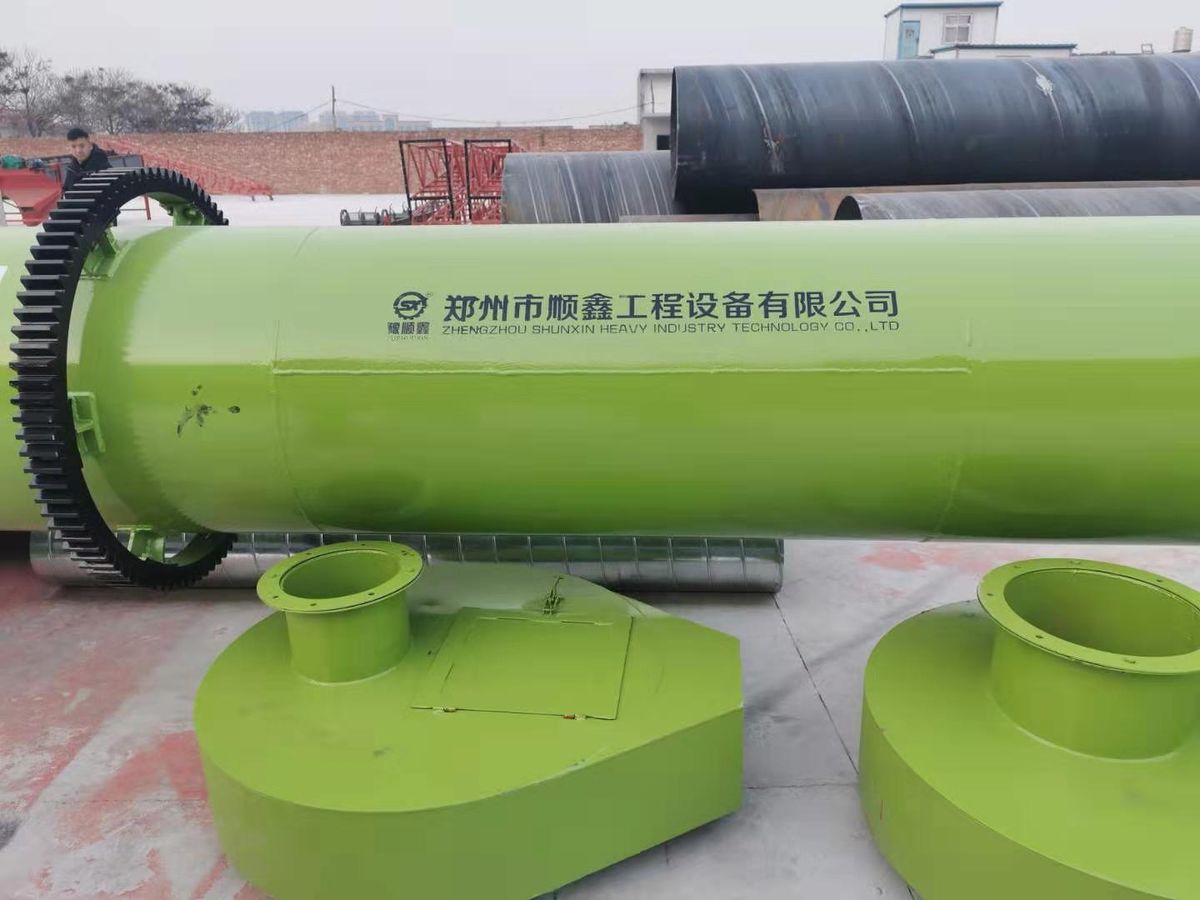
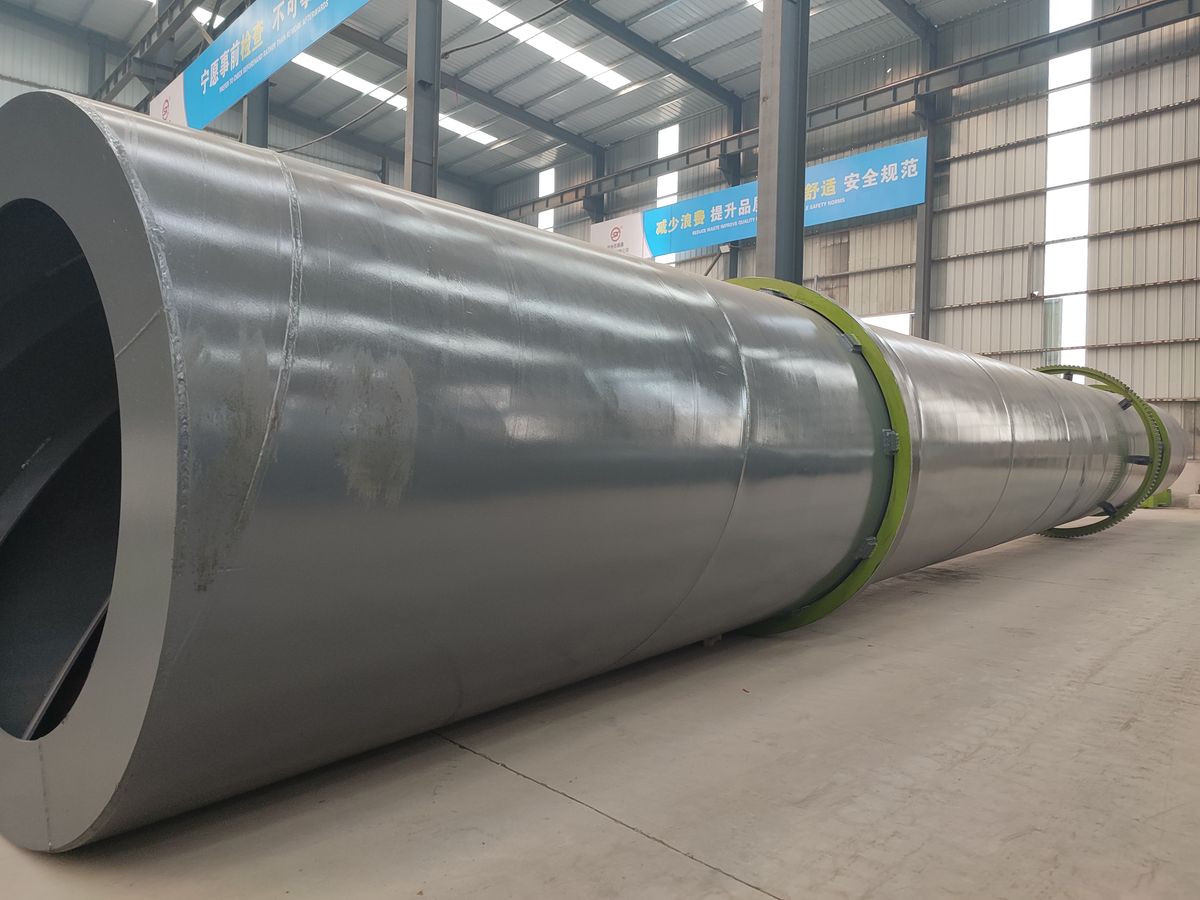
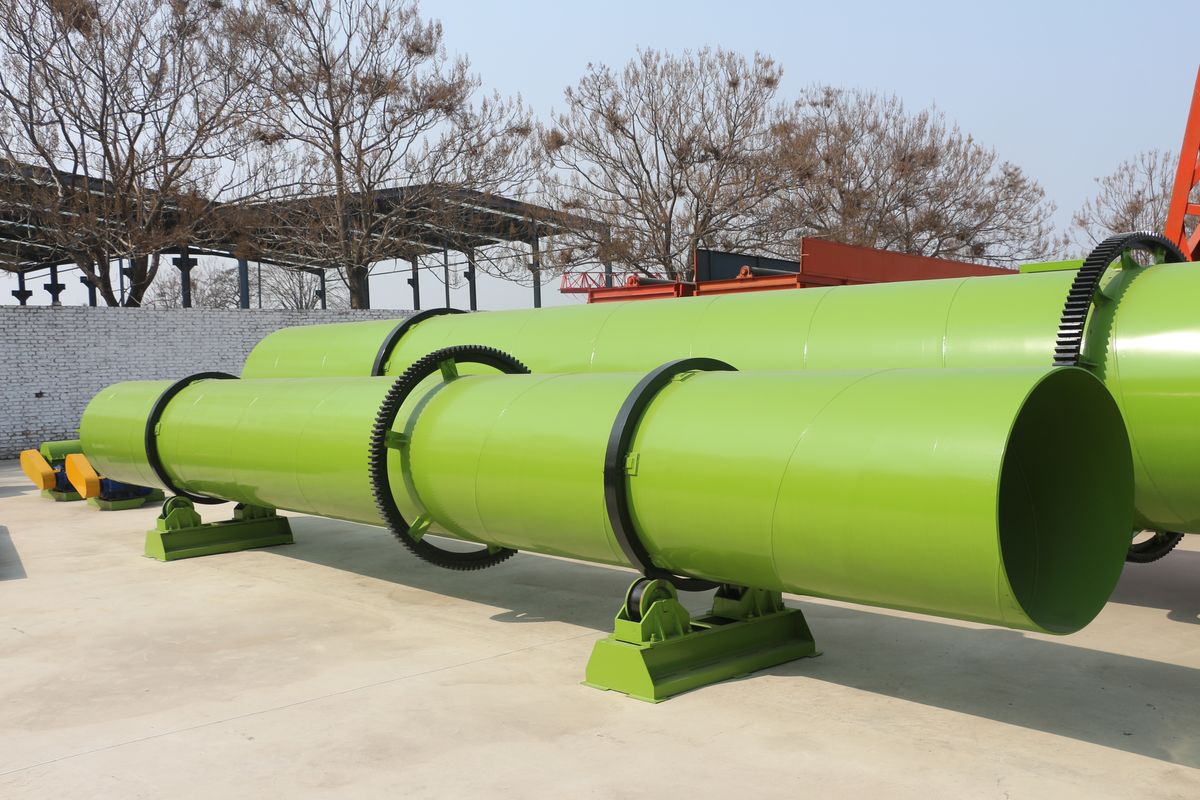
Rotary drum, speed reducer and motor make up Shunxin rotary drum dryer machine. The rotary drum provides space for drying manure. And there are many plates inside the rotary drum, which can effectively prevent stacking of materials and make them contact with hot air fully. What’s more, the installation of rotary drum has certain inclination angle (3 degree to 5 degree), which can make manure move from one end to the other end when the drum is rotating. The motor provides power to make the drum rotate. At the same time, the speed reducer will convert power to suitable speed and increase torque, so as to provide continuous power for rotary drum.
Hot air furnace: As the heat source, hot air furnace is responsible for providing hot air for rotary drum. The range of fuel available is wide, including waste wood, coal, diesel, biomass fuel and natural gas (natural gas burner is necessary). Belt conveyor: Its function is to send manure to rotary drum. Here, you can adopt screw conveyor or mobile belt conveyor. Dust catcher: During drying manure, some dust is inevitable. You can adopt dust catcher to collect the dust generated, so as to prevent air pollution. Dust catcher includes cyclone dust collector, dust setting chamber and water curtain dust collector. Induced draft fan: It will draw hot air to the other end, so as to make sure even and enough heat in the rotary drum. On the other hand, it also can dispel waste air in time.
Screw conveyor sends wet manure to rotary dryer. Then the manure slowly goes through the rotary drum after fully contact with hot air. You can collect dried manure in the discharge port of rotary drum. And the waste air produced will be managed by dust catcher. To be honest, the drying machine is easy to operate. If you adopt it in organic fertilizer pellets production line, you can connect manure granulating equipment with mobile belt conveyor. And the dried manure fertilizer pellets will be directly sent to cooling process.
The moisture of manure for drying is usually controlled below 70%. And the moisture of dried manure is about 13%. Sometimes, farm owner may clean manure by rinsing, and the water content will be over 70%. In terms of this situation, you can adopt manure separator to remove extra water. Because manure separator just can reduce moisture to 30%-40%. If you want to make dry manure, rotary drum dryer is also necessary. In addition, the particle size of manure also influences the drying results. You can adopt Shunxin semi-wet material crusher to deal with manure with caking, so as to make uniform manure and improve drying efficiency.
If you have a livestock or poultry farm, you will find that animal manure not only occupy much space but also release odor. There are two methods to deal with it, composting and drying. By composting, you can use manure as fertilizer. But it will cost you about one month to make compost, under the help of compost turner. If you want to sell it, you may need build a compost fertilizer production line. However, if you deal with animal manure with manure dry machine, you can get dried manure with 13% water content. On the one hand, it is convenient for storage, you can use it to make compost at any time. On the other hand, dried manure is available for transportation, you can sell them to others. Compared with composting animal manure, drying manure will save more time and space for you.
Drying process is essential in commercial organic fertilizer pellets production. It occurs after granulating process. Generally speaking, the moisture of composted manure for granulation is about 30%, that is also called wet granulation. But the standard moisture for final product is less than 10%. Therefore, you need to adopt fertilizer drying machine to remove extra water. The production capacity of Shunxin fertilizer drying machine ranges from 1t/h to 18t/h. That is to say, it is suitable for both small- and large-scale organic fertilizer production.
Shunxin manure drying machine can be used as poultry manure drying machine, chicken manure drying machine and cow dung drying machine. If you want to convert animal manure into money, you can adopt this kind of rotary dryer to make marketable dry manure.
Photographed in our Xingyang workshop and on customer sites. Watermark-free, no phone numbers.
Only if you granulate. A powder fertilizer line ferments, crushes, screens and bags without drying — compost can be air-dried on the turning floor or blended back with dry finished product. A granule line needs the granules dried to 12–14% moisture, because wet pellets cake, deform and grow mould in storage.
12–14% is the standard target. Below 12% the pellets become brittle and generate dust in handling; above 15% they cake in the bag and can support mould growth. Rotary drum granulation normally produces granules at 25–35% moisture, which the dryer then removes.
It depends entirely on your local market. Coal is often the cheapest per tonne of water evaporated where it is available and permitted; natural gas is the cleanest and most controllable; diesel is convenient for remote sites; biomass boilers are attractive where agricultural residues are cheap. Because the furnace design differs for each, we size the dryer around the fuel you intend to use — tell us which at the enquiry stage.
Yes. Organic material scorches and the nutrient content can be affected if the material contacts flame or gas above roughly 500 °C. That is why we use a mixing chamber that combines hot gas with ambient air before it enters the drum, and why the dryer is controlled on outlet temperature rather than inlet temperature.
Fuel is the dominant cost and it is proportional to the water you evaporate, which is why inlet moisture matters so much. Power for the drum drive, the induced-draft fan and the feed conveyor is comparatively small. Our engineers will provide an evaporation rate figure for your machine so you can multiply by the calorific value and the price of your chosen fuel to get a cost per tonne before you order.
Manure treatment equipment that makes raw animal slurry handleable: solid liquid separators, dewatering machines, drye…
Read more →Manure fertilizer machines that turn compost into a product: granulators, pellet machines, powder lines, coaters, cool…
Read more →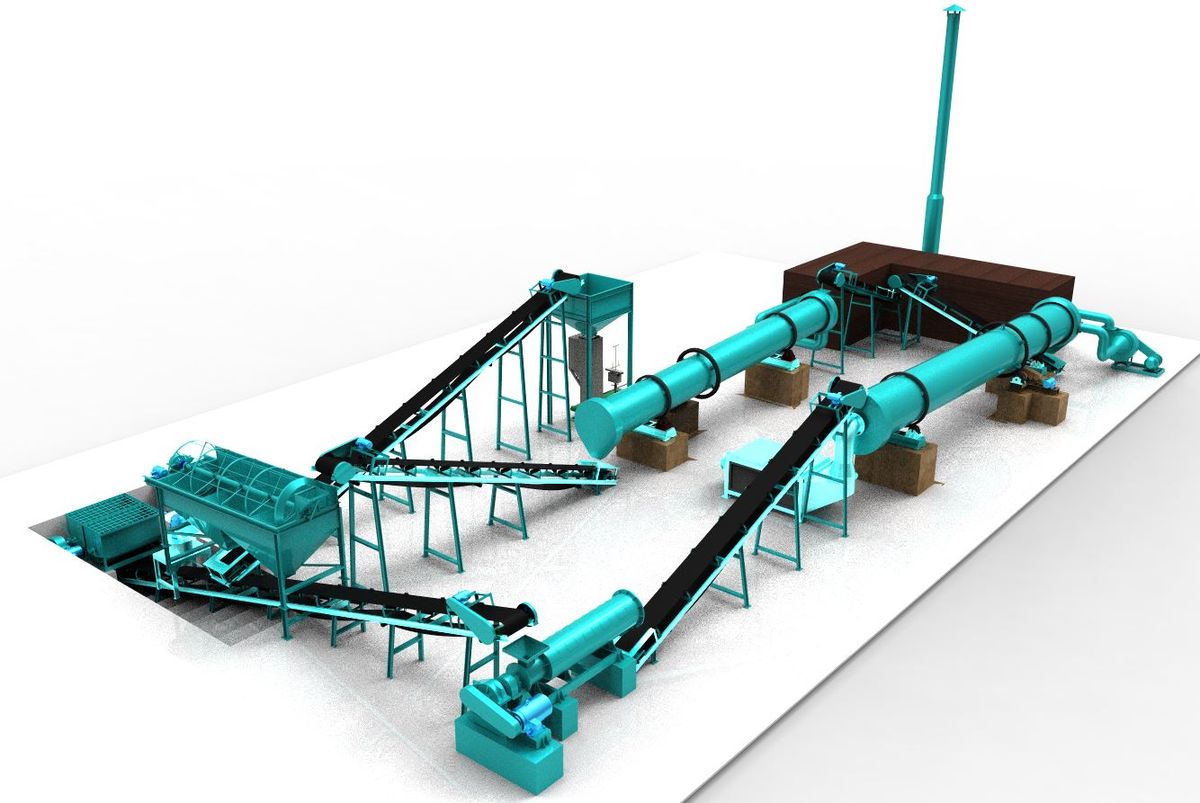
Complete manure fertilizer production lines from 1 to 30 t/h: separation, fermentation, batching, granulation, drying,…
Read more →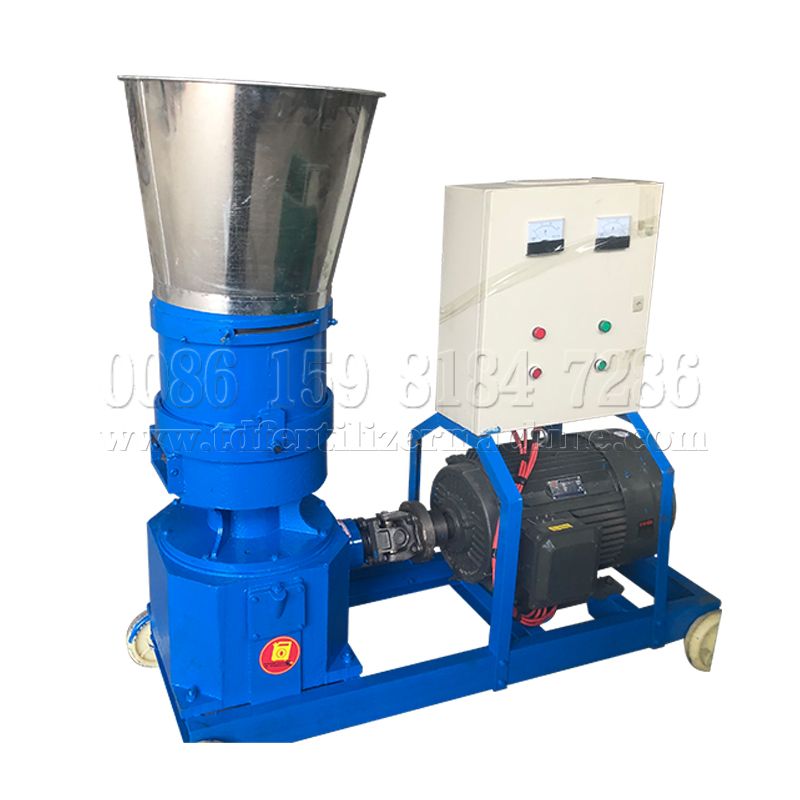
Manure pellet machines that turn fermented compost into uniform organic fertilizer pellets: disc, drum, stirring-tooth…
Read more →Send your raw material, target capacity and country. Our engineers reply within one working day with a process route, equipment list and budget.
Send us your raw material and target capacity — we will propose the process, the machines and the budget.
Send your raw material and target capacity — our engineers reply within one working day with a process route, equipment list and budget.
Our engineering team will reply within one working day. For anything urgent, message us on WhatsApp.
Open WhatsApp