
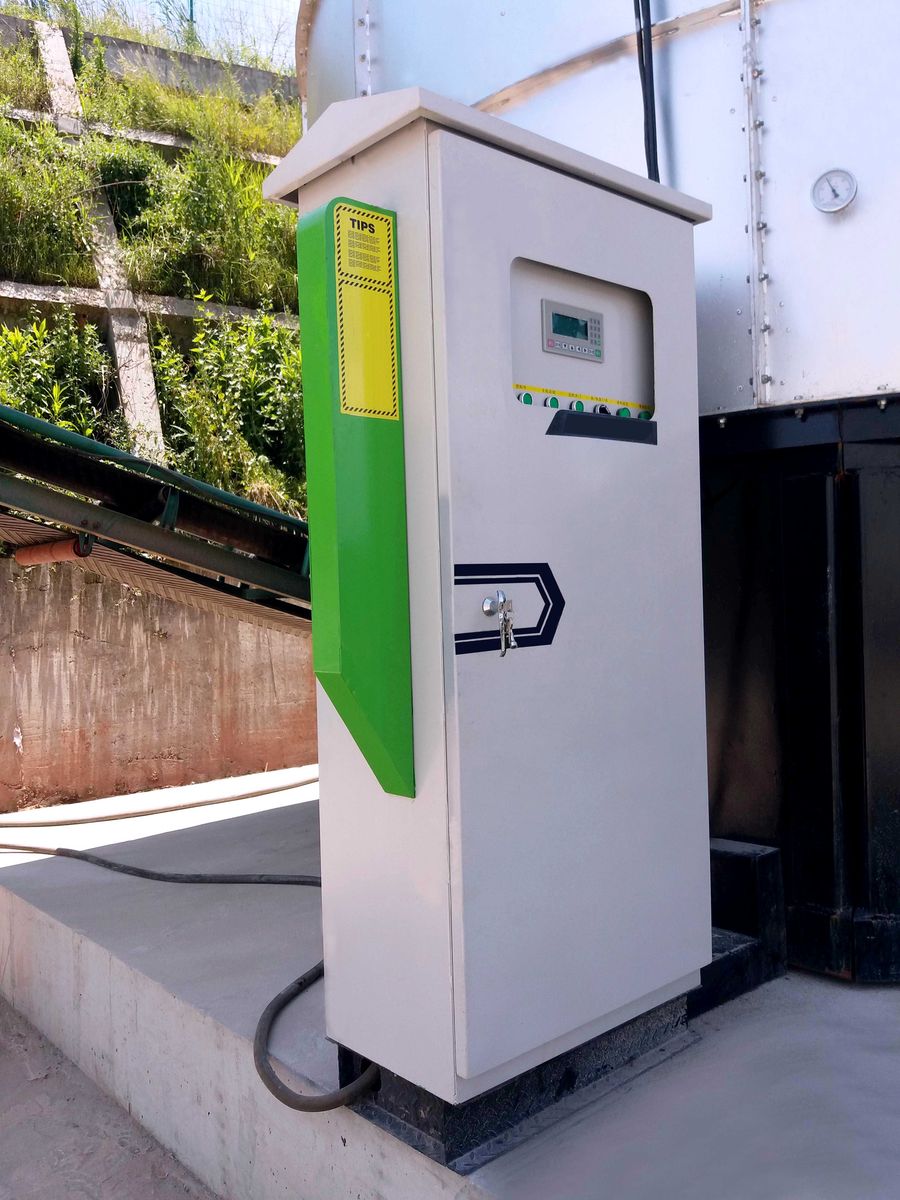
Chicken Waste Disposal Equipment
Chicken waste disposal equipment that dries, deodorises and ferments poultry manure, then converts it into bagged orga…
Read more →Poultry manure is the most nutrient-rich of the common farm manures. It is also the fastest to generate ammonia, flies and complaints. Managing poultry waste is about moving it quickly and treating it properly.
Poultry waste management starts inside the house. The longer manure sits under the birds, the more ammonia is released — and every kilogram of ammonia lost is nitrogen that cannot be sold later. Frequent belt removal, good litter management and adequate ventilation all reduce both the ammonia concentration in the shed (which affects bird performance and health) and the odour and fly pressure that reach the neighbourhood.
Outside the shed, the sequence is drying and deodorising before anything else. Layer manure leaves the belt at 60–75% moisture, which is too wet to compost cleanly and too reactive to store. Air drying under cover, or a rotary manure dryer, brings it to 30–40% moisture, drives off most of the remaining ammonia and kills fly larvae. A deodorising agent or biological inoculant is blended in at the same stage, and the material is then mixed with a carbon source.
Composting follows, in covered channels or in-vessel tanks with forced aeration. Seven to twelve days at 55–65 °C stabilises the nitrogen and completes the destruction of pathogens and weed seeds. From there the material is crushed, screened and either bagged as powder or granulated, dried, cooled and bagged as pellets.
| Waste stream | Volume and character | Handling route | End product |
|---|---|---|---|
| Layer manure (belt collection) | 0.10–0.15 kg/bird/day at 60–75% moisture | Dry, deodorise, blend with carbon source, ferment 7–12 days | Powder or pellet organic fertilizer |
| Layer manure (deep pit) | Accumulated over months; variable moisture | Scrape, dry, screen, ferment | Powder or pellet organic fertilizer |
| Broiler litter | Removed once per flock; 25–45% moisture | Dry further, screen, granulate or pelletise | Organic fertilizer or fuel pellets |
| Wash-down water | Dilute, high in nutrients | Separate solids, use liquid for irrigation or digest | Solids to composting; liquid to fertigation |
| Dead stock and processing residue | Irregular | Rendering or approved disposal — never composted with manure | Not a fertilizer input |
| Eggshell and hatchery waste | Moderate volume, high calcium | Dried and ground separately | Calcium amendment or blended into a formulation |
The economics of poultry waste management change completely when the material becomes a registered fertilizer rather than a waste. Poultry manure fertilizer sells at a premium over other organic fertilizers because its declared analysis is stronger, and granulating it makes it easy to spread mechanically and to store. In many markets, the income from the fertilizer more than covers the cost of running the treatment plant.
The step that producers most often underestimate is registration. A bagged fertilizer must declare its analysis, usually its organic matter content, and must stay within heavy metal and moisture limits. Those requirements are met by process control rather than by luck: consistent blending, controlled drying, and a fermentation that genuinely reaches thermophilic temperature. Producers who keep records from the start find registration straightforward; those who try to reconstruct the evidence later find it difficult.
It is also worth considering the alternative products that poultry waste can become. Dried poultry litter is a recognised biomass fuel in several markets, and pelletising it for fuel rather than fertilizer can be more profitable where the local fertilizer market is saturated or where a biomass power plant is nearby. The equipment overlaps substantially — drying, grinding, pelletising, cooling and bagging — which means the choice can be revisited later without replacing the plant.
Reasonable poultry waste disposal methods and equipment are important to mange poultry waste. As a manure to fertilizer equipment manufacturer, Shunxin not only can provide you practical equipment, but also economic and efficient methods to deal with poultry litter. The easiest way to manage poultry waste is making compost or drying. If you have enough budget and space to dispose poultry manure, commercial organic fertilizer production from poultry waste is also a fine choice. All of these methods are suitable for both poultry farm waste disposal and organic fertilizer factory.
In terms of poultry waste management, composting, drying poultry manure and making commercial organic fertilizer are available. Next, we will introduce them one by one.
Poultry manure is a good material for making organic fertilizer. By composting, you can use it as base fertilizer, so as to provide nutrients to plants and soil. On the other hand, pathogens, weed seeds and eggs in waste will be killed by high temperature generating from microorganism activity. With the help of poultry composting equipment, you will get quality compost in 20 to 30 days.
Compared with fresh poultry manure, dried poultry manure has less odor and is convenient for long-term storage. In addition, the drying of poultry manure is easy to operate. You can get dry manure with 13% moisture in few minutes with Shunxin manure drying system. In terms of dried manure, you can use it for composting, or sell them to others. Because it is also convenient for transportation.
For large scale poultry litter management, you can deeply process composted poultry manure after composting. According to strict national standard on nutrient elements in commercial organic fertilizer, commercial organic fertilizer has higher fertilizer value. At the same time, it needs much more investment on both budget and space. It includes powdery and granular poultry manure fertilizer production.
Do you want to know more details? Please send your requirements to us!
Both windrow composting and fermentation in grooves belong to fast fermentation system. In addition, the important work in fermentation process is to regularly turning the compost pile. For large scale composting, composting equipment is necessary. You can choose suitable composting method and equipment according to actual situations.
Windrow composting and fermentation in grooves are available for composting poultry manure.
Firstly, you should collect poultry waste, adjust water content to 50% -60%, mix it with some c-rich materials (25:1) (such as straw powder, sawdust and so on).
Secondly, you can pile them in long rows, which is called windrow composting. The height and width of compost pile usually is more than 0.6 m and 2 m. And the length of compost pile depends on the size of fermentation area. On the other hand, you can build some fermentation grooves to place waste. These grooves usually consist of three walls. For fermentation in grooves, groove type compost turner will be better for you to turn the waste.
Finally, you start to turn the waste regularly after temperature of compost pile is more than 65 degree centigrade. Composting finishes when poultry manure become loose and black.
According to composting methods, poultry composting equipment includes windrow compost turner and compost turner for fermentation groove.
Windrow compost turner: It includes crawler type compost turner and self-propelled compost turner. During working, both of them span over compost pile. At the same time, the turning device which consists of rotary shaft and turning tooth will stir compost pile evenly and crush caking into small pieces. The differences between them are design of wheels and driver’s cab. In addition, one person can operate the windrow compost turner. They use diesel oil as fuel.
Compost turner used for fermentation grooves: During working, this kind of compost turner works on two paralleled walls. Its turning device evenly stir waste in the fermentation grooves. There is groove type compost turner, wheel type compost turner and chain plate type compost turner for you to choose. You can operate it by control cabinet.
Note: Both windrow compost turner and groove type compost turner can be equipped them with spray device, which can add water to the compost pile during turning.
The production of commercial organic fertilizer is after poultry waste composting. Composted poultry waste is just suitable for used as base fertilizer. If you want to sell it in market, you need to add other nutrient elements. You can choose:
Powdery fertilizer production from poultry waste: Composting process—Crushing and Screening process (make uniform powder) —Batching and Mixing process (strengthen fertilizer effect) —Packing process.
Organic fertilizer pellets production from poultry waste: Composting process—Crushing and Screening process ( to make uniform powder for granulating process)—Batching and Mixing process (adding nutrient elements and blend them evenly)— Granulating process (adopt wet granulation to make fertilizer pellets)— Drying and Cooling process (reduce moisture of pellets to 10% or less)—Screening process (select out unqualified fertilizer pellets)—Polishing process (make the pellets much rounder)—coating process (coat fertilizer pellets with anti-adhesion agent)—packing process (make bagged fertilizer)
Crushing equipment for make compost more inform and finer: New type vertical crusher and semi-wet material crusher are available. Both of them can crusher manure into set size.
Rotary drum screen machine for selecting out unqualified materials: It can select out over-sized and small sized materials during fertilizer production, so as to guarantee smooth progress and fertilizer quality.
Batching machine for adding needed nutrient elements: The former one can realize quantitative addition of needed nutrient elements.
Mixing equipment to turner materials evenly: Here, horizontal mixer and disc mixer are available. They can mix two or more materials evenly.
Poultry manure drying machine: It can reduce moisture of granulated fertilizer to under 10%. It also can be used for drying fresh poultry manure (13% moisture).
Manure packaging machine: It is designed according to different characteristics of fertilizer powder and pellets, which has higher efficiency.
Manure pellet machine is important in making organic fertilizer from animal manure. After granulating, animal manure compost will become spherical, which is convenient for transportation, storage and application. Here, you can adopt Shunxin fertilizer pellet making machines.
Disc granulator: It is featured with compact structure, easy operation and high granulation rate (93%). Its base adopts thickened and aggravated materials that can provide steady support for the whole machine.
Newly developed organic manure granulator: By high-speed mechanical stirring force and generated aerodynamic force, new type granulator can make fertilizer pellets with higher hardness and beautiful appearance. In addition, there is three inspection windows, by which you can maintain replace quick-wear parts in time.
Rotary drum stirring granulator: It is the patent product in Shunxin. In addition to rotary shaft, its main body can also rotate. Therefore, it can finish mixing materials, granulating materials and polishing pellets.
The project cost of managing poultry waste depends on the methods adopted. The composting and drying of poultry waste need fewer machines and less space. Therefore, the investment on them is less. Compared with composting and drying, commercial poultry manure fertilizer production needs much more machines, space and workforce. However, commercial fertilizer can create more profits for you. If you do not know how much will you spend on managing poultry waste. You can send your requirements to us (volume of poultry waste, site space and methods adopted), and our engineer will design most suitable plan and equipment selection for you.
Photographed in our Xingyang workshop and on customer sites. Watermark-free, no phone numbers.
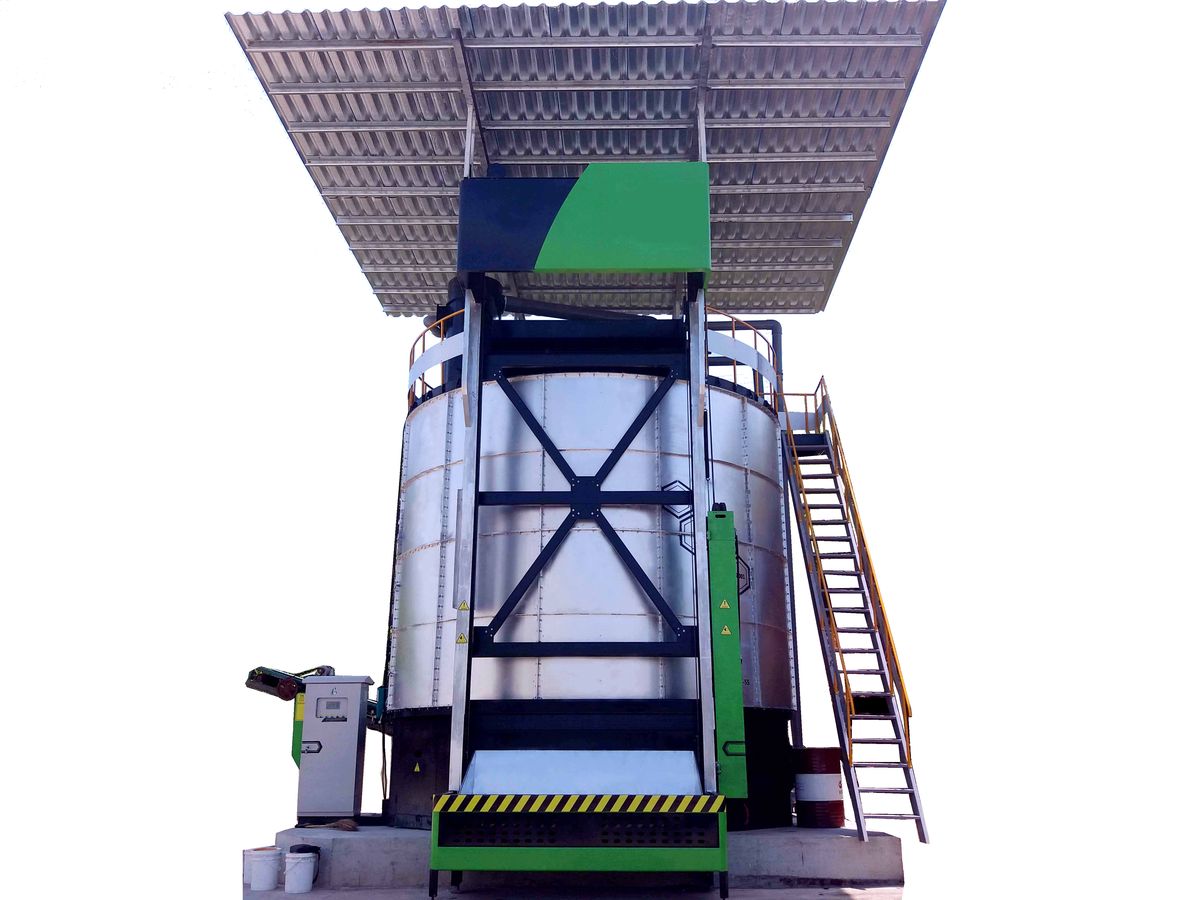
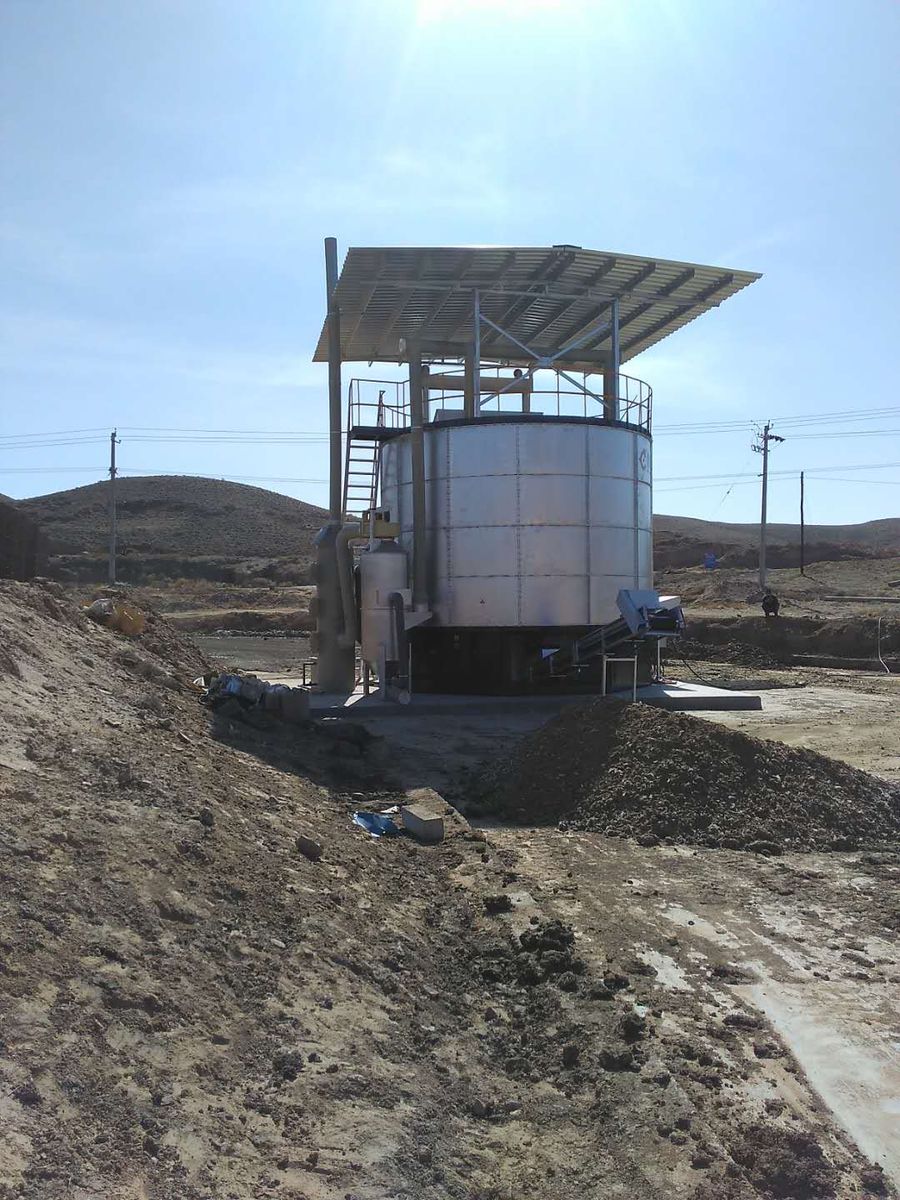
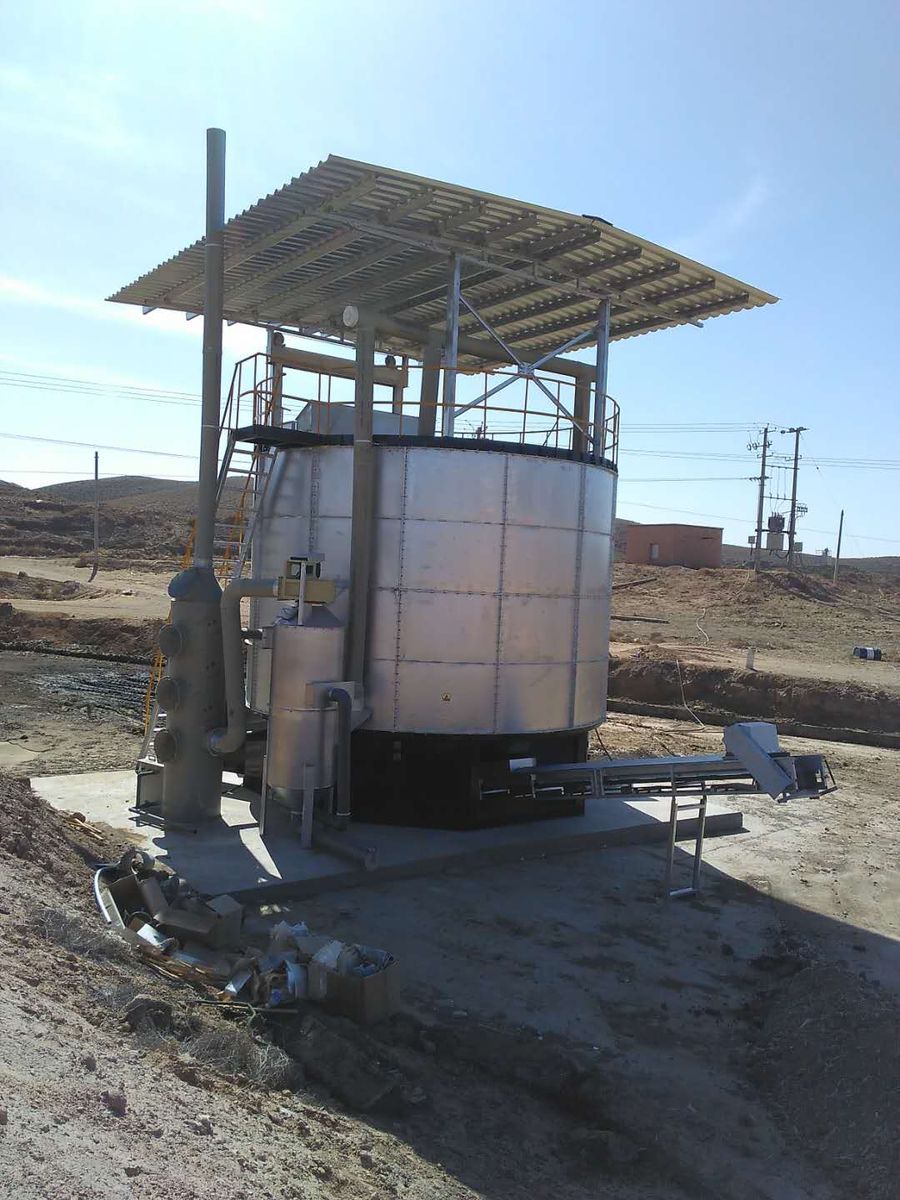
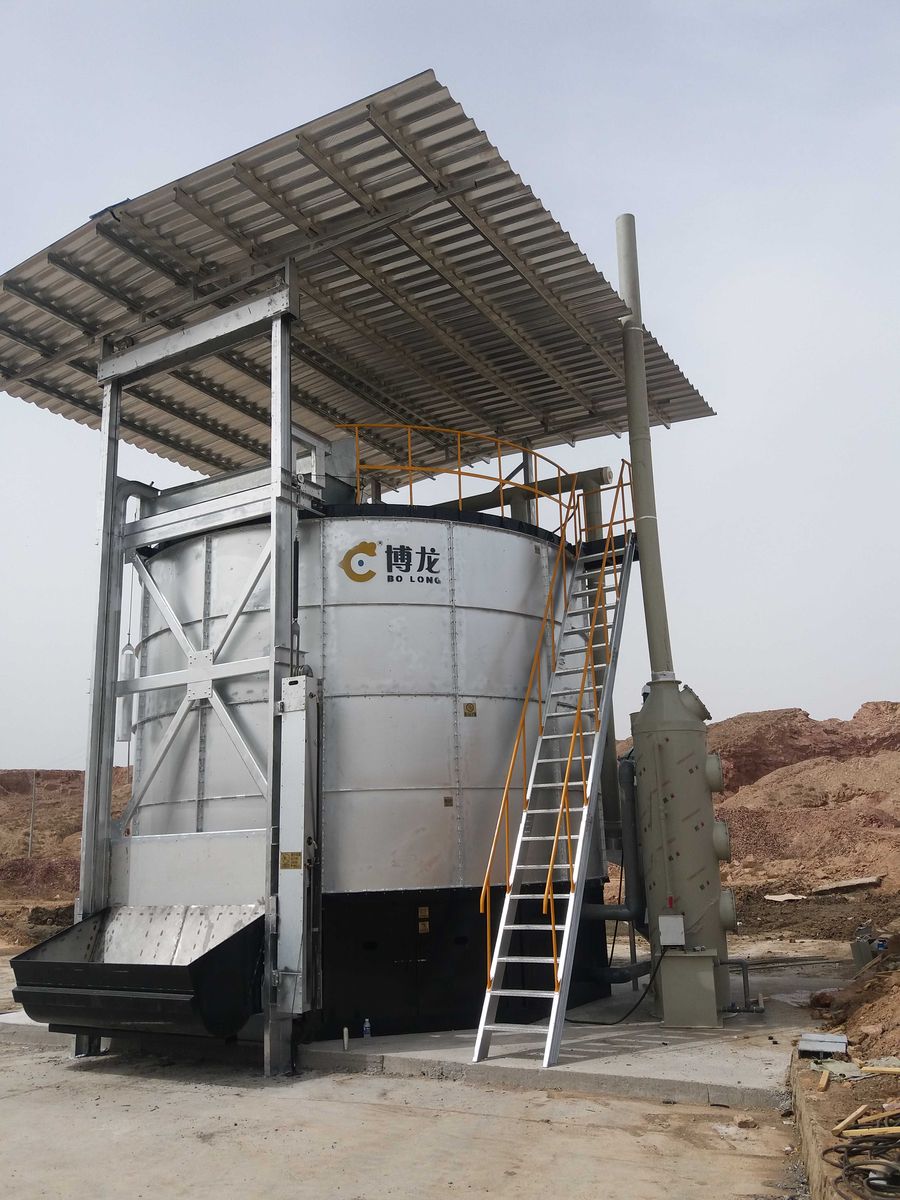
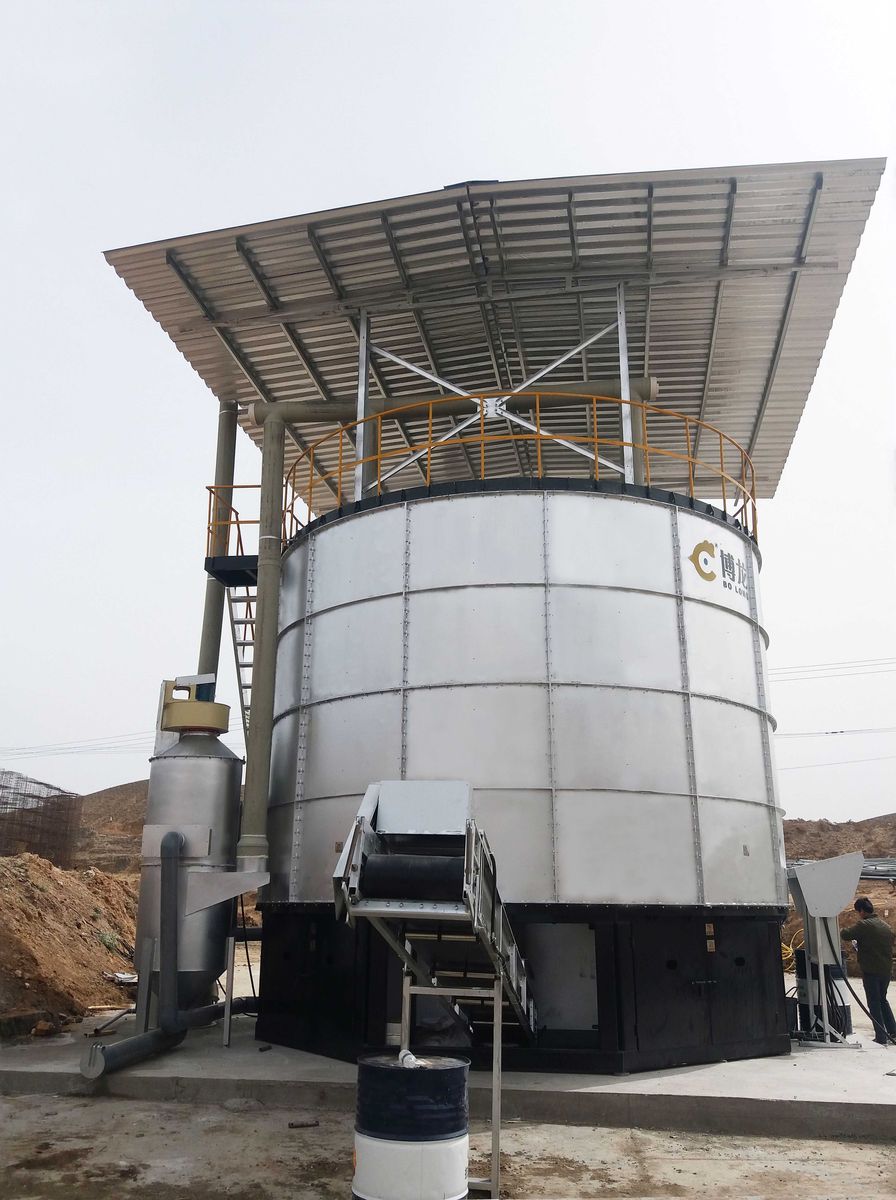
Disposal is the wrong frame; treating it as a raw material is more profitable and usually more compliant. The standard route is: remove it from the shed promptly, dry it to 30–40% moisture, blend it with a carbon source and a deodorising agent, ferment it at 55–65 °C for 7–12 days, then crush, screen and sell it as powder or granulate it into pellets. Land application of raw manure is increasingly restricted and wastes most of the nitrogen.
Three things, in this order: remove the manure from the shed frequently and store nothing raw in the open; control the fermentation by keeping the carbon-to-nitrogen ratio above 25:1 and the moisture at 50–60%; and enclose or cover the fermentation area with filtered exhaust air if the site is within smelling distance of housing. Most complaints we are asked about are solved by the first and third measures together.
A laying hen produces 0.10–0.15 kg of manure a day, so a 60,000-bird unit produces 6–9 tonnes a day — enough to feed a substantial fertilizer plant. Broiler litter is produced per flock rather than per day, and the volume depends on the number of flocks per year and the litter depth. Measure your own operation over a full cycle before sizing the equipment.
Yes, and in several markets dried poultry litter is a recognised biomass fuel. Its calorific value is roughly half that of coal, and pelletising it produces a consistent, transportable fuel. Where the local fertilizer market is saturated or a biomass plant is nearby, fuel pellets can be the better commercial route. The drying, grinding, pelletising, cooling and bagging equipment is substantially the same as for fertilizer pellets.
Chicken waste disposal equipment that dries, deodorises and ferments poultry manure, then converts it into bagged orga…
Read more →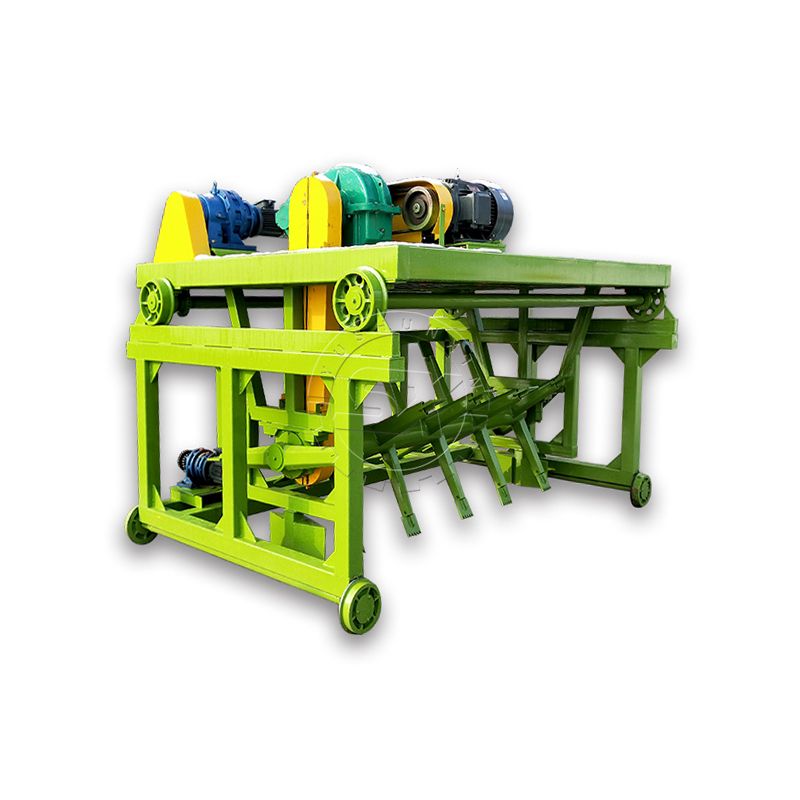
Chicken manure composting systems with forced aeration and enclosed fermentation, cutting the cycle to 7–10 days while…
Read more →How to make chicken manure compost: drying, carbon blending, deodorising, turning schedule and maturity testing for la…
Read more →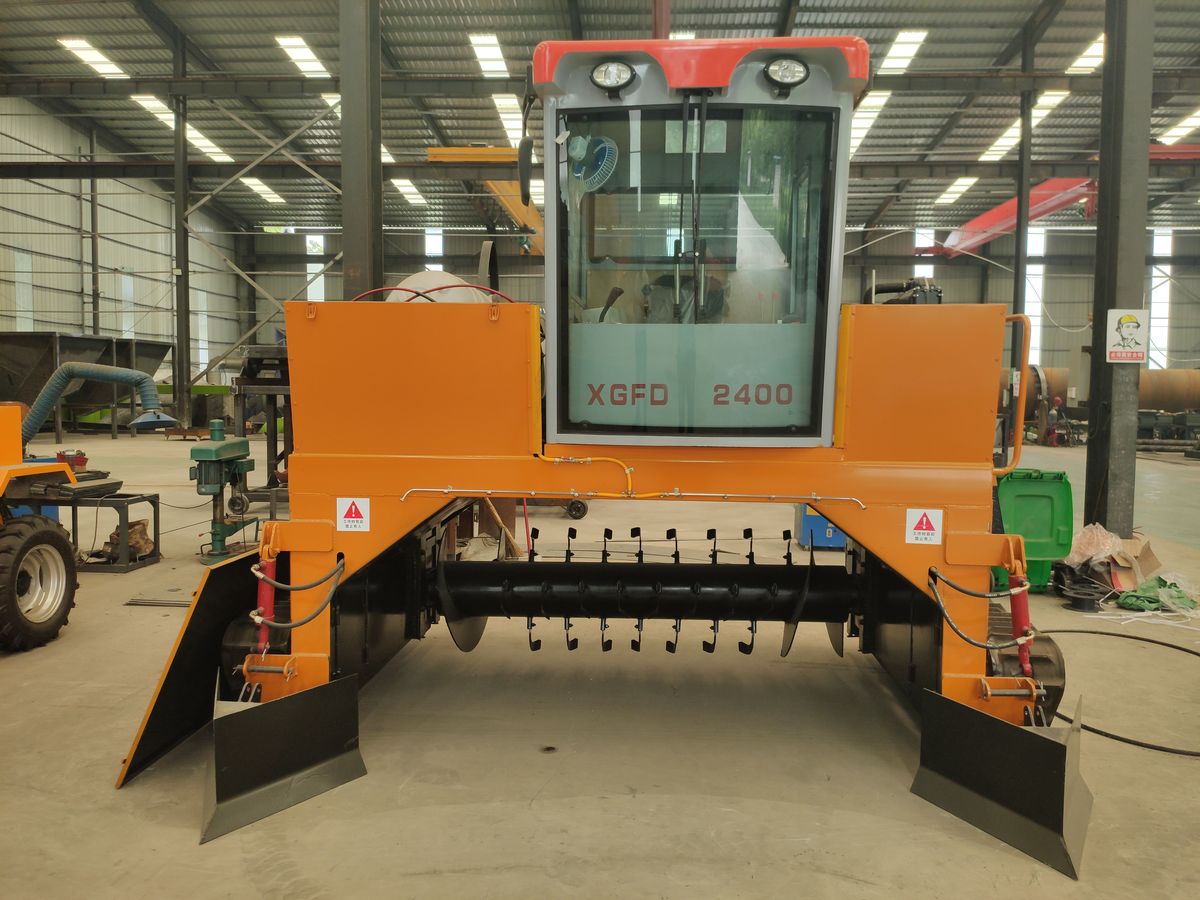
Manure management guidance for every farm animal: how cow, pig, poultry, horse and goat manure differ, how to handle a…
Read more →Send your raw material, target capacity and country. Our engineers reply within one working day with a process route, equipment list and budget.
Send us your raw material and target capacity — we will propose the process, the machines and the budget.
Send your raw material and target capacity — our engineers reply within one working day with a process route, equipment list and budget.
Our engineering team will reply within one working day. For anything urgent, message us on WhatsApp.
Open WhatsApp