
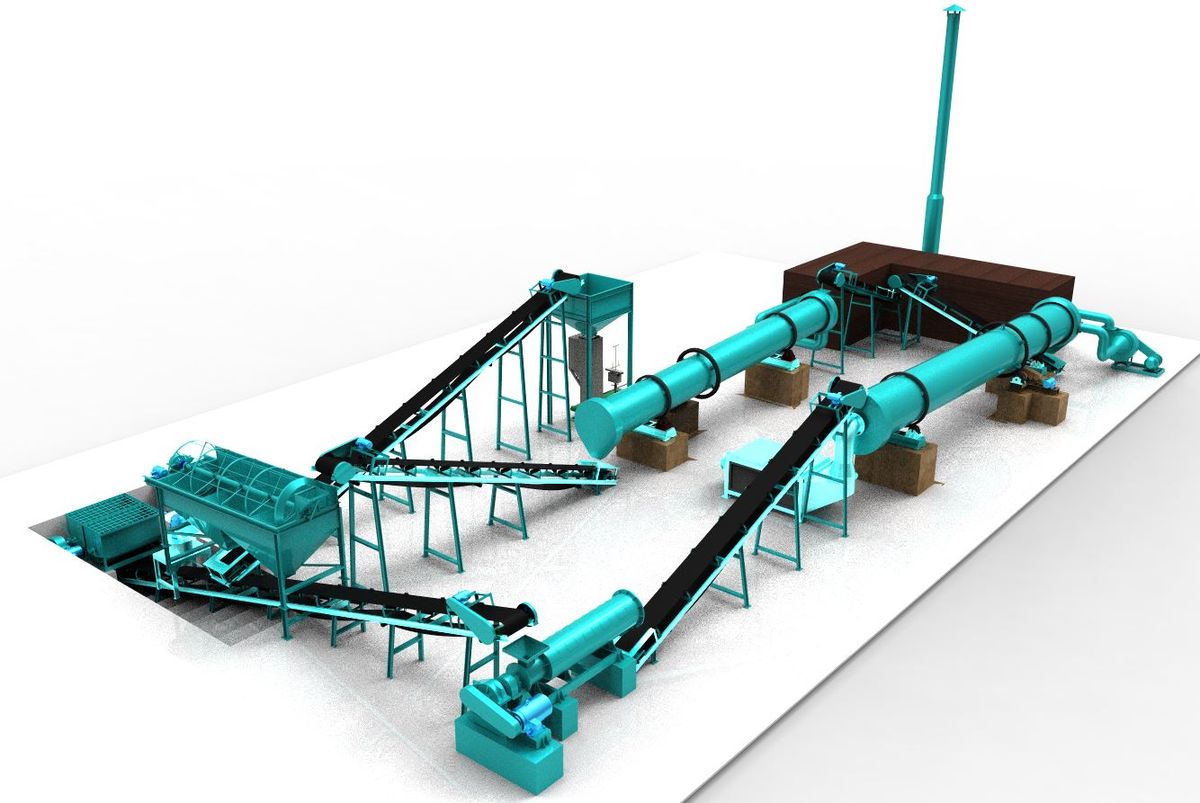
Manure Fertilizer Production Line
Complete manure fertilizer production lines from 1 to 30 t/h: separation, fermentation, batching, granulation, drying,…
Read more →What the complete production process looks like for a powder fertilizer plant and for a granule plant, and which machines each route actually requires.
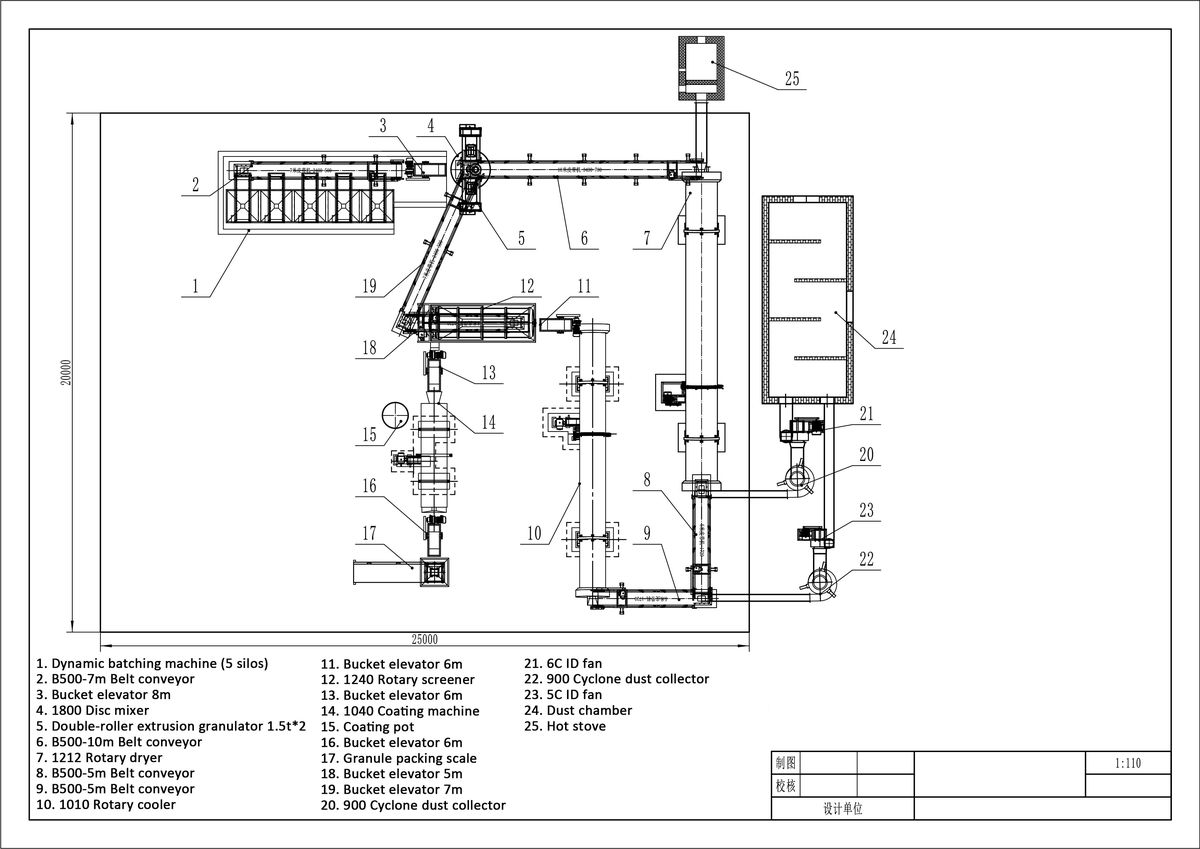
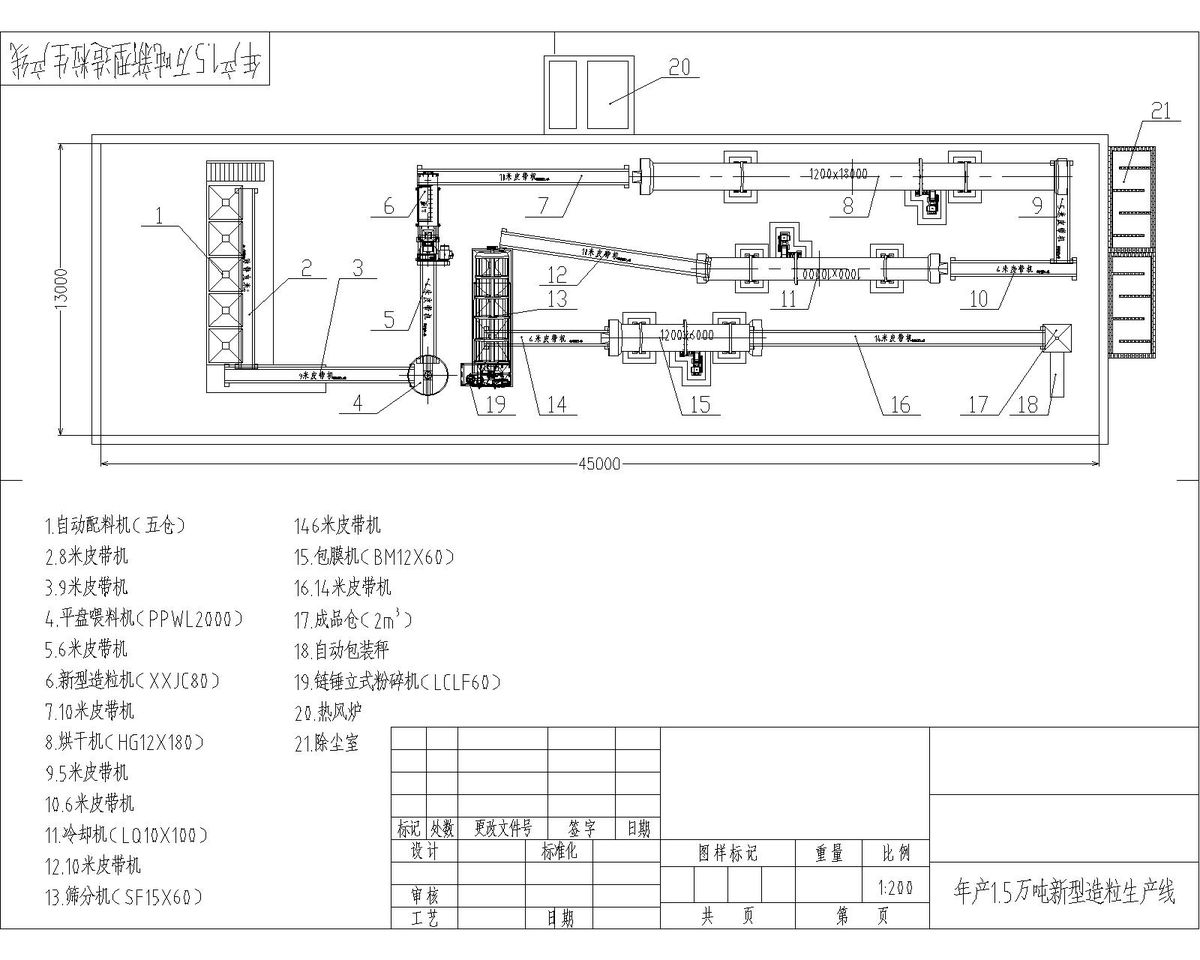
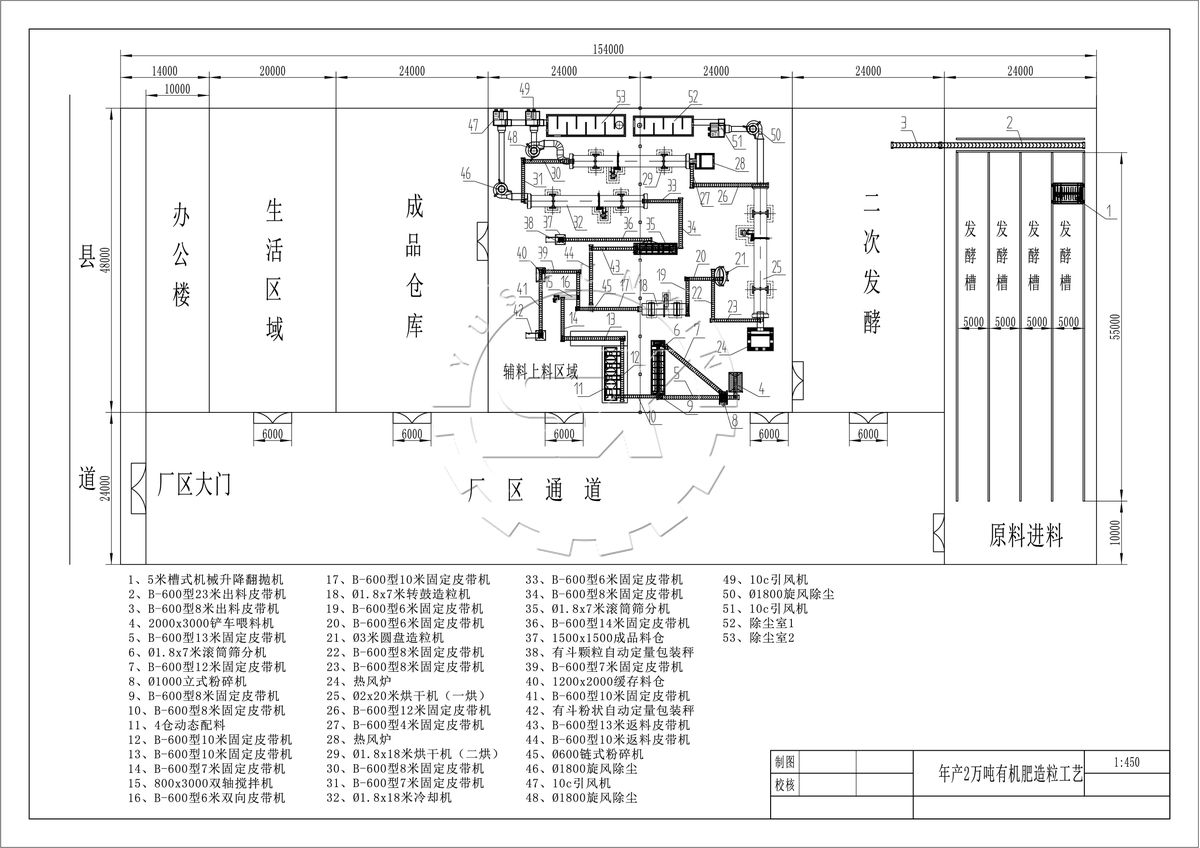
Organic fertilizer can be produced as a powder or as granules, and the two routes share most of their machines. The powder route is: composting (compost turner), forklift or loader feeding to guarantee a continuous supply, crushing (compost crusher), screening (rotary screen), temporary storage in a bin, and packaging (packing scale). The granule route is: composting, crushing, screening, granulating (disc, stirring-tooth or drum granulator), drying and cooling to remove the granulating water, screening again to remove unqualified pellets, and packaging.
A mixer and binder dosing system, a granulator, a rotary dryer with its furnace, a cooling drum, a drum coater, a second screener for grading finished pellets, and a larger conveying and dust-collection system. Those additions typically triple the equipment value of the line and add the drying fuel cost, which is why a powder line is the recommended starting point where the local market accepts powder.
Each machine is selected from the output of the one before it, and the figures that matter are throughput, moisture in and out, and power. The separator is sized from the daily slurry volume, the turner from the fermentation floor area and pile dimensions, the crusher from compost tonnage per hour, the granulator from the crusher output and target granule size, the dryer from the water that has to be evaporated per hour, and the bagging machine from the finished tonnage. When each unit is sized that way, the line runs continuously.
It depends on daily production and on the machines selected, because different equipment configurations occupy very different space. Fermentation area usually dominates the total. As a guide, a 1–2 t/h powder line with windrow composting needs 500–1,000 m²; a 5 t/h organic granule line including the fermentation floor needs 2,500–6,000 m²; and a 10 t/h line with covered fermentation needs 8,000 m² or more. Send us your target output and we will produce a layout drawing with a footprint you can check against your site.
The powder line has no drying fuel cost at all, and its power consumption is dominated by the crusher, screener and conveyors. The granule line adds the dryer, cooler, granulator and dust collection to the electrical load and consumes fuel proportional to the water evaporated. In most markets the difference in operating cost per tonne is substantial, which is why the granule line needs a genuine price premium for pellets to be justified.
Yes, and staging is the approach we recommend most often. Separation, fermentation, crushing, screening and bagging are shared between the powder and granule routes, so the machines purchased first all remain in use. Adding granulation later means adding the mixer, granulator, dryer, cooler, coater and second screener, plus some additional conveying — not replacing anything.
Photographed in our Xingyang workshop and on customer sites. Watermark-free, no phone numbers.
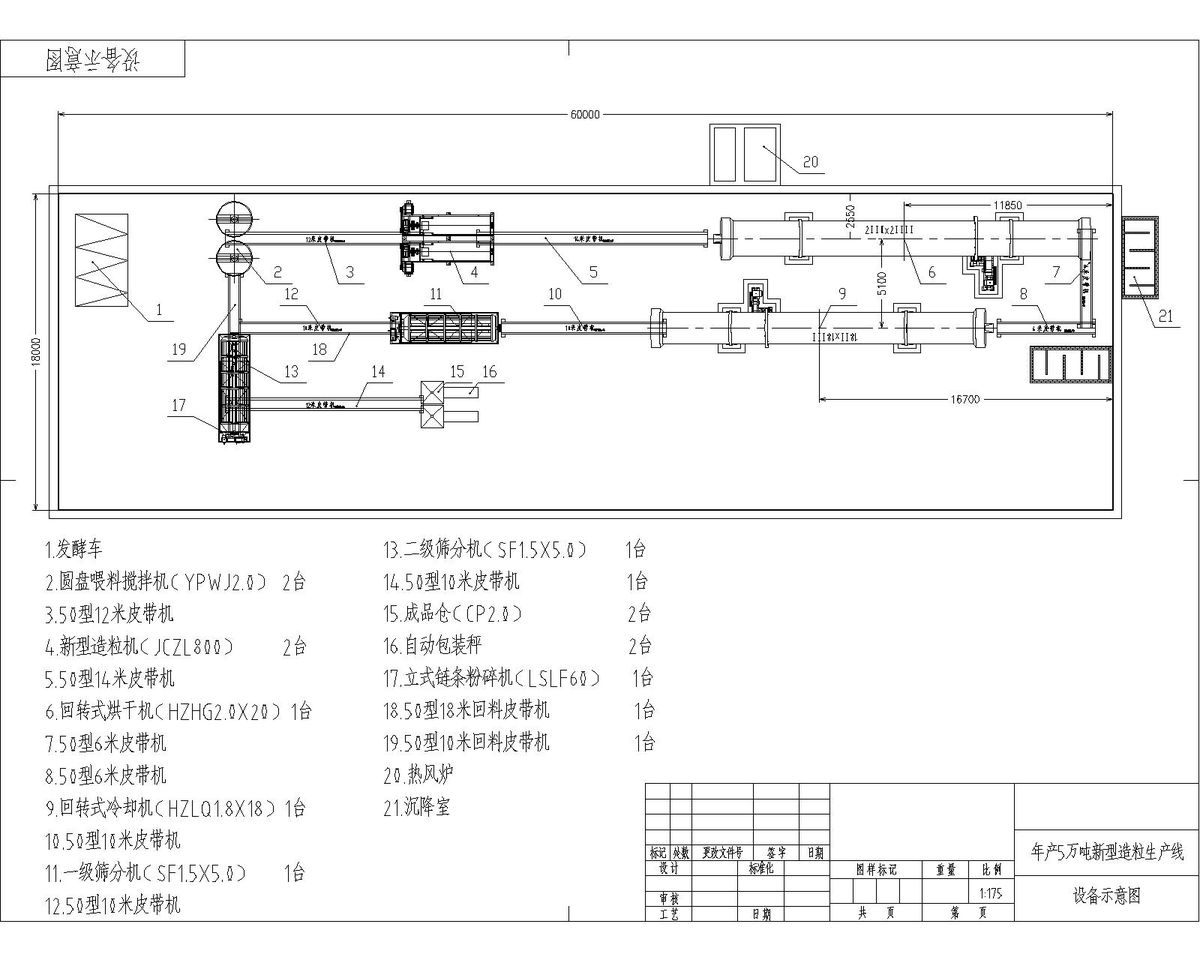
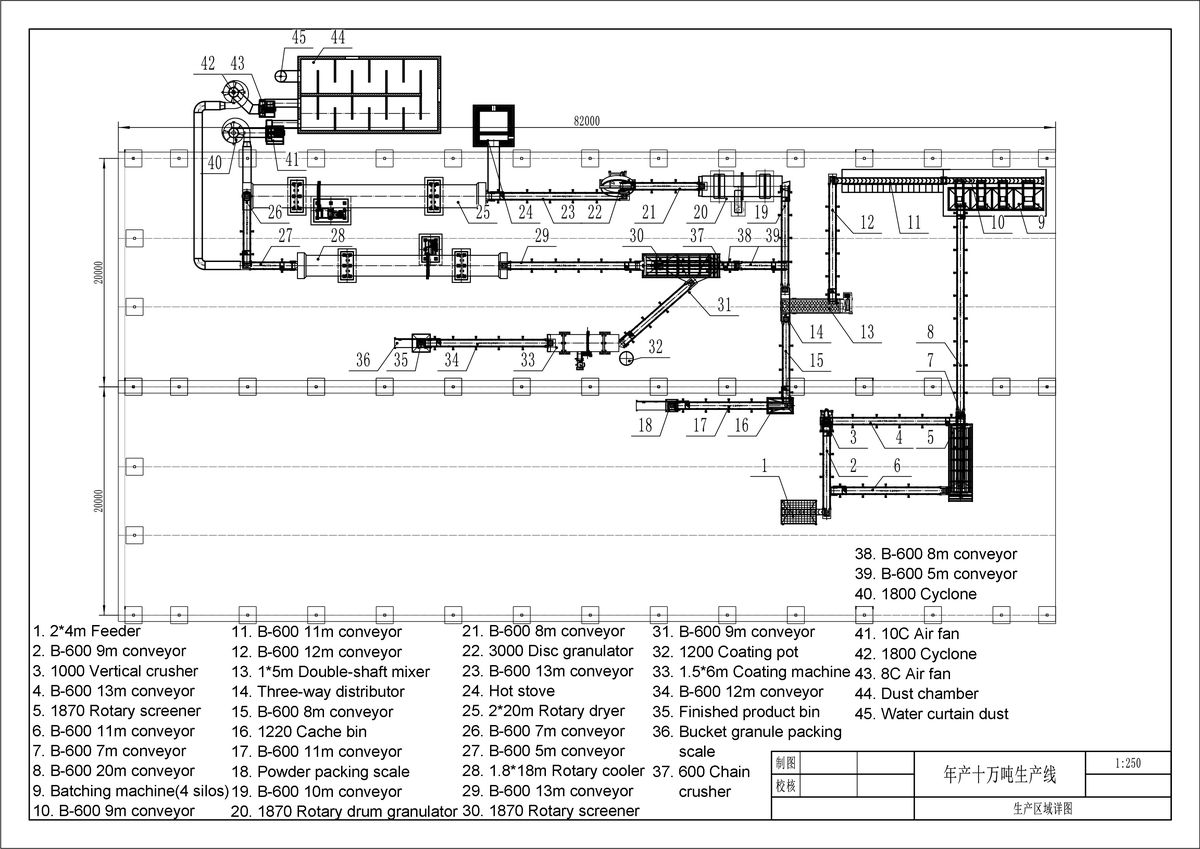
Complete manure fertilizer production lines from 1 to 30 t/h: separation, fermentation, batching, granulation, drying,…
Read more →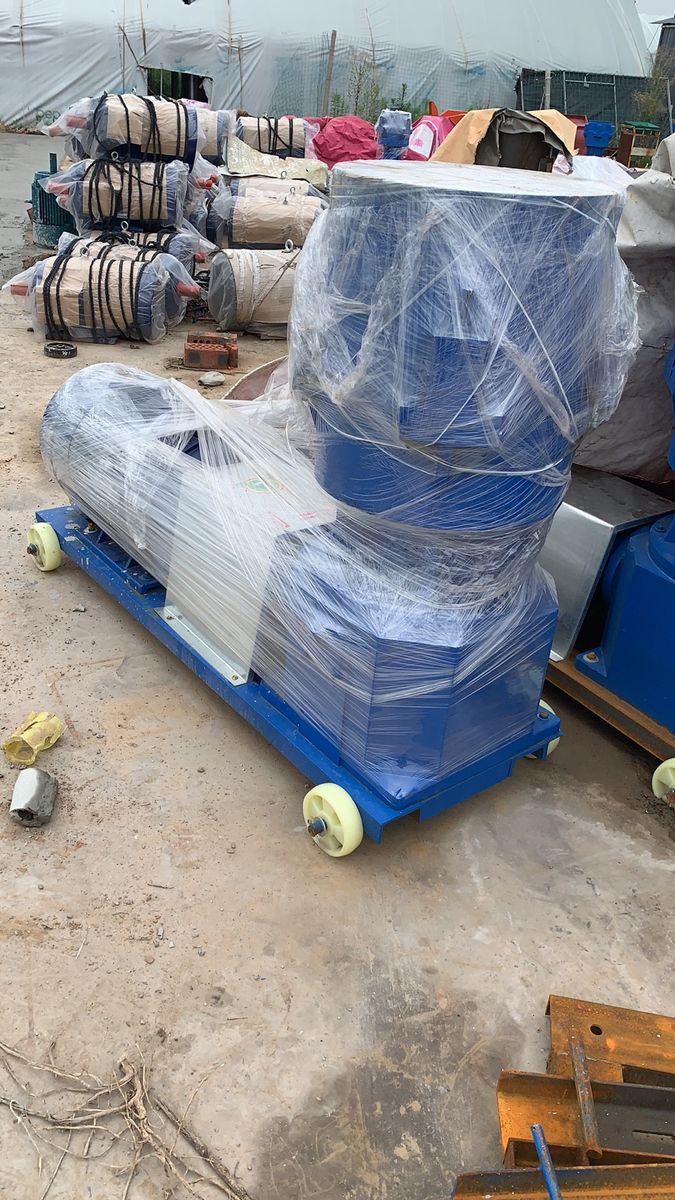
Manure fertilizer machines that turn compost into a product: granulators, pellet machines, powder lines, coaters, cool…
Read more →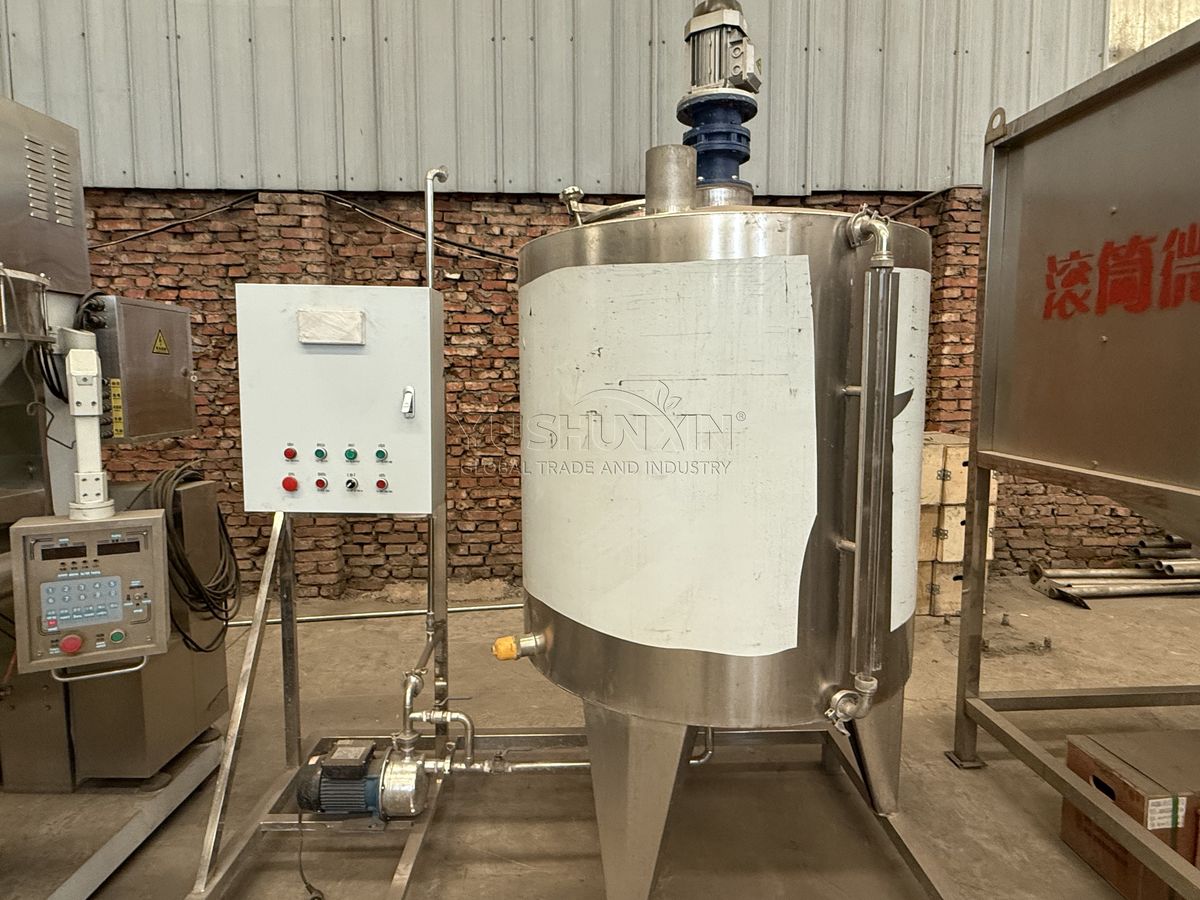
Answers to the questions we are asked most about manure processing: composting methods, equipment selection, plant are…
Read more →What a manure fertilizer plant costs and why: the five cost drivers, budget bands by plant scale, operating cost per t…
Read more →Send your raw material, target capacity and country. Our engineers reply within one working day with a process route, equipment list and budget.
Send us your raw material and target capacity — we will propose the process, the machines and the budget.
Send your raw material and target capacity — our engineers reply within one working day with a process route, equipment list and budget.
Our engineering team will reply within one working day. For anything urgent, message us on WhatsApp.
Open WhatsApp