
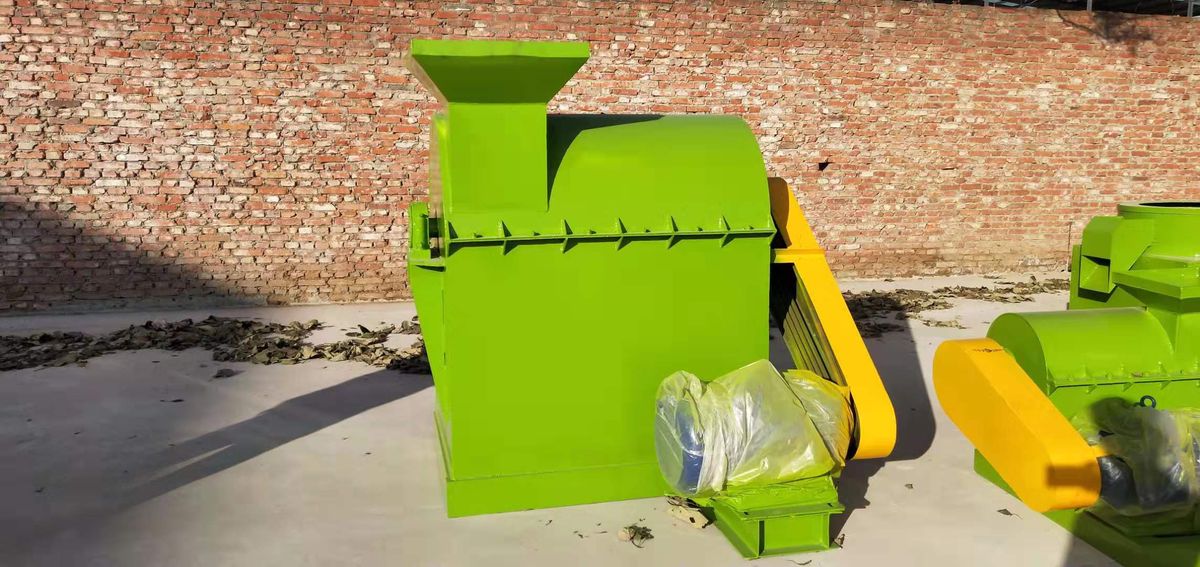
Crusher
Semi-wet or chain crusher reducing the compost below 3 mm. This is the machine that decides the granulation rate.
View details →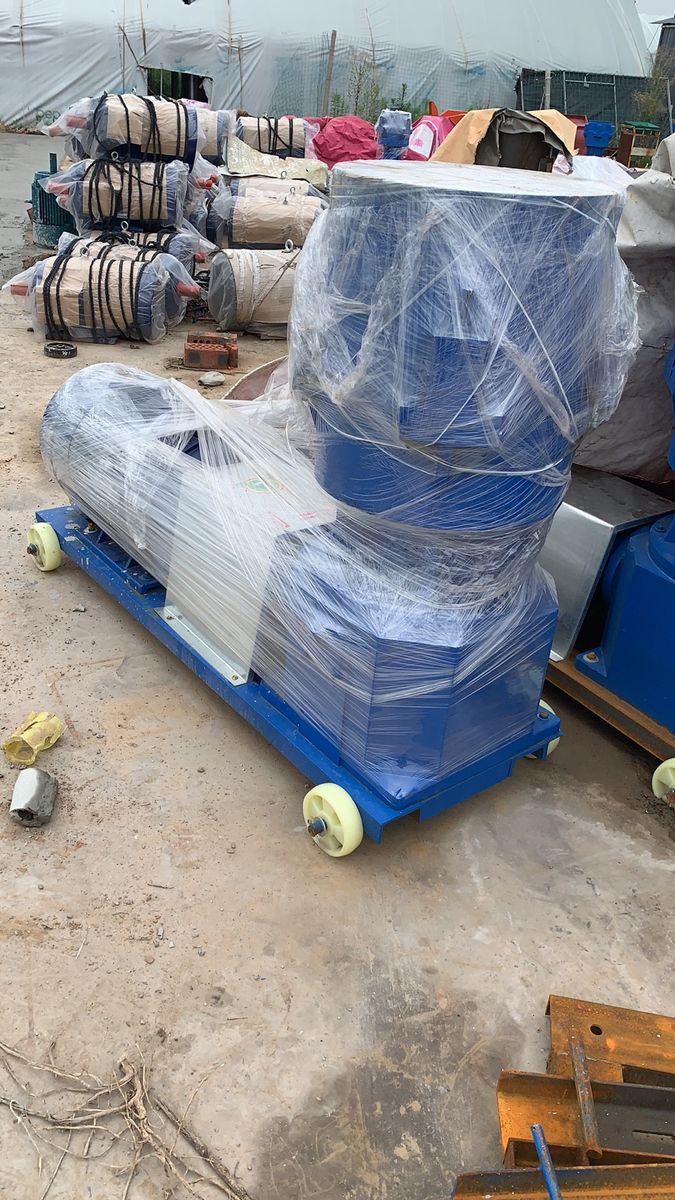
Compost is one of the harder materials to pelletise because it is fibrous, variable and often already partly dry. The right machine and binder make the difference between pellets and dust.
Manure compost arrives at the granulator with a certain natural stickiness, because the residual organic matter and moisture hold particles together. Compost made from mixed green waste, garden waste or municipal organics is different: it is more fibrous, lower in nitrogen, often more variable in particle size and frequently drier than manure compost. Those differences change the binder dose, the moisture setting and sometimes the choice of granulator.
The most common problem we are asked to solve on a compost pellet line is a low granulation rate. The cause is almost always the same: the compost has not been crushed finely enough. Fibrous compost needs a semi-wet or chain crusher working down below 3 mm, and the more of the material below 1 mm, the more reliably the granulator will build a pellet. A fine, well-mixed feed with the right binder will granulate at 90% or better; a coarse feed will not, no matter what is done at the granulator.
The second factor is binder. Because compost is lower in nitrogen and less sticky than manure, it usually needs a slightly higher binder dose. Bentonite and lignite are economical and effective; starch gives the strongest pellet; humic acid and molasses raise the organic matter content, which matters if the product carries an organic-matter claim on the bag.
Semi-wet or chain crusher reducing the compost below 3 mm. This is the machine that decides the granulation rate.
View details →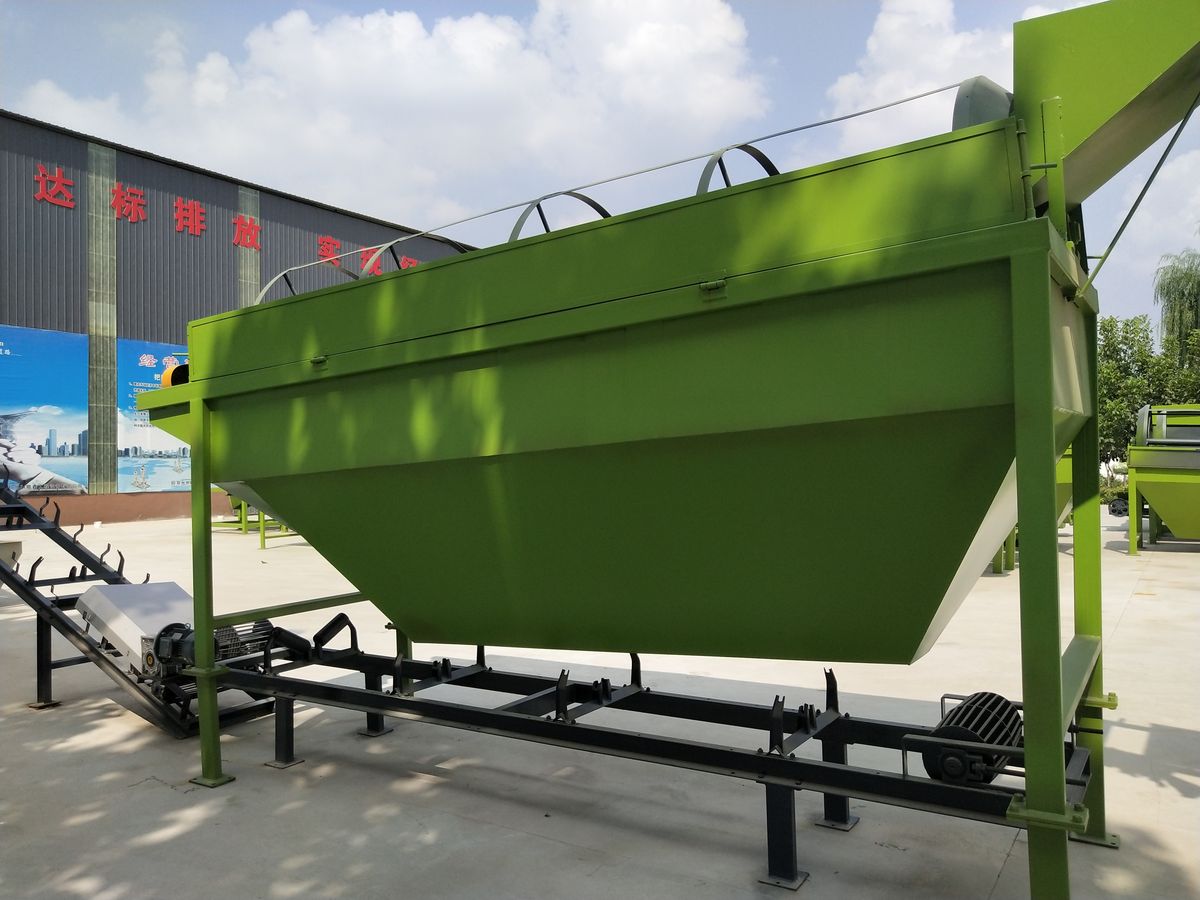
Rotary drum screen with a rubber-ball anti-blinding system, removing stones, glass and plastic and grading the feed.
View details →Horizontal mixer that disperses binder and any additives evenly through the batch so that pellet hardness is consistent.
View details →Disc, stirring-tooth or rotary drum granulator producing 2–5 mm pellets. Stirring-tooth machines handle fibrous compost best.
View details →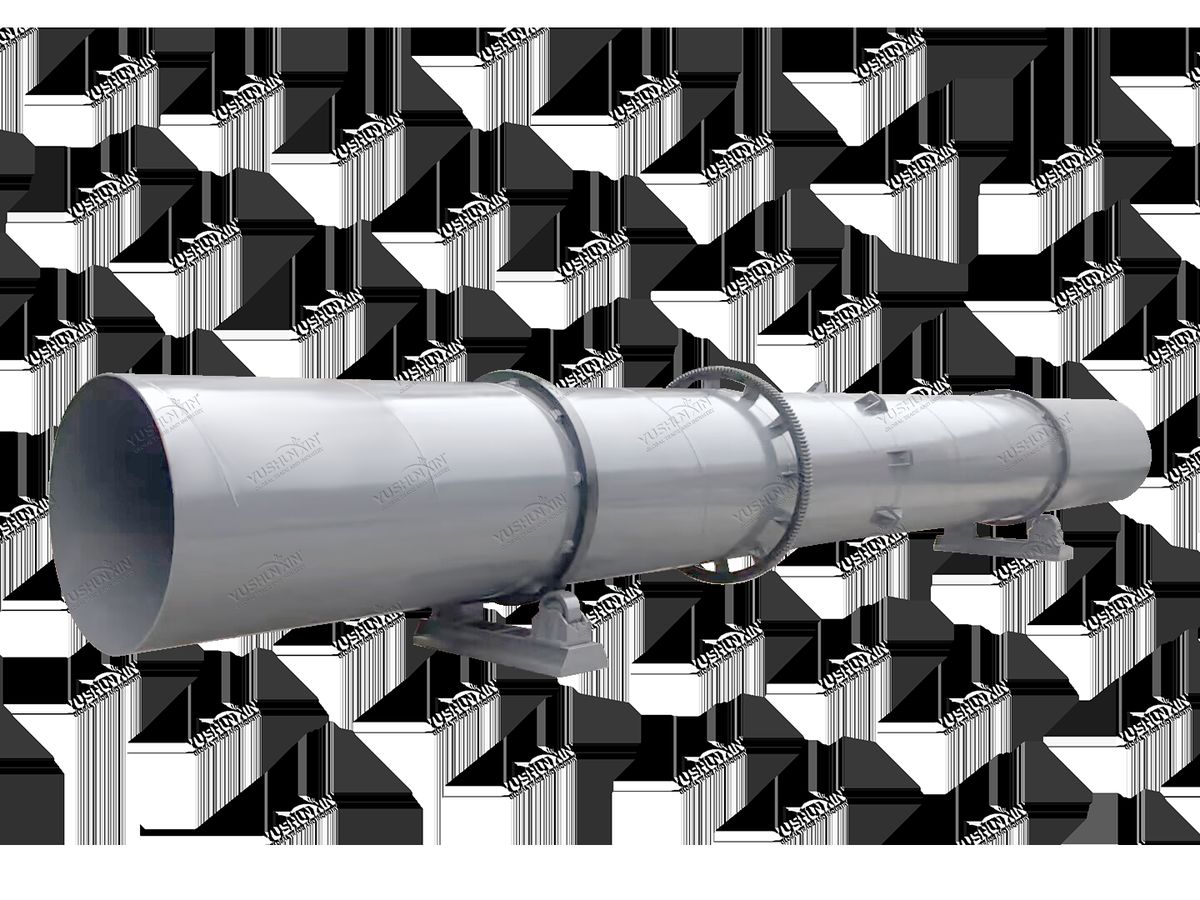
Rotary dryer to 12–14% moisture and a cooling drum to below 40 °C. Compost pellets are prone to cracking if cooled too quickly.
View details →Drum coater to prevent caking, then a screener that grades pellets and returns oversize and fines to the granulator.
View details →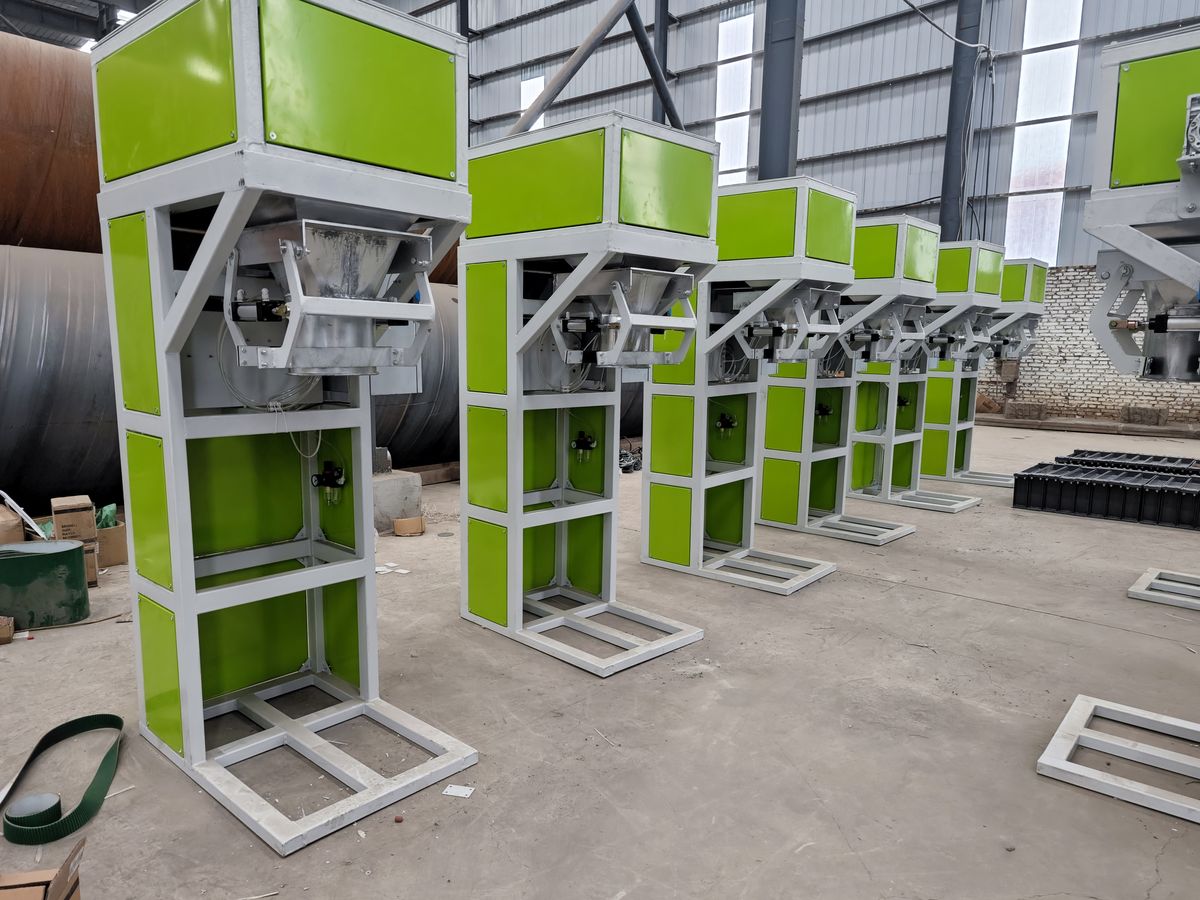
Weighing and sealing into 25 kg, 40 kg or 50 kg bags, or into bulk bags for landscape contractors.
View details →| Binder | Typical dose | Effect on the product | Best for |
|---|---|---|---|
| Bentonite clay | 2–5% | Adds no nutrients; increases bulk slightly | Cheapest route where the label carries no nutrient claim |
| Lignite / leonardite | 2–5% | Adds humic substances and darkens the pellet | Products marketed on humic acid content |
| Humic acid | 1–4% | Raises organic matter and improves soil effect | Premium organic fertilizer for horticulture |
| Starch | 1–3% | Strongest bond; least effect on analysis | Where pellet hardness and abrasion resistance matter most |
| Molasses | 3–8% | Improves binding and adds a carbon source | Products where a dark, sweet-smelling pellet is acceptable |
| Recycled fines | 5–15% | Free binder that also carries the formula back into the mix | Every line — the return circuit reduces binder requirement |
A compost pellet machine is a kind of fertilizer machine which can make manure compost into fertilizer pellets in a short time. It is often used in commercial organic fertilizer production line. It can help you get enough fertilizer capacity to meet your requirements. At the same time, it can be more convenient to turn powder into pellets fertilizer. There are several types of compost pellet granulator machine for your reference. Our engineers design a new granulation facility for your organic granulation fertilizer production line. Meanwhile, for small scale fertilizer production line disc granulator is enough for you to use. All of granulation machine adopts advanced wet granulation technology for making powder into pellets. Finally, there are preferential price we can provide with you.
If you are interested in this machine, Please contact us!
There are several typical processes of making powder into pellets fertilizer. Now we will tell you details below:
The composting process us very necessary. You can do outdoors where the product is accumulated on piles. Then you can use mechanical turning machine to turn the piles alternatively. Therefore, a right fermentation is very important for composting. There are several types of compost turning machine for your reference. Windrow turners and groove types are very useful for you to ferment, especially economic moving type compost turner. Besides, organic fertilizer fermentation tank/tank can also meet your requirements.
This process can help you completely crush material into powder by compost crusher. As we know, the suitable materials of making pellets fertilizer is powder. So our fertilizer crushers can give you a good choice.
Aiming to this process, You can add N, P, K and other chemical elements, needed nutrients by plants and soil. By this way, it can be good for our plants and soil. On the other hand, fertilizer mixer can mix the material evenly which can make fully use of materials. Therefore, our company designs suitable fertilizer equipment, fertilizer mixers, for our clients. There are several types of organic compost fertilizer mixers for reference, especially new type vertical crusher in our company. It is special offer for you.
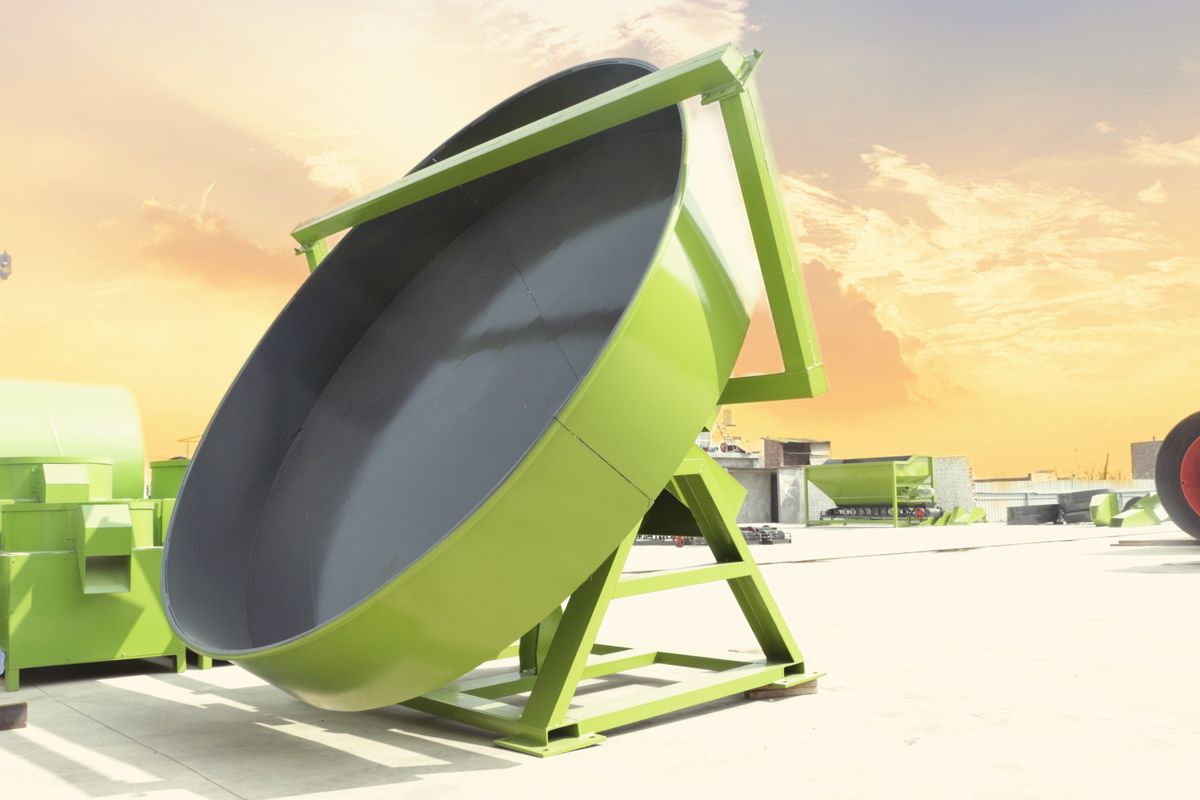
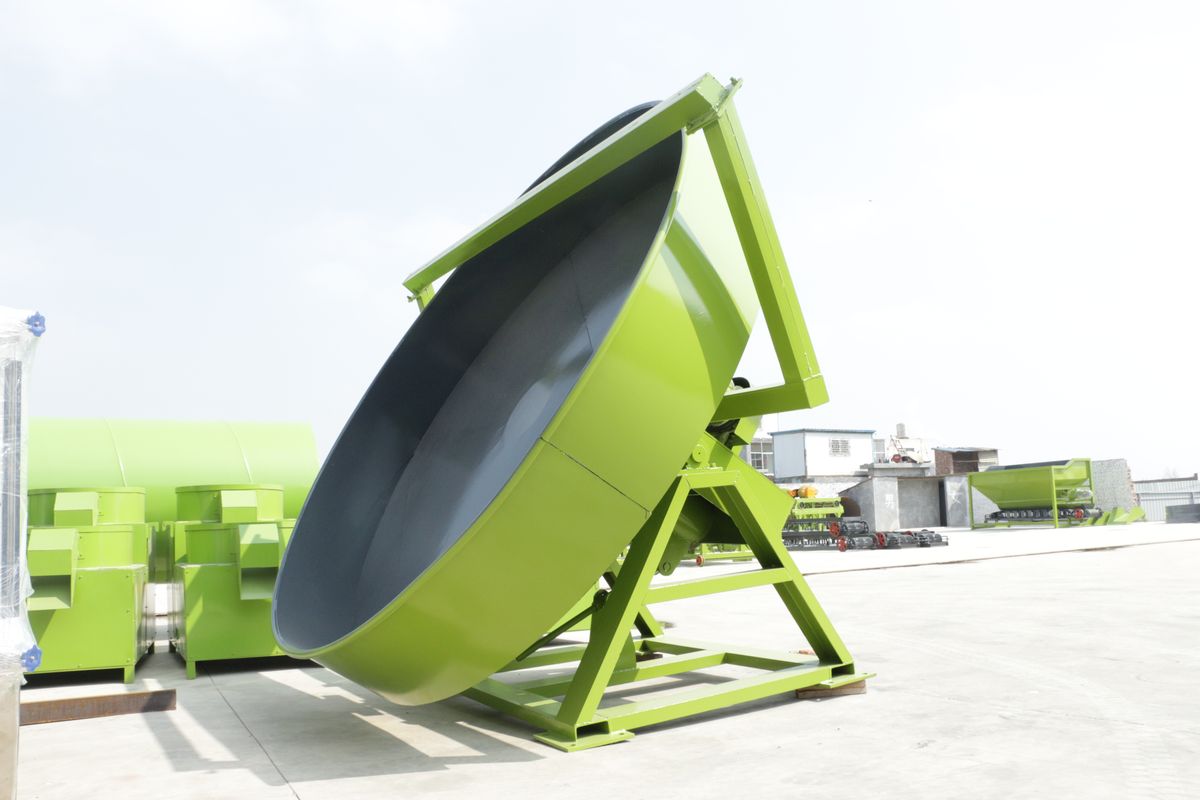
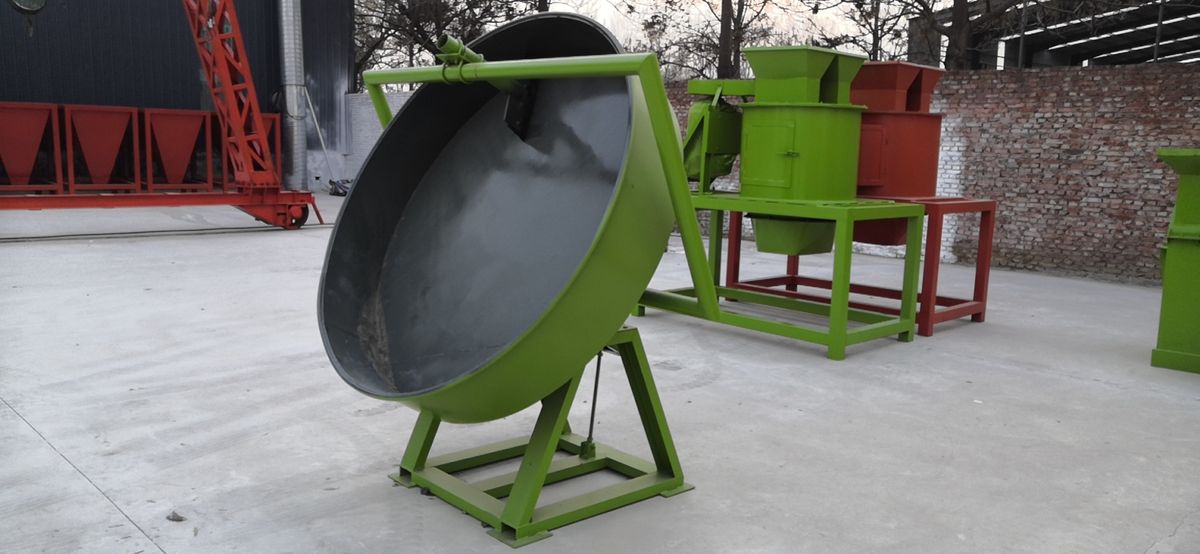
To be honest, It is the key to make pellets fertilizer. The material is entering in the pellet mill passing through the conditioner – granulator machine. There are several types of organic compost pellet machine in our company for your reference – new type organic fertilizer granulator, rotary drum stirring granulator, disc granulator. Chief of all, compost pan granulator can not only be suitable for organic fertilizer, but also compound fertilizer. Pan granulation machine is worth for you to use.
After pelleting, the granules are so wet that we need to dry for its convenient transportation. Meanwhile, you can sell fertilizer in a short time. It plays an important role for commercial fertilizer production.
After pelleting the product is very hot. Therefore, it is necessary to cool the product the product at approximately +5℃ in respect to the room temperature. In order to give it the right hardness and the best consistence to store and handle it.
Using a screen machine, the powders and other unqualified powder will be separated. You can get qualified pellets fertilizer with fertilizer screener.
The pelleted product is conveyed to the silo for storage before delivery. It can be delivered in bulk, loaded on trucks or packed in sacks or big-bag. The machines for packaging could be manual, semi-automatic or automatic, based on the request production. What about your requirement?please tell me as soon as possible.
Reportedly, the fresh manure is not available for plants and soil. Because the heat generated in the fermentation process will burn the roots of plants and corns, even damage soil structure. On the other hand, the dry cow dung has little nutrition and it is not helpful for the plants growing. So fermented manure is necessary in the process of making fertilizer. As for making better organic fertilizer and preparing powder materials of granulator, it is better for you make a compost. There are three ways for you to choose in our company– windrows composting, groove type composting, fermentation tank composting. Among of them, all of them can meet your needs.
Manure pellets are rich in nutrients. Animals can only digest partial nutrient and the rest will stay in the manure. Therefore, compost pellet machine can help you make them fully use.
The organic matter in compost pellets improve the soil condition. it can make the soil more suitable for the growth of plants and corns.
This organic fertilizer promotes the propagation of microorganism in soil, which is good for soil fertility.
Making manure, organic waste into organic fertilizer is a kind of process of turning waste into wealth. To some extent, it reduces the environmental pollution, especially gas pollution.
Processed manure/fertilizer are good for our plants not fresh waste/manure. Therefore, using our compost pellet machine is necessary to produce high quality pellets fertilizer.
All of those materials is from organic waste so that our cost is so low. Therefore, it contributes to the economic growth. Meanwhile, it is helpful for the economy to make commercial organic fertilizer.
Photographed in our Xingyang workshop and on customer sites. Watermark-free, no phone numbers.
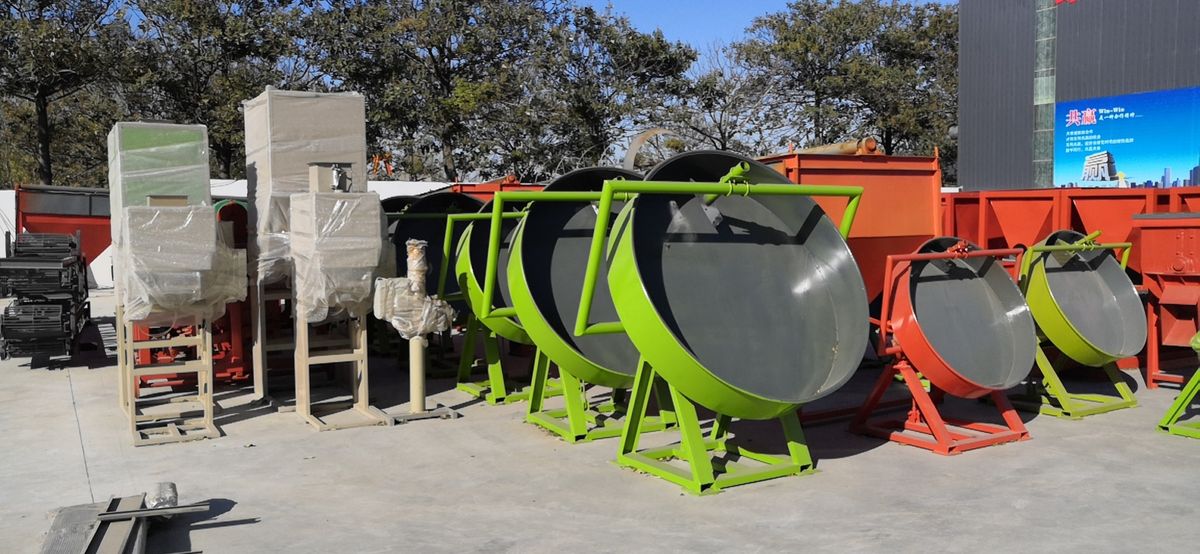
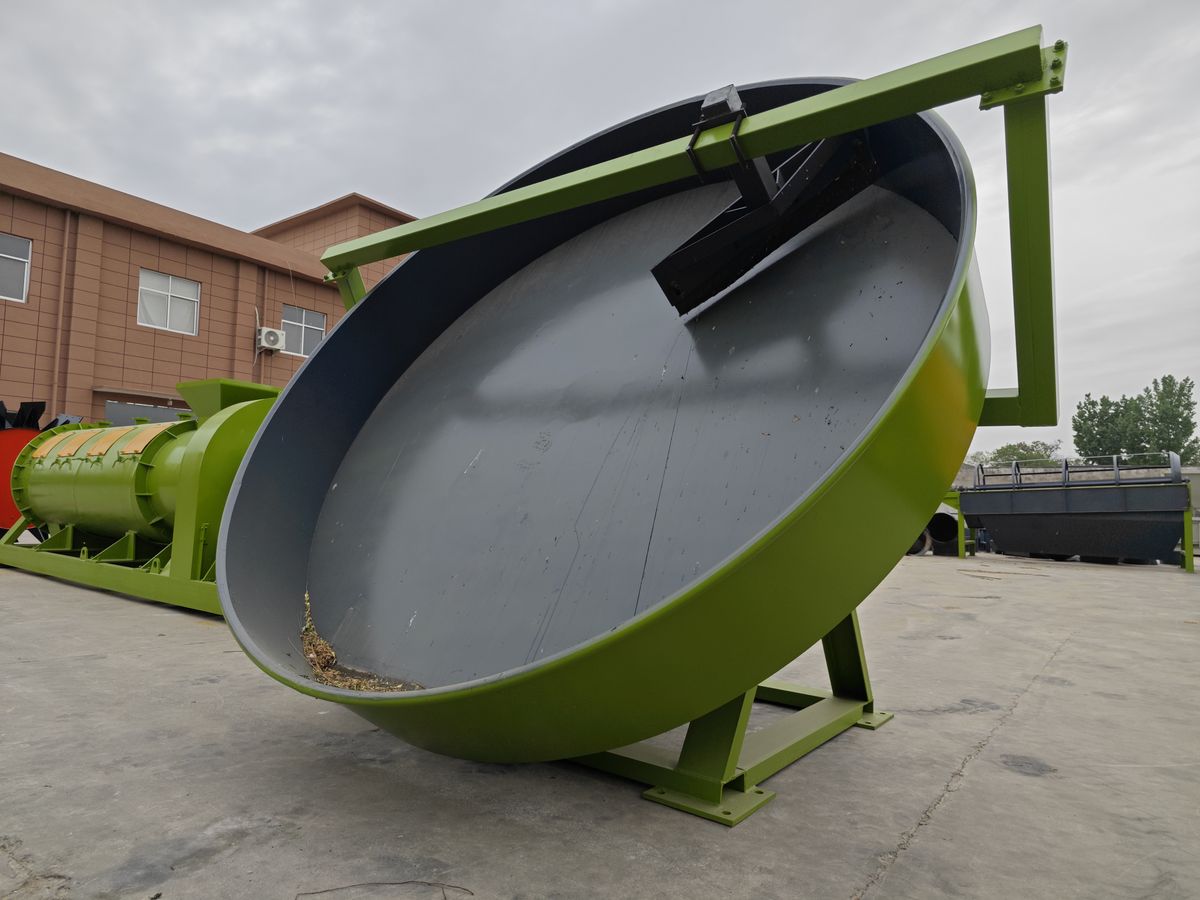
Most mature compost can be pelletised with the right crusher, binder and moisture settings, but some composts are difficult: very high-fibre compost that will not crush fine, compost with a high sand or grit content, and compost that has already dried below 15% moisture and will not re-wet evenly. A granulation test on a sample of your own material answers the question definitively.
For fibrous compost the stirring-tooth (new type) granulator is the best choice, because it uses a combination of aerodynamic force and mechanical stirring and reaches granulation rates up to 97%. A disc granulator works well on finer, more uniform compost and costs less. A rotary drum granulator is suitable at higher capacities but has a lower granulation rate, so it needs a well-designed return circuit.
They benefit from one, particularly if they will be stored more than a few weeks or shipped in humid conditions. A drum coater applies a powder or liquid film that prevents pellets sticking together and reduces dust. It is a small machine relative to the granulator and dryer but it produces a disproportionate improvement in how the product behaves after storage.
About 30% for wet granulation, within a working band of 25–35%. Compost is often drier than manure compost, so water is usually added at the granulator through a spray system. If the compost is below 20% moisture it will not granulate reliably, and if it is above 35% the pellets deform and the screen blinds.
The granulator itself is a modest part of the line: the crusher, screener, dryer, cooler, coater, conveying and bagging usually add up to more than the pellet machine. Send us your compost type, daily tonnage and target pellet size, and we will specify the complete set with a budget rather than quoting the granulator in isolation.
Manure fertilizer machines that turn compost into a product: granulators, pellet machines, powder lines, coaters, cool…
Read more →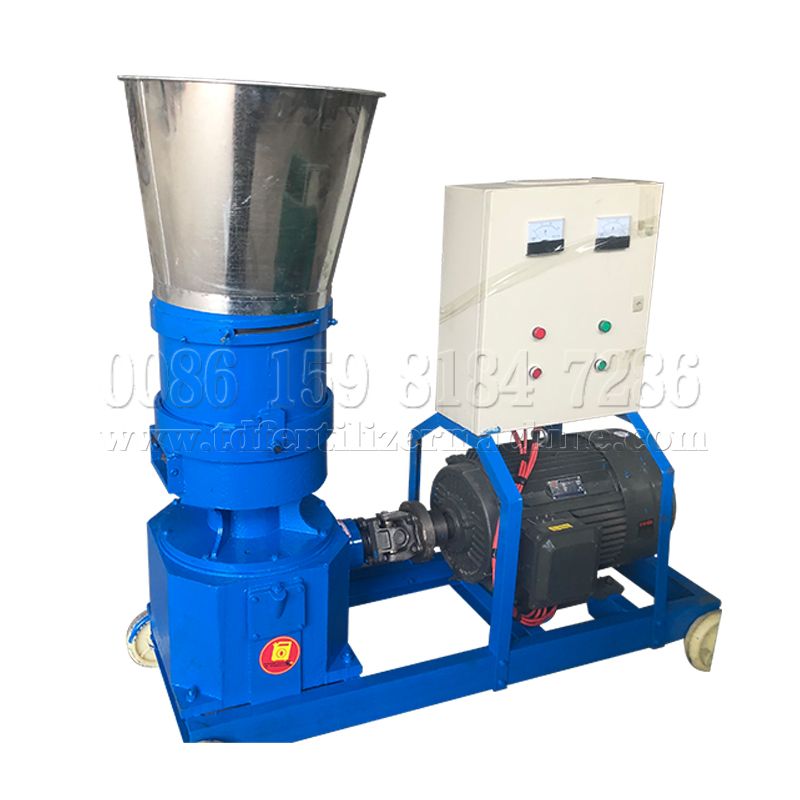
Manure pellet machines that turn fermented compost into uniform organic fertilizer pellets: disc, drum, stirring-tooth…
Read more →Compost shredder machines that crush caked manure and compost below 3 mm: semi-wet crushers, chain crushers, cage mill…
Read more →Compost screening equipment that grades manure compost into powder fertilizer and separates oversize, stones and plast…
Read more →Send your raw material, target capacity and country. Our engineers reply within one working day with a process route, equipment list and budget.
Send us your raw material and target capacity — we will propose the process, the machines and the budget.
Send your raw material and target capacity — our engineers reply within one working day with a process route, equipment list and budget.
Our engineering team will reply within one working day. For anything urgent, message us on WhatsApp.
Open WhatsApp