
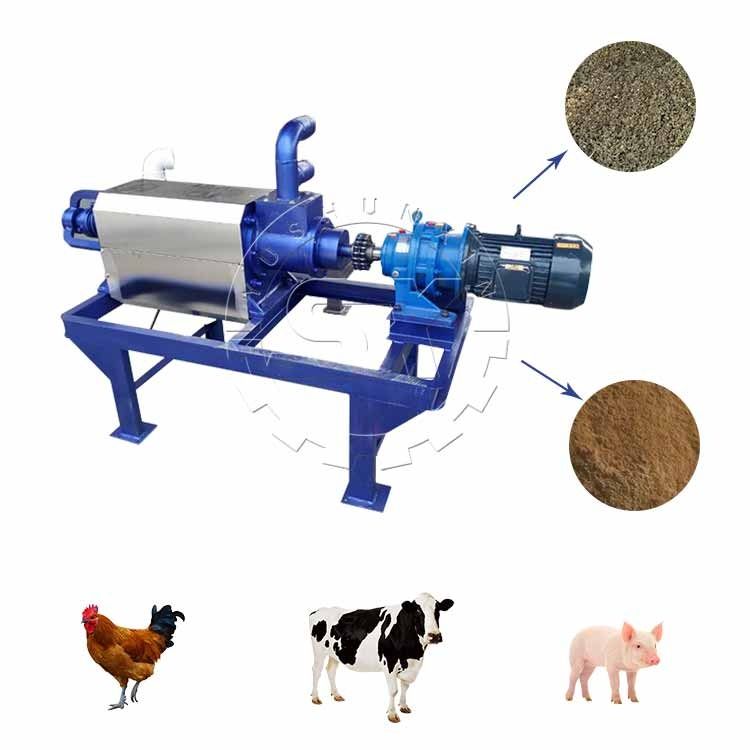
Cow dung dewatering machine
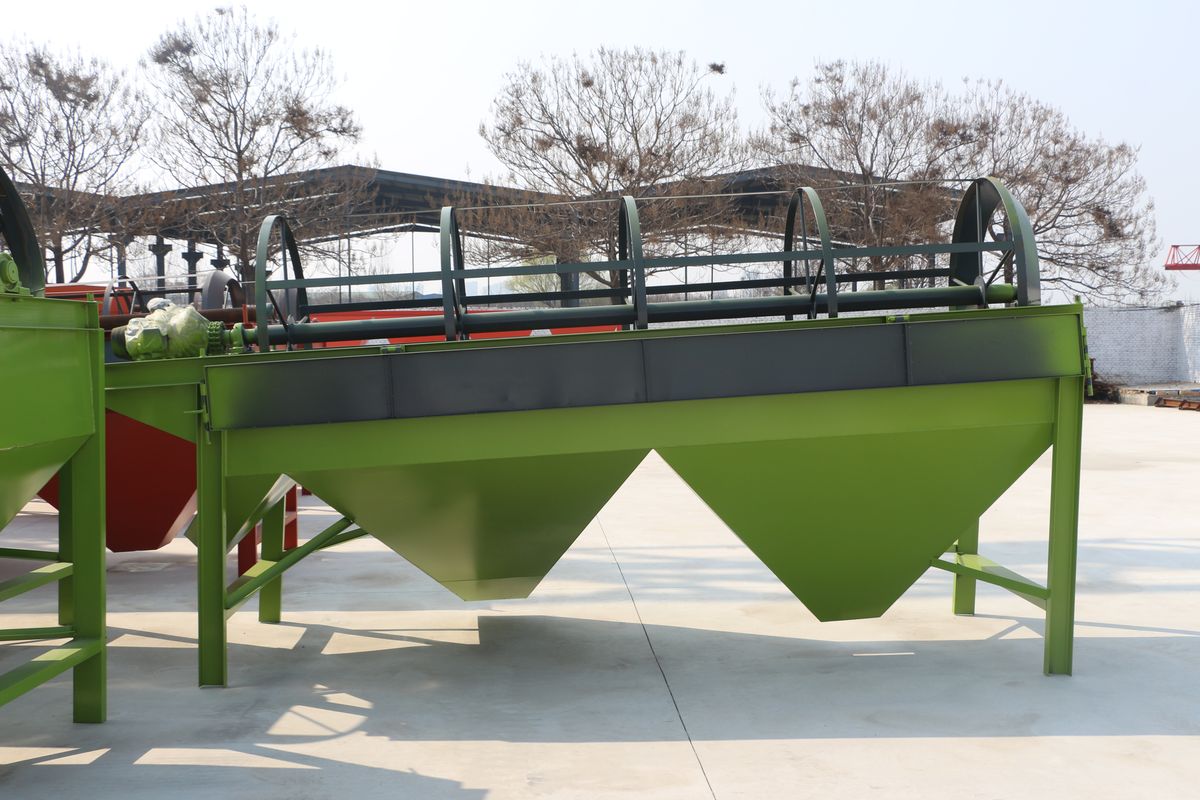
Screw-press or inclined-screen separation takes fresh cow dung from 80% to 55–65% moisture, which is what makes piling and turning possible.
View details →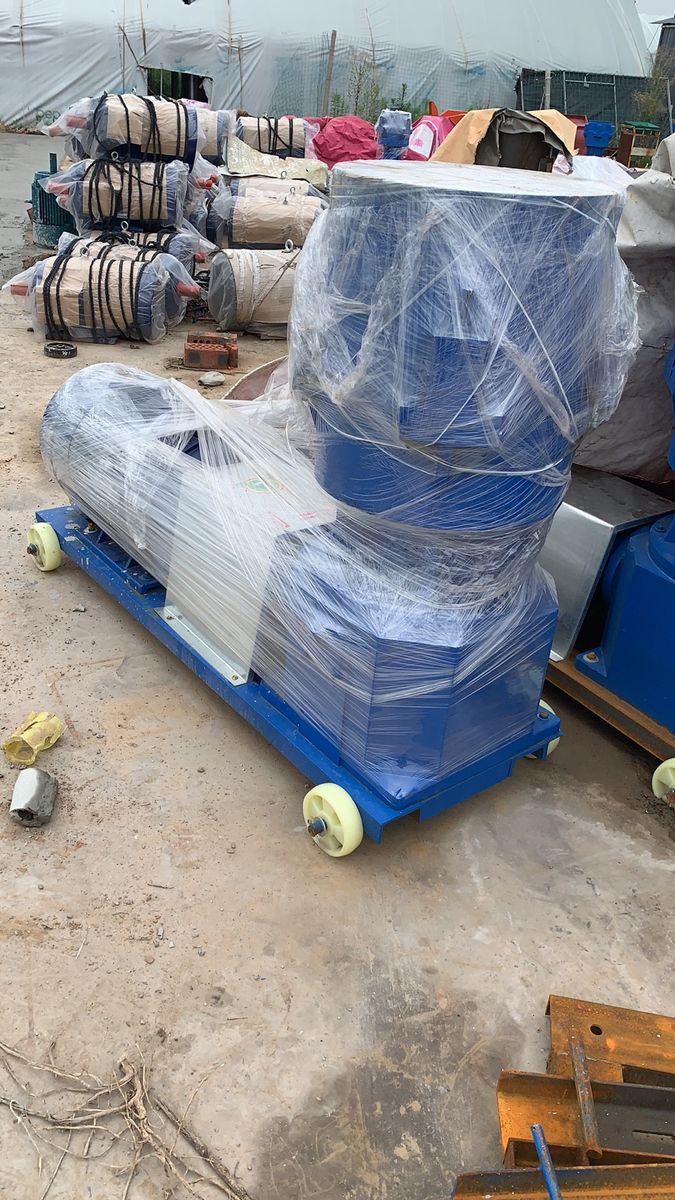
A complete cow dung fertilizer system: dewater the fresh manure, ferment it, then produce either organic powder fertilizer or 3–5 mm organic pellets ready for sale.
Cow dung is the most widely used raw material in organic fertilizer production, and for good reason. A single dairy cow produces around 15–20 tonnes of manure a year. It is rich in organic matter, it composts easily once the moisture is brought under control, and the resulting humus improves soil structure and water retention in a way that mineral fertilizer cannot. In most markets there is both a farm-level and a commercial market for cow dung fertilizer.
The cow dung fertilizer machine line begins with solid liquid separation, which removes 40–50% of the water and turns a slurry that cannot be handled into a moist solid that can be piled, turned and processed. From there the route splits. A powder line ferments, crushes, screens and packs the compost with the smallest possible investment. A granule line adds binder mixing, disc or drum granulation, drying, cooling, screening, coating and automatic bagging, and sells at a substantially higher price per tonne because the product is uniform, dust-free and easy to spread.
The equipment list is completed by the machines that are easy to overlook and expensive to omit: a crusher that produces consistent particle size, a screener with a proper return circuit, a mixer that disperses the binder evenly, and a bagging machine that gives every sack the same weight. Those four determine what the customer sees when they open the bag.
Screw-press or inclined-screen separation takes fresh cow dung from 80% to 55–65% moisture, which is what makes piling and turning possible.
View details →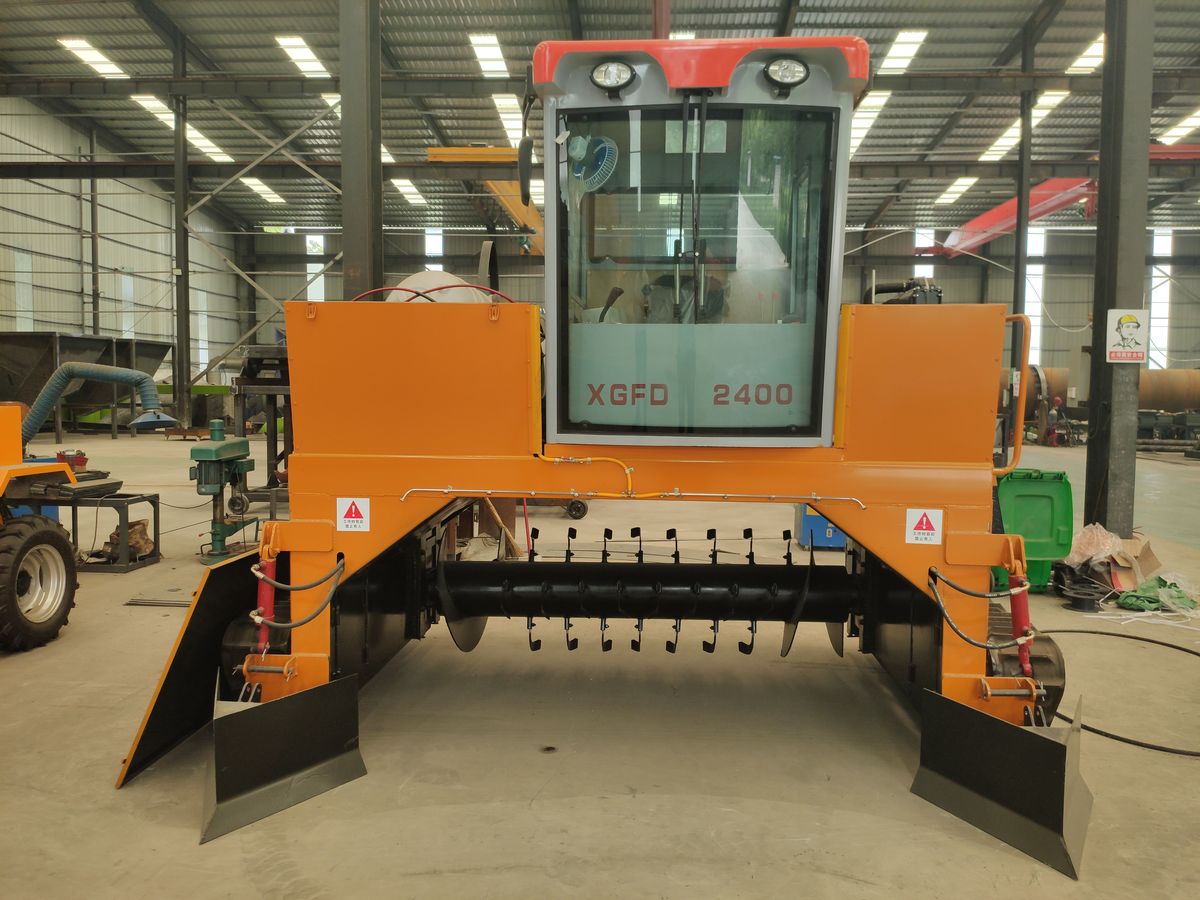
Groove-type, wheel-type, crawler, self-propelled or forklift-mounted turners. Turning remixes the pile, supplies oxygen and controls the temperature through the thermophilic phase.
View details →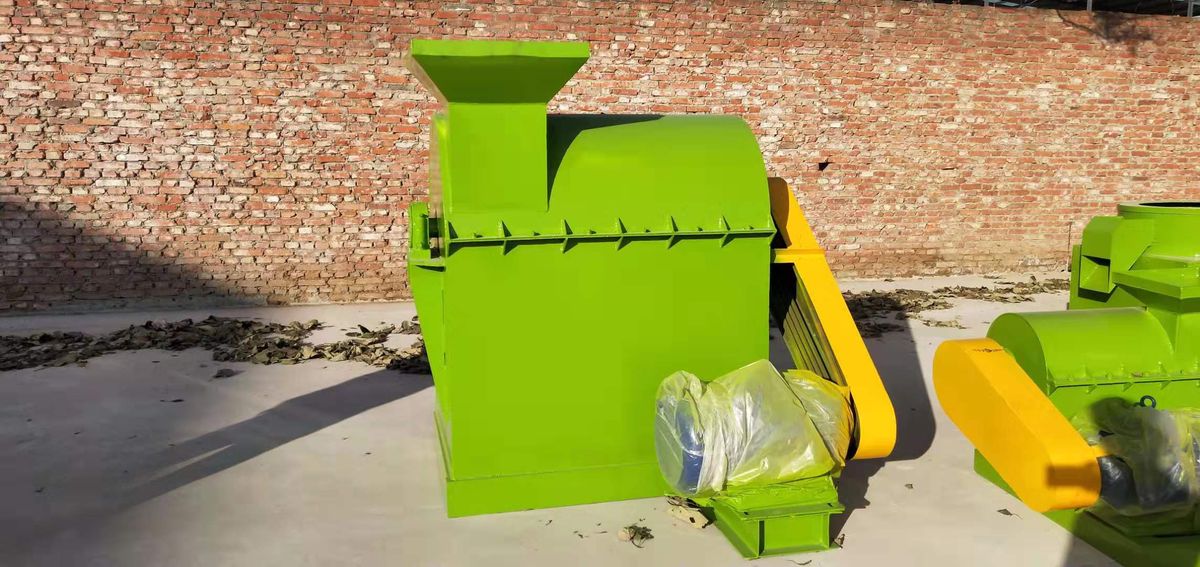
Semi-wet or chain crushing to below 3 mm eliminates caking and produces the fine, uniform compost that granulates well.
View details →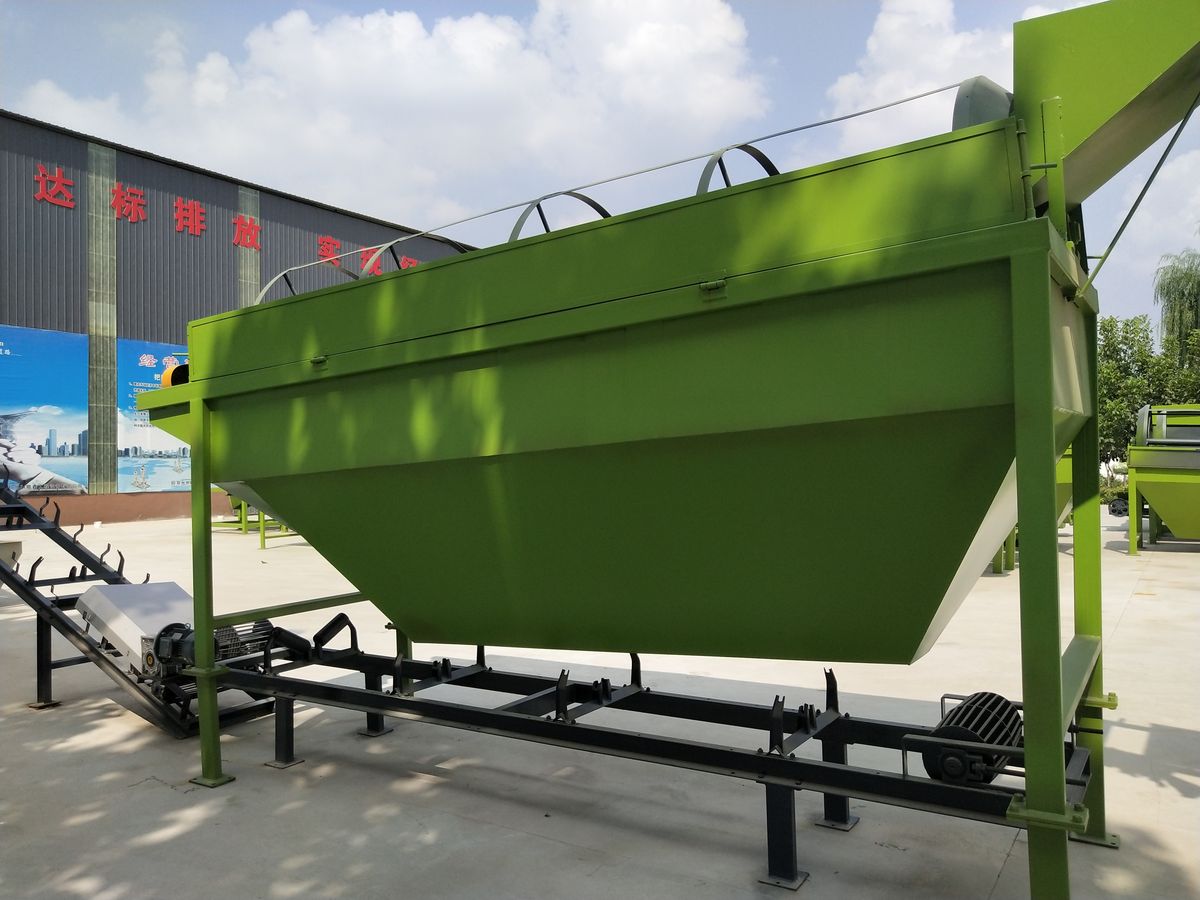
Rotary or vibrating screens with two or three levels remove impurities and grade the product into a consistent mesh or pellet size.
View details →Horizontal or disc mixers blend compost with binder, humic acid and mineral nutrients so that the batch analysis is repeatable.
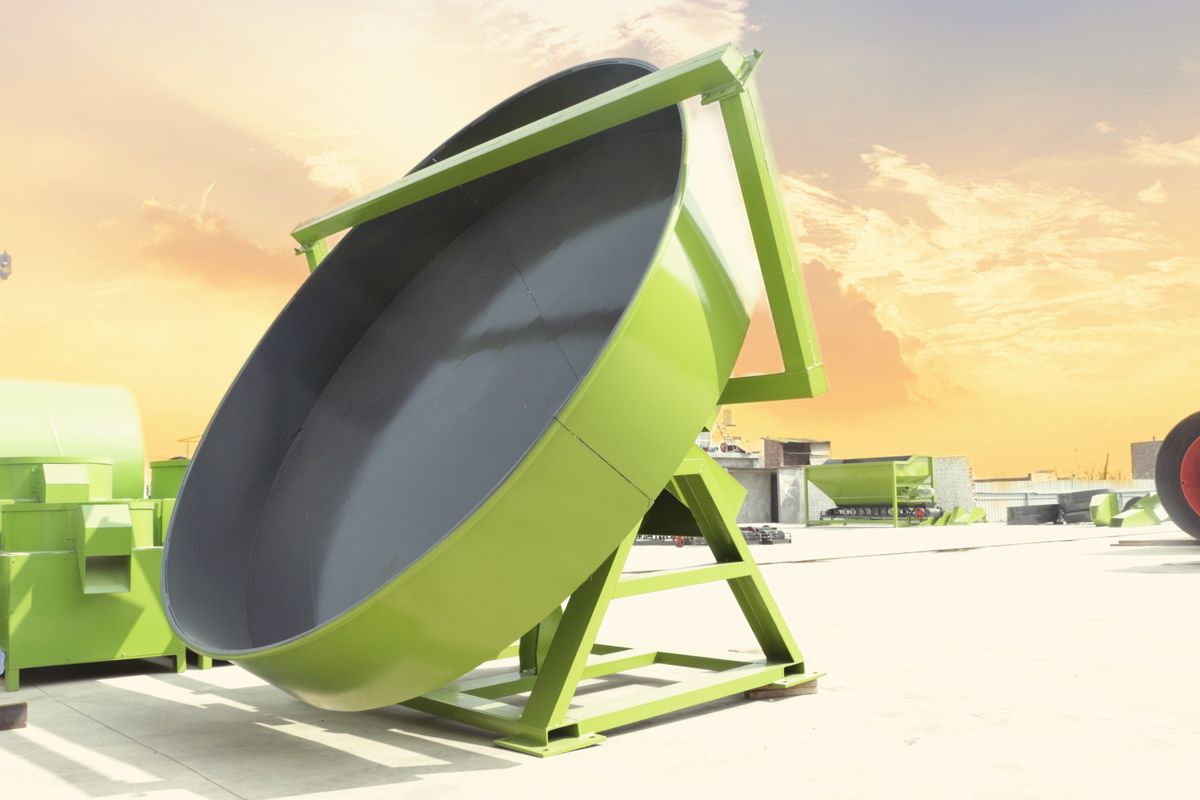
View details →Disc, stirring-tooth or rotary drum granulators that form 3–5 mm cow dung pellets at 25–35% moisture.
View details →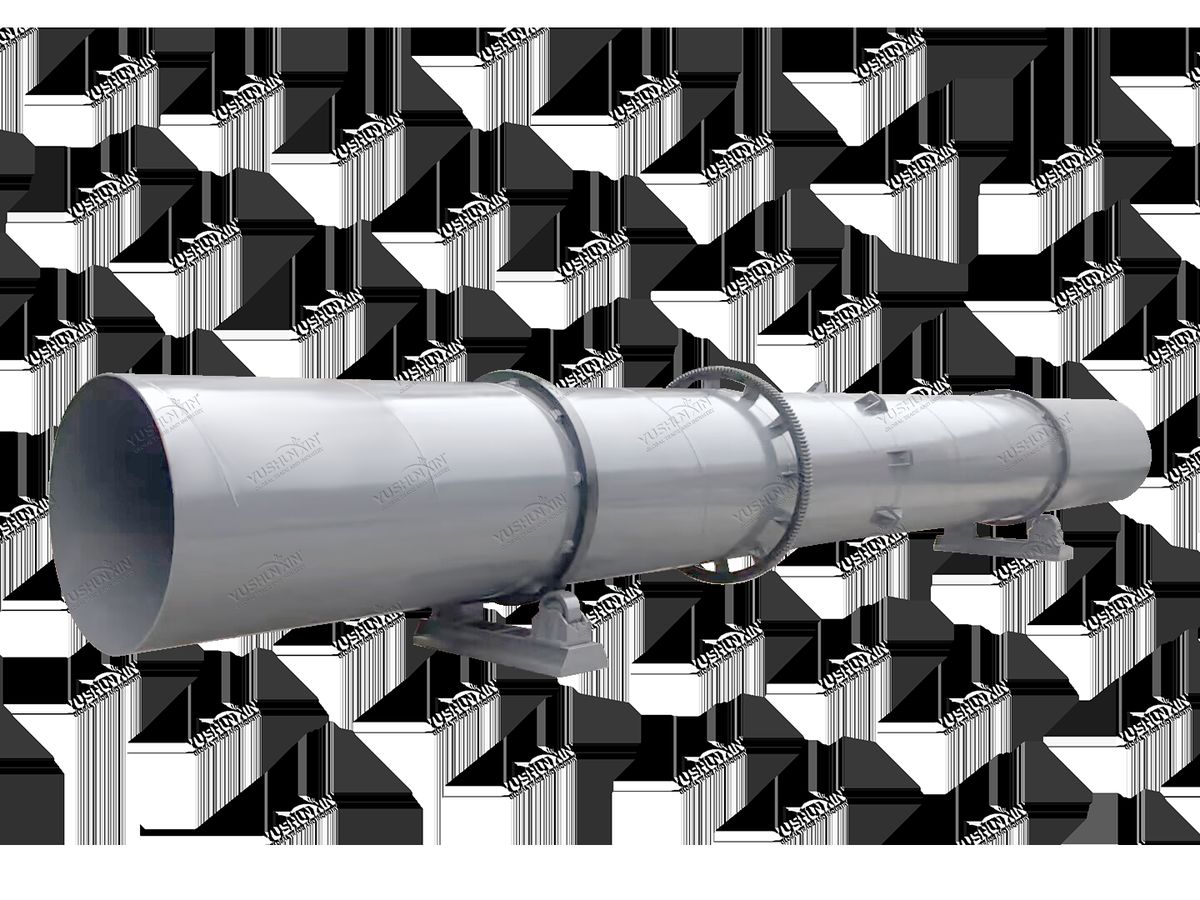
A rotary dryer brings pellets to 12–14% moisture and a cooling drum brings them below 40 °C before bagging.
View details →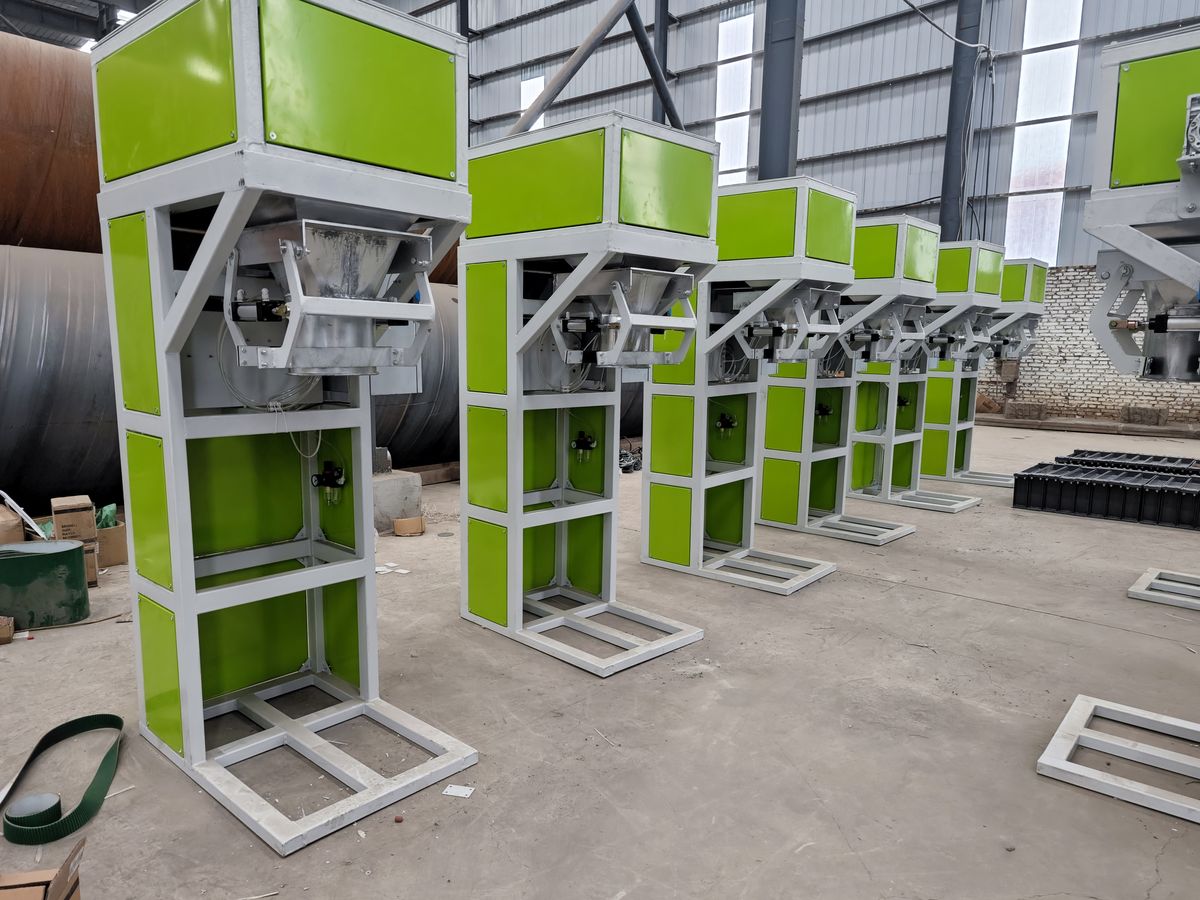
Semi-automatic or fully automatic weighing and sealing into 25 kg, 40 kg or 50 kg bags, with conveying and palletising.
View details →| Capacity | Raw cow dung per day | Cattle equivalent | Recommended configuration |
|---|---|---|---|
| 1 t/h powder | 8–10 t/day | 50–70 head | Separator, self-propelled turner, semi-wet crusher, rotary screener, packing scale |
| 2 t/h powder | 16–20 t/day | 100–140 head | Separator, crawler turner, forklift feeder, chain crusher, screener, horizontal mixer, automatic packer |
| 5 t/h granules | 40–50 t/day | 250–350 head | Separator, groove turner, cage mill, batching, disc or stirring-tooth granulator, dryer, cooler, coater, screener, packer |
| 10 t/h granules | 80–100 t/day | 500–700 head | Full automatic line with dynamic batching, rotary drum granulation, large dryer, dust collection, automatic bagging |
| 20–30 t/h granules | 160–250 t/day | 1,000–1,700 head | Multiple fermentation channels, redundant conveying, PLC control, bulk storage and palletising |
As we all know, making cow dung fertilizer is a good way to utilize cow dung. However, how to make cow dung fertilizer and what machines are necessary? We will give you professional introduction here. By composting, you can get nutrient-rich cow dung compost. If you want to make commercial cow dung fertilizer, you need to do more works, such as crushing, mixing, screening, granulating and packing. In order to manufacture high-quality organic fertilizer, cow dung fertilizer machine is necessary for you. And the detailed information of these machines is as below.
Moisture, temperature and oxygen content are three main factors, which directly decide the quality of compost. In terms of moisture, too higher water content will inhibit temperature rise of compost pile and air permeability. Generally speaking, the water content of fresh cow dung is 80%. But the suitable water content for composting is 50% to 60%. Shunxin cow dung dewatering machine is used for removing extra water from cow dung. There are two types manure dewatering machines, cow dung dewatering screw press machine and inclined-screen solid-liquid separator. Both of them can make cow dung with lower moisture. When you deal with cow dung with them, the water content of cow dung can achieve 30% to 45%, which is convenient for both transportation and composting. In addition, the moisture content and output are adjustable. You had better clean it after each use by clean water, so as to prolong service life. Besides dewatering cow dung, Shunxin solid liquid separator is also applied to pig manure composting, goat manure composting, make horse manure fertilizer and other animal manures.
During composting, the regularly stir can release extra heat and add oxygen to compost pile in time. In this way, you can provide favorable conditions for composting. Because the turning of compost pile is frequent in earlier stage, so cow dung composting machine is necessary.
Machines for composting in fermentation grooves: Firstly, you need to build fermentation grooves. Then, the compost turner will move on the paralleled walls of grooves, and its stirring apparatus will crush and turn the materials.
Compost windrow turner: The Shunxin windrow turner can help you to turn all materials from base to top, so as to fully ferment all materials. What’s more, it just needs one operator, which can save time and reduce workforce.
Do you want to know more details? Please send your requirements to us!
As one of cow dung fertilizer machine, compost shredder machine is usually used for crushing fermented organic waste. Whether you want to make cow dung fertilizer powder or pellets, it can eliminate caking and produce fine compost powder for you. The finer the powder, the better the granulation effect. There are three types fertilizer crusher, new type vertical crusher (pulverizing blade plus chains), semi-wet material crusher and hammer crusher (for large scale production). In addition, the capacity of the former two crusher ranges from 1 ton/h to 8 ton/h. You can choose suitable one, according to the scale of cow manure composting and production.
Screening machine is used for selecting out impurities from organic fertilizer or separate unqualified fertilizer pellets, so as to guarantee the quality and homogenous size. Generally speaking, screening machine has certain inclination and three screening levels (which can be customized, according to your requirements on the size of final products). Rotary screen machine adopts screen mesh and rubber batting device. And the latter can prevent the adherence of cow dung compost. Vibrating screen machine adopt vibrator to control material screening.
When you want to add other nutrient elements to cow dung fertilizer, compost mixer machine will help you to mix them together. Both Shunxin disc mixer and horizontal mixer adopt stirring shaft to blend materials evenly. The former one adopts helical blades, which is made up of special alloy with high wear resistant. The latter adopts a pair of opposite rotating round roll with staggered blades.
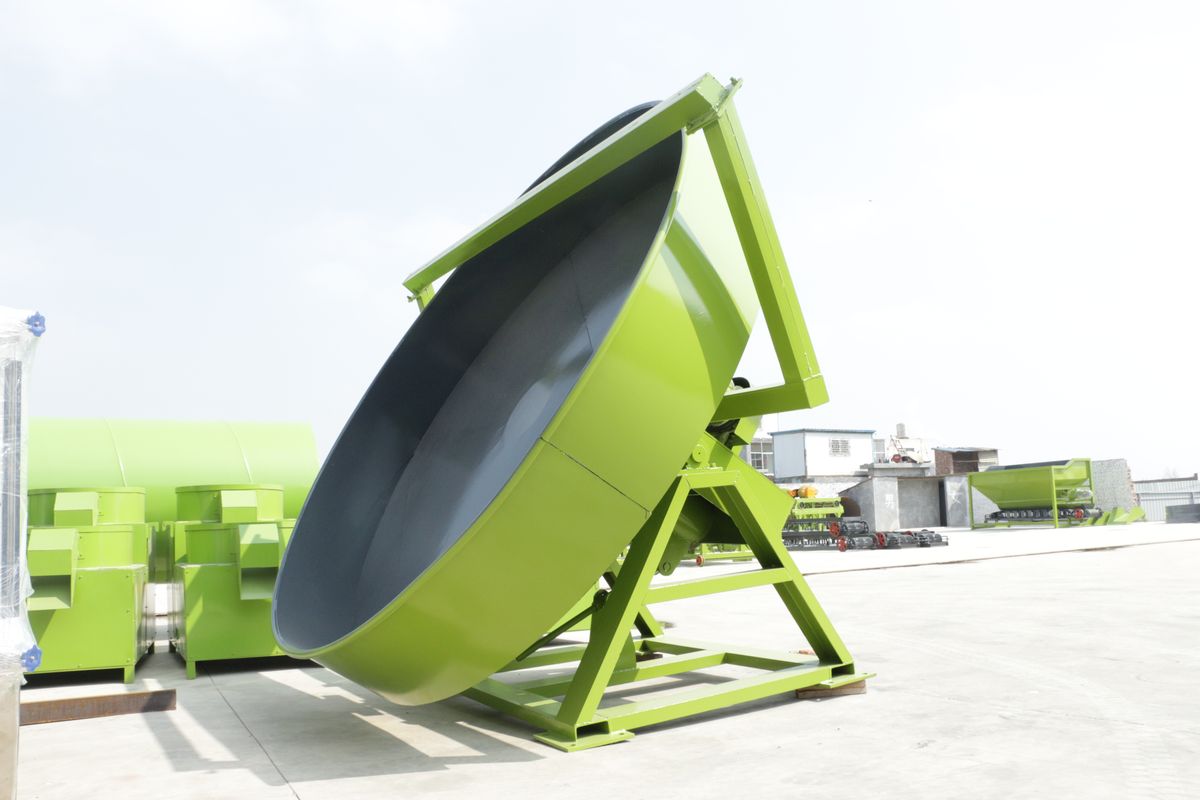
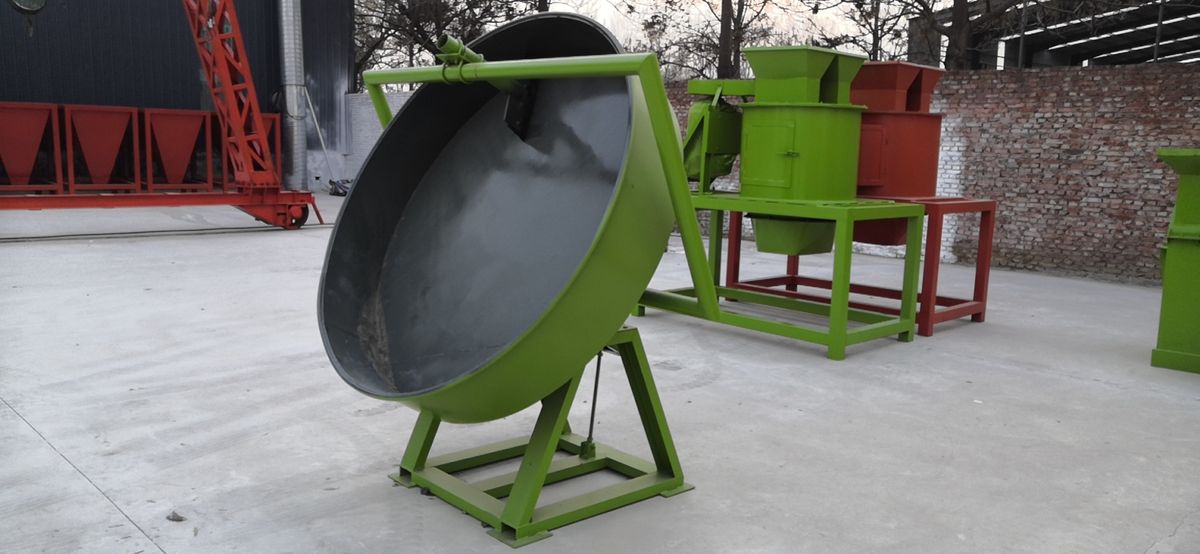
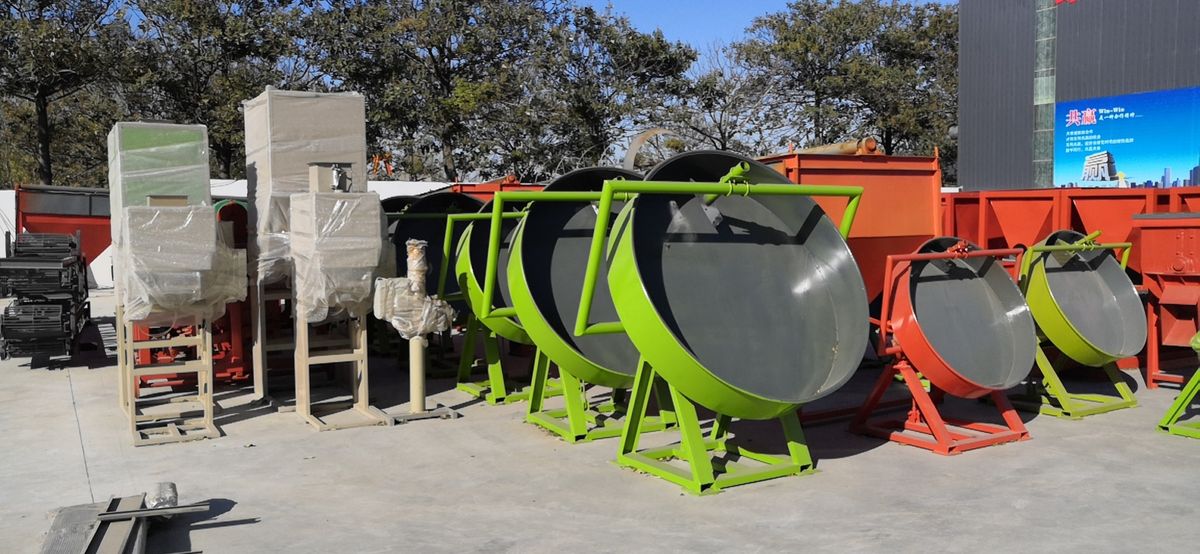
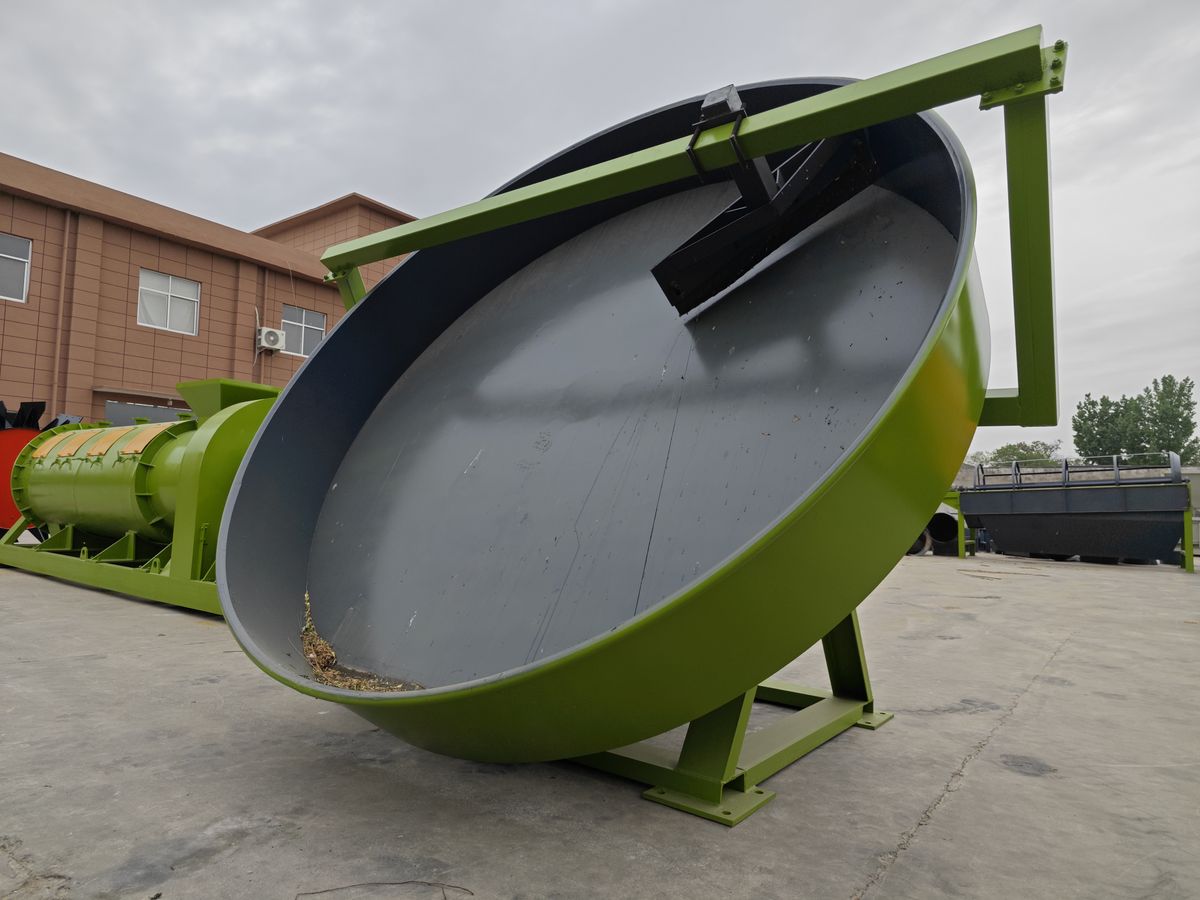
Because of the convenience for application, transportation and storage, cow dung fertilizer pellets are also popular. Shunxin can provide you the following cow dung fertilizer machines to produce pellets, pan granulator, new type organic fertilizer granulator and rotary drum stirring granulator.
Easy-to-operate pan granulator: Pan granulator consists of pedestal, reduction gear, granulation disc and so on. You can manufacture pellets with different sizes by adjust the angle of inclination.
New type organic fertilizer granulator: When the cow dung compost enter granulator, the stirring apparatus will push it forward. With the help of water or steam and the friction between the stirring teeth and the inner wall of granulator, cow dung gradually becomes pellets.
Rotary drum stirring granulator: It adopts centrifugal force and mechanical stirring force to make fertilizer pellets. In addition, when fertilizer pellets arrive at end part of this granulator, they will become more uniform and beautiful.
Nutrient-rich cow dung compost: Fresh cow manure is not suitable for direct application, because of pathogens, eggs and weed seeds in it. After composting, microorganisms will convert organic matters in cow dung into nutrients. Cow dung composting machine can adjust temperature, moisture and water content of compost pile by turning. Therefore, you can produce cow dung compost by composting.
Cow dung organic fertilizer: Besides cow dung compost, you can produce bagged cow dung organic fertilizer (pellets or powder) for commercial purpose. It is beneficial for both plants and soil. Above mentioned cow dung fertilizer machines can help you.
Bio organic fertilizer from cow dung: Besides pure cow dung fertilizer, you can add functional bacteria to cow dung compost, which can increase certain function of fertilizer. You can add different functional bacteria, according to the conditions and requirements of applicable objects. You can add it before, during or after granulation.
After composting, there are two ways for you to process cow dung. One is to make cow dung powder fertilizer. And the other is to make cow dung manure pellets fertilizer. And the detailed introduction is as below. It is not only suitable commercial production of cow dung fertilizer, but also dairy farm manure management (if cow dung compost is for personal purpose, composting is enough).
You just need to process cow dung compost by crushing, mixing and packaging, and then you can get bagged cow dung fertilizer powder. It is featured with easy operation, low cost and lower production requirements. The complete process and machines include composting (compost turner) —forklift feeder (to guarantee the continuous supply of raw materials) —crushing (compost crusher) —screening (rotary screen machine) —stock bin for temporary storage (storage fertilizer f or packaging process) —packaging (automatic packaging machine).
Fertilizer pellets production is more complex than fertilizer powder production line. Its production process is: composting (compost turner) — crushing (compost crusher) —screening (rotary screen machine) —granulating (disc granulator/new type organic fertilizer granulator) —drying and cooling (take extra moisture away) — screening (select out unqualified pellets) — packaging (automatic packing machine).
For making cow dung fertilizer plants with proper cost, we can design plans for you!
If you do not know how to calculate the cost, you can tell your requirements to us. And we can design plan for you. You just need to tell us your budget, daily output and the factory space. We have professional engineer, who can help you to fully utilize raw materials and space, and save cost as much as possible.
If you want to build complete cow dung fertilizer plant, the ground of plant shall be concrete. Generally speaking, the production of cow dung fertilizer includes composting and deep processing. The site for composting shall adopt concrete ground, so as to inhibit the pollution of cow dung on the soil. What’s more, the ventilation of plant shall be good, because odor and heat will produce during composting. The deep processing site is for installation cow dung fertilizer machines, so the concrete ground can provide steady support to these machines.
Photographed in our Xingyang workshop and on customer sites. Watermark-free, no phone numbers.
Fresh cow dung is not safe to apply directly: it carries weed seeds and pathogens, and its high salt and ammonia load can burn roots. Composting solves all three and converts the organic matter into stable humus. Mature cow dung compost is one of the best organic soil amendments available, supplying humus, slow-release nutrients and improved water retention.
A 5 t/h granule line running eight hours a day processes about 40 tonnes of finished fertilizer per shift. Because composting reduces volume by 30–40%, you need roughly 55–65 tonnes of raw cow dung a day, equivalent to the output of about 300–400 head of cattle. Farms with smaller herds should consider a 1–2 t/h line and sell powder fertilizer instead.
Only for granule lines. Compost leaves fermentation at 55–65% moisture and disc or drum granulation needs roughly 25–35%, so the granules are dried to 12–14% in a rotary dryer. A powder line needs no dryer at all — the compost is air-dried, crushed and packed, which is why powder lines cost so much less to build and to run.
Starch, bentonite, lignite, humic acid and molasses are all effective. The binder is chosen for the local market and for the nutrient claim: bentonite adds no nutrients but is cheap and strong, while humic acid and molasses raise the organic matter content and improve the soil effect. Typical dose is 1–5% by weight, confirmed by testing your own compost.
In most certification schemes, yes, provided the manure comes from an organic or approved source, the composting process demonstrably reached thermophilic temperature, and no prohibited additives were used. Certification bodies generally require records of pile temperature and turning, which is one more reason to keep a fermentation logbook from day one.
Cow dung powder making machine: dewater, ferment, crush, screen and bag cattle manure as powder organic fertilizer, wi…
Read more →Cow dung dewatering machines that take fresh cattle slurry from 80–90% to 60% moisture, cutting haulage volume and dry…
Read more →Manure composting systems: windrow, groove and in-vessel fermentation, how to design the pile, control temperature, ju…
Read more →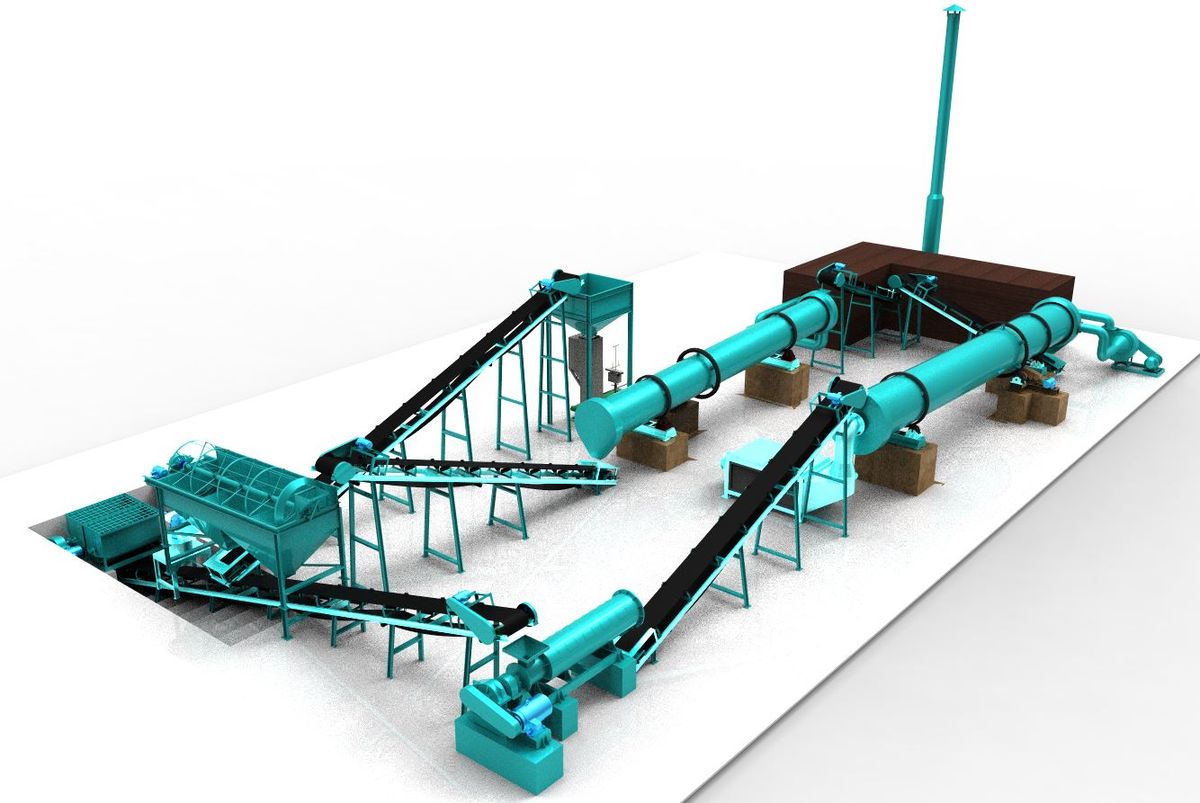
Complete manure to fertilizer solutions: separation, fermentation, crushing, screening, granulation, drying and baggin…
Read more →Send your raw material, target capacity and country. Our engineers reply within one working day with a process route, equipment list and budget.
Send us your raw material and target capacity — we will propose the process, the machines and the budget.
Send your raw material and target capacity — our engineers reply within one working day with a process route, equipment list and budget.
Our engineering team will reply within one working day. For anything urgent, message us on WhatsApp.
Open WhatsApp