
Manure Composting Systems
Manure composting systems: windrow, groove and in-vessel fermentation, how to design the pile, control temperature, ju…
Read more →The practical questions about composting manure: how wet, how often to turn, how long, how much space, and what to do when the pile does not behave.
In four steps. First, prepare the material: collect the manure with its bedding, blend in a carbon source such as straw, rice hull or sawdust, and bring the moisture to 50–60% and the carbon-to-nitrogen ratio to 25–30:1. Second, build the pile — long windrows 1.2–1.8 m high and 2–3 m wide, or fill fermentation channels. Third, turn on schedule: twice a day for the first week, then every two to three days. Fourth, watch the temperature and moisture until the pile stops re-heating and the material is dark, crumbly and odour-free.
A carbon source, almost always, and a fermentation inoculant, often. Manure is nitrogen-rich and low in available carbon, so straw, rice hull, sawdust or chopped stalk is blended in at roughly three parts manure to one part carbon material. An inoculant at 0.1–0.5% shortens the start-up phase, which matters most on poultry and pig manure where the odour window is longest.
Three reasons. Fresh manure carries pathogens, weed seeds and parasite eggs that can contaminate soil and crops. It is high in soluble ammonia and salt, which can burn roots and germinating seedlings. And it will continue to decompose in the soil after application, competing with the crop for oxygen and nitrogen. Composting above 55 °C destroys the pathogens and weed seeds, stabilises the nutrients and produces a material that feeds the crop rather than competing with it.
50–60% going in, and 25–30% coming out. The field test is the squeeze test: a handful should feel like a wrung-out sponge, with a few drops visible but none running free. Moisture falls during fermentation because the microbial heat evaporates water, so it is normal for the pile to need no drying at all on a powder line.
With a turner and correct conditions, 20–30 days from building the pile to usable compost: 10–15 days of thermophilic fermentation plus maturation. In-vessel fermentation with forced aeration shortens the primary phase to 7–10 days. An unturned or over-wet pile can take three months and may still not be fully stabilised.
Use the working area formula: area = hourly output of compost × working hours per day × fermentation days ÷ bulk density of the material ÷ pile height. Then add 30–40% for access lanes and the turning route. As a practical guide, 20 tonnes a day of raw manure on a 15-day cycle needs roughly 1,500–2,500 m² of pad in open windrows, or about 60% of that in fermentation channels.
Not automatically. Fermentation breaks the material down and removes odour and pathogens, but a turned windrow still contains lumps, dry crust and unbroken bedding. The compost must be crushed below 3 mm and screened before it looks and behaves like powder fertilizer. That is why a crusher and a screener, not the turner, are the machines that determine the appearance of the finished product.
Odour comes from anaerobic pockets, which form when the pile is too wet, too large, or turned too little. Keep moisture at 50–60%, keep the windrow at 1.2–1.8 m rather than higher, turn thoroughly enough to reach the base, and hold the carbon-to-nitrogen ratio above 25:1 so ammonia is captured in the biomass rather than released. Where the pile is close to housing, cover the fermentation area and filter the exhaust air.
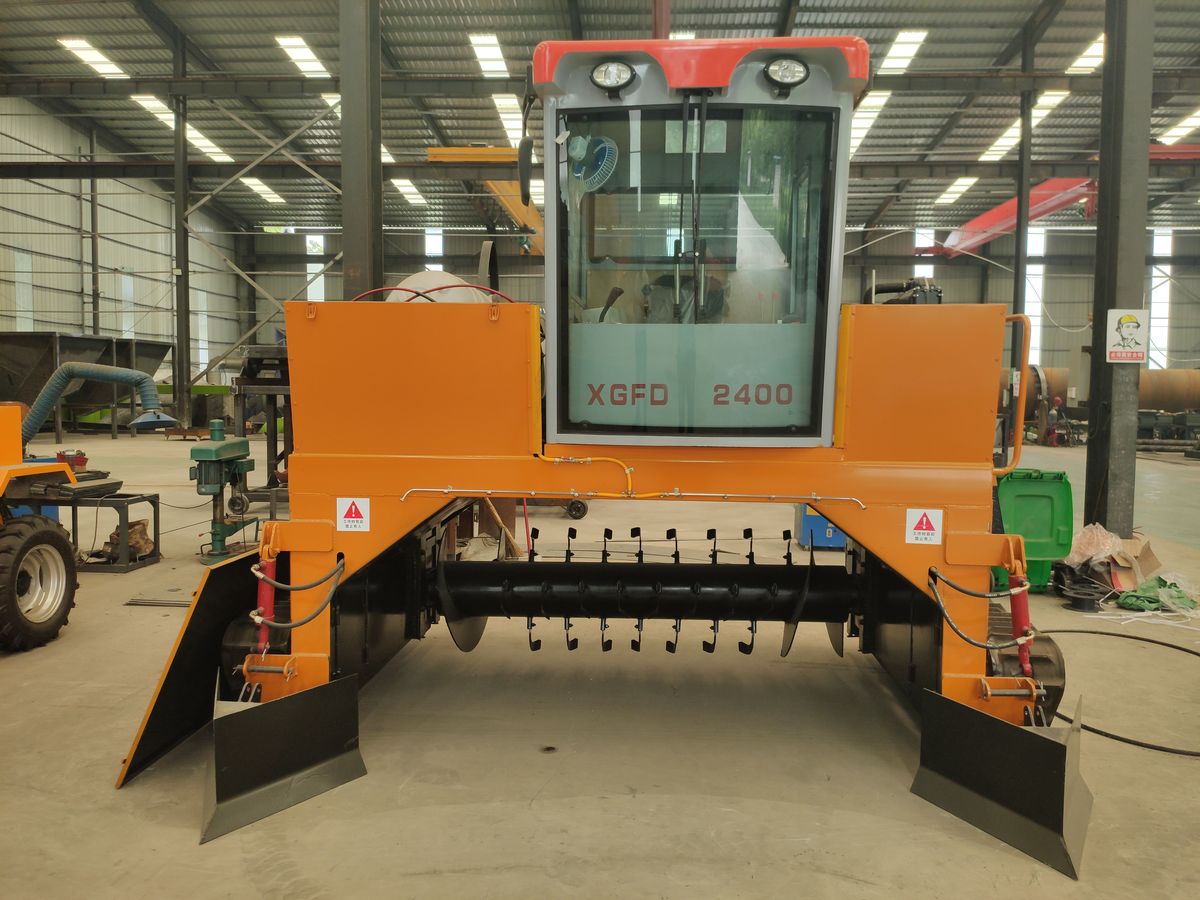
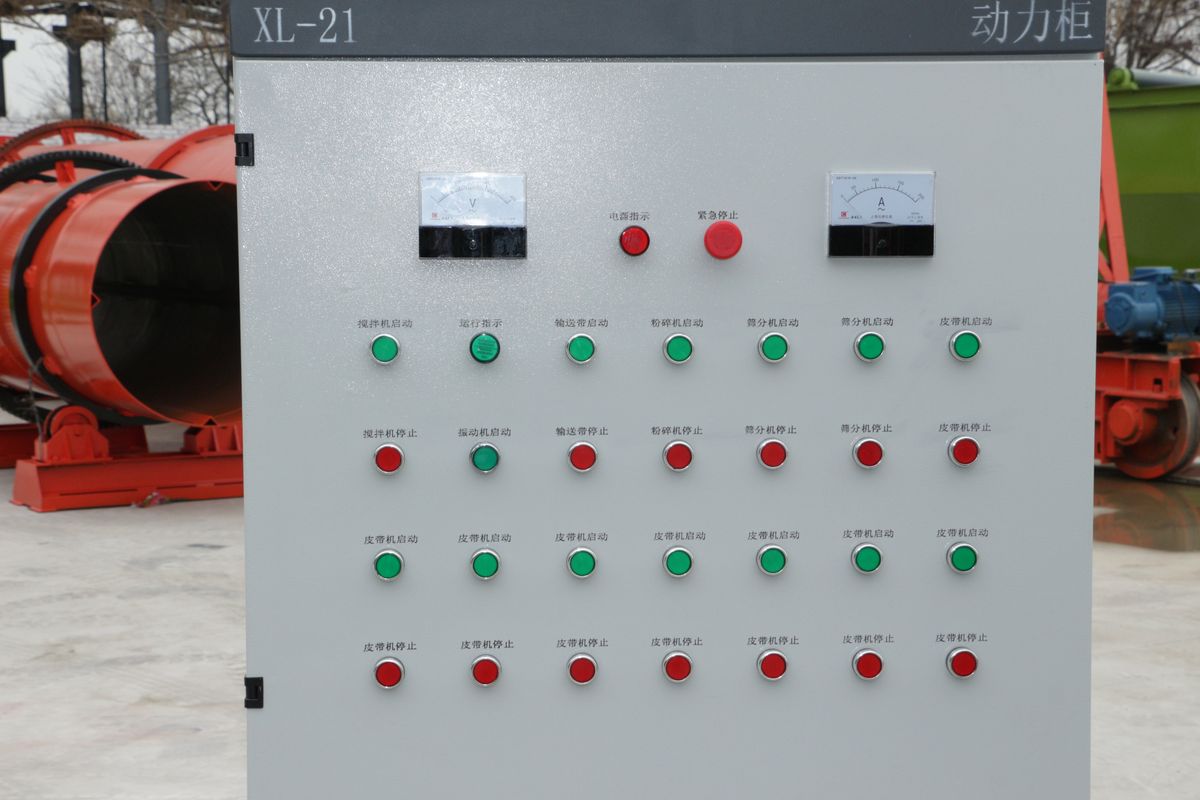
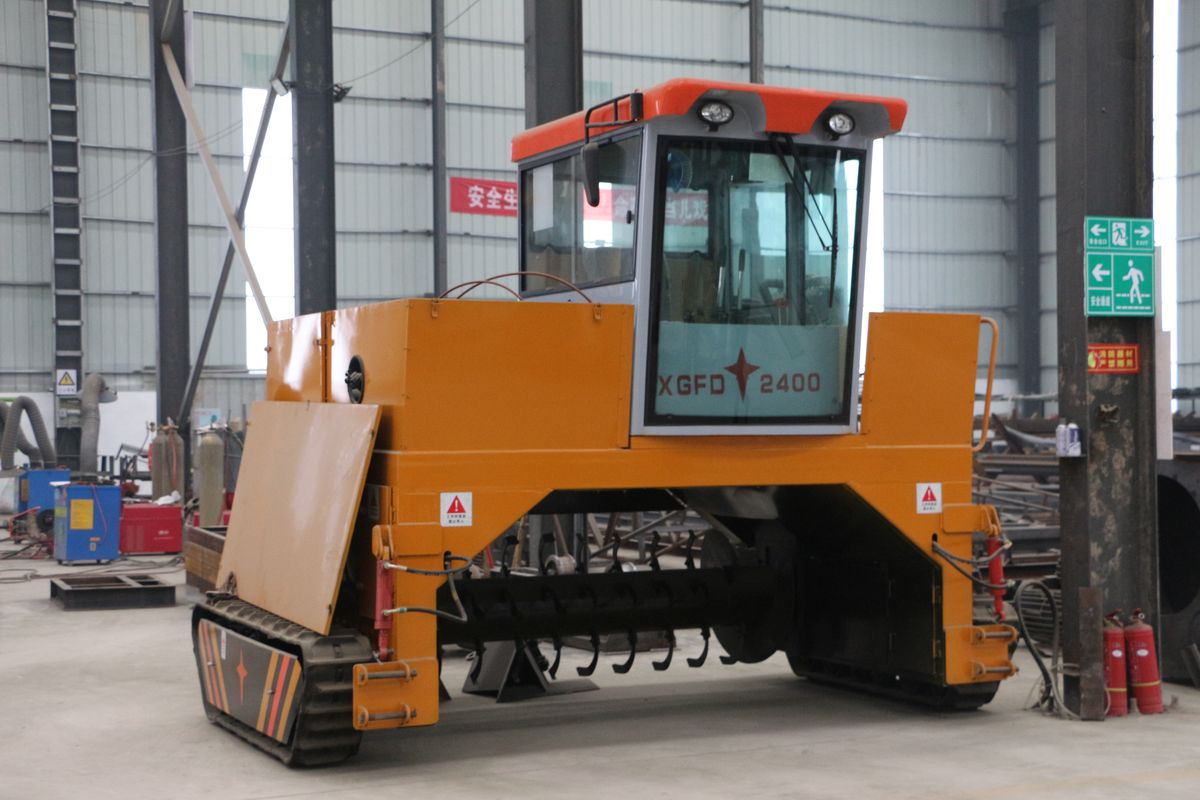
Photographed in our Xingyang workshop and on customer sites. Watermark-free, no phone numbers.
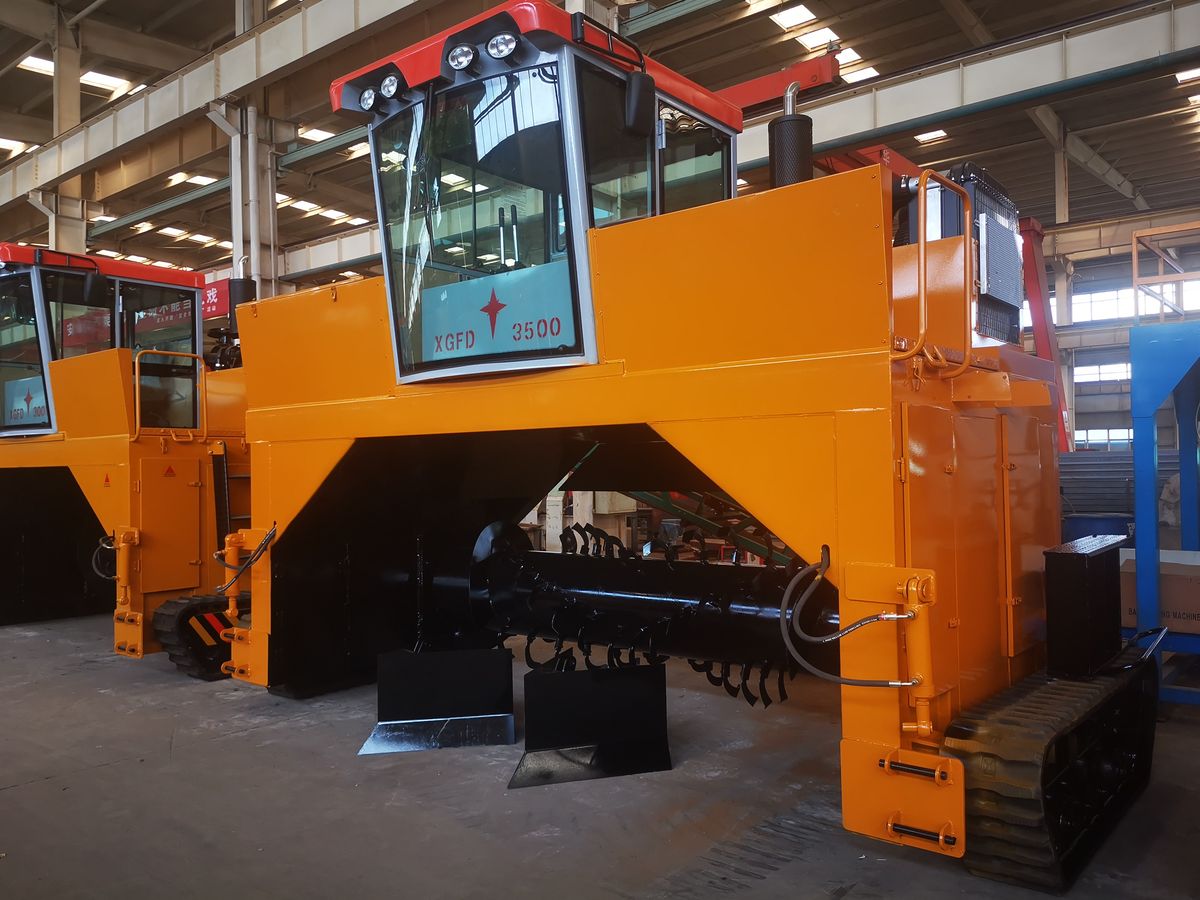
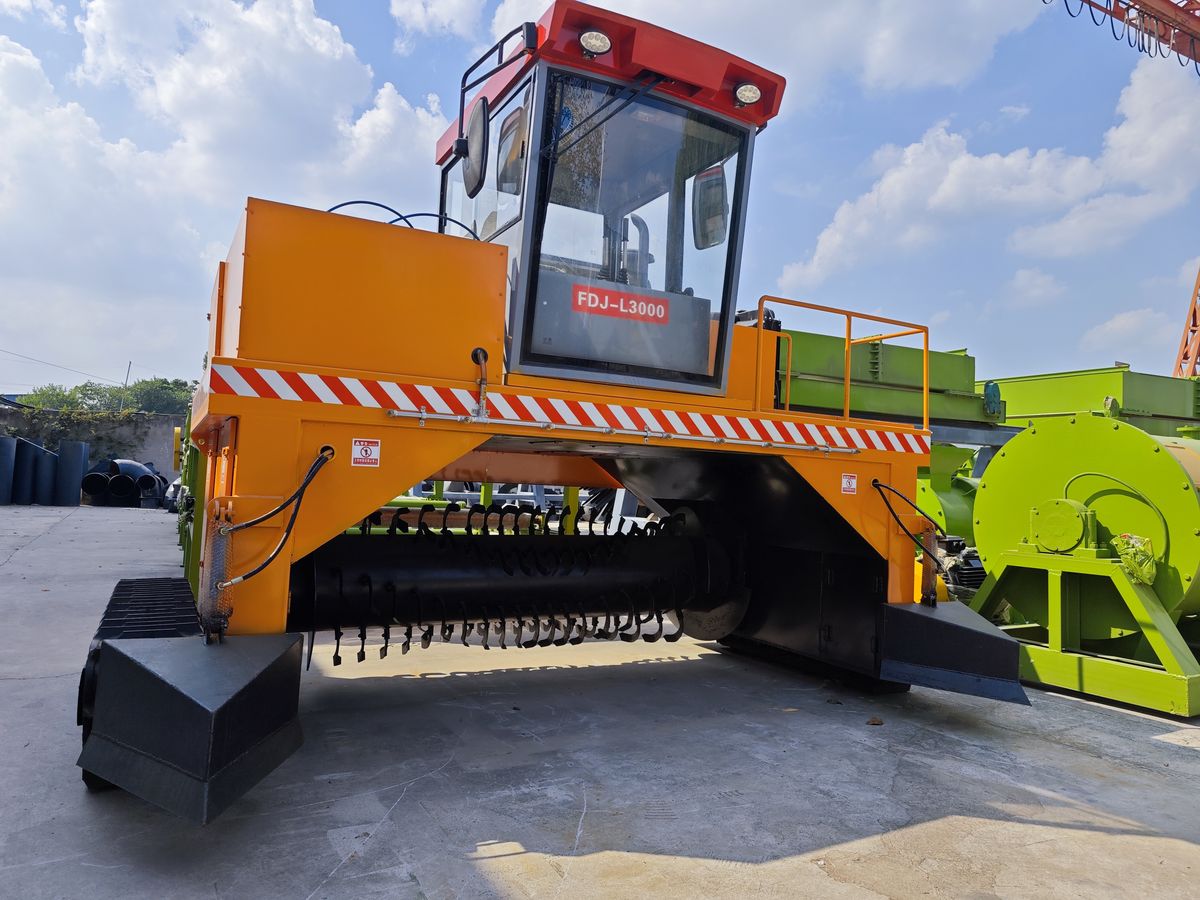
Manure composting systems: windrow, groove and in-vessel fermentation, how to design the pile, control temperature, ju…
Read more →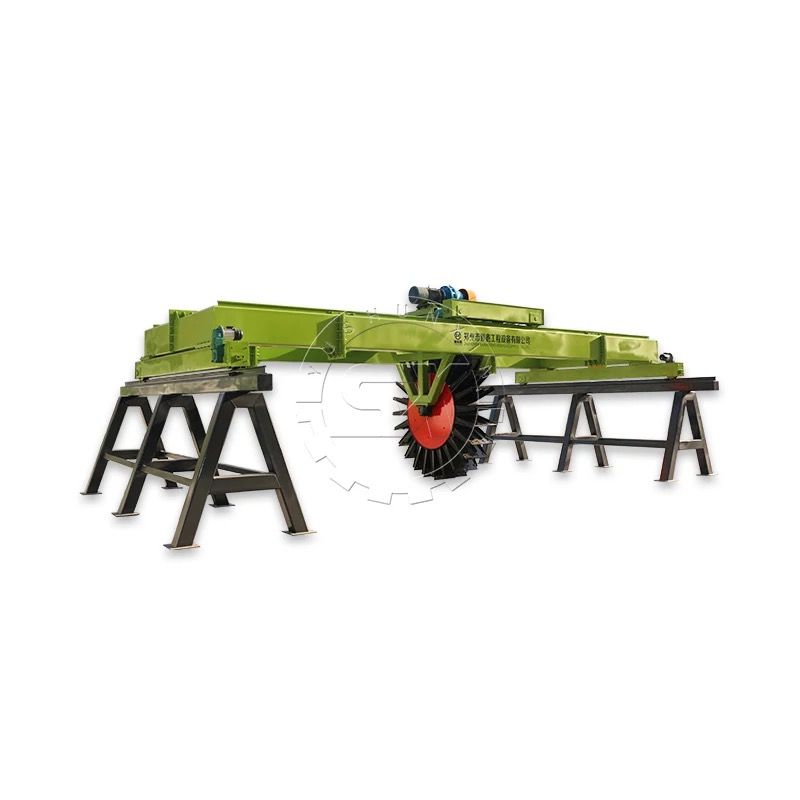
A complete manure composting system: pile or channel design, moisture and C/N control, turning frequency, temperature …
Read more →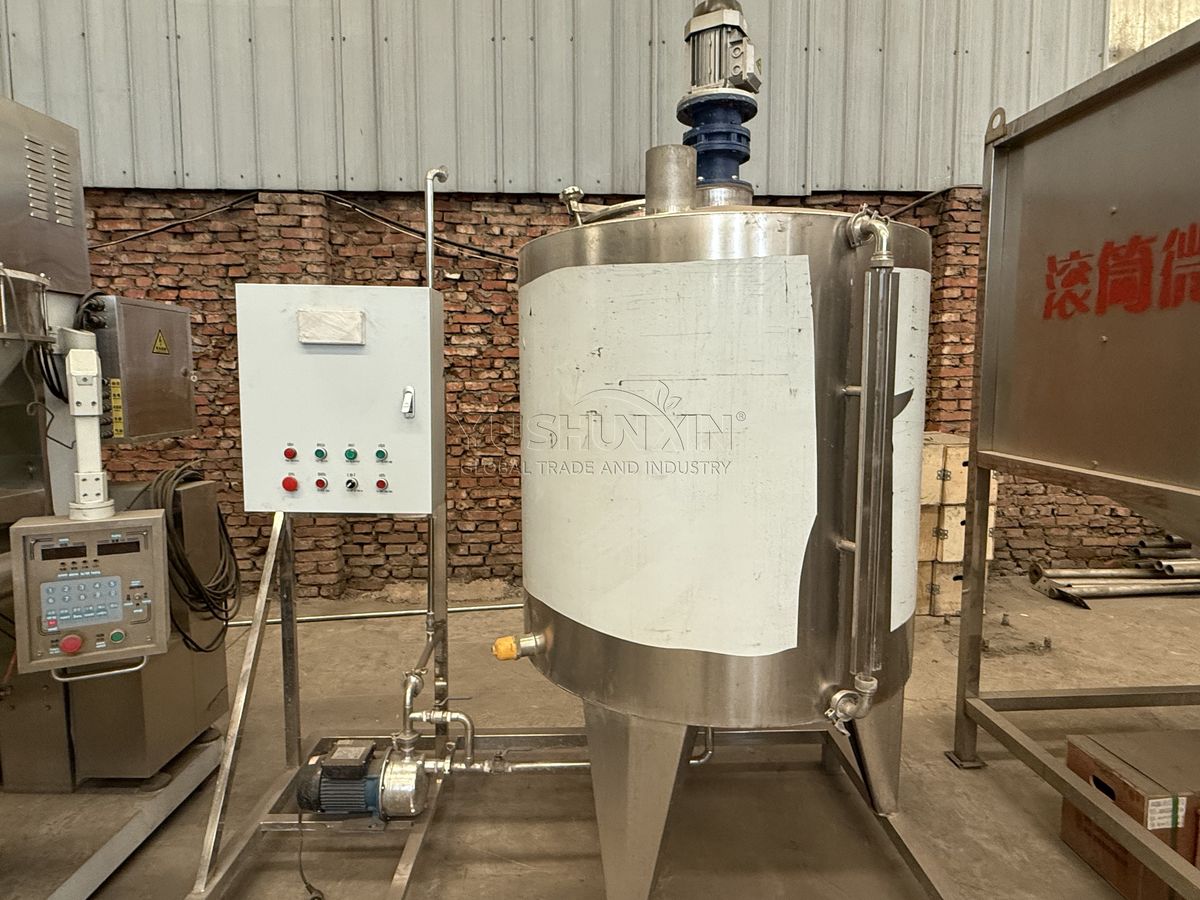
Answers to the questions we are asked most about manure processing: composting methods, equipment selection, plant are…
Read more →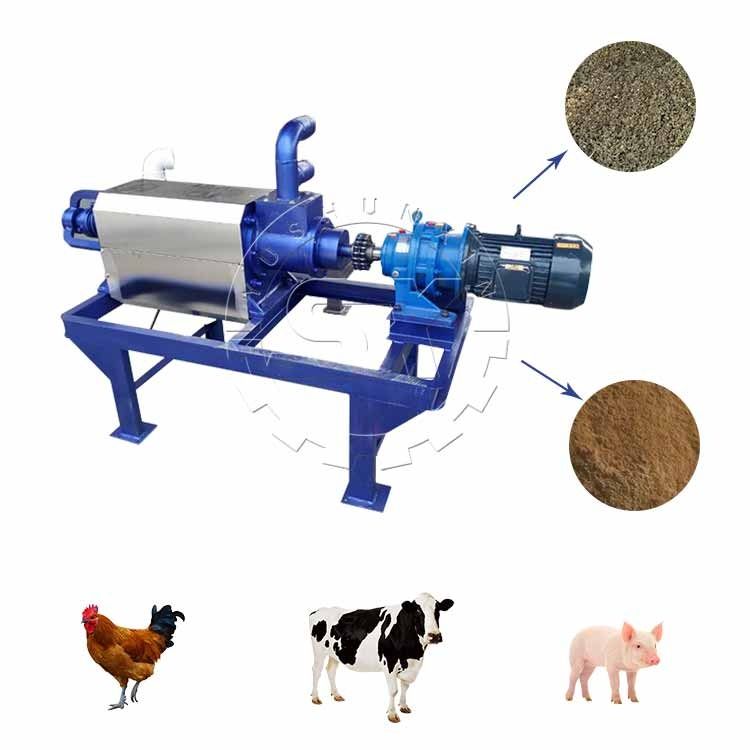
Manure treatment equipment that makes raw animal slurry handleable: solid liquid separators, dewatering machines, drye…
Read more →Send your raw material, target capacity and country. Our engineers reply within one working day with a process route, equipment list and budget.
Send us your raw material and target capacity — we will propose the process, the machines and the budget.
Send your raw material and target capacity — our engineers reply within one working day with a process route, equipment list and budget.
Our engineering team will reply within one working day. For anything urgent, message us on WhatsApp.
Open WhatsApp