Manure to fertilizer machine manufacturer since 2005 info@manuretofertilizer.com | +86 182 0399 3035 | WhatsApp
HomeComposting SystemsPoultry Composting Machine
Poultry Composting Machine
Composting equipment sized for a poultry farm

Poultry Composting Machine

From a forklift-mounted turner for a small layer unit to a horizontal fermentation tank for an integrator: the machine set that turns daily poultry manure into mature, sellable compost.

  • Fermentation tanks with forced aeration, and groove or windrow turners
  • Sized from 1 t/day to 60 t/day of raw poultry manure
  • Blends and inoculants specified for high-ammonia poultry material

At a glance

Capacity
1–60 t/day of raw poultry manure
Machine types
Horizontal fermentation tank, groove turner, windrow turner, forklift turner
Cycle
7–10 days primary, 10–15 days maturation
Moisture
Blend to 50–60% before loading

Matching the machine to the size of the poultry operation

Poultry farms differ enormously in scale, and so does the right composting machine. A 20,000-bird layer unit produces roughly one to two tonnes of manure a day, which a single forklift-mounted turner and a concrete pad can compost comfortably. A 300,000-bird integrator unit produces 20–30 tonnes a day, where the labour of turning with a loader becomes impossible and a machine with its own drive — a groove turner in a covered channel, or a horizontal fermentation tank — becomes the only practical answer.

The second variable is how the manure leaves the shed. Belt-collected layer manure arrives at 60–65% moisture and is fairly consistent, so it can be composted with a straightforward blend-and-turn system. Manure scraped from a broiler house comes mixed with litter and is drier and bulkier. Pit or flush systems produce very dilute material that must be separated or dried first, which changes the whole process route upstream of the composter.

The machine set we recommend is therefore always derived from two figures: the daily tonnage of manure leaving the shed, and its moisture and litter content. From those, our engineers specify the pre-treatment, the blending ratio, the fermentation method and the machine model — rather than starting from a machine and asking whether it fits.

Poultry composting machine types

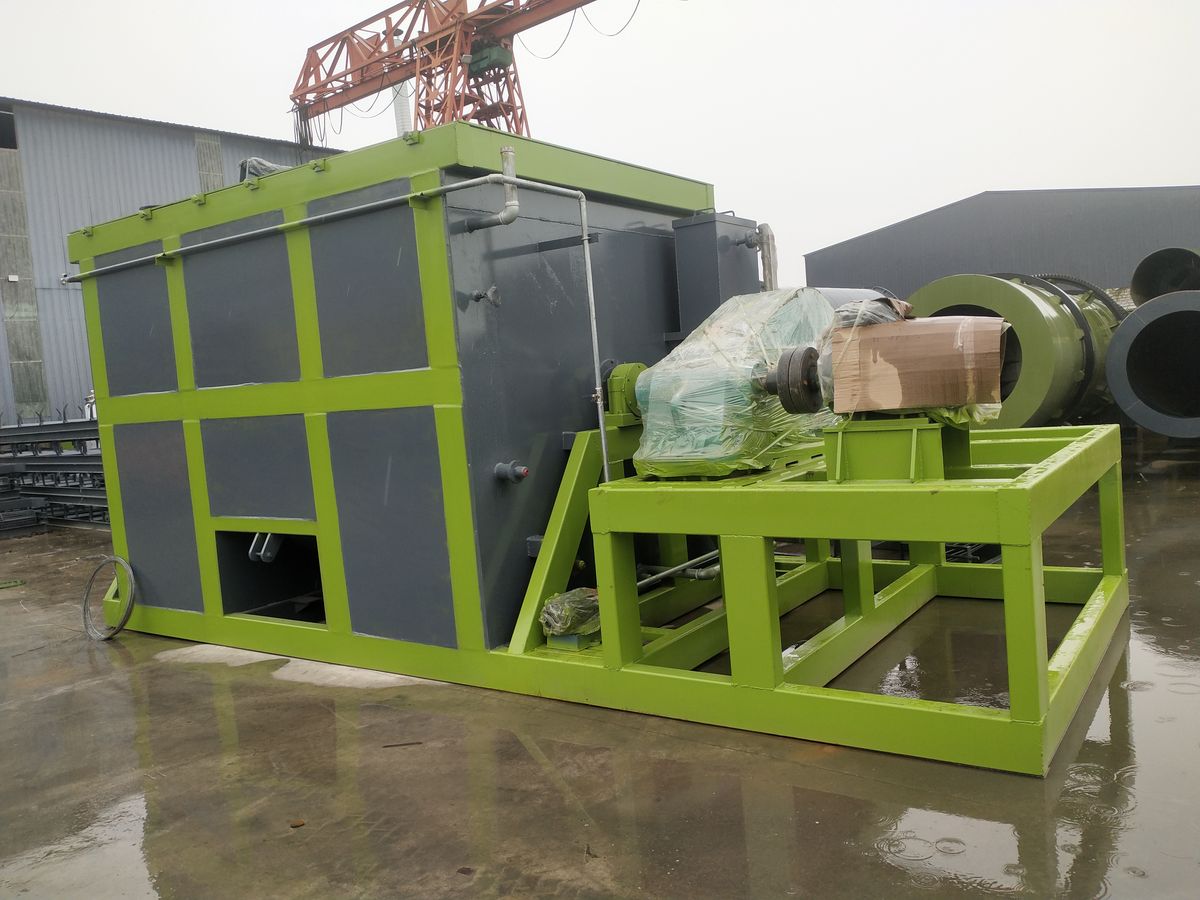
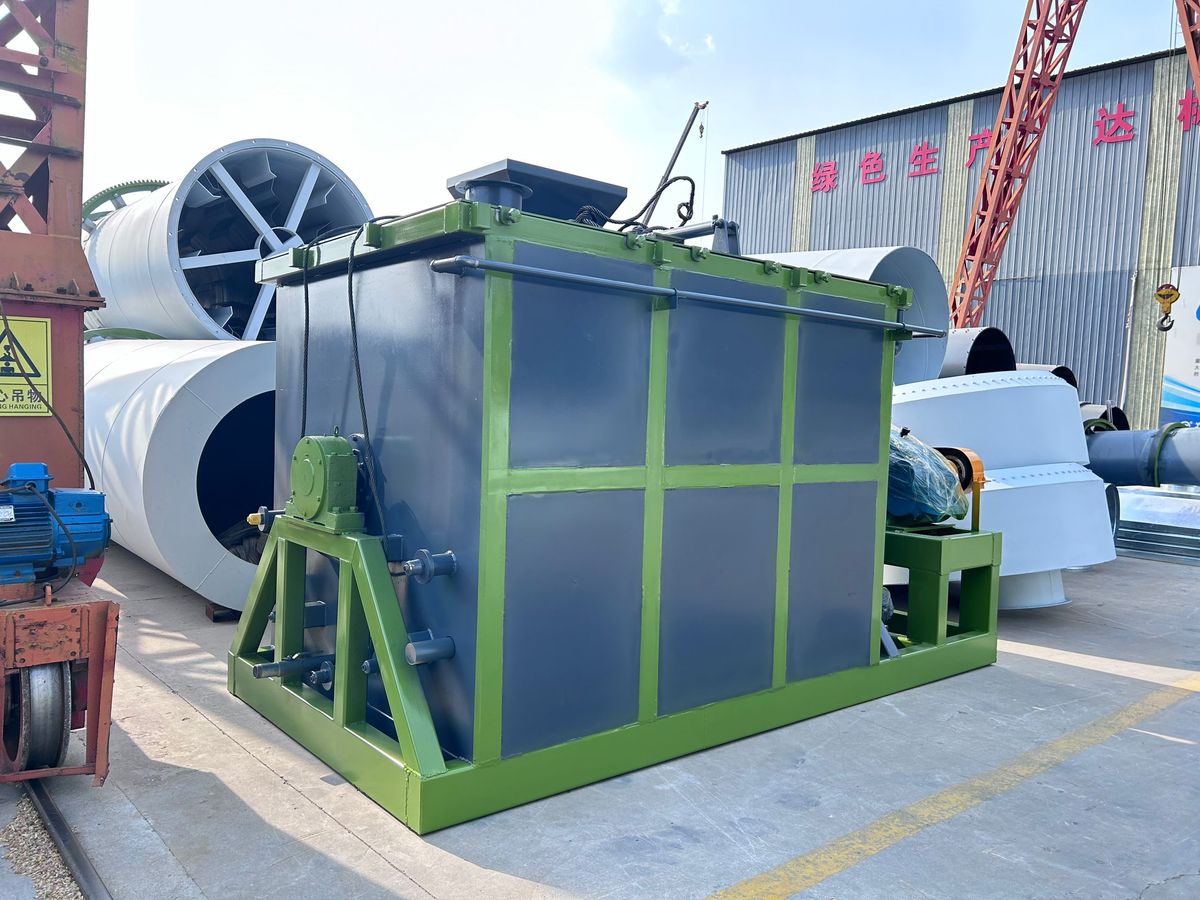
Horizontal fermentation tank

Horizontal fermentation tank

An enclosed cylindrical or rectangular vessel with a rotating shaft and forced aeration. Daily input and daily discharge, cycle time 7–8 days, with exhaust air filtered through a biofilter. The best odour control available.

View details →
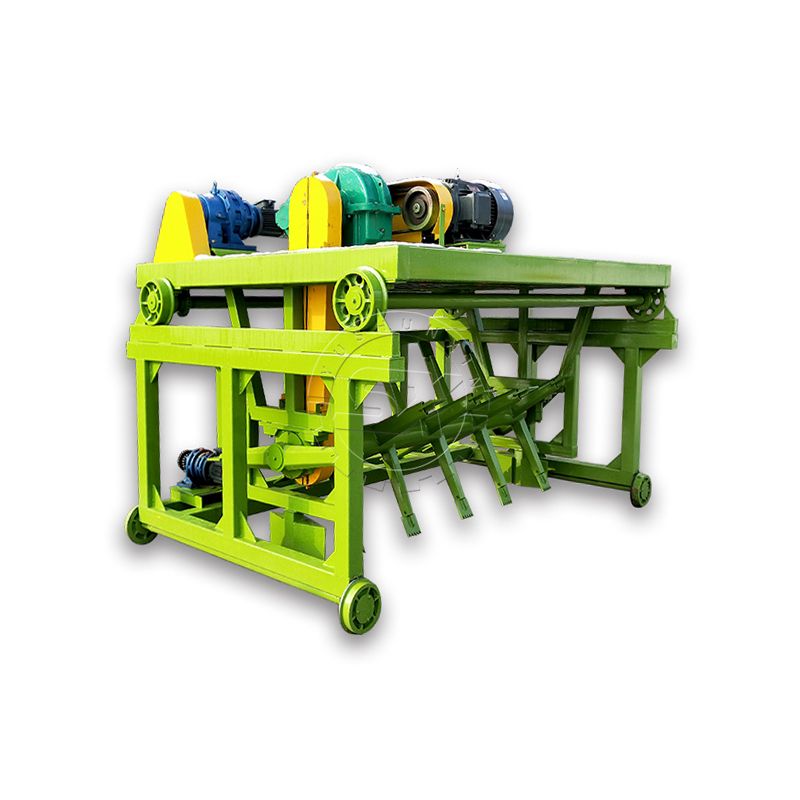
Groove-type turner

Groove-type turner

Rail-mounted machine working inside a three-walled covered channel. Deeper piles than an open windrow, and the roof keeps rain out and vapour in. A good compromise for a mid-size layer farm.

View details →
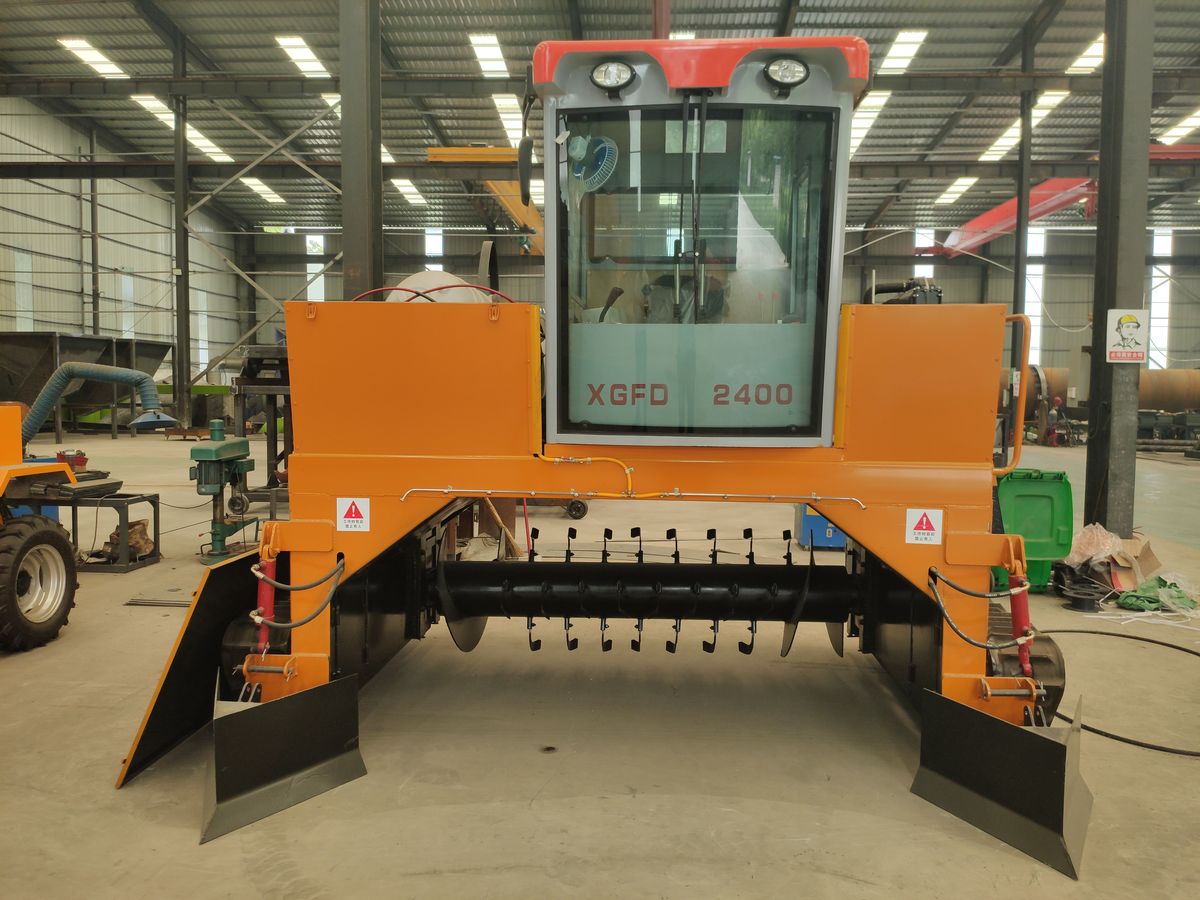
Crawler windrow turner

Crawler windrow turner

Self-contained tracked machine with a cab, straddling open windrows. Highest throughput of the turning machines and suitable where land is available and neighbours are distant.

View details →
Forklift-mounted turner

Forklift-mounted turner

A hydraulic rotating attachment fitted to a forklift you already own. The lowest-capital option, adequate up to about 3 tonnes a day, and useful as a back-up on larger sites.

View details →
Deodorising mixer

Deodorising mixer

A horizontal mixer that blends manure with a carbon source and a deodorising inoculant before fermentation, which is what makes the difference between a pile that smells and one that does not.

View details →

Recommended configuration by farm size

Farm sizeManure per dayRecommended systemTurning equipment
Small layer unit, 10,000–30,000 birds0.5–2 tCovered pad, windrowForklift-mounted turner or compact self-propelled turner
Mid layer unit, 30,000–100,000 birds2–6 tCovered channel or open windrowGroove-type turner or crawler turner
Large layer farm, 100,000–300,000 birds6–20 tCovered channel with forced aerationGroove turner plus blower system
Integrator, 300,000+ birds20–60 tIn-vessel fermentation tanksEnclosed fermentation tank, continuous input and discharge
Broiler litter processor10–40 tDrying, screening, pelletisingHammer mill and pellet mill rather than a turner

Practical points for poultry composting equipment

  • Pre-blend before loading, not after. Mixing manure, carbon source and inoculant in a deodorising mixer gives a uniform pile; adding straw to a pile that is already built leaves pockets that will not ferment.
  • Size the turning equipment from the volume of the pile, not from the tonnage of manure. Poultry manure blended with straw at 3:1 is three to four times the volume of the manure alone.
  • Fit the fermentation area with a roof and a drained floor. Poultry composting in the open in a wet season produces leachate, odour and inconsistent compost, in that order.
  • Keep a spare set of turning teeth and rotor bearings on site. Poultry manure is abrasive because of the grit the birds consume, and wear rates are higher than on cattle manure.
  • Plan the maturation bay at 1.5–2 times the area of the primary fermentation area, because maturation takes longer than primary fermentation in most designs.
  • If the compost is destined for fertilizer production, screen it at 3 mm before storage. Screened compost stores without re-heating, whereas unscreened material with lumps can restart fermentation in the bag.

Aerobic composting is good way to deal with various poultry manure. When you compost poultry manure, poultry composting machine can help you to adjust fermentation conditions and accelerate composting period. There are three composting methods and multiple compost turners for you to choose. And they are available for both farm wastes treatment and organic fertilizer factory. In addition, you can also produce commercial poultry manure compost fertilizer by crushing, screening and packing.

Suitable poultry manure aerobic composting systems and corresponding poultry composting machines

Poultry manure aerobic composting is an efficient way to manage poultry waste. Before composting, you should collect poultry manure and prepare some C-rich bulking agent. Poultry manure has the highest nitrogen content, so you need to add C rich materials (such as sawdust, corn stalk powder, rice hull powder and so on) to adjust C/N ratio to 25:1/30:1. At the same time, the C-rich bulking agent can not only adjust water content (it usually has strong water absorption), but also can improve aeration. According to our experience, the common and suitable aerobic systems include windrow poultry waste composting, composting poultry waste in fermentation grooves and composting poultry manure by in vessel composter.

Windrow poultry composting with windrow compost turner

Windrow composting is easy to operate and has less requirements on space. After preparing materials, you can mix them (7:3) together, and pile them in long rows. In order to make quality poultry manure compost, you can regularly turn the compost pile by windrow compost turner.

There are two types windrow compost turner for you to choose. One is self-propelled compost turner, and the other is crawler type compost turner. Both of them just need one person to drive. They can finish turning and mixing materials. In addition, we can equip them with spray device, which is convenient for moisture adjustment of compost pile during composting. The self-propelled compost turner has four wheels, which is flexible and suitable for operation in different sites. Different with it, crawler type compost turner is more stable due to its rubber track chassis. Its capacity ranges from 500m 3 to 1800m 3.

Composting poultry waste in fermentation grooves with groove type compost turner

Unlike windrow composting, you need to build fermentation grooves under this condition. The fermentation groove consists of three walls, which has good effects on heat preservation. The height of materials shouldn’t be over the depth of fermentation groove. Or the poultry manure will flow out during turning.

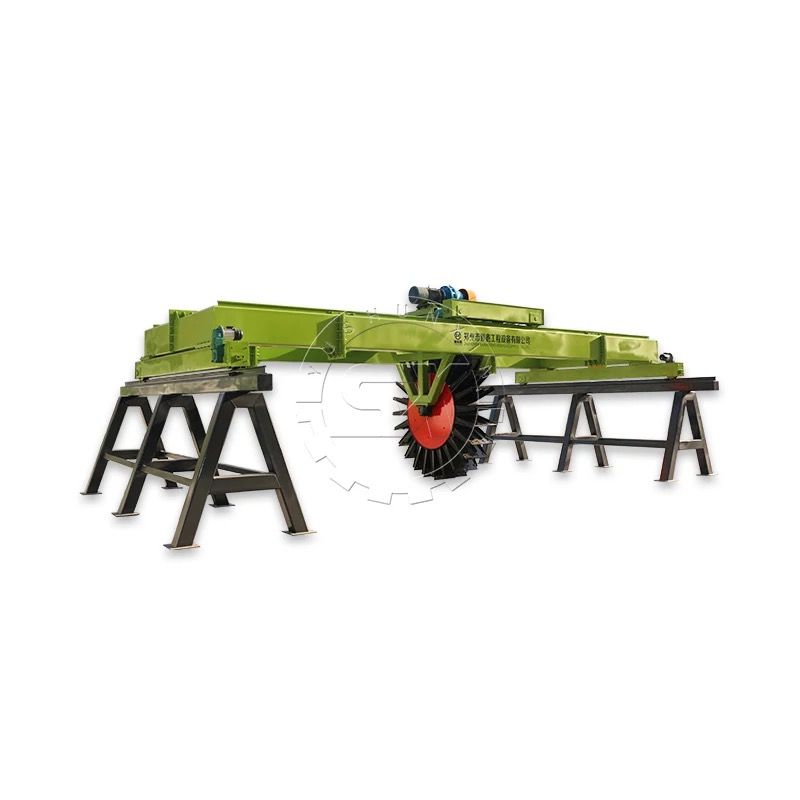
If you decide to compost poultry manure in fermentation groove, you can design the size of grooves according to the model of groove type poultry composting machine. In view of this point, you can tell us the volume of poultry manure and space you have. And our engineer can recommend compost turner of suitable model. Groove type compost turner is suitable for all composting sizes, and easy to operate. There are also wheel type compost turner for large scale manure composting and chain plate type compost turner for commercial poultry manure compost production. All of them utilize electricity, and have adjustable turning speeds.

Do you want to know more details? Please send your requirements to us!

Composting poultry manure by in vessel composter

If you do not like composting poultry manure in the open air, we will recommend adopting Shunxin in vessel composter. It belongs to automatic composting equipment.

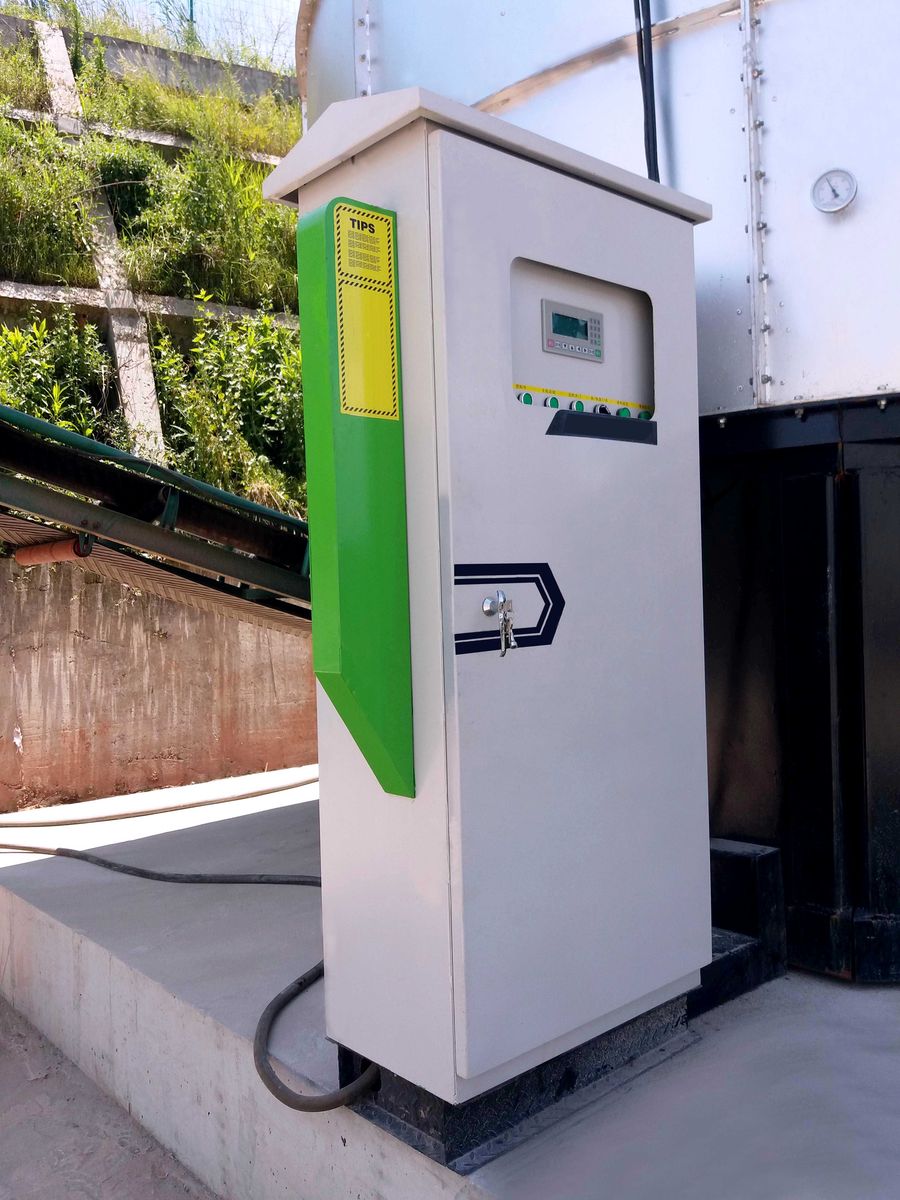
Via in vessel composter, you can get rid of odor, heat produced during composting, long fermentation period and huge space. After mixing poultry manure and auxiliary materials evenly, you can put them into in vessel composter. This automatic poultry composting machine can automatically finish regularly turning of materials, addition of oxygen by air supply system, temperature monitor by temperature sensor and odor management by deodorization system. There is PLC control system, which can monitor the real-time conditions in the fermenter pot. About 7 to 10 days, you can get quality compost from the discharge port. What’s more, it will save more space than the former two composting methods.

How to compost poultry manure with coconut coir

Coconut coir is also a kind of materials, which can be used as organic fertilizer after professional process. In addition, it has a good a good air and water permeability. Therefore, you can use it as auxiliary materials (bulking agent) during composting poultry manure. In order to guarantee the fermentation effect, you can make coconut coir into small particles. Here, you can adopt Shunxin straw crusher, which can make bulking agent into powder (rice hull, cornstalk, straw and so on). After crushing, you can mix them together, and the ratio between manure and coconut coir is 8:2/9:1.

Piling

You should pile crushed coconut coir and poultry manure in long windrows. The height and width are usually 0.6 m to 1.8m and 2m. The length of windrows should be as long as possible. Or you can arrange compost pile according to poultry composting machine adopted. What’s more, you can make a shed over the compost pile or place it indoors. Because snow, rain and other bad weathers will influence the composting period and destroy nutrients.

Turning

After piling, these windrows will heat up in 48 or 72 hours. When the temperature reaches 60℃, you should turn the poultry manure compost pile regularly to release extra heat and add oxygen. In addition, the turning of compost pile can mix the interior poultry manure with exterior materials evenly, so as to ensure uniformity of fermentation. Via compost turner, the fermentation process can be shortened to 20 to 30 days. When the temperature of poultry manure never changes and stays at ambient temperature, odor disappears and the poultry manure becomes loose and black, it shows that the fermentation is finished. After being placed for several days, poultry manure compost can be used as organic fertilizer directly.

If you want to make commercial poultry manure compost fertilizer, what procedures and machines should you adopt?

After aerobic composting with poultry composting machine, poultry manure will become quality compost. In addition, you can make commercial poultry manure compost fertilizer after some simple operations, which can increase your income. The complete production process includes: crushing process —screening process— packing process. In order to make the process go smoothly, you may need to use the following poultry manure fertilizer machines:

Poultry compost crusher: Compost crusher is used for dealing with caking in poultry manure compost, so as to guarantee the uniformity of compost. You can adopt semi-wet material crusher and new type vertical crusher.

Compost screen: Rotary screen machine can select impurities and compost with unqualified size out. What’s more, the screening standard and levels are adjustable and customizable.

Packing machine: The former two processes are preparations for packing. Shunxin compost packing machine can automatically finish feeding, filling and sewing fertilizer bags.

Effective waste management in small scale poultry farm-poultry composting machine

Honestly speaking, it is widely used for making poultry manure compost around the world. Therefore, as we know, the materials are always from poultry farms, especially small scale poultry farms. It can not only help you solve the pollution of poultry manure, but also bring benefits for you in a short time. Therefore, it is the best effective way to mange poultry waste.

On the other hand, it can be made into pellets fertilizer if you need fertilizer pellets in a small scale production capacity. If you want to produce it in a short time, our company can offer you the whole fertilizer production line. If you need other information, please contact us as soon as possible.

Frequently asked questions

What is the best composting machine for poultry manure?

It depends on the daily tonnage. Up to about 3 tonnes a day, a forklift-mounted turner and a covered concrete pad are adequate and cost the least. From 3 to 20 tonnes a day, a groove-type turner in a covered channel gives better control and less odour. Above 20 tonnes a day, an enclosed horizontal fermentation tank with forced aeration and biofiltration is the practical choice, because it handles continuous daily input and keeps ammonia inside the plant.

How much manure does a poultry composting machine handle?

Our machine range covers roughly 1 to 60 tonnes of raw poultry manure per day, from a compact turner for a 20,000-bird layer unit to a bank of fermentation tanks for an integrator. Because the blended pile is three to four times the volume of the raw manure, the sizing calculation uses blended volume, not raw tonnage — which is the most common mistake we see in customer specifications.

Do I need to add anything to poultry manure before composting?

Yes — a carbon source and, usually, an inoculant. Straw, rice hull, sawdust or chopped stalk at roughly 3 parts manure to 1 part carbon material lifts the carbon-to-nitrogen ratio above 25:1 and prevents ammonia loss. A fermentation inoculant accelerates the start of the thermophilic phase, which matters on poultry manure because it reduces the period during which odour is highest.

Can poultry composting be done indoors?

Indoors or at least under cover, and on a drained concrete floor. Cover matters for three reasons: rain falling on a working pile adds water and leaches nitrate, rain cools the surface of the pile, and wind carries odour away from the site. In-vessel fermentation takes the idea to its conclusion and keeps the whole process inside a controlled vessel with filtered exhaust air.

Inquiry

Tell us about your project

Send your raw material, target capacity and country. Our engineers reply within one working day with a process route, equipment list and budget.

We respect your privacy and will not share your information with other entities.

Ready to turn your waste into fertilizer?

Send us your raw material and target capacity — we will propose the process, the machines and the budget.

WhatsApp
Get a Quote WhatsApp