
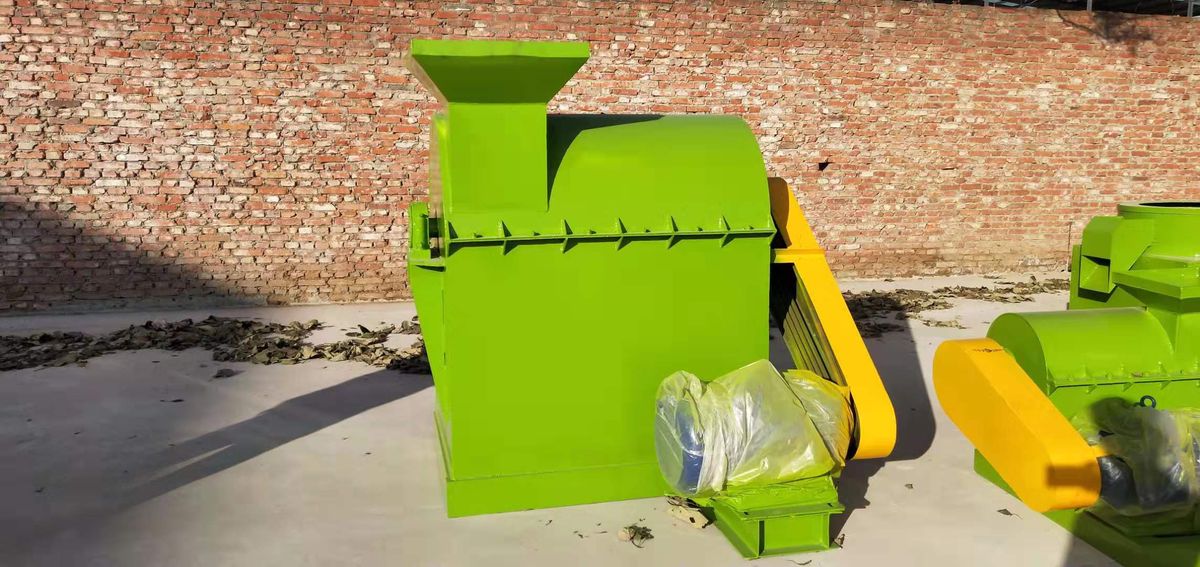
Pre-granulation screening
Removes stones, plastic and oversize from crushed compost so the granulator receives uniform material. Undersize passes forward, oversize returns to the crusher.
View details →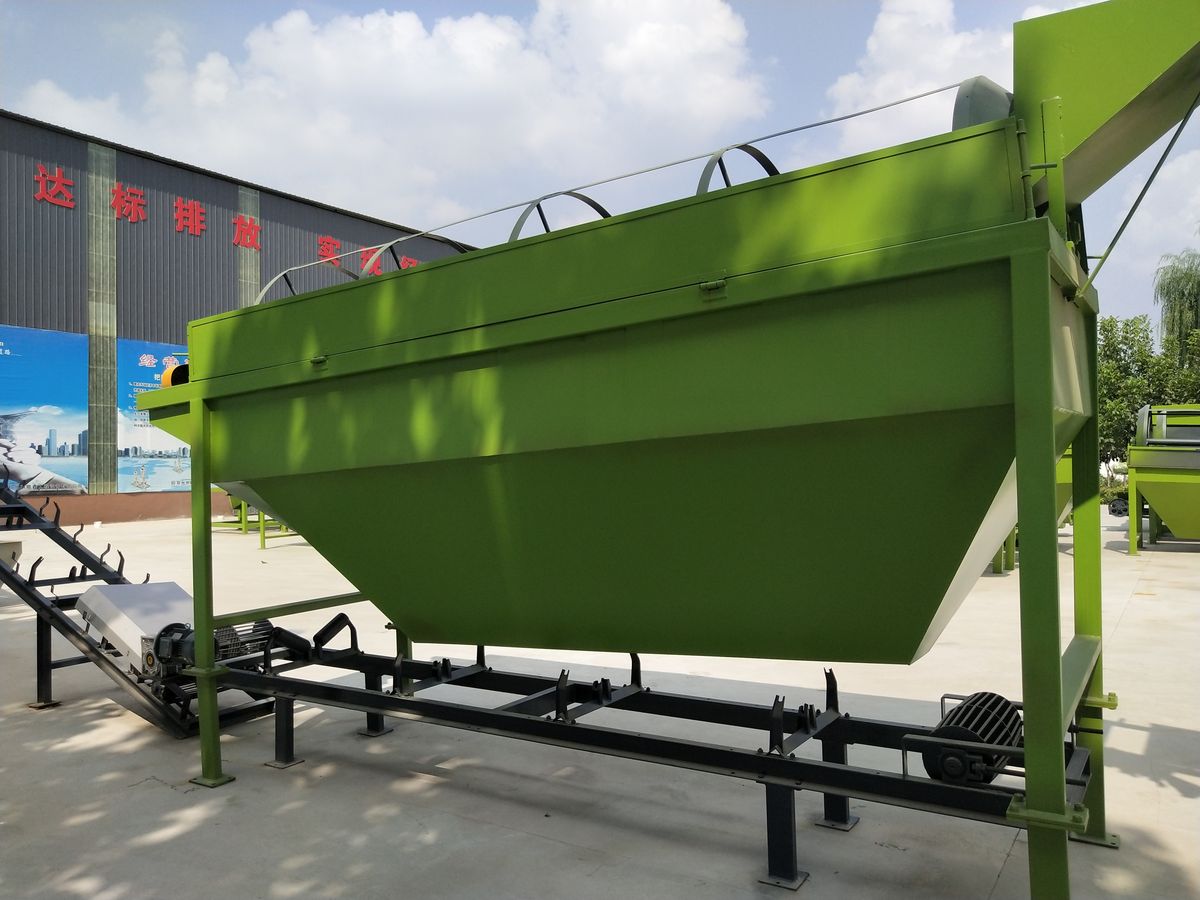
Screening decides whether a bag of organic fertilizer looks like a manufactured product or like scoopings from a compost heap. It also protects every machine downstream.
Screening performs three jobs at once. It grades the product, so that every bag contains fertilizer of the same particle size. It removes foreign material — stones, plastic, wire, glass, clods of soil that came in with bedding — which protects the crusher, the granulator and the customer. And it closes the material loop, because oversize returns to the crusher and undersize returns to the granulator, so the only material that leaves the plant is material you can sell.
The choice between a rotary drum screen and a vibrating screen is mainly about moisture. Manure compost is damp and slightly sticky, and flat vibrating screens blind quickly: the mesh fills with sticky fines and the screen stops separating. A rotary drum screen with a rubber-ball cleaning system and a certain inclination handles damp compost far better, which is why it is the standard machine in organic fertilizer plants. Vibrating screens are used for finer powder grading and for dry, free-flowing granules.
A well-designed line screens twice: once before granulation to prepare the feed, and once after drying to grade the finished pellets.
Removes stones, plastic and oversize from crushed compost so the granulator receives uniform material. Undersize passes forward, oversize returns to the crusher.
View details →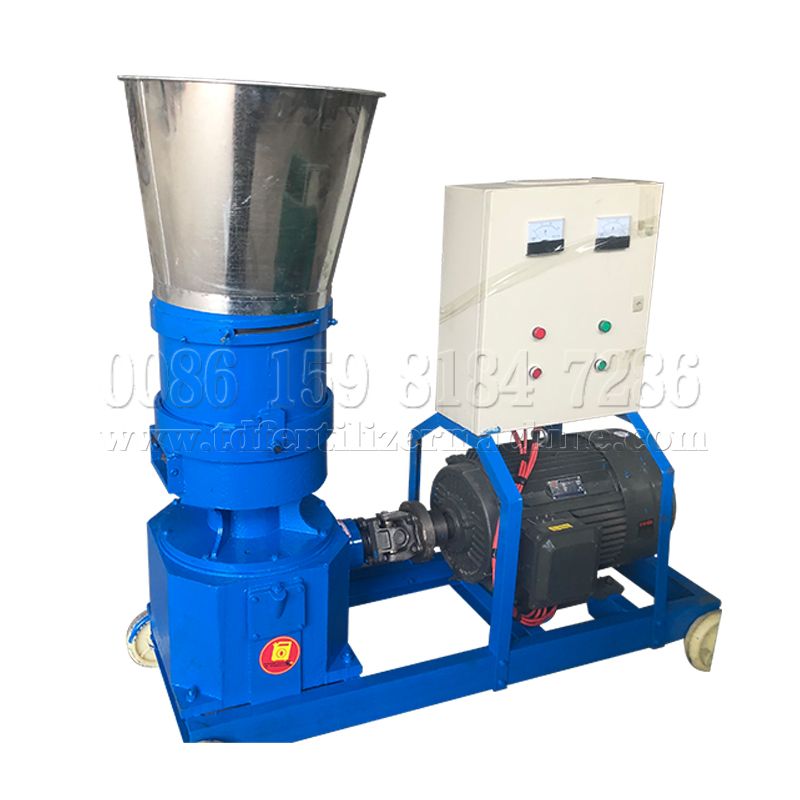
Grades cooled pellets into finished product, oversize and fines. Oversize is crushed and re-granulated; fines return to the granulator with fresh binder.
View details →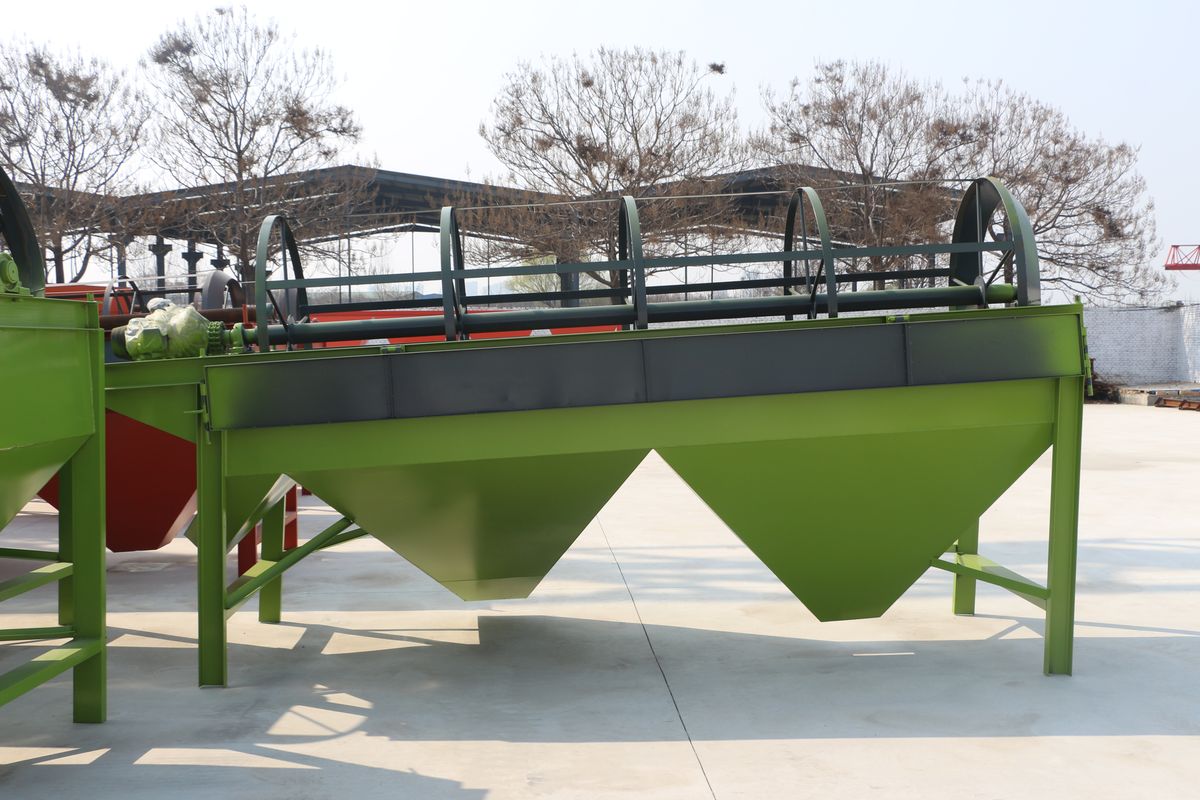
On a powder line, the screen is the last machine before bagging. A 20–60 mesh cut gives a clean, dust-controlled powder that behaves well in a mechanical spreader.
View details →A coarse screen ahead of the crusher catches stones, glass, wire and plastic that would otherwise damage the rotor or end up in the bag.
View details →| Rotary drum screen | Vibrating screen | |
|---|---|---|
| Working principle | Inclined rotating drum with internal mesh and rubber balls | Eccentric or electromagnetic vibrator driving a flat mesh deck |
| Best material | Damp, sticky manure compost | Dry powder and free-flowing granules |
| Anti-blinding | Mechanical rubber-ball bouncing, very effective on damp material | Needs frequent cleaning; fine damp material blinds the mesh |
| Capacity | 1–30 t/h | 1–15 t/h |
| Footprint | Longer, requires headroom for the drum | Compact, can be stacked in multiple decks |
| Relative cost | Moderate | Lower |
| Typical position | Before granulation and after drying | Fine powder grading, dry material only |
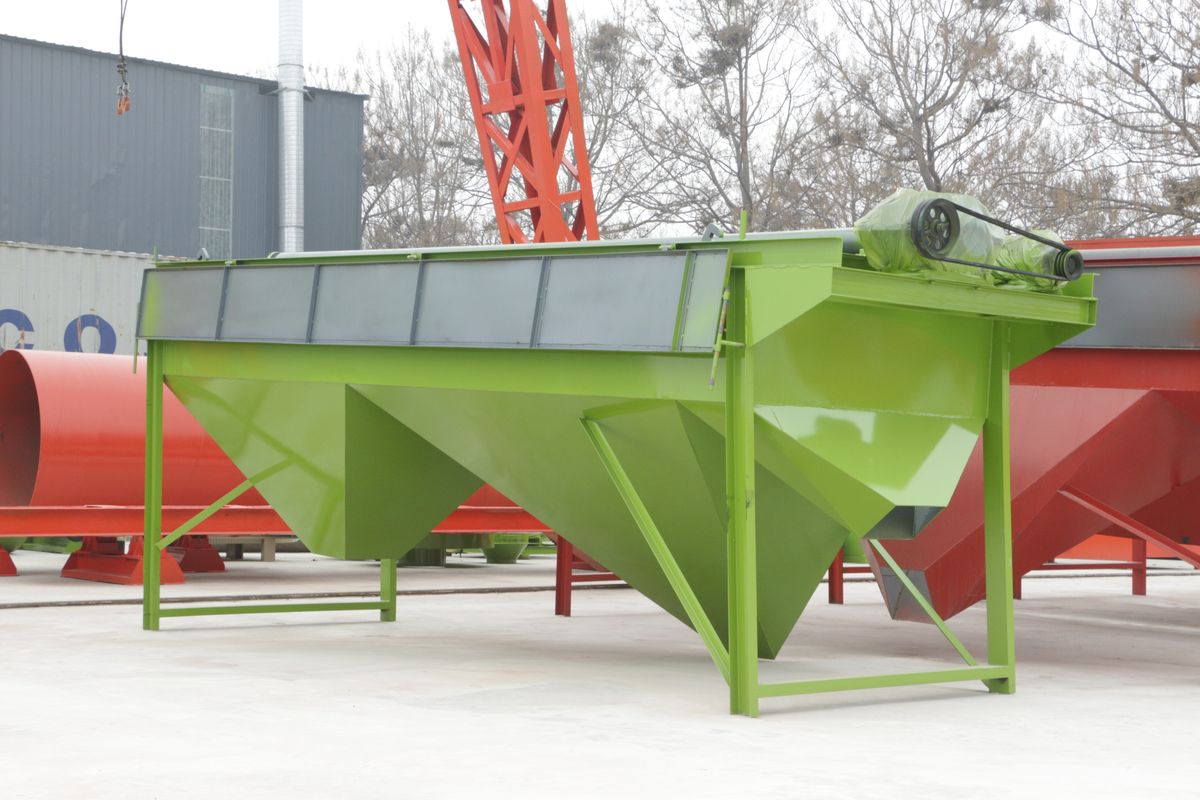
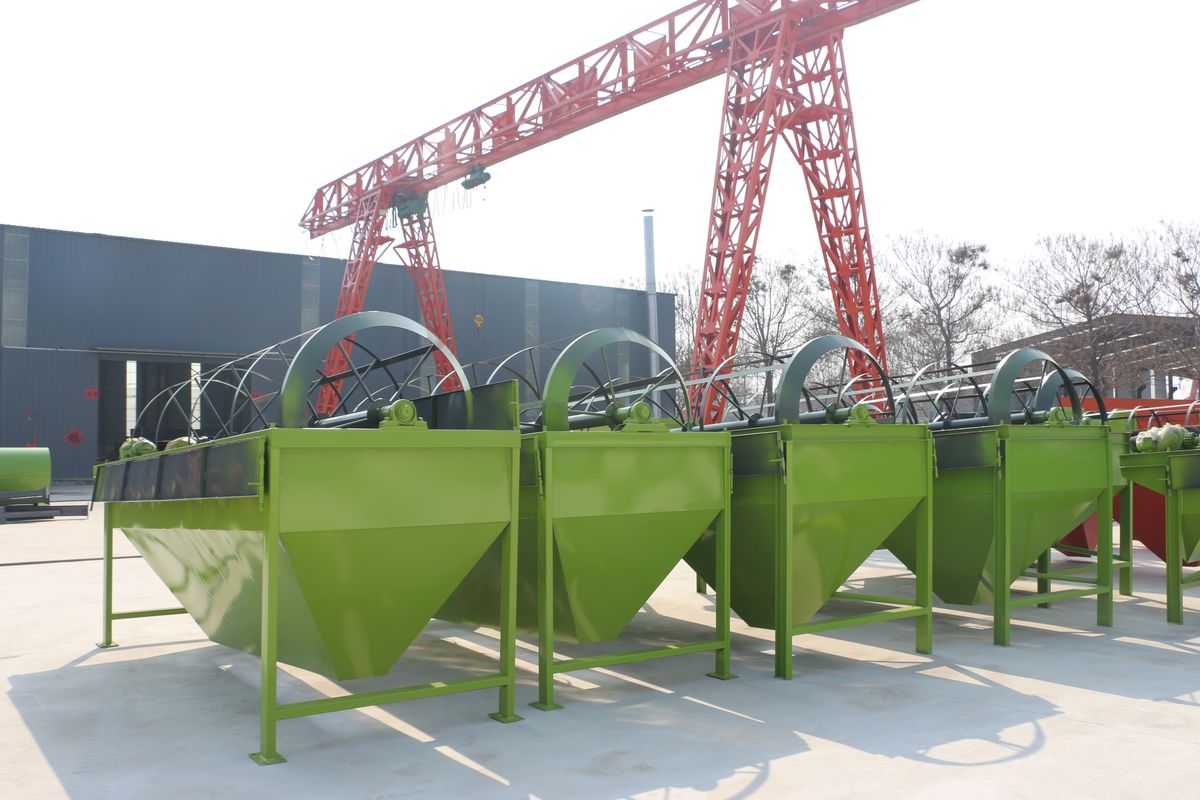
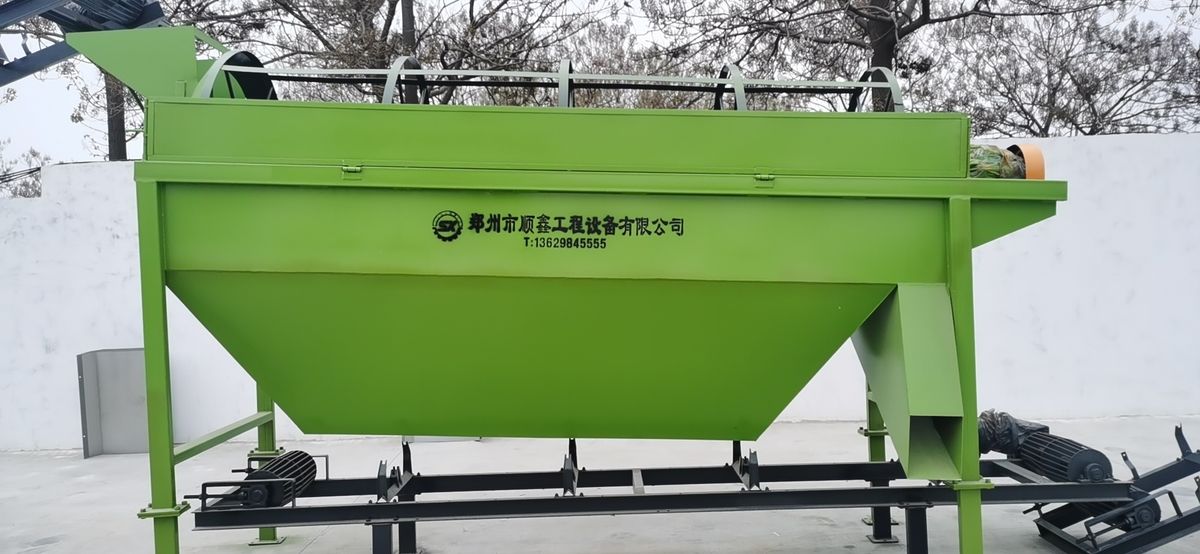
Compost screening equipment is a kind of fertilizer equipment in fertilizer production line whether organic fertilizer production system or compound fertilizer production process. It is mainly used for separating finished products and returned materials. Therefore, it plays an important role in the process of producing fertilizer. In our company, you can choose two kinds to use, rotary screening machine and vibrating screener. They have different good features for you to reference. Generally speaking, both of them can help you get high quality fertilizer products. Therefore, it has wide applications in some industry, especially fertilizer production. If you want to know more details, please purchase one following our sales manager’s advice.
In order to get qualified fertilizer, our company can offer you two kinds of fertilizer screener to help you solve the problem.
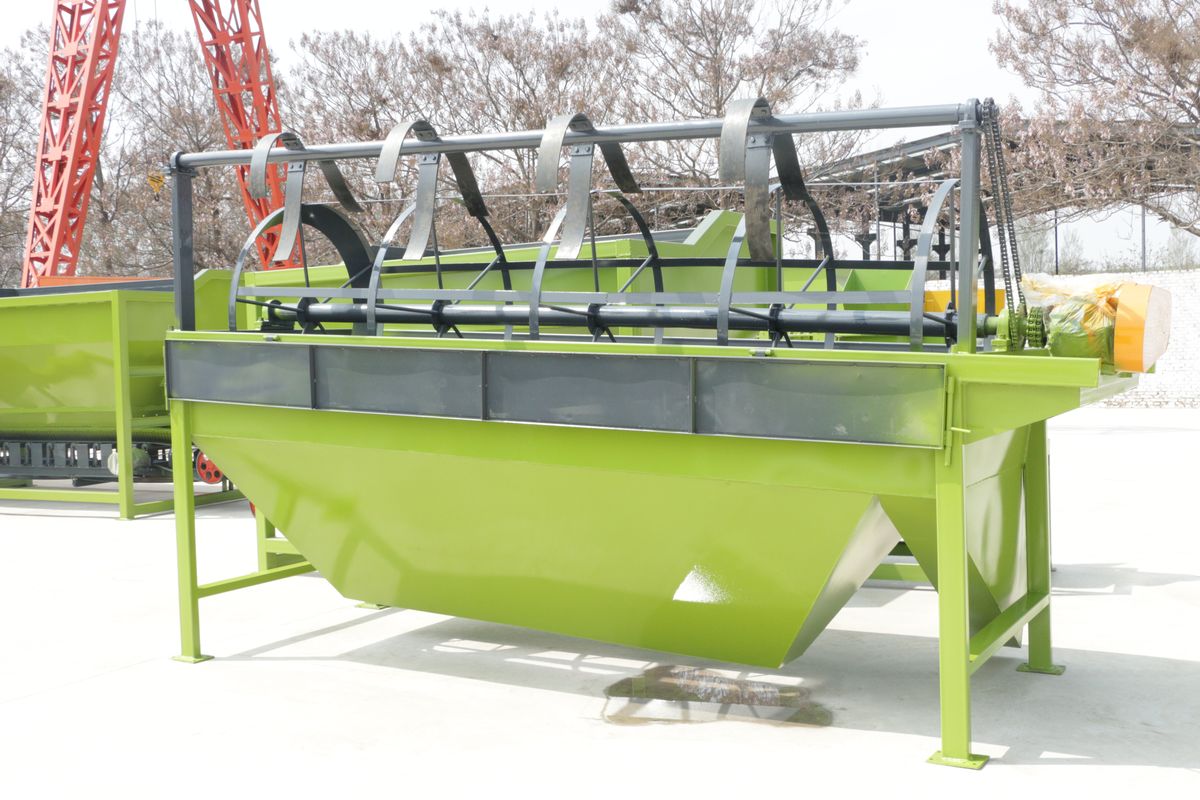
Rotary screener is a common equipment in the production of fertilizer, which is mainly used for the separation of finished products and reclaimed materials. At the same time, we can use it to classify finished products evenly. Finally, it can help you get qualified fertilizer products. Then, in terms of structure, it includes 3 important parts, like rack part, transmission and screening part, and transmission connection part. So it looks so simple. However, for its wide application, it can screen various solid materials with particle size less than 300 mm. Meanwhile, its screening capacity can vary from 1t/h to 20t/h by your needs. What is more, it has the advantages of high screening efficiency, low noise, small amount of dust, long service life. Finally, it is an ideal fertilizer equipment in fertilizer industry.
Compared with rotary screener, this kind has special design for screening fertilizer by our company. The sieves we design two kinds to meet your requirements: singe layer and double layer. Bot of them can deal with your problems. And it adopts the cylindrical eccentric shaft oscillator and the partial block to adjust to the amplitude to work. It has prominent features of long material screening line and many screening sizes. Therefore, it has the wide applications in some industry, especially fertilizer industry. For more details, you can send quotations to our official website: https://manuretofertilizer.com.
If you are interested in this machine, Please contact us!
High screening efficiency. Organic fertilizer screening machine adopts advanced technology to design. Therefore, working efficiency can be so high that you can get more qualified fertilizer during the same period. Meanwhile, it will not block the screener no matter how sticky and wet they are.
Making low noise during the working. Compost screener can be isolated by sealed dust cover.
Good working environment. It prevents the dust from polluting our environment so that our worker can have a good health.
Long service life. Honest speaking, its simple structure, less maintenance and high quality material proof that it has a long service life to work for you.
It has wide adaptability of the materials. We can widely used for screening various materials, whether the fertilizer pellets, wood pellets or coal.
It has various feeding ways. It is alternative for you t choose the feeding ways, whether the belt, funnel or some other feeding way. We can tailor for you.
It saves your energy consumption. The power of motor is small. It screens the materials quicker than other screening facilities. In this aspect, it saves your more energy consumption.
In fertilizer production line, screening equipment can help you get right fertilizer to meet different clients’ need. The right position is good for producing powder fertilizer and granules fertilizer. What is the best solution for you to use? Now we can offer you some ways.
In the whole process of making fertilizer, crushing process with crusher can make granule materials into powders. However, the process can not crush the materials into powder completely. How to deal with those unqualified materials is a big question. In our company, we offer compost screening machine to solve it. A powder screening machine is necessary, which can help you separate them alternatively and quickly so that you can mix them evenly. At the same time, compost screener can make the unqualified materials return to the crusher and restart the process. By this way, it makes full of materials so that you can reduce cost to get big benefits.
Coating process with coating machine can make our fertilizer pellets more beautiful. The process is the last step before bagging finished fertilizer products. Therefore, putting compost screening machine on the position is the best choice for you. Granulation screener can screen unqualified pellets and return to the fertilizer granulator by conveyor belt and restart the process. For qualified granules can enter the next process, coating process. Finally, the use of compost screening equipment helps you reduce materials waste.
As a fertilizer equipment suppliers, we can produce a lot of fertilizer equipment by your needs. When you start a small scale commercial compost making business, you should equip with compost screening machine. It is essential for you to know why it is plays an important role in organic fertilizer production line. Meanwhile, the cost can influences your benefits. Besides, you need to choose suitable compost screener according to your production capacity. In addition, our sales manager can give you useful suggestions. Your satisfaction can be our goal. At the same time, other machines and fertilizer production line are also at the best price. Welcome you to our factory.
Photographed in our Xingyang workshop and on customer sites. Watermark-free, no phone numbers.
Because compost at 25–40% moisture is sticky, and a flat deck gives the damp fines nowhere to go — they pack into the mesh and the screen stops separating. The solution is a rotary drum screen with a rubber-ball anti-blinding system, which physically knocks material out of the mesh as the drum rotates. Vibrating screens work well on dry powder but are the wrong machine for damp compost.
Two in most cases: a coarse cut before granulation to remove impurities and oversize, and a fine cut after drying to grade the finished pellets. For powder fertilizer a single fine cut before bagging is normally enough. Customers with several product grades, or producing both 2–3 mm and 3–5 mm pellets, use a three-level screen that splits the output into two saleable sizes plus the return stream.
It returns to the crusher and then back into the granulator with fresh material. That return circuit is what keeps material loss low — typically under 5% on a well-designed line. A screen installed without a return circuit turns 10–20% of the plant's output into waste or into second-grade product, which is a far greater cost than the conveyor it would have taken to close the loop.
Yes, and it is one of the strongest arguments for putting a screen at the front of the line. Manure collected from sheds and yards inevitably contains wire, plastic wrap, stones and glass. A coarse screen ahead of the crusher catches most of it and protects the rotor and the granulator teeth. For heavy contamination we add a destoner or a magnetic separator ahead of the crusher as well.
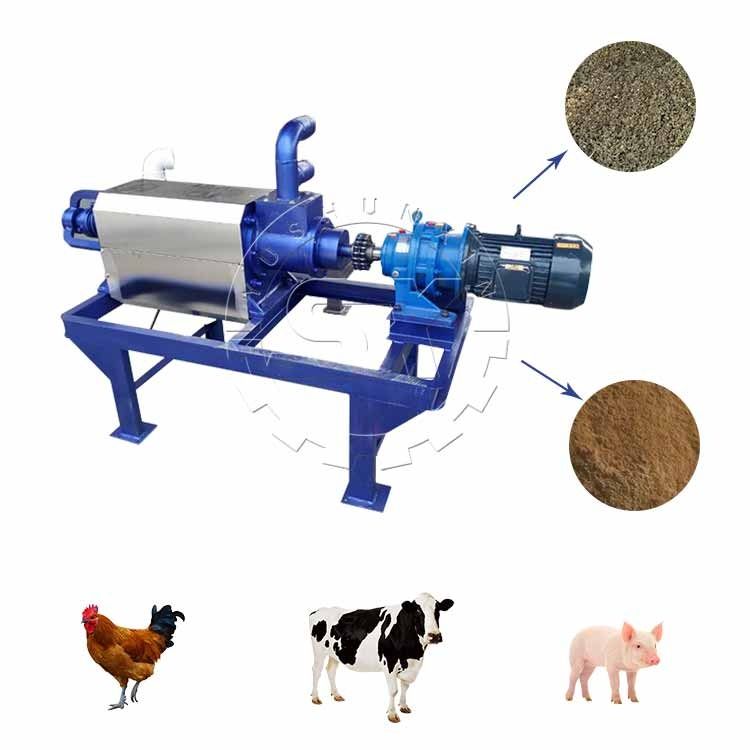
Manure treatment equipment that makes raw animal slurry handleable: solid liquid separators, dewatering machines, drye…
Read more →Compost shredder machines that crush caked manure and compost below 3 mm: semi-wet crushers, chain crushers, cage mill…
Read more →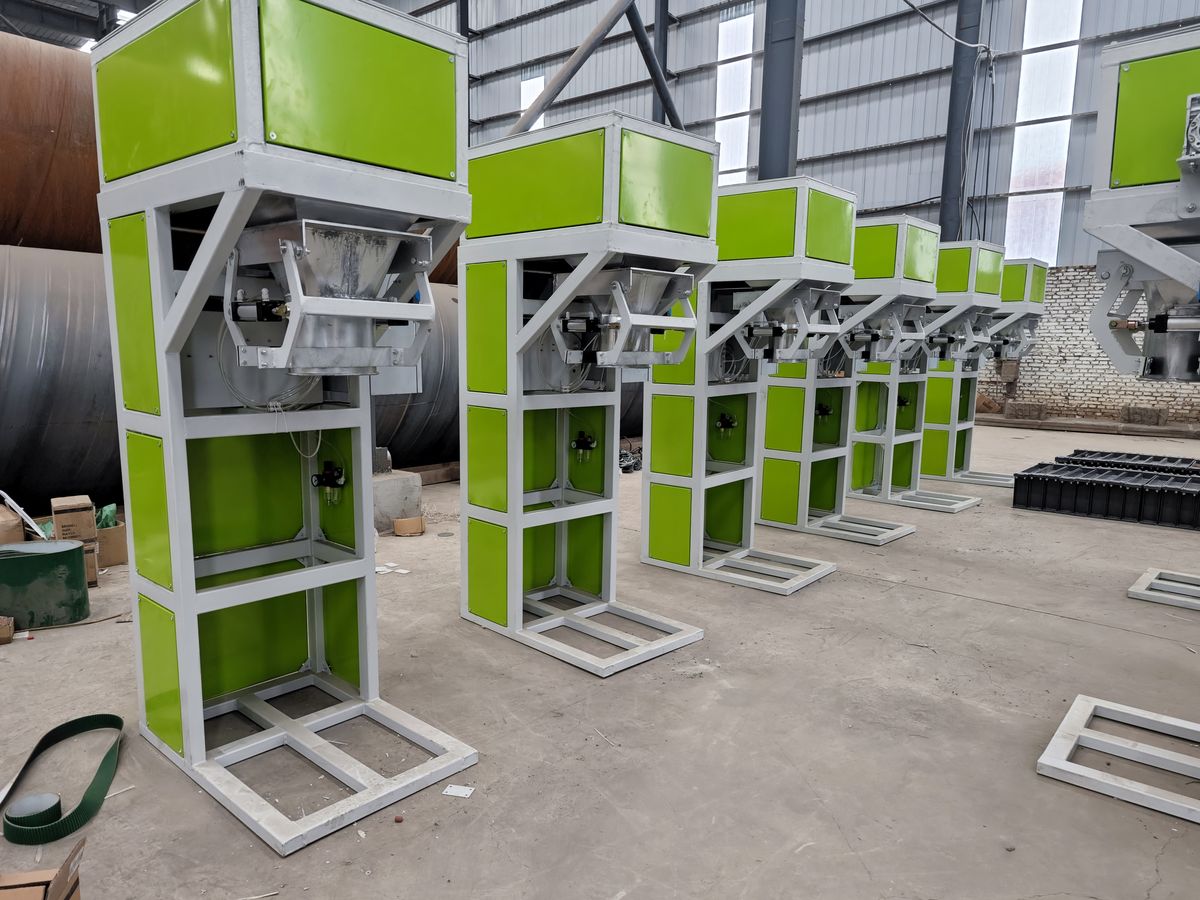
Manure bagging machines from single-head packing scales to fully automatic bagging and palletising lines, filling 25 k…
Read more →Cow dung powder making machine: dewater, ferment, crush, screen and bag cattle manure as powder organic fertilizer, wi…
Read more →Send your raw material, target capacity and country. Our engineers reply within one working day with a process route, equipment list and budget.
Send us your raw material and target capacity — we will propose the process, the machines and the budget.
Send your raw material and target capacity — our engineers reply within one working day with a process route, equipment list and budget.
Our engineering team will reply within one working day. For anything urgent, message us on WhatsApp.
Open WhatsApp