
Cow Dung Fertilizer Machine
Cow dung fertilizer machines that turn cattle manure into powder or granule organic fertilizer: dewatering, composting…
Read more →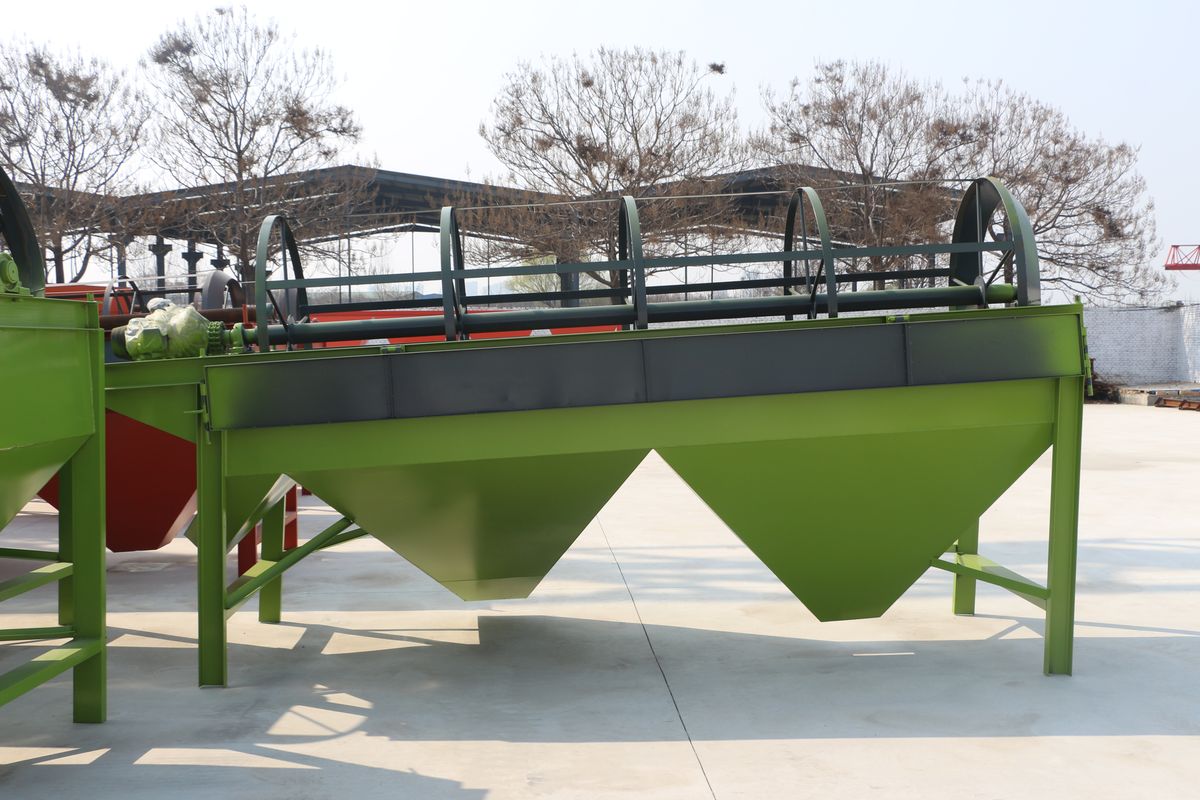
Produce bagged cow dung powder fertilizer without granulation, drying or coating equipment — the fastest way to turn a manure heap into a sellable product, and the one most first-time producers should choose.
Not every market needs pellets. In many regions farmers buy organic fertilizer as a powder, which they apply before planting or blend into their own mixtures. A cow dung powder making machine line meets that demand with the smallest possible capital outlay: the manure is separated to lower the moisture, composted in windrows, crushed to a uniform particle size, screened and packed. No granulator, no dryer, no cooler and no coater — and therefore no drying fuel cost at all.
The process is also the most forgiving. Powder fertilizer tolerates a wider moisture range and a coarser particle size than pellets, so in humid climates the compost can simply be air-dried on the turning floor instead of being pushed through a drying drum. Where the climate is very wet, blending finished dry product back into the wet compost before crushing achieves the same result at almost no cost.
The trade-offs are real and should be understood before choosing powder. The selling price per tonne is lower than for pellets, the product is dustier and more difficult to spread evenly by machine, and it may not store as long in very humid conditions. The counter-argument is speed and risk: a powder line can be built, commissioned and selling within one season, and the machines it contains remain useful if you later add granulation.
A screw-press or inclined-screen separator reduces fresh cow dung from 80% to 55–65% moisture. This step is essential — a powder line is cheap, but it still cannot compost a slurry.
The separated solid is blended with straw, rice hull or sawdust at about 3:1 and piled. Turning 2–3 times daily in week one and every 2–3 days afterwards brings mature compost in 10–15 days.
Compost is spread on the turning floor or under a simple roof and turned periodically until moisture reaches about 25–30%. In a wet season, finished dry product is blended back into the feed instead.
A semi-wet crusher or chain crusher reduces the compost to below 3 mm. This is the step that decides how professional the finished bag looks.
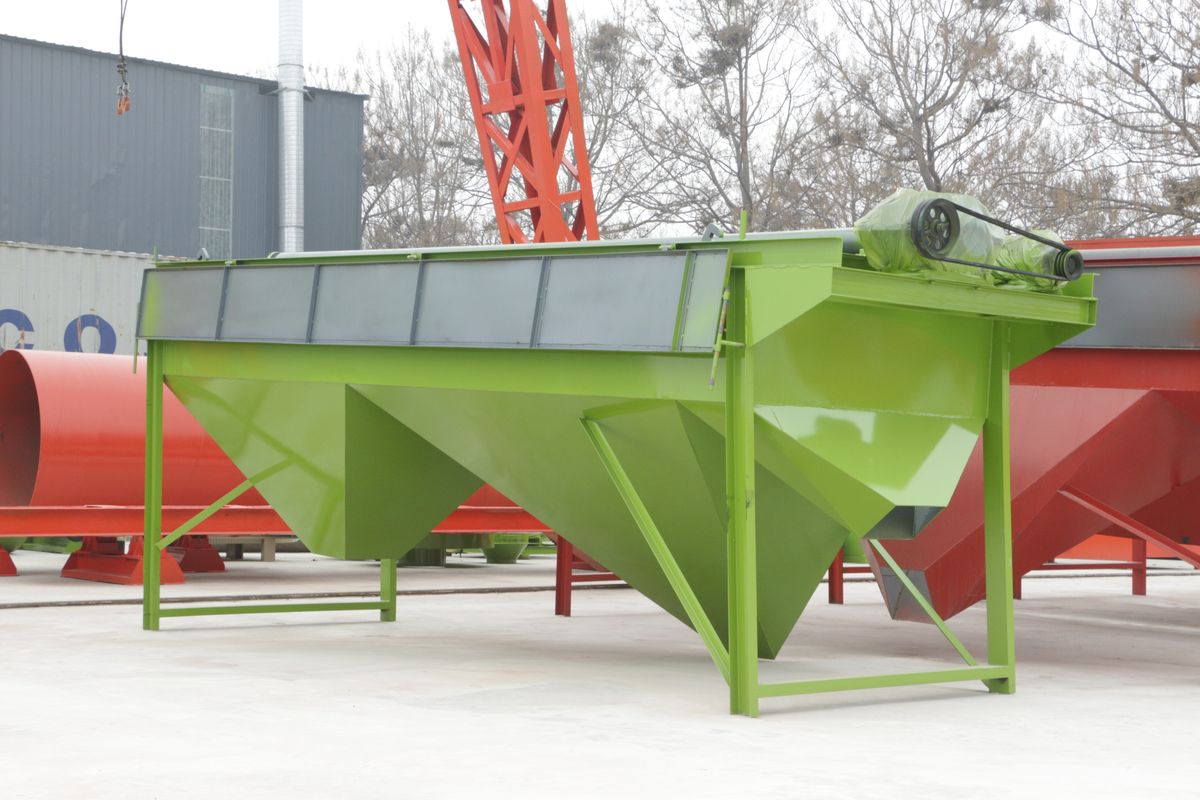
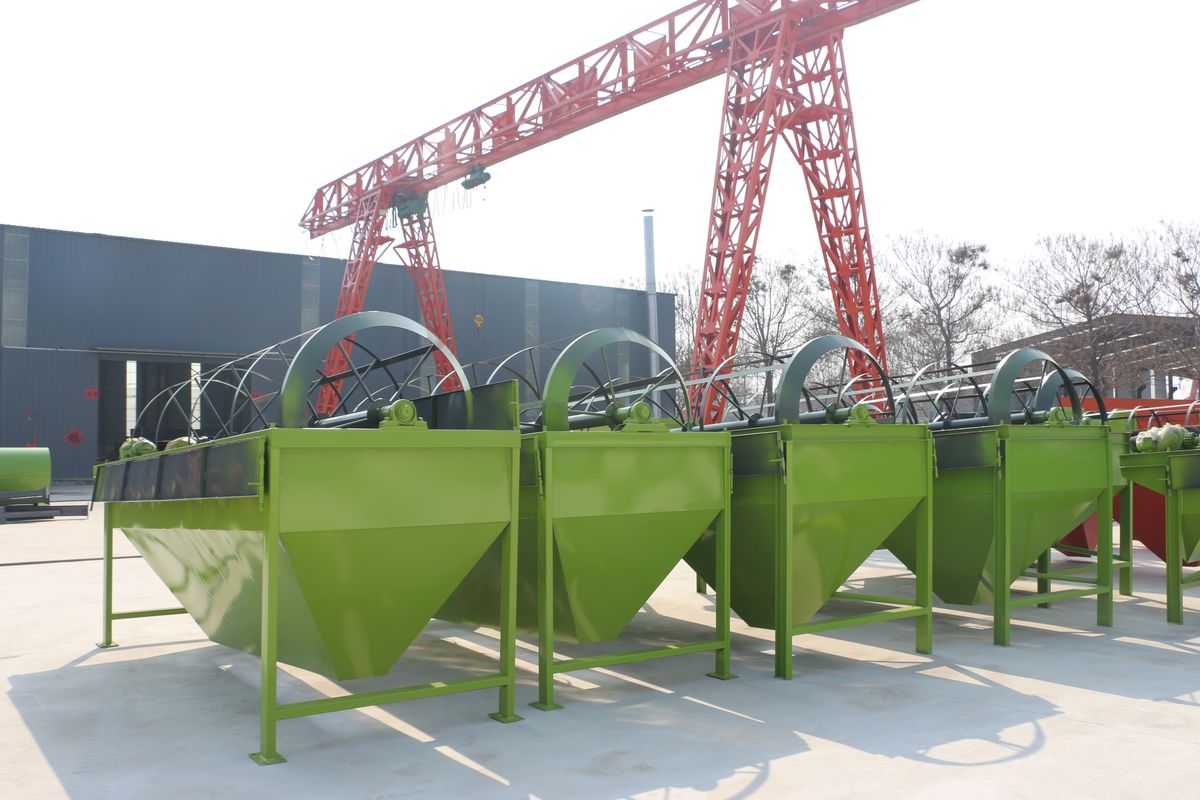
A rotary drum screen with a rubber-ball anti-blinding system grades the powder to 20–60 mesh and removes stones, plastic and oversize. Oversize returns to the crusher.
Optional but recommended: a horizontal mixer blends in humic acid, trace elements, anti-caking agent or mineral nutrients, and gives the batch a repeatable analysis.
A single-head or double-head packing scale with a bag-sewing machine fills 25 kg, 40 kg or 50 kg bags at a consistent weight. A simple conveyor and a pallet stack finish the line.
| Scale | Output | Equipment | Site area | Notes |
|---|---|---|---|---|
| Micro | 0.5–1 t/h | Small separator, self-propelled turner, semi-wet crusher, screener, single-head packer | 300–500 m² | Minimum viable commercial line |
| Farm | 1–2 t/h | Separator, crawler turner, forklift feeder, crusher, screener, mixer, packer | 500–800 m² | Adds a mixer so additives can be blended |
| Commercial | 3–5 t/h | Separator, groove turner, feeder, cage mill, three-level screener, batching, mixer, double-head packer | 800–1,500 m² | Automatic weighing and a proper return circuit |
| Large powder plant | 5–20 t/h | Multiple separators, fermentation channels, chain crushers, large screens, dynamic batching, automatic bagging | 2,000–5,000 m² | Supplies distributors rather than direct farm sales |
Cow dung powder fertilizer production is an efficient way to deal with cow manure. Meanwhile, this production is easy to operate. You can adopt cow dung powder making machine in this process, which will accelerate production process and improve quality. On the one hand, you can make dry cow dung powder after dewatering and drying. On the other hand, you can make commercial fertilizer powder from cow dung, after composting, crushing, screening and packaging. Shunxin can provide you multiple useful machines.
Before making cow dung powder, knowing about procedures and auxiliary machines is necessary. Cow dung powder fertilizer is a kind of commercial organic fertilizer made from cow manure. Its making process is simple, and it needs fewer fertilizer making machines. Among them, the complete procedures include composting cow dung, crushing cow dung compost, screening process and packing process.
Composting is a process, where microorganisms convert compound organic materials to simple substance and produce a lot of heat. On the one hand, the structure of cow dung will become loose after composting.
Meanwhile, the successful composting will make cow dung into powdery compost. On the other hand, the produced heat will kill pathogens, worm eggs and weed seeds in cow dung, so as to reach the harmless treatment.
The role of crushing process is to deal with potential caking in fermented cow dung. Because the long-time stacking of cow dung during composting will cause bulks inside the compost pile. In this process, compost crusher is essential. It not only can crush large amount of cow dung compost into small particles in a short time, but also can save workforce and improve working efficiency. In addition, crushing process is important for both cow dung powder fertilizer production and granular cow dung fertilizer production.
In the screening process, impurities and over-sized particles will be selected out. That is to say, you can get uniform cow dung powder without impurities after this process. Just like crushing process, you also need to adopt machines—compost screen in this process. For dealing with large amount of cow dung compost, compost screen machine not only can save time and workforce, but also can make quality cow dung powder.
The nutrient content in pure cow dung compost is not enough to be used as commercial fertilizer. Generally speaking, cow manure compost is good base fertilizer for soil and plants. Therefore, if you want to produce commercial fertilizer, you need to add proper nutrient elements according to local soil conditions. In order to control the ratio of additive, you can adopt batching system, which can finish the batching of two types materials or more. At the same time, fertilizer mixing machine can help you to blend addictive and cow dung compost evenly.
In terms of commercial cow dung powder fertilizer, packing is important. Bagged fertilizer powder is convenient for transportation and storage. After composting, crushing and screening, cow dung has become quality fertilizer. You can use Shunxin fertilizer packaging machine to bag cow dung powder fertilizer. Shunxin fertilizer packing machine can produce fertilizer with 25kg/bag and 50kg/bag. What’s more, it can finish the filling, weighing and sealing of bagged fertilizer. You just need to designate 2 persons in this process.
As we all know, the moisture of fresh cow dung can reach 80%. It is not easy for you to make cow dung powder from fresh cow manure directly. Your priority is to dewater it. Shunxin manure separator is a kind of cow manure powder making machine, specially used for removing extra water from cow dung. Its working principle is screw extrusion. The moisture of dewatered cow dung can achieve 30% to 40%. In addition, the waste water separated from fresh cow dung can be used to make biogas. You can also use it in pig manure management as well as cow dung fertilizer production.
Composting is another important method to deal with cow dung. Compost turning machine is one of cow dung powder making machines, which can accelerate composting process and improve the quality of cow dung compost. According to the difference between composting methods, Shunxin can provide you two types compost turners. They are compost windrow turner for windrow composting and groove type compost turner for composting in the fermentation groove. Windrow compost turner can turn cow dung piled in long rows evenly. But it needs large space and is suitable for dealing with large scale cow dung. In terms of groove type compost turner, it will move on the walls of fermentation grooves. Its turning teeth on the rotary shaft will crush caking into small particles, blend raw materials evenly and make them contact with air fully. Via compost turner, you can get cow dung compost in 20 to 30 days.
As an important cow dung powder making machine, Shunxin new type vertical crusher has higher crushing strength. Its crushing capacity from the crushing blades and chains. When it works, the material enters the machine from the top and discharges from the bottom. Furthermore, its crushing blades adopts special material, which has longer service life. In addition, there is an observation window in the main body, so it is convenient for you to replace wearing parts.
Model Powder (Kw) Production Capacity Size of Feed Inlet (mm) Overall Dimension (mm) SEECFLF-600 22 3-5 t/h 400*400 1300*750*1900 SEECFLF-800 30 5-8 t/h 600*400 1800*1020*2100 SEECFLF-1000 37 8-15 t/h 650*450 1800*1200*2500
Its big advantage is to deal with organic waste with higher water content. In addition to cow manure, it is also suitable for vegetable waste, food waste, garden waste and so on. Besides high-moisture organic waste crusher machine, you can also call it organic waste pulverizer. Its compact structure and crushing capacity can greatly improve working efficiency.
Power (Kw) Production Capacity Grinding Particle Size Size of Feed Inlet (mm) Overall Dimension (mm) SEECSF-40 22 1-1.5 t/h 50 mesh 400*240 1200*1350*900
SEECSF-40 II 22*2 1-1.5 t/h 80 mesh 400*240 1200*1600*1300
SEECSF-60 30 1.5-3 t/h 50 mesh 500*300 1300*1450*1300
SEECSF-60 II 30*2 1.5-3 t/h 80 mesh 500*300 1500*2150*1920
SEECSF-90 37 3-5 t/h 50 mesh 550*410 1800*1550*1700
SEECSF-120 75 5-8 t/h 50 mesh 650*500 2100*2600*2130
If you want to know more details, you can contact us!
During working process, the high-speed rotating crushing hammer will strike organic waste and make them into smaller particles. At the same time, crushed materials will drop down to screening part. The material with small diameters will discharge from the machine. And the larger particles will be remained for secondary crush. It will be your first choice in the large-scale cow dung fertilizer powder production.
Cow dung powder making machines are efficient equipment for you to deal with large amount of cow manure. For dairy farm manure management, you can adopt manure separator and rotary drum drying machine to make cow dung powder with lower water content, and then sell them to others. On the other hand, you can also make your own organic fertilizer from cow dung, which can make more profits for you. Firstly, you can adopt Shunxin compost turner to make quality cow dung compost, which can be used as fertilizer to soil and plants directly. In order to provide convenience for storage and transportation, you can make bagged cow dung powder after crushing and screening. If you have no idea and do not know how to choose suitable cow dung powder making machines, you can contact us for getting professional plan and advice.
Aiming to get dry cow manure fertilizer, our company has designed dewatering screw press machine to solve this problem. Fertilizer dewatering machine is very useful in the process of making powder fertilizer production line. Manure dewatering equipment can separate dry and wet cow dung quickly. After dewatering by this machine, it can decrease water content from wet cow dung manure to 30% to make preparation for making fertilizer in your farm. So, it is very convenient for transportation as raw materials to make organic fertilizer. At the same time, it can make water content meet different needs. Therefore, it is the necessary fertilizer equipment for you to use before making organic fertilizer. Why not get one now? If you have any questions, please contact us as soon as possible.
Photographed in our Xingyang workshop and on customer sites. Watermark-free, no phone numbers.
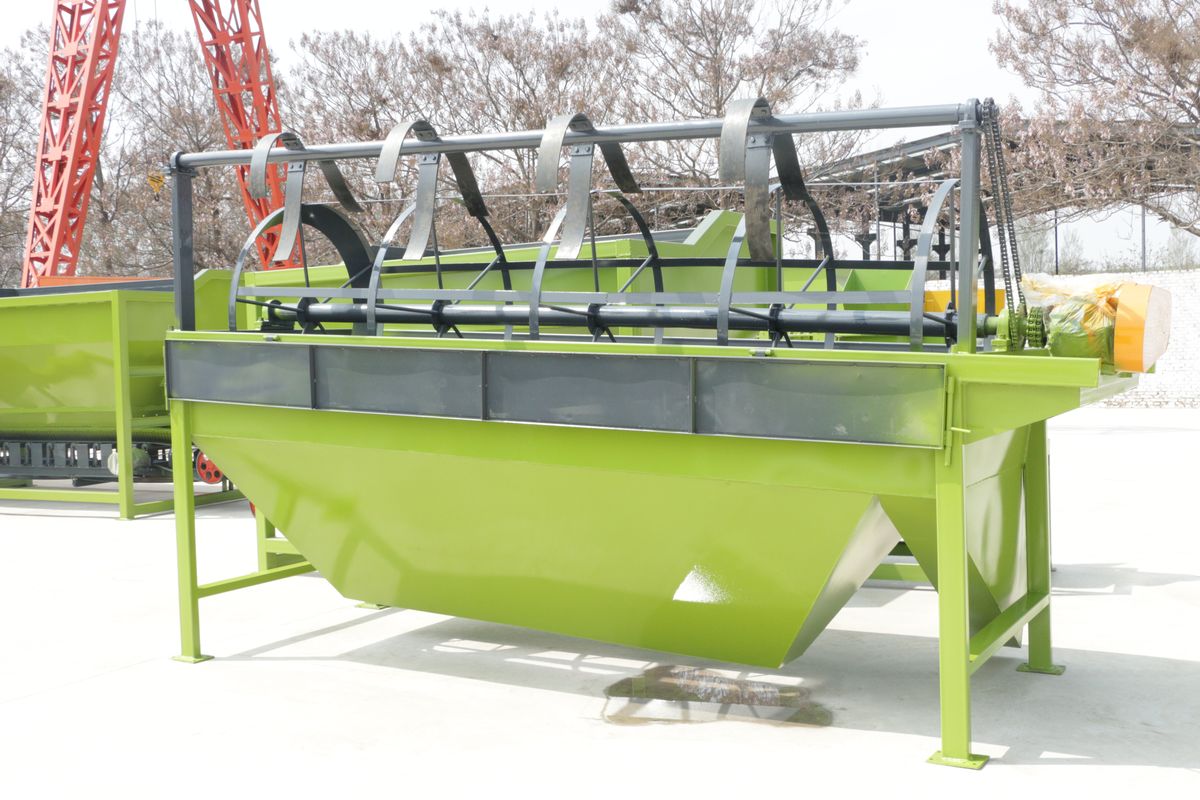
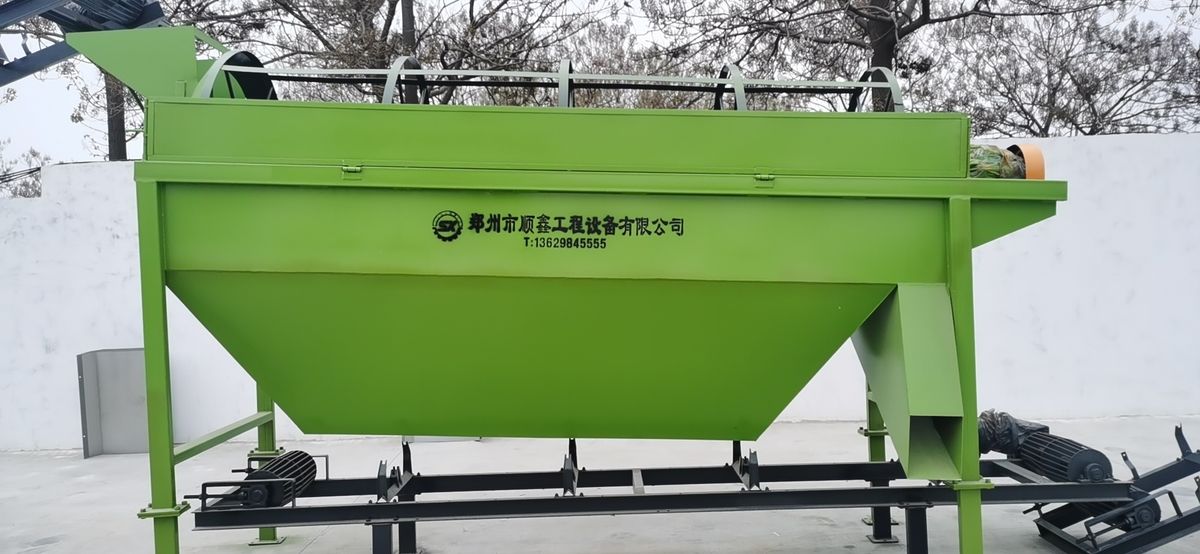
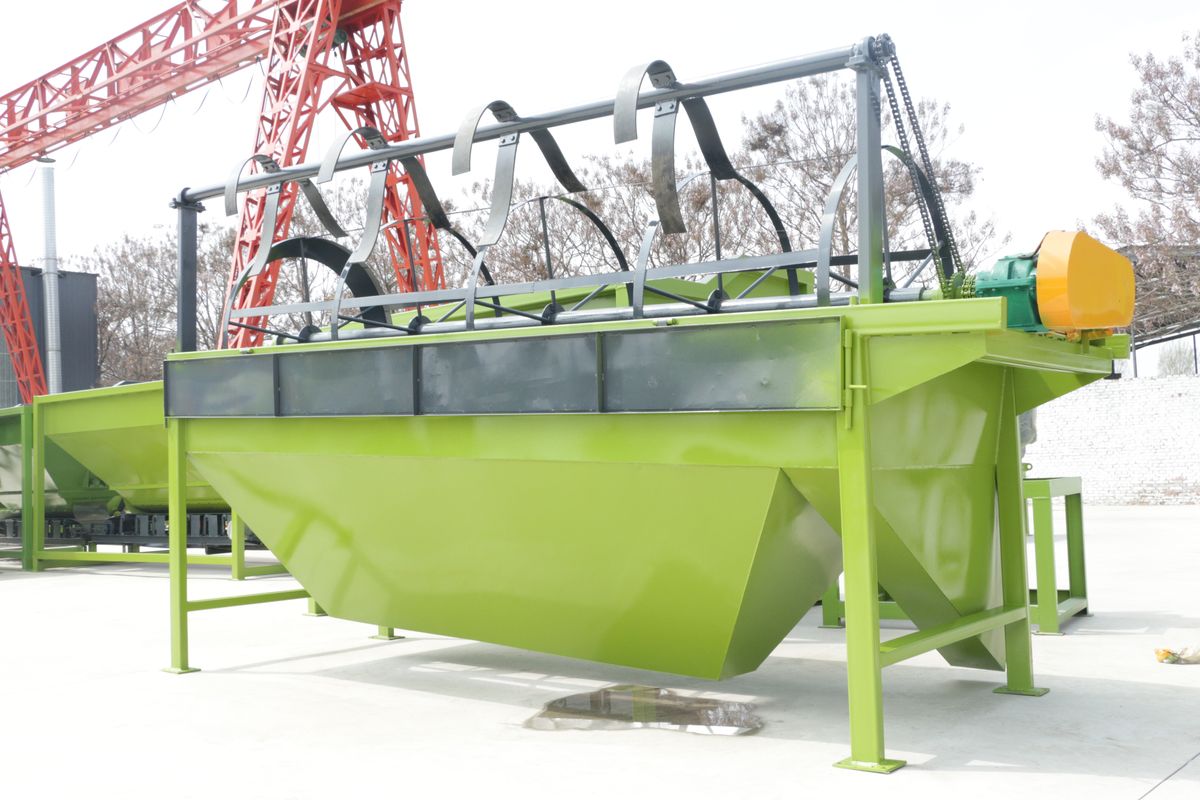
Powder fertilizer is simply screened compost; it is cheaper to produce and applies well to flooded fields, but it is dusty and harder to spread evenly by machine. Pellets are granulated and dried, so they flow freely through a spreader, store better and sell at a higher price per tonne. The powder line needs no granulator, dryer or cooler, which is why it is the recommended starting point.
A rotary screener is normally set so that 80% of the product passes a 2 mm mesh, with oversize returning to the crusher. Most customers sell at 20–60 mesh; anything coarser looks unrefined and anything finer creates dust at the packing station and is unpleasant for the operator.
Yes. A horizontal mixer or batching system blends urea, ammonium phosphate or potassium sulphate into the compost, and a small amount of anti-caking agent keeps the powder free-flowing. The mixing ratio should be documented for your registration requirements, and batch weights should be recorded if the product carries a declared NPK analysis.
Very little compared with a granule line. There is no drying fuel at all, and the connected load is dominated by the crusher, screener and conveyors. Labour is typically two to four people. This is the main economic argument for starting with powder: the operating cost per tonne is a fraction of a granule line's, so the margin per bag can actually be higher even though the selling price is lower.
Yes, and it is the recommended growth path. Separation, fermentation, crushing, screening and bagging are shared between the two routes, so the existing machines remain in place. You add the granulator, dryer, cooler, coater and product screener, plus a little additional conveying to route the material through them.
Cow dung fertilizer machines that turn cattle manure into powder or granule organic fertilizer: dewatering, composting…
Read more →Manure fertilizer machines that turn compost into a product: granulators, pellet machines, powder lines, coaters, cool…
Read more →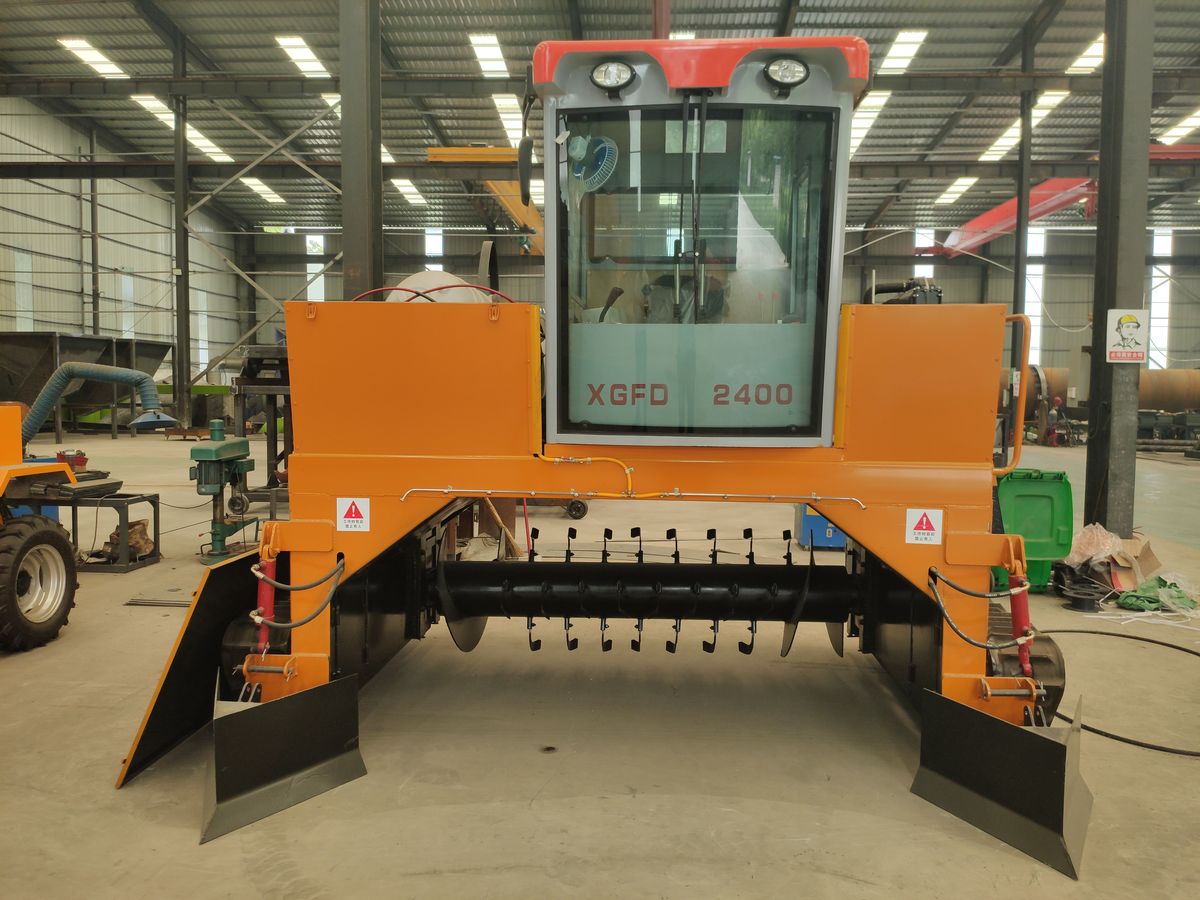
Small scale organic fertilizer production from 0.5 t/h: the minimum equipment set, what to leave out, and how to grow …
Read more →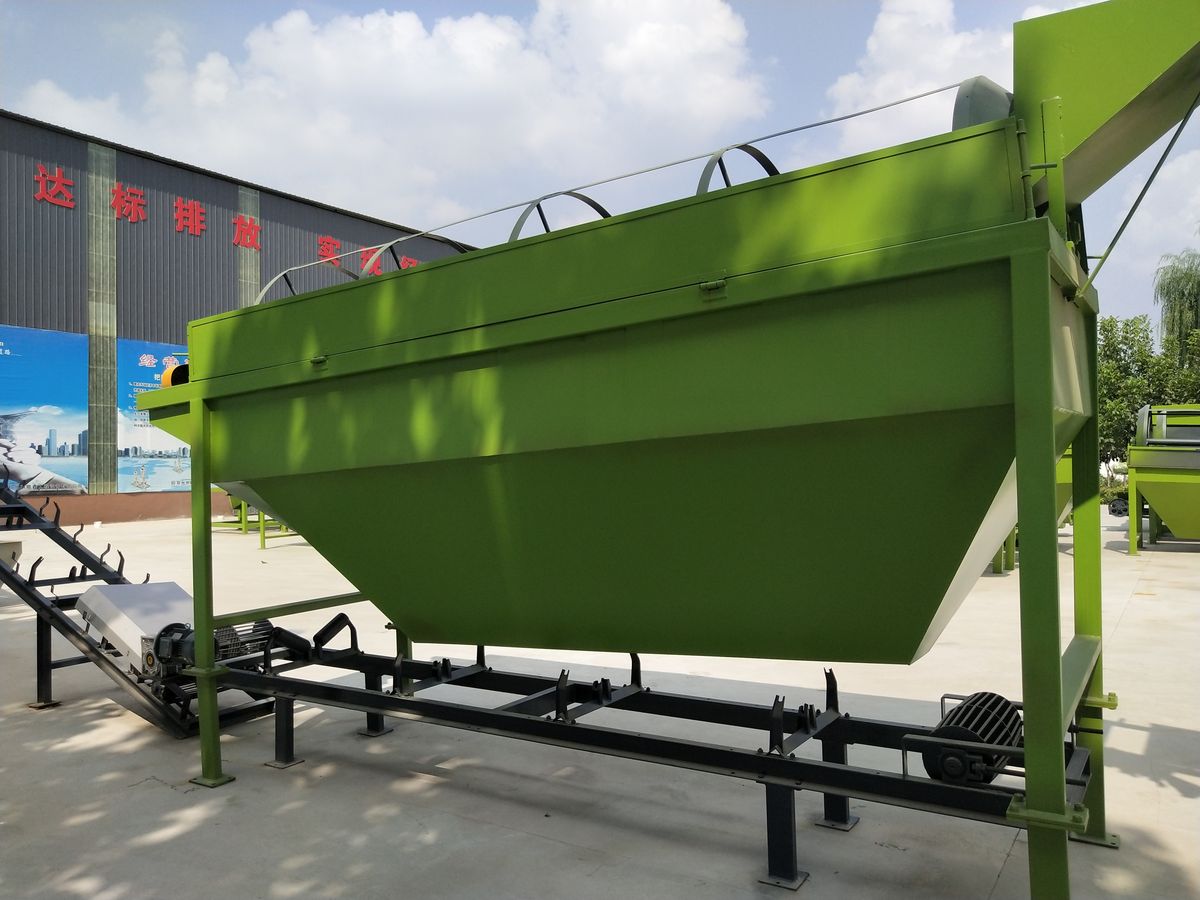
Compost screening equipment that grades manure compost into powder fertilizer and separates oversize, stones and plast…
Read more →Send your raw material, target capacity and country. Our engineers reply within one working day with a process route, equipment list and budget.
Send us your raw material and target capacity — we will propose the process, the machines and the budget.
Send your raw material and target capacity — our engineers reply within one working day with a process route, equipment list and budget.
Our engineering team will reply within one working day. For anything urgent, message us on WhatsApp.
Open WhatsApp